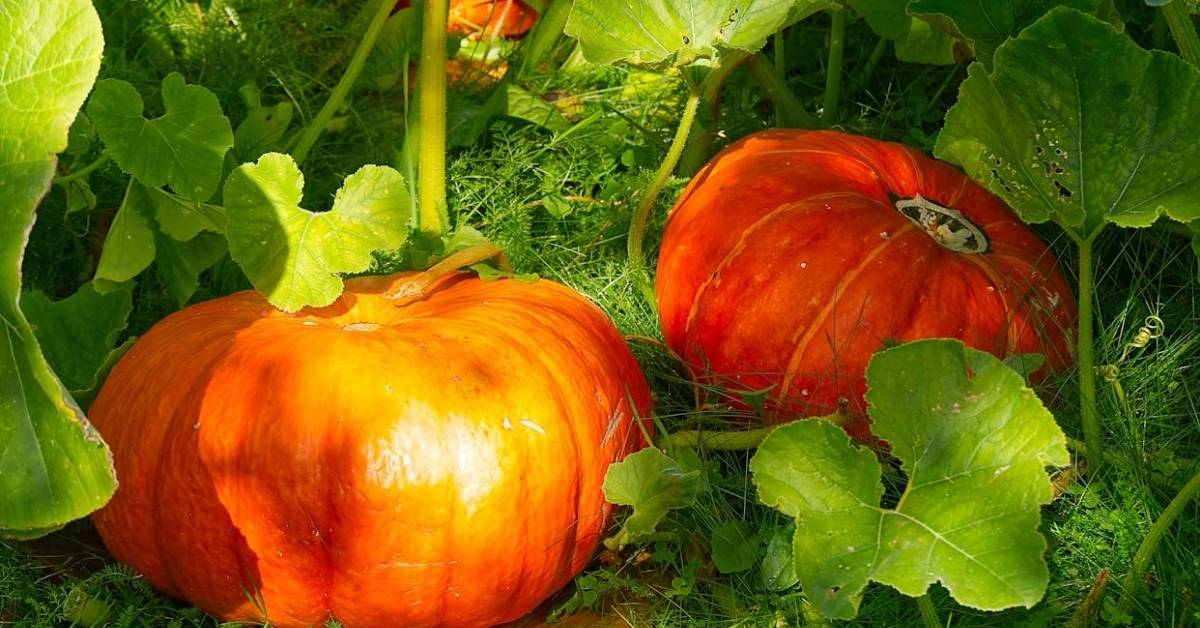
Did you know that you don’t need a huge garden to grow your own pumpkins? With container gardening, anyone can enjoy the thrill of watching these vibrant vines flourish, even in small spaces.
In this article, we’ll dive into the importance of growing pumpkins in pots, exploring how to plant pumpkin seeds in pots effectively. Get ready to uncover the joys of gardening and the satisfaction of harvesting your own pumpkins, all from your balcony or patio!
Why Grow Pumpkin in Pots?
Growing pumpkins in pots is an excellent option for gardeners who have limited outdoor space. Container gardening allows you to grow pumpkin plants on balconies, terraces, or small yards while keeping your garden well organized.
It is a practical way to enjoy home gardening without needing a large ground area.Potted pumpkin plants are easier to care for because watering, fertilizing, and monitoring growth becomes simpler.
You can place the pot where the plant receives enough sunlight and move it if needed. If you are learning how to plant pumpkin seeds in pots, remember to use a large container, quality soil, and proper drainage to support healthy plant growth.
For more insights on seed benefits and healthy planting, you can also read this guide on butternut squash seeds benefits
Best Time to Plant Pumpkin Seeds
Learn the best time to plant pumpkin seeds and follow the guide on how to plant pumpkin seeds in pots for healthy pumpkin growth.
Ideal season for pumpkin planting
When planning your pumpkin patch, timing is everything. The ideal season to plant pumpkin seeds is in late spring when the soil has warmed to about 70°F (21°C). This is usually between May and June, depending on your location.
Planting at this time helps pumpkin seeds grow faster because warm weather supports healthy development.
Temperature requirements
Pumpkin seeds grow best in warm conditions. Maintaining proper temperature is very important for strong plant growth. Pumpkin plants prefer warm soil and sunlight to develop healthy vines and leaves.
Seed germination conditions
Pumpkin seeds need warmth and moisture to germinate successfully. The soil should be well-drained but slightly moist to create the best environment for seed sprouting.
If you are learning how to plant pumpkin seeds in pots, you can start seeds indoors 3–4 weeks before the last frost and transplant them outside when the weather becomes suitable. Always use a pot with good drainage to keep the roots healthy and support strong plant growth.
Choosing the Right Pot for Pumpkin Planting
Pot size and depth requirements
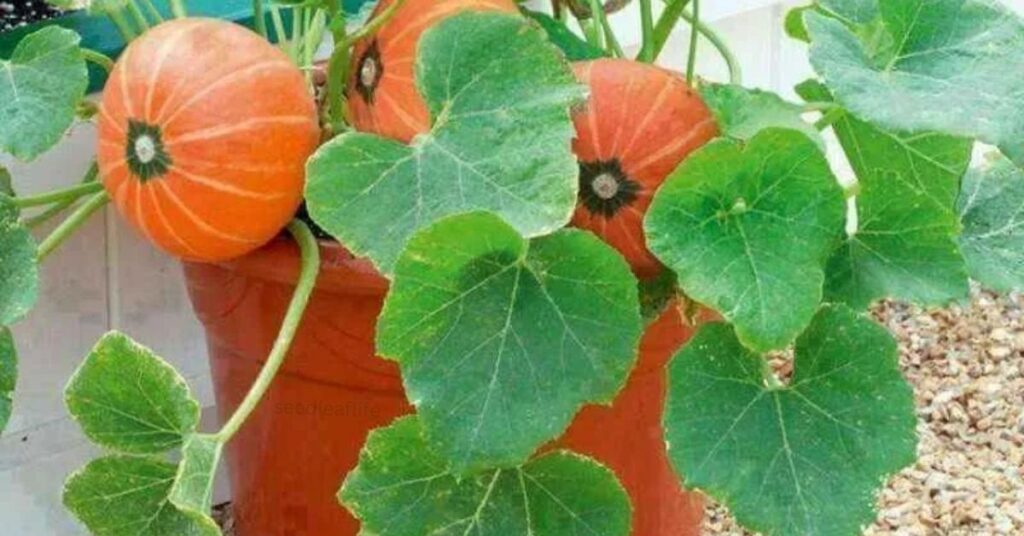
When choosing the right pot for planting pumpkin seeds, pot size is very important. A pot that is at least 12 inches deep is suitable because pumpkin plants need enough space for root development.
Larger pots with a diameter of 18 to 24 inches are even better as they help the plant grow healthy and strong. If you are learning how to plant pumpkin seeds in pots, make sure the container provides enough room for seedlings to spread.
Drainage holes importance
Drainage holes are essential for pumpkin plant growth. Without proper drainage, water can collect at the bottom of the pot and cause root rot. Good drainage keeps the soil slightly moist but not waterlogged, which is very important for healthy pumpkin plants.
Recommended container materials
Clay pots are a good choice because they provide better airflow to the roots and give a natural garden look. Plastic pots are also useful because they are lightweight and help retain moisture.
Choose a strong and stable container to support pumpkin growth and ensure better results when growing pumpkins in pots.
Soil Preparation for Pumpkin Seeds
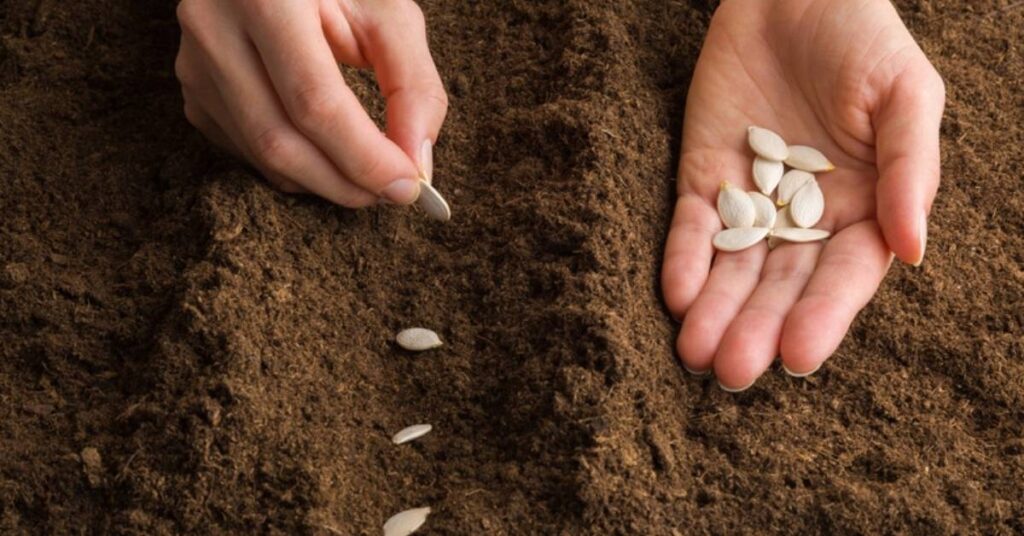
Learn soil preparation for pumpkin seeds and follow the tips on how to plant pumpkin seeds in pots to ensure healthy germination and strong plant growth.
Best soil mix for pumpkin growth
Preparing the right soil is very important for pumpkin plant growth. A good soil mix for planting pumpkins includes garden soil, peat moss, and compost in equal parts. This mixture helps retain moisture while also providing proper air circulation for the roots, which supports healthy seed development.
Organic compost addition
Adding organic compost improves soil fertility and supplies important nutrients to the pumpkin plant. Compost also helps increase beneficial microorganisms in the soil, which promote strong and healthy growth.
Mixing compost into the soil is highly recommended when learning how to plant pumpkin seeds in pots.
Soil pH level guidance
Pumpkin plants grow best in slightly acidic to neutral soil, with a pH level between 6.0 and 7.0. You can test soil pH using a simple testing kit. If the soil is too acidic, add lime to increase pH, and if it is too alkaline, add sulfur to balance it.
Proper soil preparation ensures better germination and healthy pumpkin seed growth.
How to Plant Pumpkin Seeds in Pots
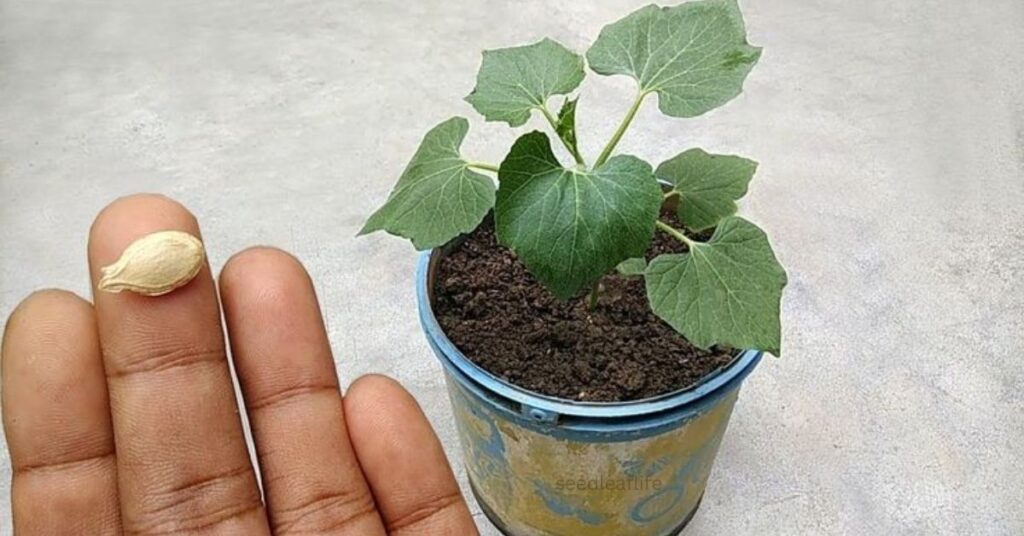
Step-by-step planting process
Growing pumpkins in containers is simple if you follow the right planting method. Proper preparation and care are important for healthy seed germination and plant development.
Fill the pot with soil mix
Start by filling your selected pot with a nutrient-rich soil mixture. Make sure the pot is at least 12 inches deep so the pumpkin roots have enough space to grow and spread properly.
Sow 2–3 pumpkin seeds in one pot
Place 2–3 pumpkin seeds in each pot. Plant the seeds gently to avoid damage and give them enough space so the young plants do not compete for nutrients.
Seed depth and spacing
Plant the seeds about 1 inch deep into the soil. Maintain small spacing between seeds to support better germination and early growth.
Watering after planting
After sowing the seeds, water the soil lightly. Keep the soil moist but not overwatered, because excess water can harm seed germination.
Sunlight requirements
Pumpkin plants need at least 6 hours of sunlight daily. Place the pot in a warm and sunny location because pumpkin seeds grow better in bright light and warm conditions.
Following these steps on how to plant pumpkin seeds in pots will help you grow healthy pumpkin plants at home.
Watering and Sunlight Tips for Healthy Growth
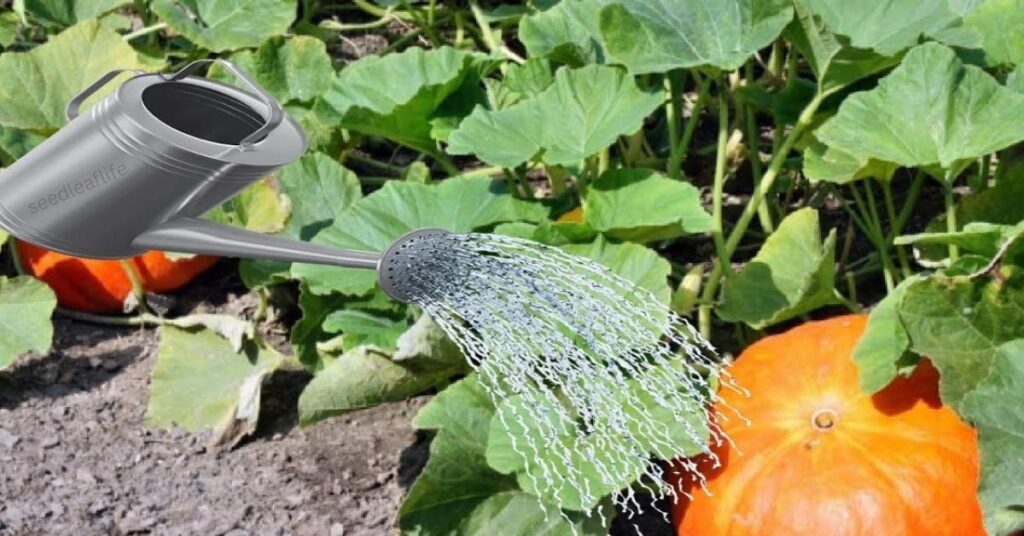
How often to water pumpkin plants
Pumpkin plants need about 1–2 inches of water per week. Check soil moisture regularly by inserting a finger a few inches into the soil. If the soil feels dry, water the plant deeply but avoid frequent shallow watering.
Required sunlight hours
Pumpkin plants require at least 6–8 hours of direct sunlight daily for healthy growth. Place the pot in a sunny location such as a balcony or patio when learning how to plant pumpkin seeds in pots.
Avoid overwatering problems
Overwatering can cause root rot and damage pumpkin plants. Always keep the soil moist but not waterlogged. Water deeply but less frequently to encourage strong root development and better plant growth. Protect young pumpkin plants from extremely harsh afternoon sunlight if the temperature is too high.
Fertilizer and Nutrient Management
Organic fertilizer options
Use organic fertilizers to promote healthy pumpkin growth. Good options include compost, vermicompost, and well-rotted manure, which provide essential nutrients and improve soil fertility. Add fertilizer carefully to avoid harming the plant roots when learning how to plant pumpkin seeds in pots.
Feeding schedule for pumpkin plants
Feed pumpkin plants every 2–3 weeks during the growing season. Start fertilizing when seedlings develop a few true leaves. Avoid excessive fertilizer use because it can lead to weak plant growth or leaf problems.
Signs of nutrient deficiency
Watch for signs of nutrient deficiency such as yellowing leaves, slow growth, or weak vines. If you notice these symptoms, add organic compost or balanced fertilizer to improve plant health. Maintaining proper nutrient levels is important for strong pumpkin plant development.
Common Pumpkin Plant Problems and Solutions
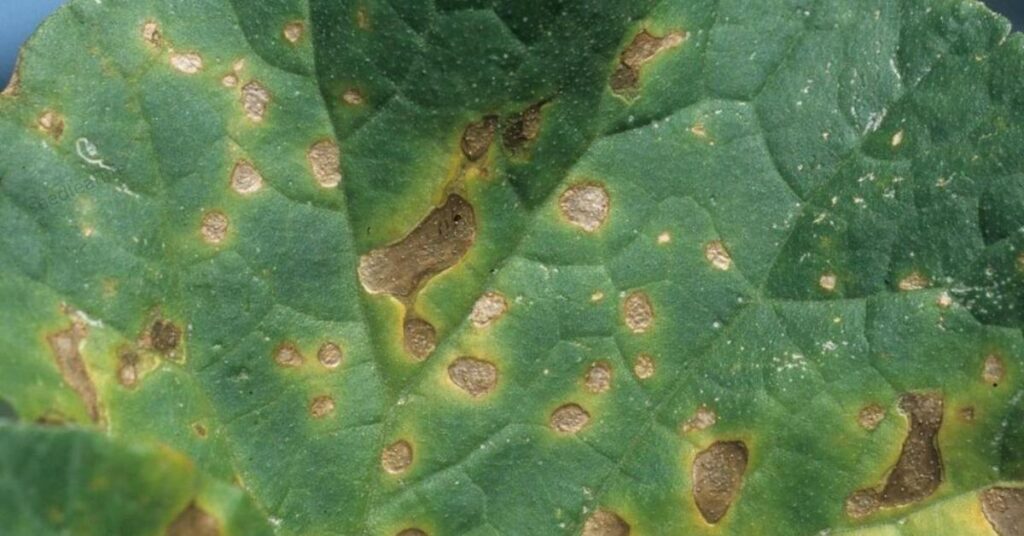
Pest control tips
Pumpkin plants can be affected by pests such as aphids and squash bugs. You can control pests naturally by attracting beneficial insects like ladybugs or spraying a mixture of soap water on the affected leaves and stems.
Regularly check your plants to catch pest problems early when growing pumpkins in pots.
Disease prevention
To prevent plant diseases, ensure proper air circulation around the pumpkin plant by avoiding overcrowding. Use fresh and disease-free soil when planting pumpkin seeds and practice crop rotation if possible. These steps help reduce fungal growth and soil-borne diseases.
Leaf yellowing issues
Yellowing leaves may indicate overwatering or nutrient deficiency. If leaves turn yellow, check soil moisture and reduce watering if the soil is too wet. Adding balanced organic fertilizer can help restore nutrients and support healthy growth while learning how to plant pumpkin seeds in pots.
Harvesting Pumpkin from Pots
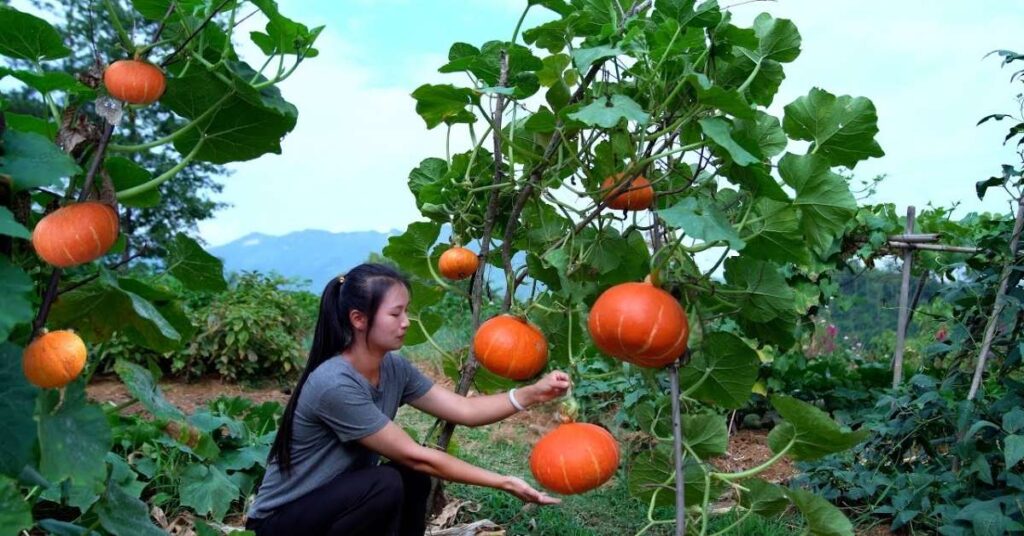
When to harvest pumpkins
Pumpkins are usually ready for harvest 75–100 days after planting, depending on the pumpkin variety. Harvest your pumpkin when it reaches full size and shows mature color.
How to identify mature pumpkin
A mature pumpkin usually has a deep orange color (or the natural color of the variety you are growing). The skin should be hard and firm when pressed gently. If the skin does not dent easily, the pumpkin is ready to harvest.
Harvesting method
Use a sharp knife or garden scissors to cut the pumpkin from the vine. Leave about 4–6 inches of stem attached to the pumpkin to help with storage and prevent damage.
Handle the pumpkin carefully to avoid bruising. Following the steps of how to plant pumpkin seeds in pots will help you grow healthy pumpkins and enjoy a good harvest.
Conclusion
Growing pumpkins in pots is a simple and rewarding gardening activity for beginners and experienced gardeners alike. By choosing the right pot, preparing good soil, and providing enough sunlight and water, you can successfully grow pumpkin plants at home.
Following the guide on how to plant pumpkin seeds in pots will help you enjoy healthy plant growth and a good harvest.
Home gardening is a great way to connect with nature and experience the satisfaction of growing your own food. Start your pumpkin planting journey today and enjoy the beauty and freshness of homegrown pumpkins.
FAQs
How long do pumpkin seeds take to grow in pots?
Pumpkin seeds usually take about 7–14 days to germinate in pots, depending on temperature, moisture, and soil conditions.
Can pumpkins grow in small pots?
Pumpkins can start growing in small pots, but they need large containers (at least 5 gallons or more) for better root development and plant growth.
How many pumpkin seeds should I plant per pot?
It is best to plant 1–2 pumpkin seeds per pot. Later, you can keep the healthiest seedling and remove the weaker one.
How often should I water my pumpkin plants?
Water pumpkin plants about once a week or whenever the top layer of soil feels dry.
Can I grow pumpkins indoors?
Yes, pumpkins can be grown indoors if they receive enough sunlight and enough space for vine growth.