
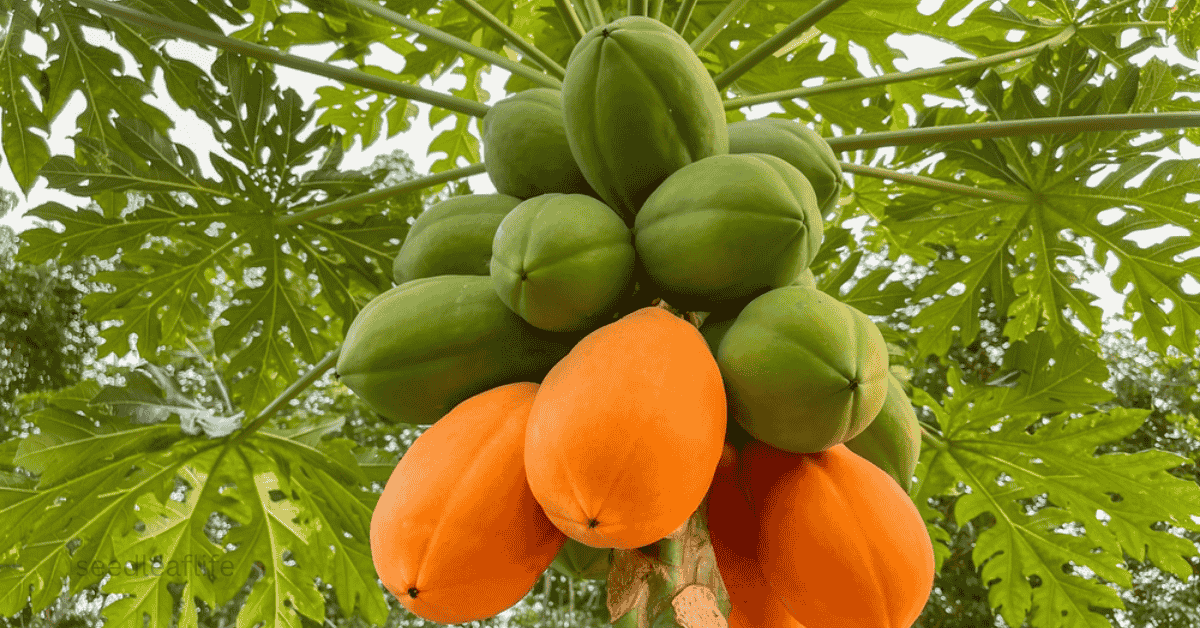
Papaya trees can grow up to 30 feet tall and bear fruit in just a year. Choosing the right variety is crucial for anyone looking to cultivate these tropical gems in their garden. In this article, we’ll explore sweet, dwarf, and tropical papaya varieties, helping you find the perfect fit for your space and taste.
Whether you’re a seasoned gardener or a curious beginner, understanding the nuances of papaya trees can transform your gardening experience. Dive in, and let’s unlock the secrets to thriving papaya cultivation together!
Why Grow Papaya Trees in Your Garden?
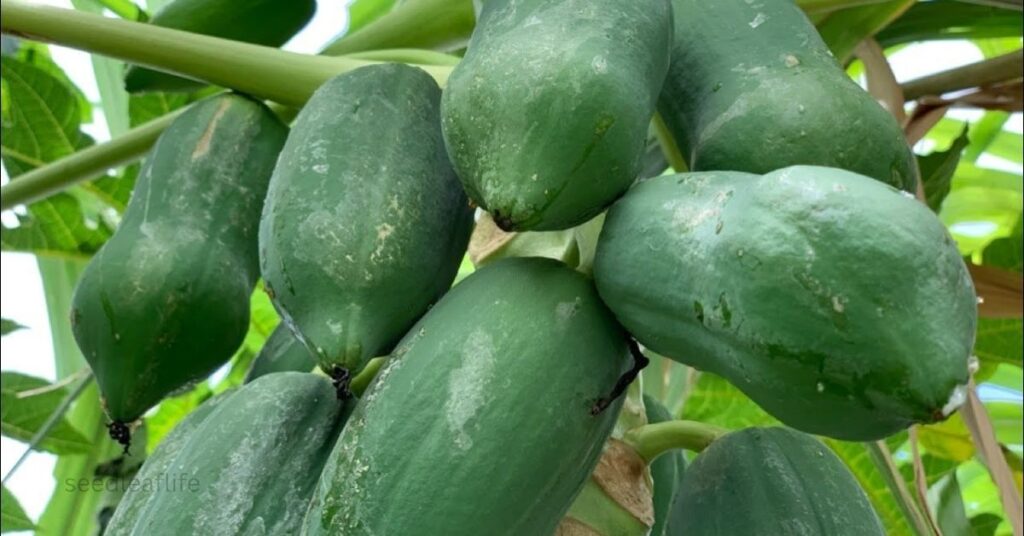
Nutritional benefits of papaya fruit
Growing papaya trees in your garden can be a game-changer, especially when it comes to nutrition. Papayas are packed with vitamins A and C, which can boost your immune system and keep your skin glowing.
They also contain enzymes that aid digestion, making this sweet fruit not just tasty but beneficial for your health. Imagine stepping into your backyard to pick a fresh papaya that’s bursting with flavor and nutrients, ready to be sliced for breakfast or added to smoothies.
Fast growth and high yield
One of the best things about papaya trees is their rapid growth and impressive yield. In just a few months, you can go from a tiny seed to a fruit-bearing tree, often yielding multiple fruits at a time.
This means that not only will you enjoy the fruit yourself, but you can share it with friends and family — or even neighbors!
Adaptability in home gardens and tropical climates
Papaya trees thrive in tropical climates and adapt well to home gardens, making them a perfect choice for both novice and seasoned gardeners.
With minimal care, these trees can turn your garden into a lush paradise, filled with vibrant green leaves and bright orange fruits, bringing both beauty and bounty to your outdoor space.
Types of Papaya Trees
Sweet Papaya Trees
Sweet papaya trees are beloved for their delectable, honey-like fruit that’s packed with flavor. Varieties like the Hawaiian Sunrise and the Solo are particularly popular, thanks to their vibrant orange flesh and luscious sweetness.
These trees typically grow well in warmer climates, thriving in USDA zones 9 through 11, where temperatures stay above 60°F. They prefer well-draining soil rich in organic matter, making sandy loam a perfect choice for planting.
If you’re considering sweet papaya trees for your garden, you’re in for a treat — both literally and figuratively. Not only do they add a tropical flair to your backyard, but homegrown papayas can also be plucked fresh, ensuring maximum sweetness and nutrition.
They’re self-pollinating, which means you can grow them successfully even in smaller spaces, making them ideal for home consumption and gardening enthusiasts alike. With just the right conditions, you’ll enjoy a continuous supply of this tropical delight!
Dwarf Papaya Trees
Dwarf papaya trees are a fantastic choice for gardeners with limited space. Unlike their taller relatives, these compact versions grow to about 3 to 6 feet, making them perfect for small gardens, patios, or even balconies. They fit nicely in tight spots, allowing anyone to enjoy the benefits of fresh fruit without needing a large yard.
These little trees are not just space-savers, they also produce tasty fruit! Dwarf papayas typically bear fruit within a year of planting, giving you delicious, sweet papayas in no time. Their growth habits are unique too, with a sturdy trunk that supports abundant fruit, making them both pretty and productive.
Whether you’re growing them in pots or in the ground, dwarf papaya trees bring vibrant color and tasty treats to your home. Plus, they’re relatively easy to care for, so even beginner gardeners can enjoy their fruits of labor!
Tropical Papaya Trees
Characteristics of tropical varieties
Tropical papaya trees are truly a marvel of nature. They grow tall, often reaching up to 10 feet, and have wide, vibrant green leaves that catch the eye. These trees are not just pretty, they also produce delicious fruit in abundance.
High yield and large fruit size
With the right care, a healthy papaya tree can give you dozens of fruits each year, making it a rewarding addition to any garden. The fruits are large and sweet, with a soft texture that melts in your mouth, tempting anyone who walks by.
Suitable for tropical and subtropical regions
Growing papaya trees is perfect for tropical and subtropical regions. They thrive in warm climates and love a lot of sunshine. If you live in such areas, you might find that these trees are easy to grow and maintain. Plus, they can provide fresh fruit right from your backyard. Whether you want to enjoy the fruit fresh, in smoothies, or in salads, papaya trees can deliver all that and more!
How to Choose the Right Papaya Tree for Your Garden
Consider garden size (dwarf vs. tall)
Choosing the right papaya tree for your garden can really make a difference. If you have a small space, consider a dwarf variety. These trees grow to about three to four feet tall, making them perfect for smaller yards or even patios.
On the other hand, if you have room to spare and want a striking feature, a tall papaya tree can grow up to ten feet or more. Just think about your garden size and what fits best.
Check climate suitability
Next, check if your climate matches the needs of the papaya. Some varieties love the heat, while others are better suited for cooler areas. Always look for trees that can thrive in your local weather.
Decide based on fruit taste preferences (sweet vs. standard)
Lastly, think about the taste you love. If you enjoy sweet, juicy fruit, go for varieties known for their rich flavor. If you prefer a more standard taste, there are many options that will still delight your palate. With the right choice, you can enjoy fresh papayas right from your garden!
Planting and Growing Papaya Trees
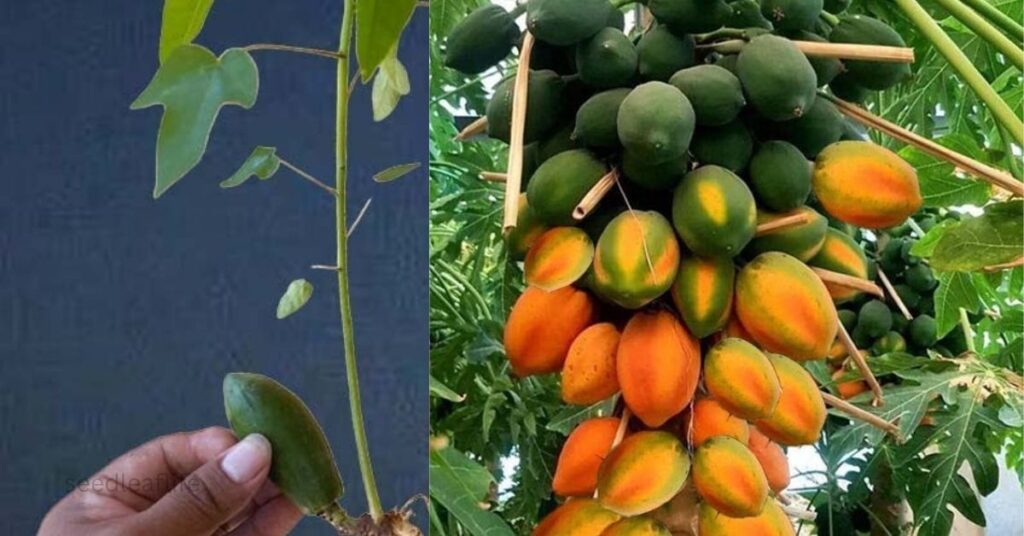
Step-by-step planting from seeds or seedlings
Planting papaya trees can be a rewarding experience. Start by choosing seeds or healthy seedlings. If you’re using seeds, soak them in water for a day to help them germinate faster.
Soil preparation and fertilization
Prepare your soil by mixing it with compost or well-rotted manure. Papaya trees thrive in sandy, well-draining soil, so make sure it’s light and airy to avoid waterlogged roots.
Watering and sunlight requirements
Water your papaya tree regularly but let the soil dry between waterings. These trees love sunshine, so pick a spot with at least 6-8 hours of direct sunlight each day.
Common pests and diseases
Keep an eye out for common pests like aphids or whiteflies. If you notice yellowing leaves or spots, it might be a sign of disease. Treating these issues early can help keep your papaya tree healthy and happy.
Caring for Papaya Trees
Pruning tips for better growth
To keep your papaya trees thriving, regular pruning is key. Start by removing any dead or damaged leaves and branches. This helps the tree focus its energy on new growth. Aim to prune a little every few months, especially during the growing season. Healthy airflow can prevent pests and diseases, too!
Fertilizing schedule
When it comes to fertilizing, a balanced fertilizer works wonders. Apply it every six to eight weeks during the growing season. Look for something high in nitrogen to boost growth, but don’t forget potassium and phosphorus for flowering and fruiting. If you notice yellowing leaves, it might be time for a little extra nitrogen.
Tips for faster flowering and fruiting
To speed up flowering and fruiting, ensure your papaya trees get plenty of sunshine — at least six hours a day. Adding organic matter, like compost, can also help. It enriches the soil, providing nutrients that promote quicker blooms.
And remember, watering is crucial! Keep the soil consistently moist, but be careful not to overdo it. Happy gardening!
Harvesting and Enjoying Papaya Fruits
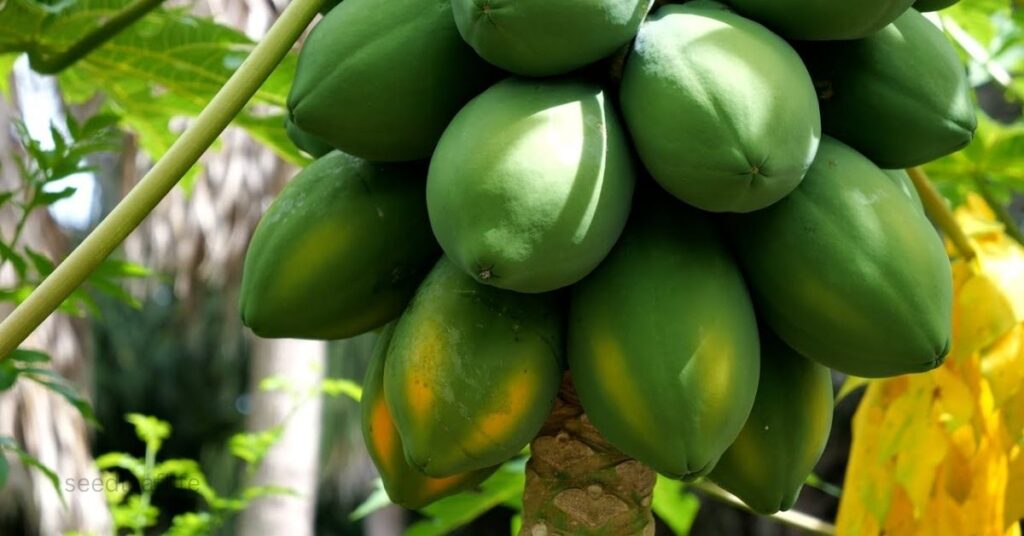
Signs that fruit is ready to harvest
When it comes to harvesting papaya fruits, timing is everything. Look for signs like a change in color, ripe papayas will turn from green to a warm yellow or orange hue. Gently pressing the fruit should give slightly, signaling it’s ready to be picked. Another tip? Watch for the fruit to drop from the tree, it’s a natural sign that it’s at its peak.
Harvesting techniques
When harvesting, use a sharp knife or scissors to avoid damaging the papaya tree. Cut the fruit with a bit of stem left attached, this helps it last longer.
Storing and consuming papaya
After picking, storing your ripe papaya is simple. Keep it at room temperature for a couple of days to enhance its flavor. Once it’s fully ripened, pop it in the fridge to prolong freshness. Enjoy it sliced, blended into smoothies, or as a sweet addition to salads — it’s refreshing and packed with nutrients. Whether fresh or blended, papaya is a delicious treat that brightens any meal!
Tips for Maximum Yield
Proper spacing and garden layout
To get the most from your papaya trees, proper spacing and garden layout are key. These trees need room to grow and soak up sunlight. Aim for at least 8 to 10 feet between each tree. This spacing helps air circulate, preventing pests and diseases, and leads to healthier, more fruitful plants.
Companion planting suggestions
Companion planting can also boost your yield. Try planting marigolds nearby, they naturally deter harmful insects that might bother your papaya. Also, consider growing beans alongside your papayas.
They add nitrogen to the soil, which benefits your trees. This synergy can create a thriving garden ecosystem.
Seasonal care tips
Seasonal care is crucial for healthy papaya trees. During the warmer months, ensure they receive plenty of water without getting waterlogged. In cooler seasons, adding mulch can help retain moisture and keep roots warm.
Regularly check for signs of pests or disease, and address them quickly. With these tips, your papaya trees will thrive, and you’ll enjoy a bountiful harvest!
Conclusion
In summary, we’ve explored the sweet, dwarf, and tropical varieties of plants that can brighten your garden. Each type has its own charm and benefits, making them perfect for different spaces and climates.
Now is a great time to start planting these varieties and watch your garden come to life. Don’t be afraid to get your hands dirty and experiment! Choose the right variety for your garden today, and enjoy the fruits of your labor!
FAQs:
How to grow a papaya tree from a seed?
Soak seeds 24 hours, plant in well-drained soil, keep moist and in sunlight. Germination in 2–3 weeks.
How to care for a papaya tree?
Water regularly, give sunlight, fertilize every 6–8 weeks, prune dead leaves, protect from pests.
How to convert a male papaya tree to female?
Male cannot be converted, plant hermaphrodite seeds for female fruiting.
How long do papaya trees live?
Typically 3–5 years, with peak fruiting in 1–3 years.
What is the lifespan of a papaya tree?
3–5 years, some survive up to 7 years under ideal conditions.
When do papaya trees start bearing fruit?
Usually 6–12 months after planting.
Can papaya grow in pots?
Yes, especially dwarf varieties.
How much sunlight does a papaya tree need?
At least 6 hours daily.