
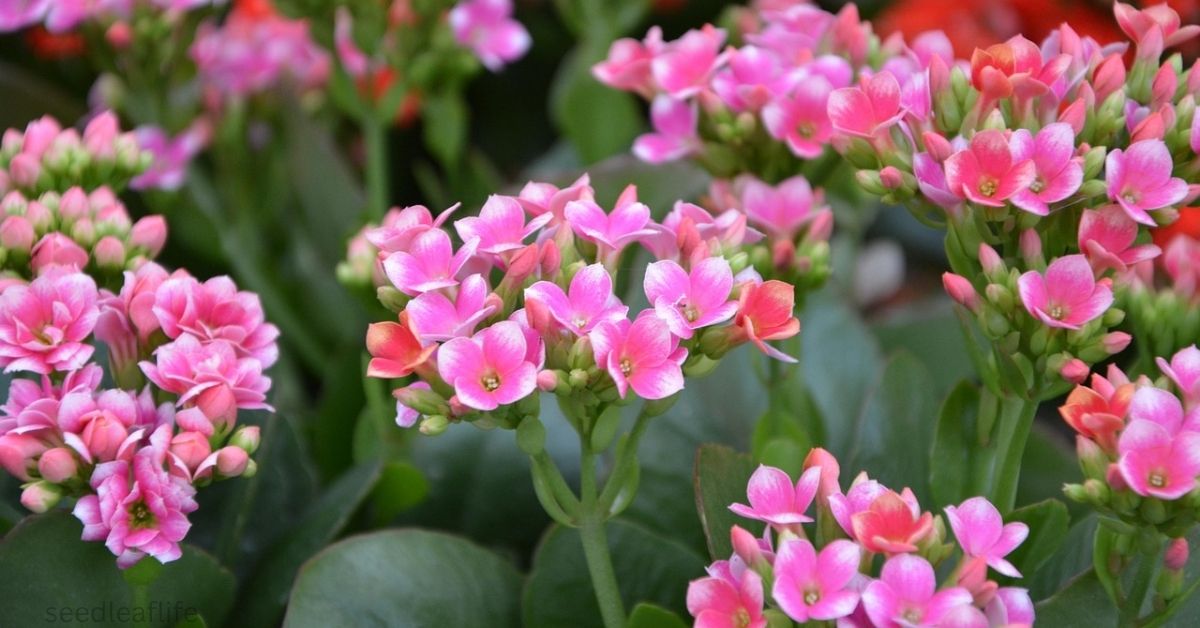
If you’re looking for a beautiful, low-maintenance plant that instantly brightens your space, the Calandiva plant is a perfect choice. With its rose-like flowers and long-lasting blooms, it’s ideal for beginners and busy plant lovers alike.
In this complete guide, you’ll learn everything—from basic care to blooming secrets—so your plant stays healthy and vibrant all year round.
Calandiva Basics
Calandiva is a special variety of kalanchoe, known for its double-petaled flowers that resemble tiny roses. Unlike regular kalanchoe plants, its blooms are fuller, more colorful, and last much longer.
Why people love Calandiva:
- Long-lasting blooms (up to 6–8 weeks)
- Low maintenance care
- Perfect for indoor decoration
- Great as a gift plant
It’s a succulent, meaning it stores water in its thick leaves—so it doesn’t need frequent watering.
What Is Calandiva Kalanchoe?
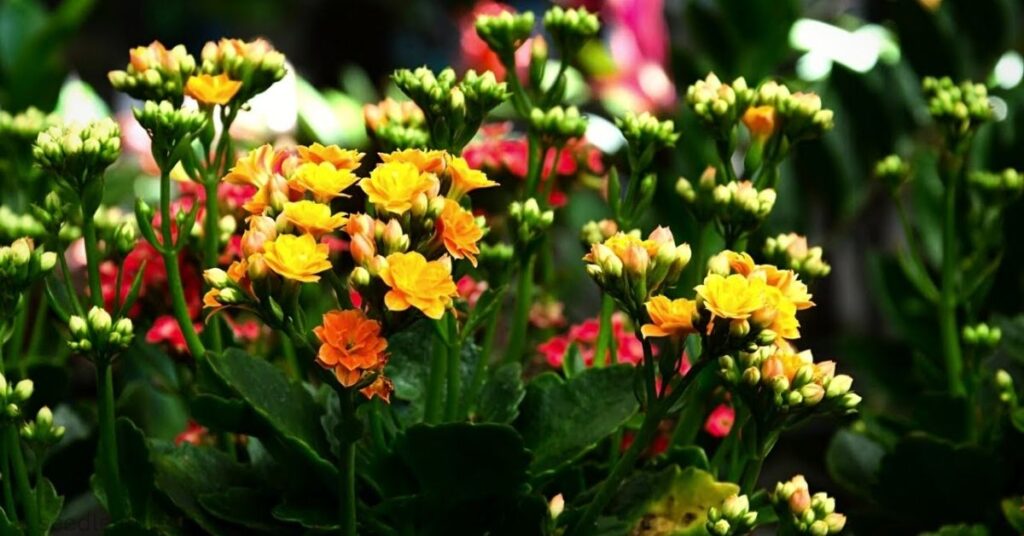
Calandiva is a hybrid succulent plant developed for ornamental use. It thrives in warm conditions and naturally blooms during cooler seasons like winter and early spring.
Its ability to survive with minimal care makes it one of the best beginner-friendly flowering plants.
Indoor or Outdoor Use
Calandiva can grow both indoors and outdoors, but it performs best indoors.
Indoors:
- Place near a bright window
- Keep away from harsh direct sunlight
Outdoors:
- Choose partial shade
- Protect from extreme heat and frost
Tip: If you live in a hot climate, indoor placement is safer.
Lifespan and Growth Cycle
With proper care, a Calandiva plant can live for several years.
Its growth cycle includes:
- Blooming phase (once or twice a year)
- Rest phase (after flowers fade)
During the resting period, growth slows—but this is completely normal.
Watering and Soil Care
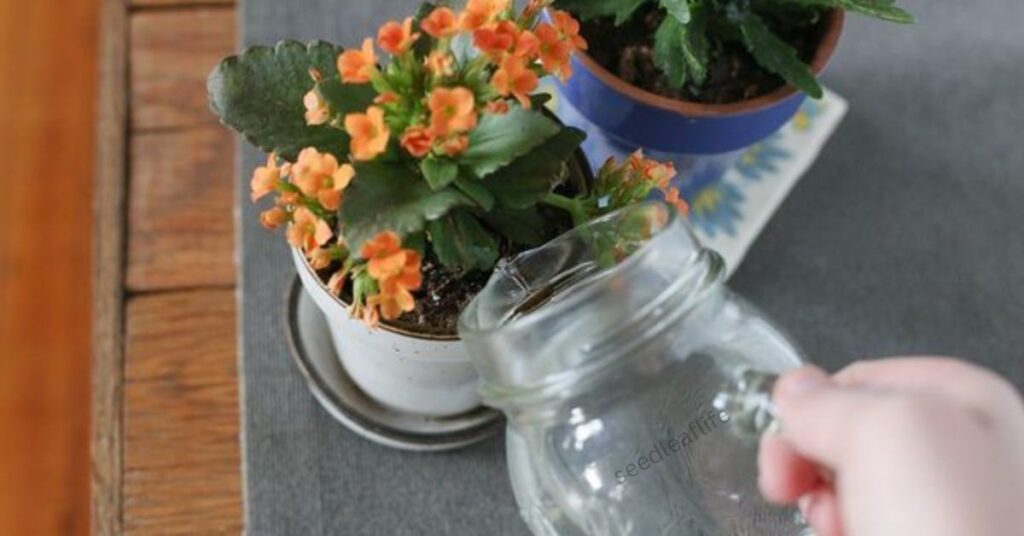
Watering is where most people go wrong.
The golden rule: Less is better than too much
Watering Schedule
- Water only when the top soil feels dry
- Usually every 7–10 days
- Reduce watering in winter
Overwatering is the cause of plant death
Best Soil Mix
Calandiva needs fast-draining soil.
Use:
- Succulent or cactus mix
- Add perlite or sand for better drainage
Avoid heavy garden soil—it traps water and damages roots.
Signs of Overwatering
Watch out for:
- Yellow or soft leaves
- Mushy stems
- Bad smell from soil
Quick fix:
- Stop watering immediately
- Let soil dry completely
- Improve drainage
Light and Temperature Needs
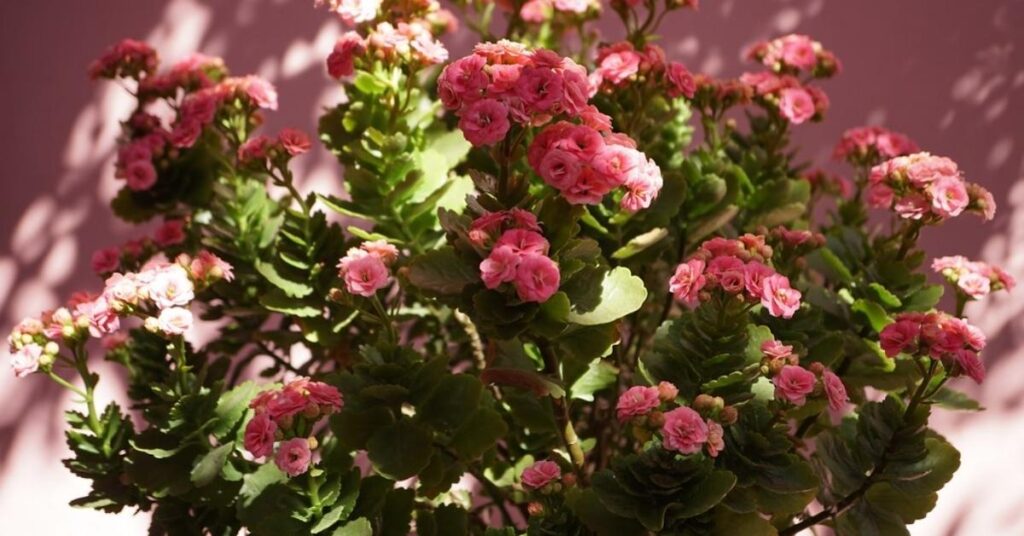
Light plays a major role in flowering.
Sunlight Requirements
- Bright, indirect light is ideal
- A few hours of gentle morning sun is fine
- Avoid strong afternoon sunlight
Best location: east or south-facing window
Ideal Temperature
- Perfect range: 15°C to 25°C
- Avoid cold drafts and sudden temperature drops
Can It Survive Low Light?
Yes—but with limitations:
- Slower growth
- Fewer or no flowers
Use artificial grow lights if needed
Blooming and Flower Care
The biggest reason people buy Calandiva is its flowers.
Let’s keep them coming
How to Make Calandiva Bloom Again
After blooming, the plant needs a “reset.”
Follow this simple trick:
- Keep the plant in darkness for 12–14 hours daily
- Continue this for 5–6 weeks
- Then return to normal light
This process triggers new buds.
Deadheading Flowers
Remove faded flowers regularly.
This helps:
- Encourage new blooms.
- Keep the plant looking fresh.
Fertilizer Tips
- Use a balanced liquid fertilizer.
- Feed once a month during growing season.
Avoid overfeeding—it can harm the plant
Propagation and Repotting
Want more plants? Good news—it’s easy.
Propagation from Cuttings
Steps:
- Cut a healthy stem.
- Let it dry for 1–2 days.
- Plant in well-draining soil.
- Water lightly.
Roots will develop within a few weeks.
Repotting Guide
- Repot every 1–2 years.
- Choose a slightly bigger pot.
- Ensure proper drainage holes.
Best Pot Size
- Use small to medium pots.
- Large pots hold excess water.
Too much space = higher risk of root rot.
Problems and Solutions
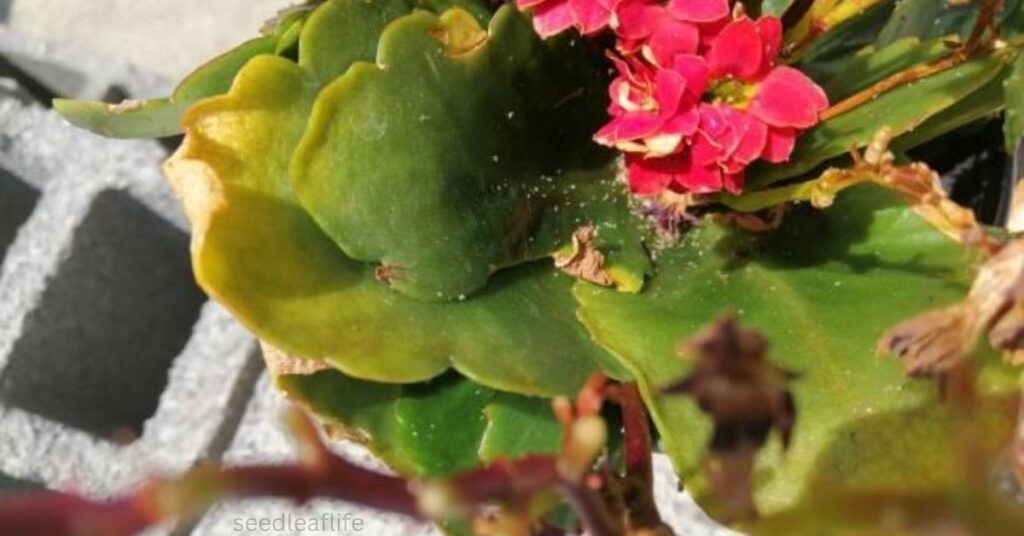
Even easy plants face issues sometimes.
Common Pests
Watch for:
- Aphids
- Mealybugs
Solution:
- Use neem oil spray
- Clean leaves regularly
Why Leaves Turn Yellow
Main causes:
- Overwatering
- Poor drainage
Fix watering habits to solve this quickly
Drooping Leaves
This usually means:
- Too much OR too little water
Always check soil before watering.
Buying and Decor Ideas
Choosing the right plant makes a big difference.
Where to Buy
- Local nurseries
- Trusted online plant stores
Always check plant condition before buying
Healthy Plant Checklist
Before buying, look for:
- Bright green leaves
- No pests or spots
- Strong, firm stems
Gift Ideas
Calandiva makes a perfect gift for:
- Birthdays
- Housewarming
- Office desks
Its colorful blooms make it memorable.
Decor Tips
Make your plant stand out:
- Use ceramic or minimal pots
- Place on tables, shelves, or windows
It instantly adds life to any space
Final Tips for Success
Keep these simple rules in mind:
- Don’t overwater
- Give bright light
- Use well-draining soil
Follow these basics, and your Calandiva will thrive beautifully
Conclusion
Calandiva Plant is a beautiful, low-maintenance flowering succulent that is perfect for beginners as well as plant lovers who want long-lasting blooms with minimal effort. With the right balance of bright indirect light, proper watering, and well-draining soil, this plant can thrive and bloom multiple times a year.
By following simple care routines like avoiding overwatering, providing suitable temperature, and occasional feeding, you can keep your Calandiva healthy, vibrant, and full of colorful flowers. Whether you grow it indoors or use it as a decorative gift plant, it will always add natural beauty and freshness to your space.
FAQs
How often should I water Calandiva?
Every 7–10 days, depending on soil dryness.
Why is my Calandiva not flowering?
It may need a dark period to trigger blooming.
Is Calandiva good for beginners?
Yes, it’s one of the easiest flowering plants to grow.
With the right care, your Calandiva plant will reward you with stunning blooms and long-lasting beauty.
How do you keep Calandiva blooming?
Give bright light, remove dead flowers, water lightly, and use a 12–14 hour dark cycle for reblooming.
Is Calandiva indoor or outdoor?
Best as an indoor plant, but can grow outdoors in mild conditions.
How long do Calandiva plants bloom?
About 6–8 weeks.
How to care for Calandiva indoors?
Bright light, water every 7–10 days, well-draining soil, and avoid overwatering.