Have you ever come across a lily of the valley flower pink and wondered… is this real or just another internet illusion? That soft, dreamy pink version of a flower traditionally known for its pure white bells feels almost too magical to exist.
And honestly, that curiosity is exactly what makes this topic so fascinating.In this article, you’ll discover everything you need to know about this beautiful and mysterious plant.
From understanding whether pink varieties are real, to learning how to grow and care for them, to uncovering myths like “rainbow lily of the valley,” we’ll go deep into every detail.
If you’re a plant lover, gardener, or just someone who appreciates rare beauty, this guide will feel like uncovering a hidden treasure.
What Is Lily of the Valley Flower Pink?
The lily of the valley is a small, delicate flowering plant known for its bell-shaped blooms and sweet fragrance. Its scientific name is Convallaria majalis, and it has been admired for centuries in gardens, perfumes, and even royal bouquets.
Traditionally, this plant produces pure white flowers, symbolizing purity, happiness, and renewal.
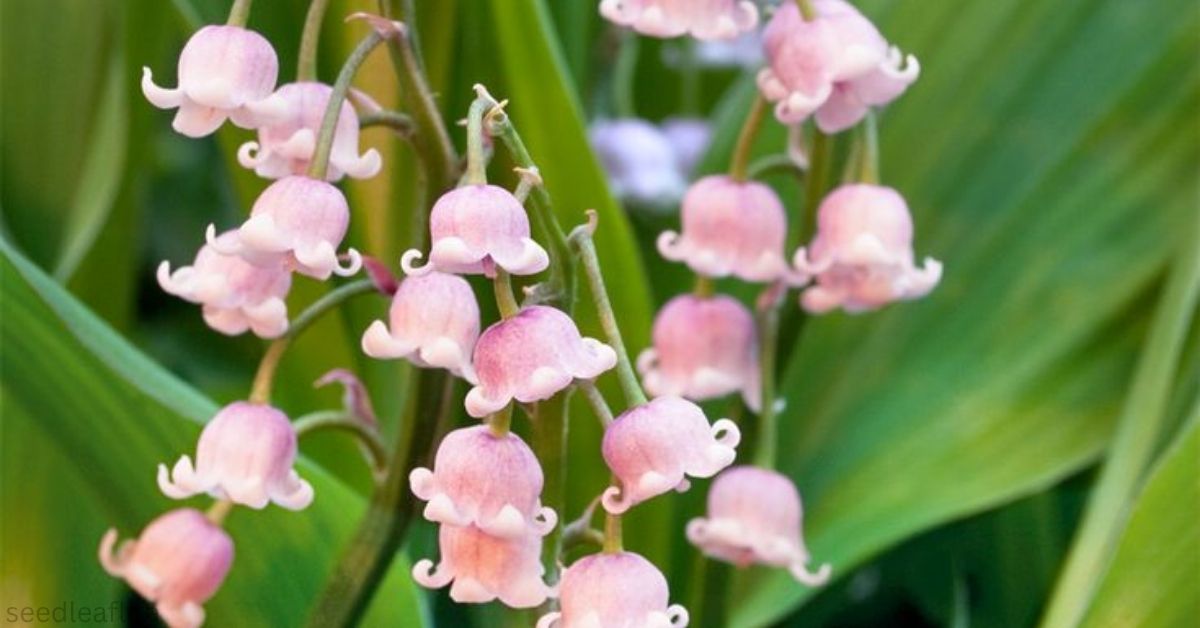
Now here’s where things get interesting—the lily of the valley flower pink is actually a variation of this classic plant. While the white version dominates nature, there is a rare cultivar that produces a soft blush pink shade instead of white.
This pink variation isn’t loud or vibrant like roses or tulips—it’s subtle, almost shy, like a whisper of color on delicate petals.
The main difference between the traditional white and pink varieties lies in pigmentation. The structure, fragrance, and growth habits remain nearly identical.
So if you’re imagining a completely different plant, think again, it’s the same elegant species, just wearing a softer, rosier tone.
Is There a True Pink Lily of the Valley?
Let’s clear the confusion right away: YES, a true pink lily of the valley exists—but it’s extremely rare.
The pink version is known as the cultivar “Rosea.” Unlike many viral images online that show bright, almost neon pink flowers, the real Rosea variety produces a very soft, pale pink color.
If you’re expecting bold Barbie-pink blooms, you might be disappointed. But if you love subtle elegance, this plant is breathtaking.
So while the lily of the valley flower pink is real, it’s important to understand that its beauty lies in its softness—not in exaggerated colors.
Rosea Lily of the Valley Explained
The name “Rosea” comes from Latin, meaning rosy or pinkish. And that perfectly describes this variety. Instead of the classic white bells, Rosea produces flowers with a gentle blush tone, often so light that it appears almost white in certain lighting.
What makes Rosea special is its rarity. It’s not commonly found in local nurseries, and even online, it can be difficult to source genuine plants.
This scarcity adds to its charm—owning a lily of the valley flower pink feels like having a hidden gem in your garden.
Another reason it’s uncommon is its slower propagation compared to the white variety. While traditional lily of the valley spreads aggressively, Rosea tends to grow more modestly, making it less invasive but also less available.
Lily of the Valley Colors
When we talk about the lily of the valley flower pink, it’s important to understand the full color spectrum of this plant:
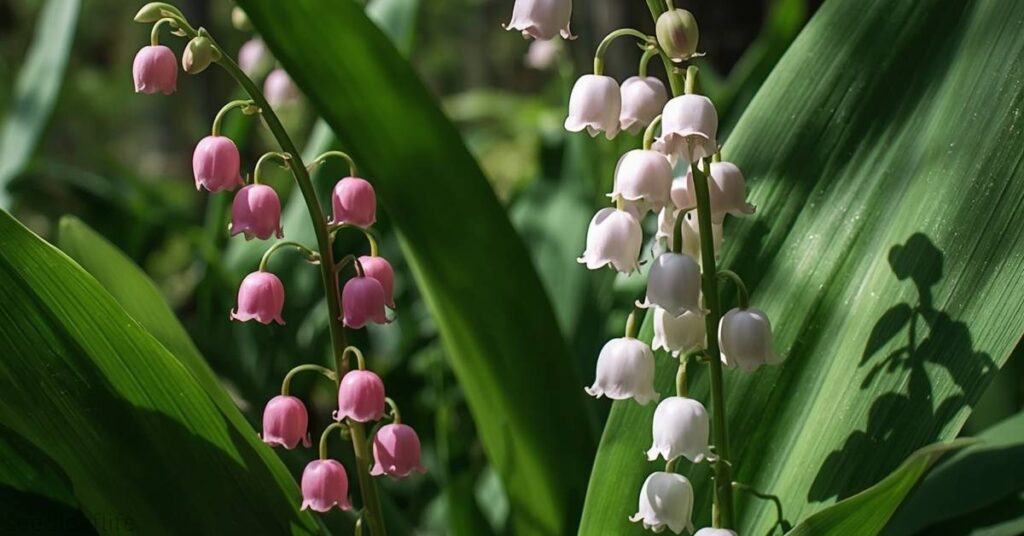
- White (Most Common): The natural and widely recognized form. Bright, clean, and classic.
- Soft Pink (Rosea): Rare and subtle. A delicate variation rather than a dramatic shift.
- Cream/Off-White: Sometimes flowers may appear slightly creamy depending on soil and lighting conditions.
So why don’t we see bright pink naturally? It comes down to genetics. The plant lacks the pigments required to produce strong pink or red tones. That’s why any image showing intense colors is likely edited or artificially altered.
Nature often favors subtlety over boldness—and the lily of the valley flower pink is a perfect example of that quiet elegance.
Pink Lily of the Valley vs Look-Alike Flowers
Here’s something many people overlook: several flowers resemble the lily of the valley flower pink, leading to confusion.
Pink Hyacinth
Hyacinths grow in clusters and have a thicker, denser look. Their scent is also stronger and slightly different. Unlike lily of the valley, they don’t have those signature drooping bell shapes.
Pink Bluebells
These are closer in shape but still differ in structure. Bluebells grow more loosely, and their flowers are more elongated and open compared to the compact bells of lily of the valley.
False Lily of the Valley
This plant mimics the look but lacks the same fragrance and botanical identity. It’s often mistaken for the real thing but belongs to a different species altogether.
Understanding these differences helps you avoid confusion—especially when buying plants online.
11+ Amazing Facts About Lily of the Valley Flower Pink
The lily of the valley flower pink is not just pretty—it’s full of fascinating traits:
- It’s extremely rare in nature.
- Symbolizes happiness and renewal.
- Has a strong, sweet fragrance.
- Blooms in early spring.
- Thrives in shaded areas.
- Widely used in luxury perfumes.
- It’s actually a toxic plant.
- Spreads quickly through underground rhizomes.
- Requires low maintenance.
- Popular in wedding bouquets.
- Has deep historical significance.
- Can live for many years once established.
Each of these facts adds another layer to its charm, making it more than just a decorative plant.
Growing Lily of the Valley in Pots
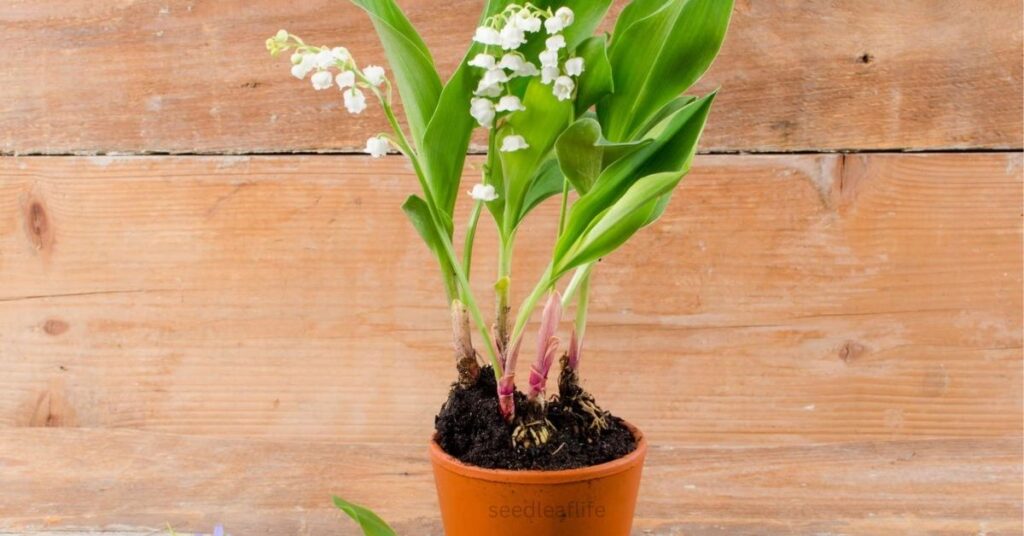
Growing lily of the valley in pots is a fantastic option if you don’t have a large garden. Start with a medium-sized pot that allows roots to spread comfortably.
The soil should be rich, moist, and well-drained. Think of it like a sponge—it should hold water without becoming soggy. Water regularly, but avoid overwatering, as this can damage the roots.
Place the pot in partial to full shade, since direct sunlight can scorch the delicate leaves. Temperature-wise, the plant prefers cool climates, making it ideal for indoor setups in warmer regions.
For indoor growing, keep the pot near a window with indirect light. It’s like giving the plant a cozy corner where it can thrive without stress.
How to Care for Pink Lily of the Valley
Caring for a lily of the valley flower pink isn’t complicated, but it does require attention to detail.
Water it consistently, keeping the soil moist but not waterlogged. Fertilize lightly during the growing season to encourage healthy blooms. Prune dead leaves to maintain cleanliness and prevent disease.
During winter, the plant naturally goes dormant. This rest period is crucial, so don’t panic if it seems inactive. Repot every few years to refresh the soil and give roots more space.
Think of it like caring for a quiet, low-maintenance guest—it doesn’t demand much, but it appreciates consistency.
Common Problems and Solutions
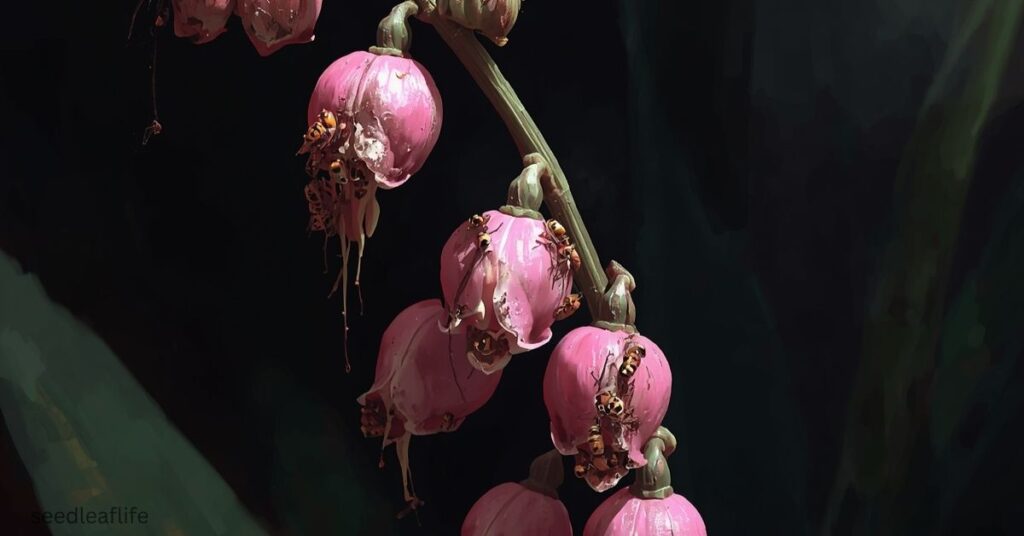
Even hardy plants face issues:
- Yellow leaves: Usually caused by overwatering.
- No blooms: Lack of cold dormancy period.
- Over-spreading: Control by dividing roots.
- Pests: Rare but possible, treat with mild insecticides.
Understanding these problems early can save your plant from long-term damage.
Is Lily of the Valley Toxic?

Yes, the lily of the valley flower pink is toxic to pets. Every part of the plant contains compounds that can cause serious health issues if ingested.
Symptoms include nausea, vomiting, dizziness, and even heart complications. That’s why it’s important to keep it out of reach of children and animals.
If you’re placing it indoors, choose a safe location—like a high shelf or a controlled garden area. Beauty comes with responsibility, and this plant is no exception.
Benefits and Garden Uses
Despite its toxicity, the plant offers incredible benefits:
- Acts as a ground cover
- Adds fragrance to gardens
- Perfect for decorative borders
- Ideal for shade gardens
It’s like a quiet performer—subtle but impactful.
Rainbow Lily of the Valley — Myth or Reality?
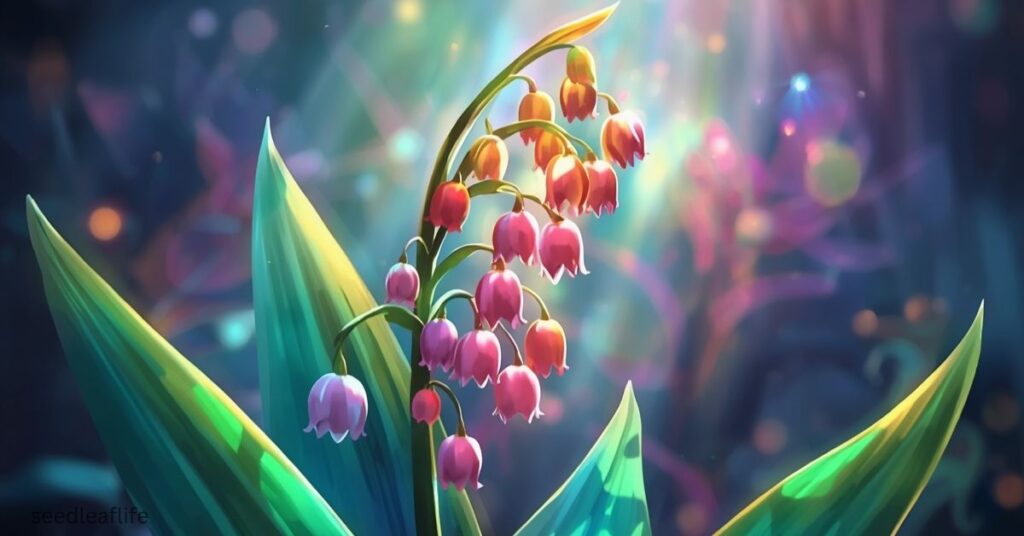
Let’s settle this once and for all: rainbow lily of the valley is NOT real.
Those colorful images you see online are either digitally edited or artificially dyed. Nature simply doesn’t produce such variations in this plant.
Social media often exaggerates beauty, but the real charm lies in authenticity—and the soft blush of the lily of the valley flower pink is proof of that.
FAQs:
Is there a true pink lily of the valley flower?
Yes, but it’s rare and appears as a soft blush, not bright pink.
What is rosea lily of the valley?
It’s a pink cultivar of lily of the valley with pale rosy flowers.
Why do some pink lily of the valley images look so bright?
Most are edited or artificially enhanced.
Can I grow pink lily of the valley plants at home?
Yes, especially in pots with proper shade and moisture.
What flowers look like pink lily of the valley?
Pink hyacinths, bluebells, and false lily varieties.
Is rainbow lily of the valley real?
No, it’s a myth created by edited images.
Conclusion
The lily of the valley flower pink is a perfect blend of mystery and elegance. It’s rare, subtle, and often misunderstood—but that’s exactly what makes it special. Whether you’re planning to grow it or simply admire its beauty, understanding the truth behind this flower adds a whole new level of appreciation.
If you love unique plants, this one deserves a place on your list. Not because it’s flashy—but because it proves that sometimes, the softest colors leave the strongest impressions.