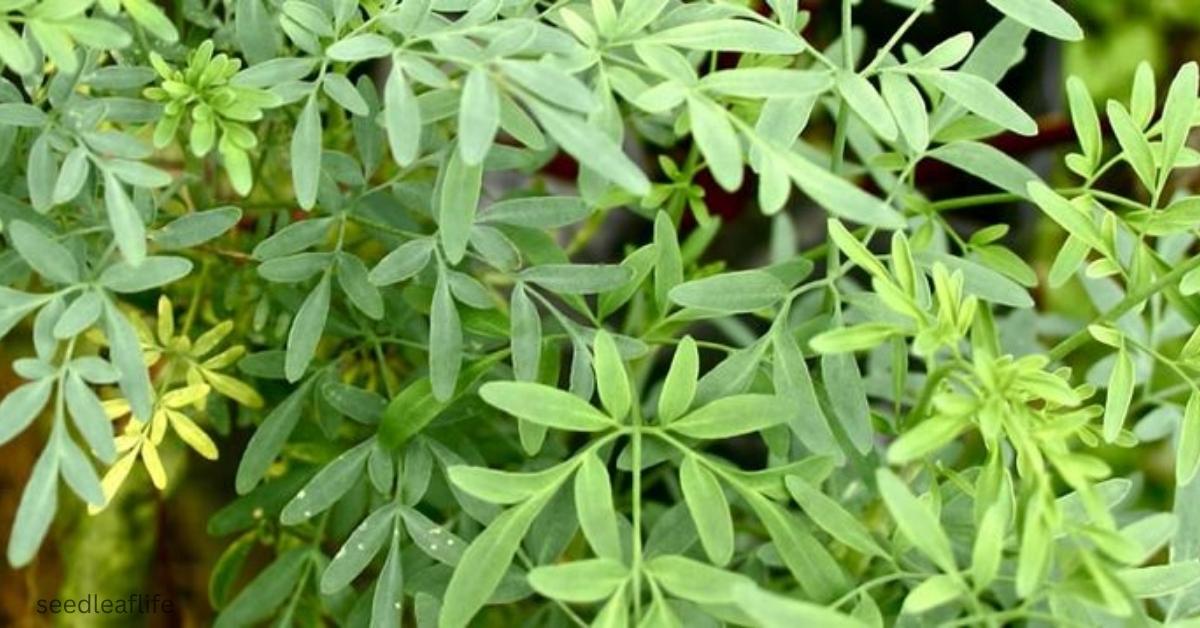
Today, the importance of the rue plant continues to thrive in various herbal practices, where it’s valued for its potential health benefits, including anti-inflammatory, digestive, and antioxidant properties.
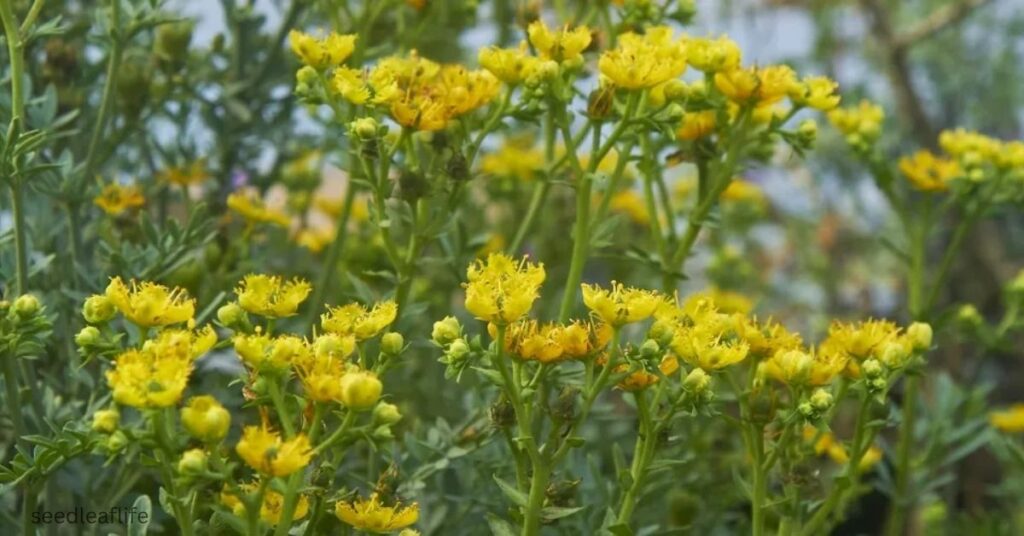
The Ruda plant, known scientifically as Ruta graveolens, is a perennial herb celebrated for its aromatic leaves and vibrant yellow flowers.
Native to the Mediterranean region, this hardy plant has a rich history dating back to ancient civilizations, where it was often associated with protection and purification.
Its name stems from the Latin word “ruta,” which translates to “to set free,” highlighting its traditional use in various cultures as a vital herb in cleansing rituals. It is also easy to grow, making it a popular choice as a houseplant.
What Makes the Ruda Plant So Special?
Unique Smell and Properties
The Ruda plant, often celebrated for its distinctive aroma, possesses a unique scent that many describe as both invigorating and calming.
This olfactory signature is attributed to its volatile oils, which are not only delightful but also recognized for their antimicrobial properties.
The smell of Ruda is often used in traditional rituals and cleansing ceremonies, believed to ward off negative energy and promote a sense of tranquility.
Medicinal + Spiritual Reputation
Beyond its fragrant allure, the Ruda plant enjoys a storied reputation in both medicinal and spiritual circles. Traditionally, it has been employed to alleviate ailments such as digestive issues and menstrual discomfort, showcasing its multifaceted utility.
Spiritually, many cultures consider Ruda a symbol of protection, often using it in talismans or sprinkling its leaves in sacred spaces to welcome positive energies.
Why People Still Grow It Today
The enduring popularity of the rue plant can be attributed to its deep-rooted associations with healing and purification, compelling individuals today to cultivate it not just for its beauty but for its transformative properties in daily life.
7 Surprising Benefits of the Ruda Plant
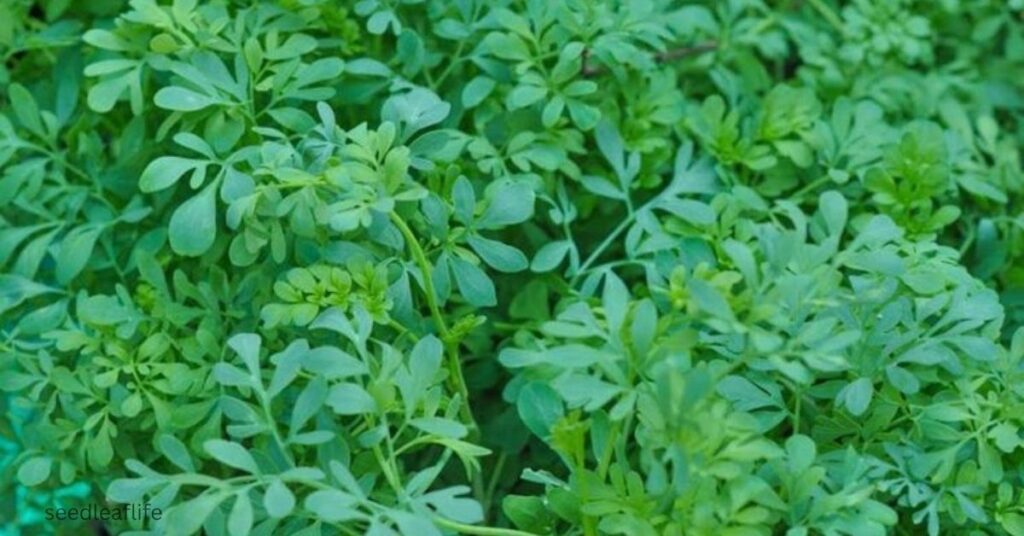
Natural Pain and Inflammation Relief
The Ruda, often hailed for its traditional medicinal applications, offers remarkable natural pain and inflammation relief. Rich in anti-inflammatory compounds, it has been utilized for centuries to ease discomfort from various ailments, such as arthritis and muscle soreness.
Its topical application is particularly effective, providing immediate relief and promoting faster recovery while minimizing reliance on conventional painkillers.
Powerful Natural Insect Repellent
Harnessing the protective properties of the plant, it emerges as a powerful natural insect repellent. Not only does it keep pesky mosquitoes and pests at bay, but it also serves as a safeguarding agent for your garden.
When planted strategically, Ruda can create a protective barrier, ensuring that your flowers and vegetables thrive without the threat of harmful insects.
Supports Digestive Health
Digestive health finds an advocate in the Ruda, which is known to aid in alleviating bloating and indigestion. This traditional herbal remedy helps stimulate digestive enzymes, enhancing the body’s ability to process food more effectively.
Its calming properties are beneficial for those prone to gastrointestinal discomfort, making it a staple in holistic wellness practices.
May Help Relieve Menstrual Discomfort
For many, menstrual discomfort can be a monthly challenge, but the Ruda plant offers a glimmer of hope. Its relaxing properties have been utilized in folk medicine to help ease menstrual cramps.
However, caution is advised, as it is essential to consult a healthcare professional before incorporating it into your regimen, especially for expecting mothers.
Antioxidant and Immune Support
The Ruda plant is more than just a remedy. It acts as a formidable ally against oxidative stress. Packed with antioxidants, it supports immune system health, helping to stave off illness.
Regular use of Ruda can bolster overall wellness, empowering the body’s natural defenses against environmental stressors and promoting vitality.
Spiritual and Traditional Healing Uses
Beyond its physical applications, the Ruda plant carries significant cultural importance in various regions, often woven into spiritual and traditional healing practices.
Many believe it offers protection against negative energies, making it a staple in rituals intended to ward off harm and promote harmony.
Its role in cultural rites underscores its deep-rooted significance in communities.
Natural Garden Protection Plant
Finally, Ruda serves as an invaluable companion in the garden, protecting neighboring plants from pests. This attribute can enhance continual plant health, proving beneficial for both novice and seasoned gardeners.
By incorporating Ruda into your garden layout, you can foster a thriving ecosystem while naturally repelling unwanted visitors.
Important Safety Warnings About the Ruda Plant
The Ruda plant, known for its striking golden flowers and rich historical significance, is not without its dangers. When misused or consumed inappropriately, it can pose serious health risks, including toxicity that may lead to severe gastrointestinal distress or other adverse effects.
It’s crucial to approach this herb with caution, as even small amounts can be harmful if not properly prepared.
Individuals handling Ruda should also be aware of the risk of skin irritation, especially when working with its leaves and stems. Contact dermatitis can occur, underscoring the importance of wearing gloves during any handling. Respecting these precautions will help maximize the Ruda plant’s benefits while minimizing risks.
How to Use the Ruda Plant Safely
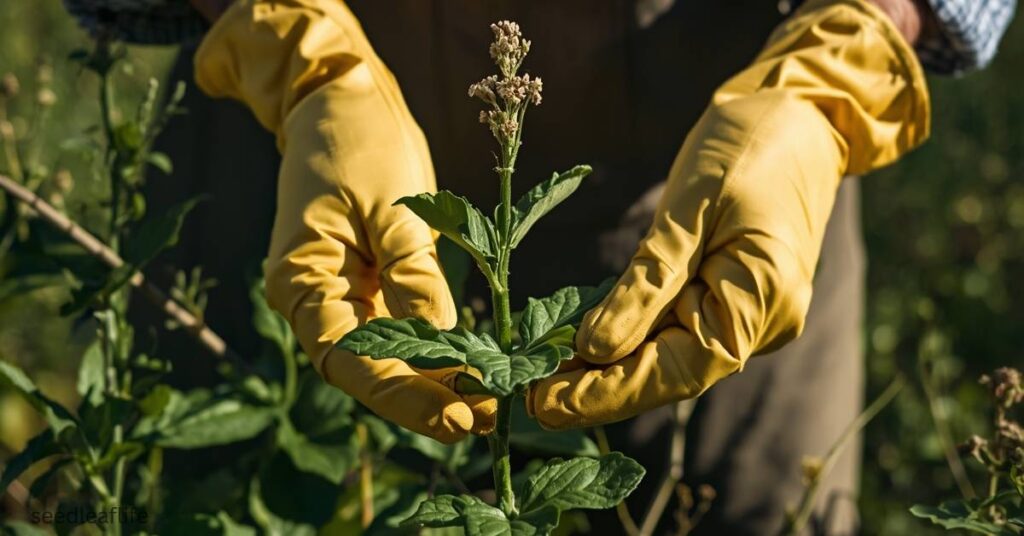
The Ruda plant, also known as rue, is renowned for its potent properties, but caution is key when using it.
Primarily for external use, rue has a long history of being applied in herbal preparations for skin ailments, insect repellents, and even as a ritualistic herb.
Herbal Preparations
It’s vital to adhere to traditional dosages when exploring its herbal applications, as potency can vary significantly between different preparations.
Gardening Uses
In the garden, Ruda is not just a beautiful addition. It acts as a natural pest deterrent. Planting it near vegetables or flowers can help ward off aphids and other unwanted insects, promoting a healthier garden ecosystem.
This dual role as a decorative and protective herb makes Ruda a fantastic choice for organic gardeners who value both aesthetics and functionality.
Incorporating Ruda into your garden not only enhances its beauty but also creates a more harmonious and balanced environment for your plants.
How to Grow the Ruda Plant at Home
Climate Requirements
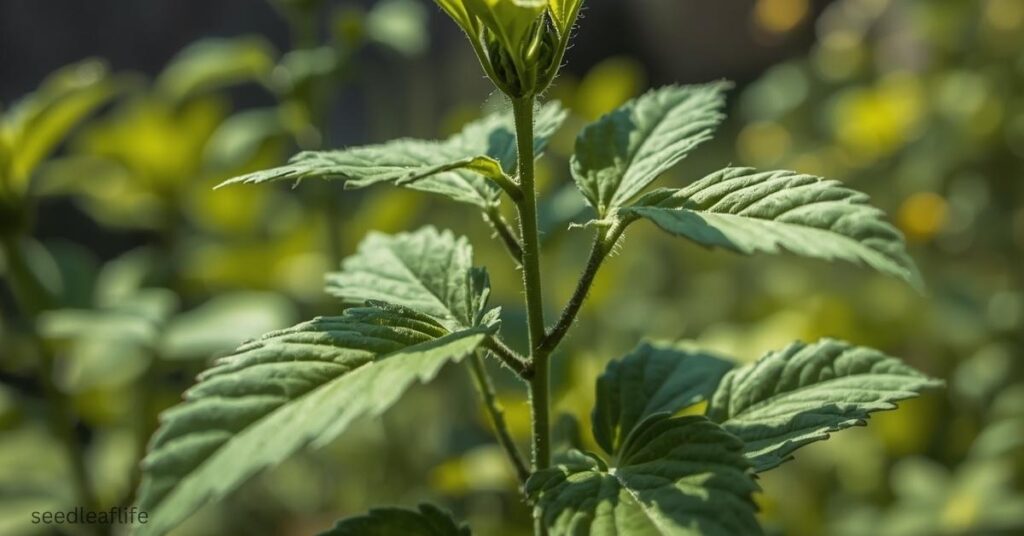
The plant thrives best in warm, temperate climates, ideally between 60°F and 75°F. It’s essential to protect the plant from harsh frost, as it can damage its leaves and overall vitality.
While it can tolerate some fluctuations, the Ruda will flourish if kept in a stable, warm environment, making it an excellent candidate for indoor gardening or patio pots in warmer regions.
Soil and Sunlight Needs

When it comes to soil, the plant prefers well-draining, slightly alkaline conditions. A mix of potting soil with perlite or sand can enhance drainage, promoting healthy root growth.
Positioning the plant in a sunny location, ideally receiving 4 to 6 hours of direct sunlight daily, will not only nourish its vibrant green leaves but also enhance its aromatic properties.
Basic Growing Conditions
Regular trimming will help maintain its shape and encourage bushier growth, making it a delightful addition to your home garden.
How to Care for Ruda Plant
Watering Schedule
The plant, known for its aromatic leaves and vibrant energy, thrives with a straightforward watering schedule that ensures its vitality. Watering should be approached with caution.
It’s best to allow the top inch of soil to dry out between waterings.
Pruning Tips
Pruning is another essential aspect of Ruda plant care that encourages bushier growth and enhances its overall health. Trim away any dead or yellowing leaves to improve airflow and reduce the risk of pests. Aim to prune in late spring, promoting fresh growth while avoiding shock to the plant.
Fertilizer Needs (Minimal Care Plant)
As for fertilization, the Ruda remains a low-maintenance companion; a diluted liquid fertilizer applied once during the growing season suffices. This minimal care approach allows you to enjoy the vibrant presence of your Ruda without overwhelming demands, making it an ideal choice for both novice and seasoned gardeners alike.
Can You Grow a ruda Plant in Pots?
Yes, It Grows Well in Containers.
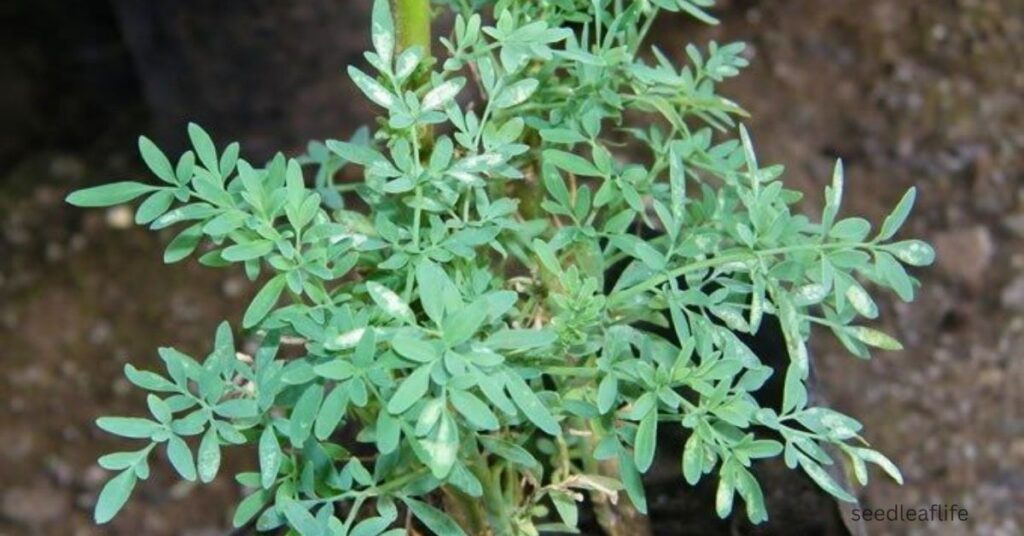
The Ruda plant, with its striking foliage and aromatic presence, thrives beautifully in pots, making it an ideal choice for urban gardeners and those with limited space.
Pot Size and Drainage Tips
When selecting a pot, aim for one that is at least 12 inches in diameter to give the roots ample room to grow. Proper drainage is essential. Choose containers with holes at the bottom to prevent waterlogging, which can lead to root rot.
Adding a layer of gravel or small stones at the base can further enhance drainage and promote healthy growth.
Indoor Placement Conditions
For indoor placement, the Ruda plant flourishes in bright, indirect light. A well-lit windowsill or a spot near a sun-drenched area can encourage robust growth.
You can help your Ruda plant thrive indoors, creating an inviting and refreshing atmosphere in your home.
Common Problems and Solutions
Yellow Leaves
Yellow leaves on a Ruda plant often signal underlying stress, usually from overwatering or insufficient light.
While it may be tempting to assume a lack of nutrients is to blame, assessing your watering routine is paramount.
If the soil remains soggy, roots can suffocate, leading to a decline in overall health.
Overwatering Issues
Overwatering is a common plight not just for novice gardeners but seasoned ones too. To combat this, ensure that your Ruda plant is in well-draining soil and that its pot has adequate drainage holes.
It’s also wise to let the top inch of soil dry out before the next watering session, allowing the roots to breathe and absorb moisture effectively.
Pest Attacks
Pest attacks pose another challenge for Ruda enthusiasts. Regularly inspecting your plant for pests such as aphids or spider mites can head off problems before they escalate.
A neem oil spray offers a natural and effective solution to deter these nuisances without harming your plant.
Moreover, adopting practices like grouping your Ruda with companion plants can create a more balanced ecosystem that naturally repels pests.
Slow Growth Fixes
Lastly, if your Ruda is experiencing slow growth, consider re-evaluating its light exposure and nutritional feed.
A slight boost in light and regular, diluted fertilizer can invigorate its growth rate significantly.
conclusion
In conclusion, the Ruda plant (Ruta graveolens) stands out for its blend of healing properties, cultural significance, and usefulness in the garden.
From repelling insects naturally to supporting traditional wellness practices, it continues to be a valuable herb for today’s gardeners.
When provided with proper sunlight, well-drained soil, and attentive care, this resilient herb can prosper for years, blending ancient tradition with modern wellness.