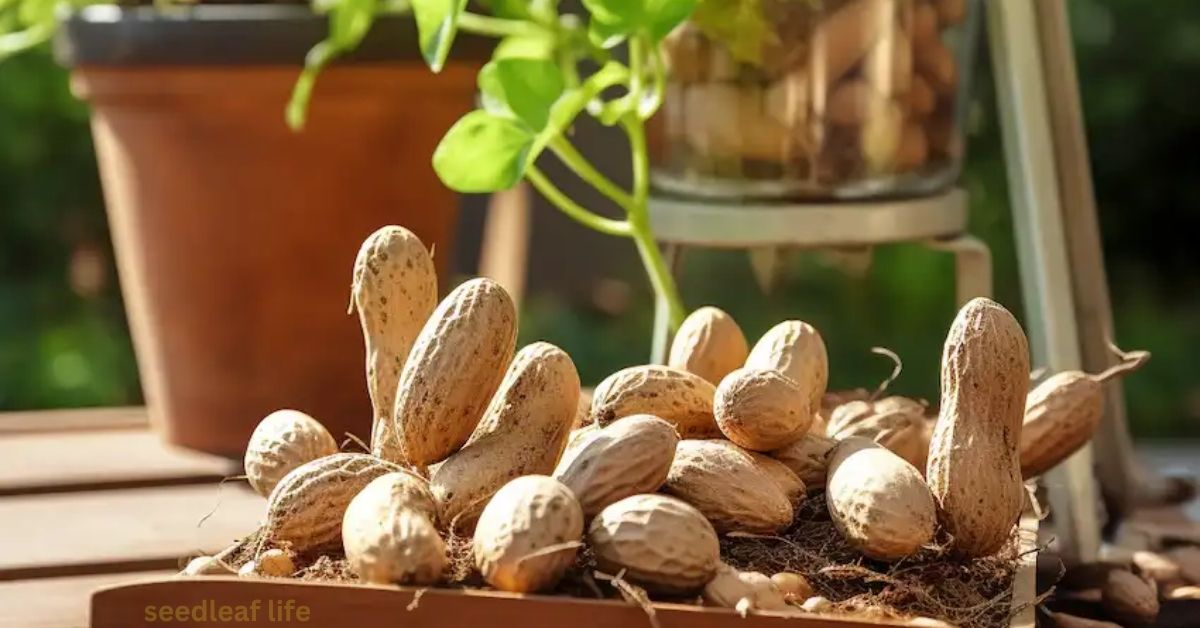
This delicious and versatile legume is a favorite for many, providing not only tasty snacks but also a fulfilling gardening experience.
It’s essential to understand that peanut seeds for planting are unique—designed for better germination and increased yields compared to the peanuts you find at the store.
Not only will growing organic peanuts promote a healthier lifestyle, but it also contributes to sustainable practices and is simple enough for novice gardeners.
Join us as we discover the delightful world of peanut cultivation and how you can get started today!
Why Choose Peanut Seeds for Planting
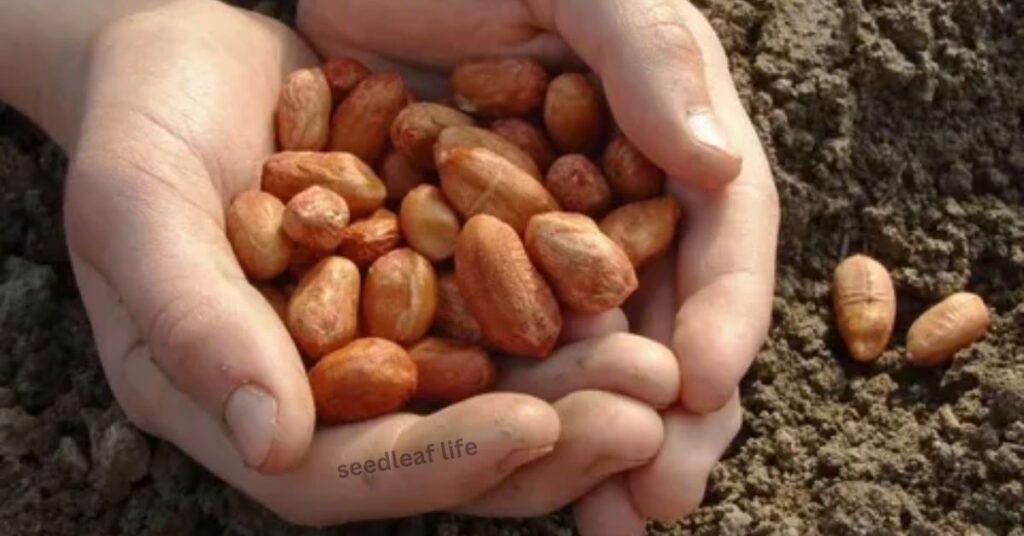
Choosing high-quality peanut seeds for planting ensures healthy growth, better yields, and a successful harvest in your garden.
Difference Between Edible Peanuts and Planting Peanuts
- When considering peanut seeds for planting, it’s essential to understand the difference between edible peanuts and planting peanuts.
- Edible peanuts, often found in stores, are typically roasted or processed, making them less suitable for cultivation.
- Planting peanuts, in contrast, are specifically bred to thrive in gardens and fields, ensuring strong growth and a bountiful harvest.
Main Advantages of Using Quality Planting Seeds
Selecting the right peanut seeds for planting gives your garden a strong start, ensuring healthy growth and maximum yield.
High Yield and Better Germination Rate
- Using quality planting seeds offers numerous advantages.
- First, they provide a high yield and impressive germination rates, meaning more plants sprout from the seeds you sow.
- This efficiency can be a game-changer for gardeners looking to maximize their space and efforts.
Easy to Grow and Maintain
- Furthermore, peanut seeds are easy to grow and maintain, making them a perfect choice for both novice and seasoned gardeners alike.
Suitable for Various Soil Types
- They flourish in various soil types, and this adaptability means you can cultivate them even in less-than-ideal conditions.
Excellent Source of Natural Protein
- Lastly, peanuts are not just delicious they are an excellent source of natural protein, making them a nutritious addition to your diet.
Best Time & Climate for Planting Peanuts
The best time and climate for planting peanut seeds for planting is during warm, frost-free months with temperatures between 25–35°C to ensure healthy growth and a bountiful harvest.
Ideal Environmental Conditions
Ideal Temperature: 25–35°C
- When it comes to planting peanut seeds, timing and climate play crucial roles in ensuring a bountiful harvest.
- Aim for a temperature range of 25–35°C, as this warmth encourages healthy and vigorous growth.
Best Season: Spring or Early Summer
- Ideally, plant your peanut seeds in spring or early summer, when the soil has warmed up and the risk of frost has completely passed.
- This ensures that seedlings can establish themselves in favorable conditions.
Growth Period: 100–120 Frost-Free Days
- This delightful legume requires about 100–120 frost-free days to flourish.
- During this period, consistent sunlight helps the plants absorb nutrients effectively and develop strong, productive pods.
Additional Growing Tips
- Peanuts thrive in well-drained soil, so make sure your garden isn’t prone to waterlogging.
- Maintain consistent moisture levels throughout the growing season for optimal development.
- Regular sunlight and moderate watering are key to a healthy, high-yield crop.
Soil Preparation and Choosing the Right Spot
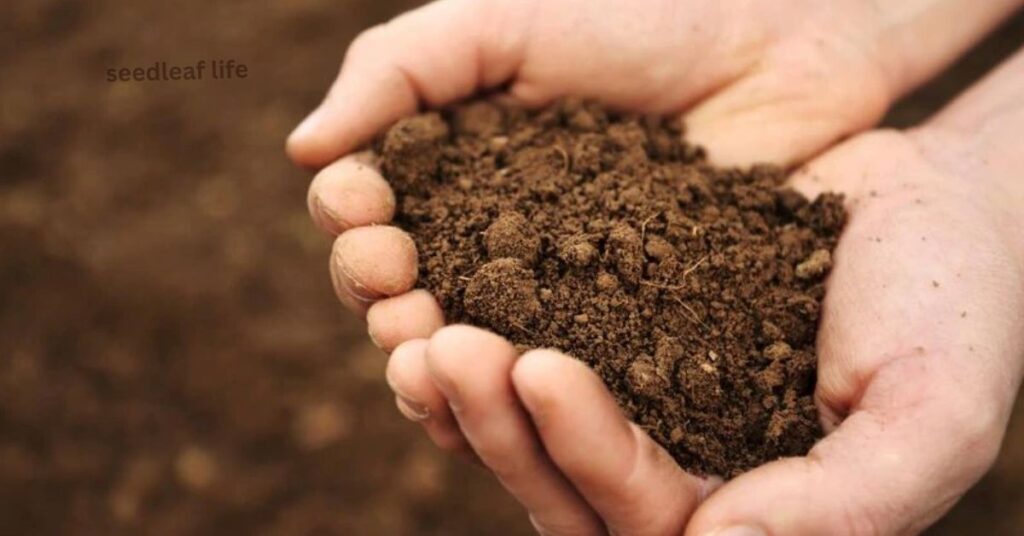
Proper soil preparation and choosing the right spot are essential for successful growth when planting peanut seeds for planting, ensuring healthy roots and high yields.
Tips for Preparing the Soil Before Planting
Use Loose, Sandy Soil with Good Drainage
- Preparing your soil for planting peanut seeds is crucial for a successful harvest.
- Start with loose, sandy soil that drains well—this allows the roots to spread freely and reduces the risk of waterlogging.
Add Compost or Organic Fertilizer
- Consider adding compost or organic fertilizer to enrich your soil with essential nutrients.
- This not only boosts the health of your peanut plants but also improves soil texture and moisture retention.
Maintain Proper pH Levels (6.0–6.5)
- Maintaining the right pH level — ideally between 6.0 and 6.5 — is also vital.
- You can easily test your soil with a home pH kit, and adjust it using lime to raise the pH or sulfur to lower it.
Avoid heavy clay soil, as it can compact and prevent peanut pods from forming properly.
Step-by-Step Guide: Planting Peanut Seeds
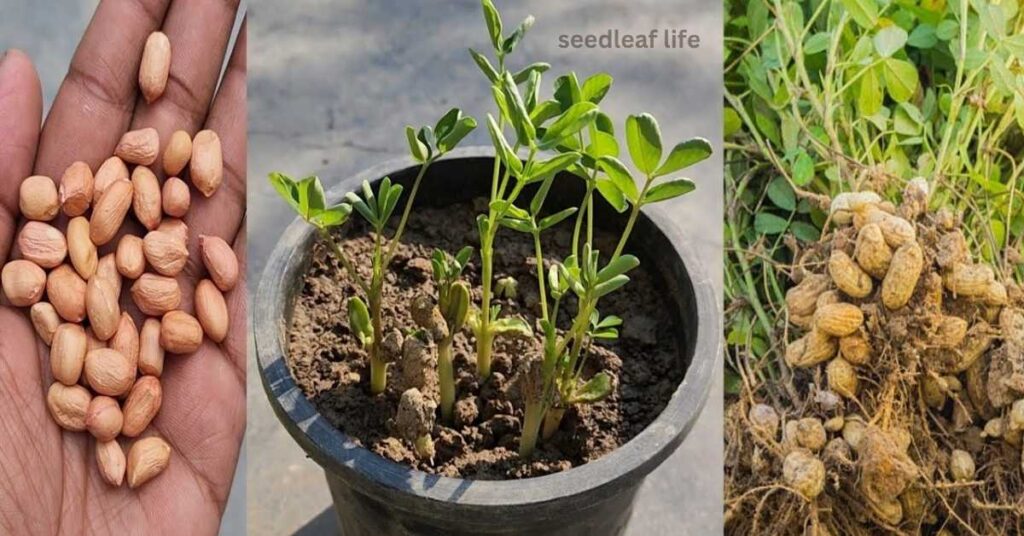
Follow this step-by-step guide to successfully plant peanut seeds for planting and give your garden the best chance for healthy, productive plants.
1. Choose High-Quality Peanut Seeds
- Choosing high-quality peanut seeds for planting is crucial for a successful harvest.
- Look for seeds that are plump, undamaged, and disease-free to ensure strong, healthy plants.
2. Remove the Shells Before Sowing
- Before planting, remove the shells carefully. This allows the seed to absorb moisture and nutrients more effectively, which promotes faster germination and stronger root development.
3. Plant at the Right Depth and Spacing
- When it’s time to plant, dig holes about 2 inches deep and space them 6–8 inches apart.
- Proper spacing gives your peanut plants enough room to spread and grow efficiently.
4. Keep the Soil Moist, Not Waterlogged
- Maintain consistent moisture levels in the soil, but avoid overwatering. Peanuts prefer slightly moist soil and can struggle in soggy conditions.
5. Ensure Adequate Sunlight
- Place your peanut plants in an area that receives 6–8 hours of sunlight daily. Ample sunlight supports photosynthesis and contributes to healthy pod formation.
By following these simple steps, you’ll be well on your way to growing strong, productive peanut plants and enjoying a fruitful homegrown harvest!
Watering, Sunlight & Care
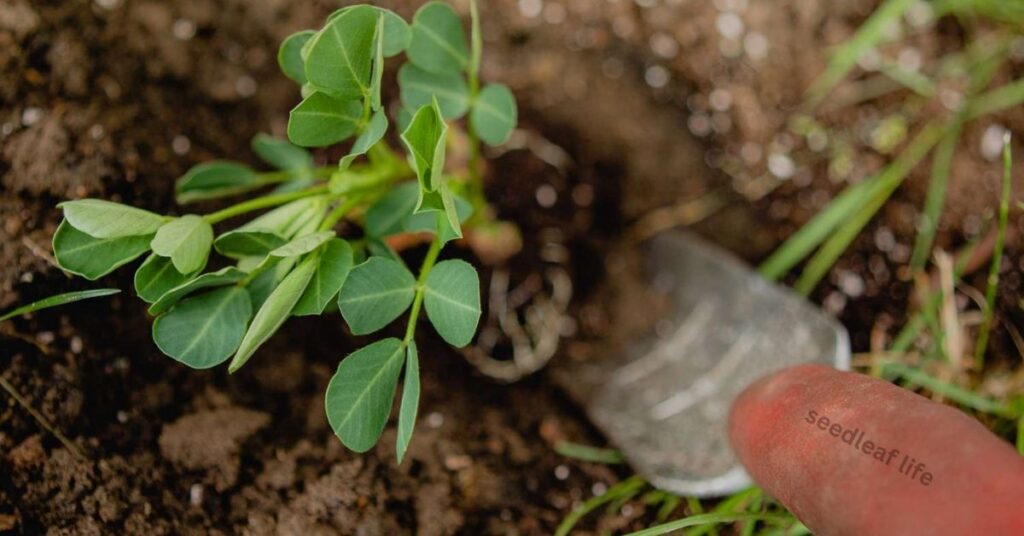
Proper watering, sunlight, and care are crucial for nurturing healthy peanut seeds for planting and ensuring strong growth and a fruitful harvest.
Water Regularly, but Avoid Excess Water
- When growing peanut seeds for planting, finding the right balance in watering is crucial. Regular watering helps your young plants thrive, but avoid overwatering, as it can cause root rot.
- Water deeply but less frequently, allowing the soil to dry slightly between watering sessions. This encourages deeper root growth and stronger plants.
Use Mulch to Retain Moisture and Control Weeds
- Adding a layer of mulch around your peanut plants helps retain soil moisture and prevents weeds from stealing nutrients.
- Mulch also keeps the soil temperature stable, which benefits root development and pod formation.
Monitor Pests and Diseases
- Keep an eye out for common pests like aphids and leaf spots, which can affect plant health.
- If you notice any issues, treat them using organic solutions such as neem oil or insecticidal soap — these are effective yet gentle on your plants and the environment.
Harvesting & Drying Peanuts
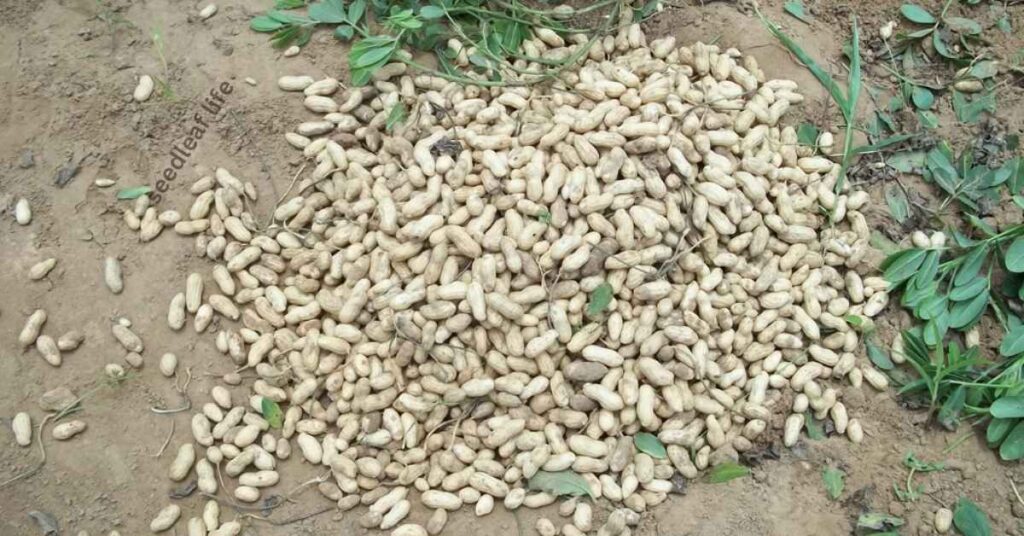
When to Harvest
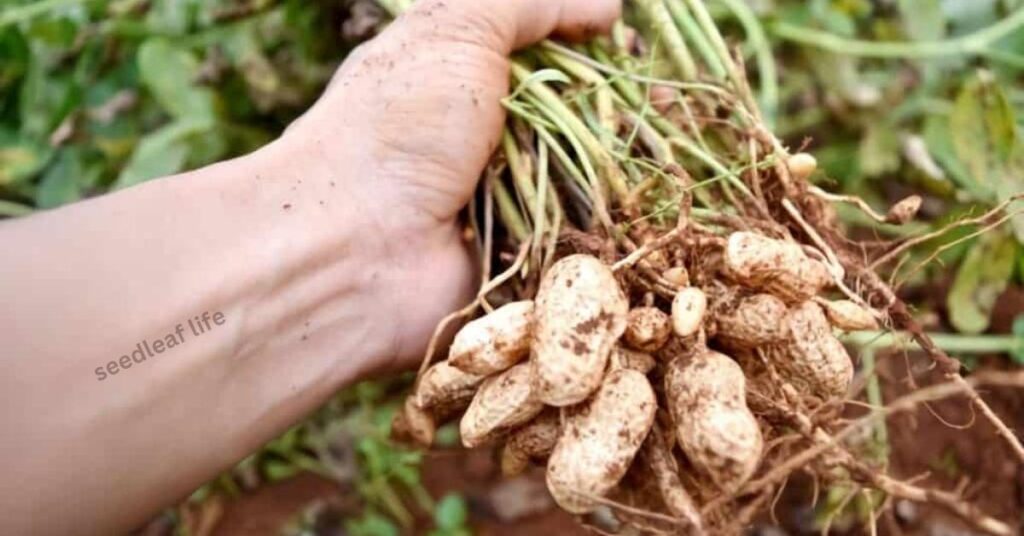
- Harvest your peanuts after 100–120 days of planting, once the leaves begin to turn yellow and the lower pods mature.
- This is a clear sign that your plants are ready for harvest.
How to Harvest
- Gently pull the plants out of the soil, taking care not to damage the pods. Shake off any excess soil and leave the peanuts attached to the roots.
Drying the Peanuts
- After harvesting, let the peanuts dry under sunlight for 3–5 days. Spread them in a single layer on a clean surface to allow proper air circulation.
- Drying ensures that the peanuts develop their full flavor and prevents mold growth during storage.
Storing the Peanuts
- Once completely dry, store the peanuts in a cool, dry place inside breathable containers like jute bags or mesh sacks.
- Avoid airtight containers until you’re sure the peanuts are fully dry, as trapped moisture can cause spoilage.
Storing and Saving Seeds

Store Dried Peanuts Properly
- When it comes to storing and saving peanut seeds for planting, the key is to find the right environment. Dried peanuts thrive in a cool, dry place, which helps maintain their viability for the next planting season.
- You can store them in airtight containers or breathable cloth bags to keep moisture away. This simple step helps preserve seed quality and ensures successful germination later on.
Set Aside Pods for the Next Planting Season
- As you prepare for the next season, set aside a few mature, healthy pods.
- These fully developed pods are more likely to produce vigorous plants and high yields in the following crop cycle.
The Value of Saving Seeds
- Saving peanut seeds is not only practical but also rewarding.
- By selecting and keeping your best pods, you’re preserving a part of your garden’s success and preparing for new growth each year.
- There’s something special about seeing your own saved seeds sprout into another healthy, productive crop.
Benefits of Growing Organic Peanuts
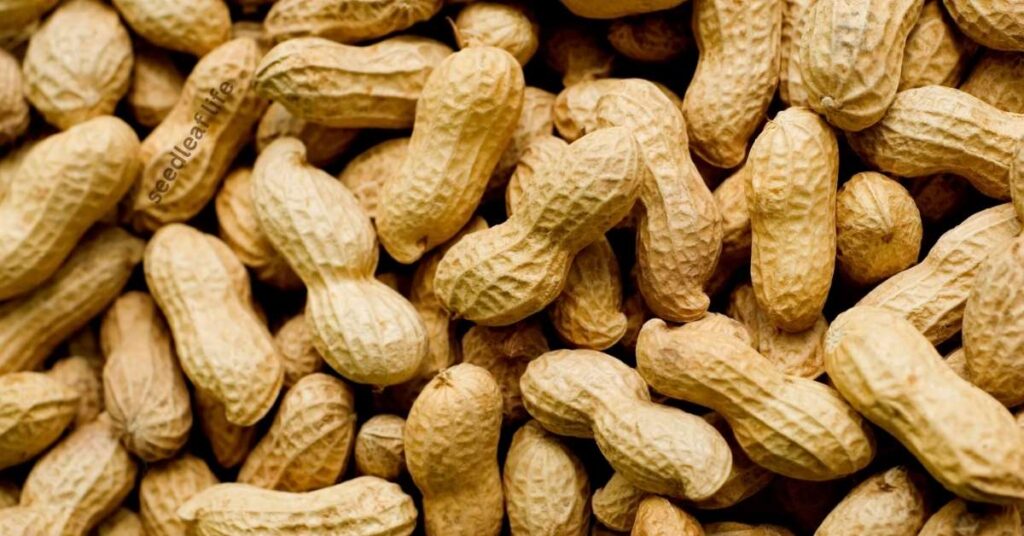
Growing organic peanuts from high‑quality peanut seeds for planting provides healthy, chemical‑free produce while improving soil fertility and rewarding home gardeners. For more seed‑growing inspiration and benefits, check out: butternut-squash-seeds-benefits/
100% Chemical-Free and Healthy Food
- Growing organic peanuts brings a treasure trove of benefits that can transform your gardening experience. By choosing peanut seeds for planting, you’re opting for 100% chemical-free, healthy food that not only tastes great but also supports a sustainable lifestyle.
- Unlike conventionally grown peanuts that may contain pesticide residues, organic peanuts offer peace of mind and superior nutritional value — enriching your meals with wholesome, natural goodness.
Improves Soil Quality Naturally
- One of the greatest advantages of growing peanuts organically is their ability to improve soil quality. As legumes, peanut plants fix nitrogen in the soil, naturally replenishing essential nutrients and reducing the need for chemical fertilizers.
- This process results in healthier, more fertile soil — building a sustainable foundation for future crops.
Cost-Effective and Rewarding for Home Gardeners
- For home gardeners, growing organic peanuts is both cost-effective and deeply rewarding. With minimal investment in seeds and basic care, you can enjoy a bountiful harvest right in your backyard.
- Not only does this save you money on store-bought nuts, but it also brings the joy of cultivating your own organic produce — a true farm-to-table experience.
Conclusion
To wrap it up, planting organic peanuts is a simple and fulfilling process that starts with choosing the best peanut seeds for planting and providing them with the care they need. As you embark on this journey, you’ll discover how rewarding it is to watch these plants grow and produce.
There truly is nothing like the taste of freshly harvested peanuts, right from your garden. Take the leap and begin your organic gardening adventure today. Start growing your own organic peanuts using quality peanut seeds for planting and enjoy the fruits of your labor!