
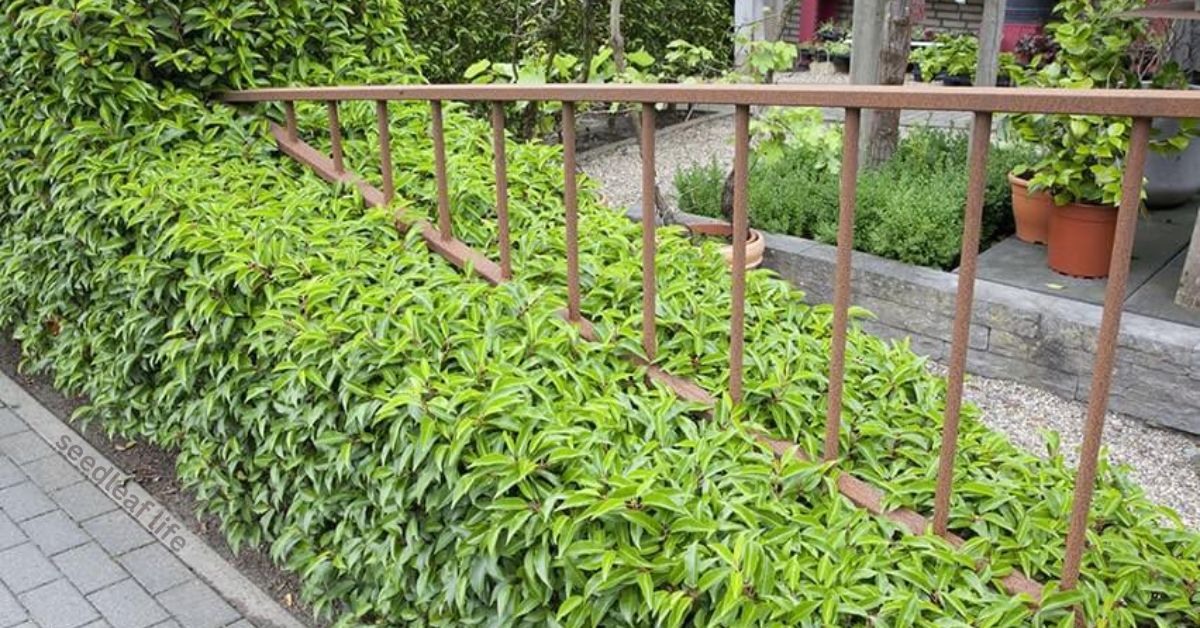
The Portuguese laurel can grow into a stunning, lush hedge that not only adds beauty but also privacy to your garden. This hardy plant is quickly becoming a favorite among gardeners everywhere.
In this guide, we’ll explore the ins and outs of Portuguese laurel planting, from selecting the right variety to ensuring it thrives in your garden.
By the end, you’ll have all the knowledge you need to create a beautiful green space, no matter your gardening experience!
What is Portuguese Laurel?
- Scientific Name: Prunus Lusitanica.
- Type: Versatile evergreen shrub.
- Height: Typically 10 to 20 feet, perfect for natural screens or borders.
- Leaves: Glossy, dark green, providing striking contrast.
- Foliage: Dense, creating a lush backdrop all year round.
- Growth Habits: Thrives in sunny spots as well as shaded areas.
- Maintenance: Minimal care required, low-maintenance plant.
- Uses: Excellent for privacy hedges and stylish garden borders.
- Overall Benefit: Adds beauty, structure, tranquility, and charm to any garden.
Best Time to Plant Portuguese Laurel
The best time for Portuguese Laurel Planting is early spring or early autumn, when mild temperatures and steady moisture help the plant establish strong roots for healthy, long-term growth.
For a detailed guide on growing and maintaining a Portuguese Laurel hedge.
Ideal Seasons (Spring & Autumn)
- Spring and autumn are the best times for planting Portuguese Laurel.
- In spring, the soil begins to warm up, which encourages strong and healthy root growth.
- In autumn, the plant gets a chance to establish its roots before winter, helping it grow faster in the following spring.
- These mild seasons reduce the risk of temperature shock to young plants.
Suitable Weather Conditions and Temperature Range
- The ideal temperature for planting Portuguese Laurel is 10°C to 20°C (50°F to 68°F).
- This moderate range helps prevent stress caused by extreme heat or freezing cold.
- Avoid planting during:
- Heatwaves.
- Heavy frost.
- Extremely dry or windy conditions.
- Portuguese Laurel prefers moist, well-draining soil, so light and steady rainfall is especially beneficial.
- Choosing the right weather conditions will help your plant establish faster and grow healthier.
Soil and Sunlight Requirements

For successful Portuguese Laurel Planting, choose well-drained, fertile soil and a location that receives full sunlight to partial shade, ensuring strong, healthy growth.
Best Soil Type (Well-Draining, Fertile)
- Portuguese laurel grows best in well-draining, fertile soil.
- Good drainage prevents water from sitting around the roots, which helps avoid root rot.
- Mixing compost or organic matter into the soil improves nutrient levels.
- The ideal soil should feel loose, rich, and fluffy to support strong root development.
Sunlight Needs (Full Sun vs Partial Shade)
- Portuguese laurel thrives in full sun, where it receives plenty of energy for healthy growth.
- It can also grow well in partial shade, especially in warmer climates.
- Too much intense sunlight may cause stress, so a balanced amount of light is important.
- Checking how much sunlight the area receives during the day will help you choose the best spot.
Importance of Proper Drainage
- Proper drainage is essential for the health of Portuguese laurel.
- Soil that holds too much water can damage the roots and weaken the plant.
- Well-drained soil encourages strong roots and steady growth.
- Good drainage keeps the plant healthy and vibrant for many years.
5 Easy Planting Tips for Portuguese Laurel

Here are 5 easy planting tips for successful Portuguese Laurel Planting, helping your hedge establish quickly, grow stronger, and thrive with minimal effort.
Tip 1: Choose the Right Location
- Select a sunny or lightly shaded spot where the plant can receive enough light.
- Make sure the area offers some protection from strong winds and extreme weather.
- Leave enough space for growth, so the roots and branches are not crowded as the shrub matures.
Tip 2: Prepare the Soil Properly
- Mix compost or organic matter into the soil to improve nutrients.
- Ensure the soil is well-draining, as this prevents root rot.
- Loosen and mix the soil thoroughly to create a healthy, supportive environment for root growth.
Tip 3: Use the Correct Planting Method
- Dig a hole that is twice as wide and slightly deeper than the root ball.
- Carefully place the roots in the hole without bending or crowding them.
- Fill the hole with soil and gently press it down to remove air pockets.
Tip 4: Water After Planting
- Give the plant a deep first watering immediately after planting.
- Create a regular watering schedule, especially during the first few weeks.
- Keep the soil consistently moist but not waterlogged.
Tip 5: Mulching and Protection
- Add a layer of mulch around the base to retain moisture and control weeds.
- Mulch also helps regulate soil temperature and protects the roots.
- In very hot or cold weather, provide extra protection to young plants if needed.
Care Tips After Planting

For long-lasting success with Portuguese Laurel Planting, follow these essential care tips after planting to help your young hedge settle, strengthen, and flourish beautifully.
Pruning Schedule
- Prune your Portuguese laurel in late spring or early summer.
- This time is ideal because the risk of frost has passed, and the plant is ready for healthy growth.
- Regular pruning encourages bushy, compact growth and maintains a neat shape.
- Remove dead, damaged, or overcrowded branches to improve air circulation and reduce disease risk.
Fertilizer Usage
- Apply a balanced fertiliser in early spring to support new growth.
- Avoid over-fertilising, as this can cause weak stems and excessive leafy growth.
- One application per year is usually enough for healthy development.
- Organic fertilisers or slow-release formulas work best.
Pest and Disease Management
- Watch out for common pests such as aphids, scale insects, and spider mites.
- Look for diseases like powdery mildew or leaf spot, especially in humid conditions.
- Use a gentle neem oil spray to treat pests and fungal problems.
- Good air circulation and proper watering help prevent most issues.
Common Mistakes to Avoid
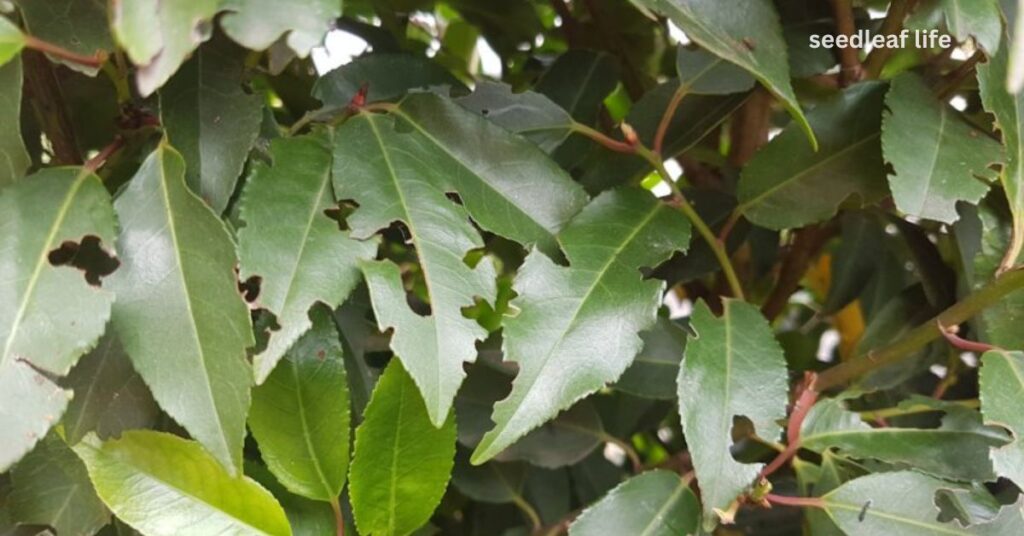
To achieve the best results in Portuguese Laurel Planting, make sure to avoid these common mistakes that can slow growth, stress the plant, and affect its long-term health.
Overwatering or Underwatering
One of the most common pitfalls in Portuguese laurel planting is getting the watering just right. Overwatering can cause root rot, while Underwatering can slow growth and stress the plant.
Planting Too Deep
During Portuguese laurel planting, make sure the plant is not set too deep into the soil, as its roots may struggle to breathe and absorb nutrients properly. The root collar should stay slightly above soil level.
Choosing the Wrong Location
A poorly chosen location—especially one with too much shade or poor drainage—can prevent the Portuguese laurel from thriving. Choose a sunny spot with well-drained soil.
Ignoring Pests and Diseases
Overlooking early signs of pests like aphids or fungal infections can weaken the plant. Regular inspection helps keep the laurel healthy and strong.
Benefits of Portuguese Laurel

One of the greatest advantages of Portuguese Laurel Planting is enjoying a hedge that offers year-round greenery, natural privacy, and effortless beauty with minimal upkeep.
Privacy Hedge
When considering the benefits of the Portuguese laurel for your landscape, its reputation as a privacy hedge truly shines. Imagine a lush, green wall that not only shields your outdoor space from prying eyes but also invites the gentle sounds of nature. For another excellent hedge option, check out: green-velvet-boxwood-planting/
Evergreen Beauty
This evergreen beauty maintains its vibrant foliage year-round, bringing a sense of tranquility and elegance to your garden.
It also provides a lovely backdrop for seasonal flowers, enhancing the overall aesthetics of your outdoor space.
Low Maintenance
One of the most appealing features of the Portuguese laurel is its low maintenance requirements. Once established, it thrives with minimal care.
Its natural resilience and ability to tolerate various soil types and weather conditions make it an excellent choice for homeowners seeking beauty without the fuss.
FAQs:
How fast does it grow?
After Portuguese laurel planting, the shrub typically grows 30–60 cm (1–2 feet) per year once established. With good sunlight, proper watering, and well-drained soil, its growth rate can be even more consistent and fuller.
Can it be planted indoors?
No, Portuguese laurel is not suitable for indoor planting. It needs plenty of natural sunlight, outdoor airflow, and space for its roots to spread. It grows best as an outdoor hedge or garden shrub.
Is it safe for pets?
Portuguese laurel planting can be toxic if pets ingest its leaves or berries. It’s best to plant it in areas where pets cannot chew on the foliage. While casual contact is safe, ingestion should be avoided.
Conclusion
In summary, Portuguese Laurel Planting doesn’t have to be complicated with these five easy tips! Remember, even beginners can create a beautiful garden with a little patience and care.
Dive in, enjoy the process, and don’t be afraid to ask for help along the way. Starting with your Portuguese laurel can be a rewarding experience that brings joy to your space. So gather your tools, get your hands dirty, and start your planting journey today!