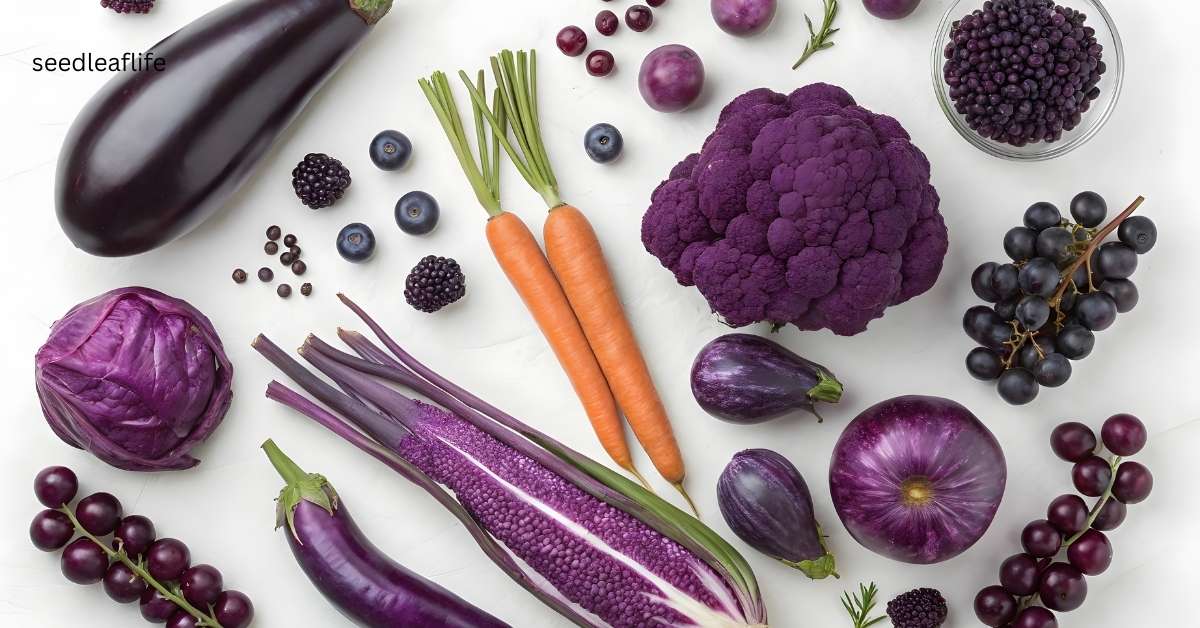
Purple vegetables have taken center stage in gardens and kitchens around the world—and for good reason. Their vibrant hues make meals stunning, while their high antioxidant content makes them exceptionally healthy.
Even better, they’re not difficult to grow. Whether you garden in raised beds, containers, or traditional soil plots, purple vegetables add beauty, diversity, and nutrition while thriving under many of the same conditions as their green counterparts.
This comprehensive guide walks you through everything you need to know—from selecting the right seeds to harvesting flavorful, deeply colored produce.
Why Grow Purple Vegetables?

Before diving into the “how,” it’s helpful to understand why purple vegetables are worth growing.
1. Rich in Antioxidants
The purple pigment is typically caused by anthocyanins, plant compounds known for powerful antioxidant properties. These antioxidants help reduce inflammation, improve heart health, and support healthy aging.
2. Pest and Sun Resistance
Anthocyanins don’t just benefit humans—they also protect plants:
- Better UV protection.
- Increased resistance to pests and diseases.
- Improved tolerance to environmental stress.
This makes purple varieties hardy and productive for home gardeners.
3. Unique Flavors and Culinary Appeal
Purple vegetables often taste slightly sweeter or richer than their green versions. They also elevate the look of salads, stir-fries, and roasted vegetable dishes.
4. Great for Beginners
Most purple vegetable varieties grow just as easily as traditional ones, making them beginner-friendly additions to any garden.
Best Purple Vegetables to Grow
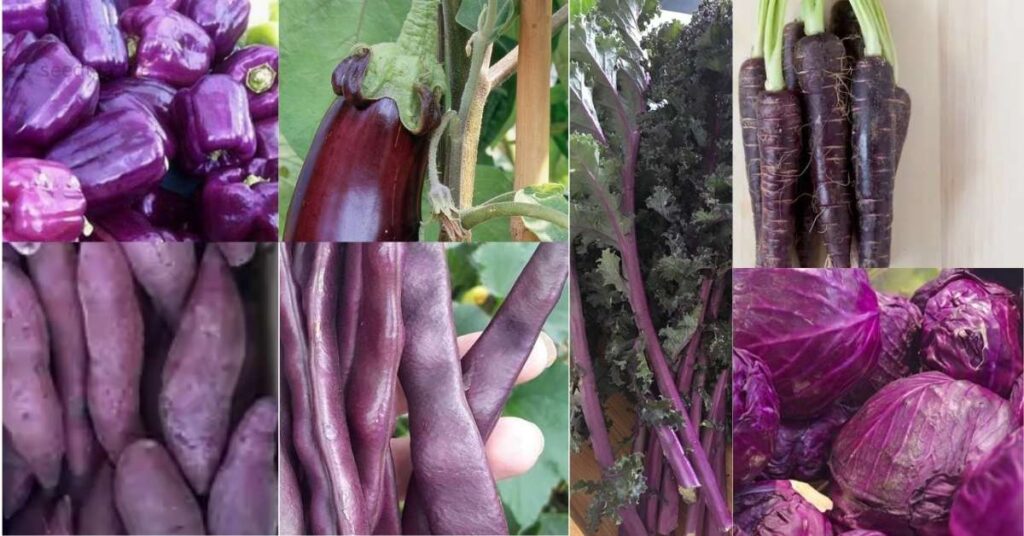
Before choosing varieties, gardeners can also explore the best vegetables to grow in September for seasonal guidance.
1. Purple Carrots
Modern orange carrots descended from ancient purple varieties. They thrive in loose, well-drained soil.
2. Purple Cabbage
Cold-tolerant and visually striking, purple cabbage is a reliable crop for spring and fall gardens.
3. Purple Cauliflower
Varieties like Graffiti and Purple of Sicily add color and nutrients to traditional cauliflower dishes.
4. Purple Kale
Purple kale varieties—such as Redbor or Scarlet—are extremely hardy and attractive.
5. Purple Beans
Purple bush and pole beans are vigorous and turn green when cooked, surprising kids and adults alike.
6. Eggplants
Varieties like Black Beauty, Listada de Gandia, and Long Purple thrive in warm climates and produce abundantly.
7. Purple Sweet Potatoes
A favorite in many cuisines, purple sweet potatoes require long growing seasons but reward with stunning flesh.
8. Purple Peppers
Peppers like Purple Beauty start out almost black, then transition to purple and eventually red.
Preparing Your Garden for Purple Vegetables
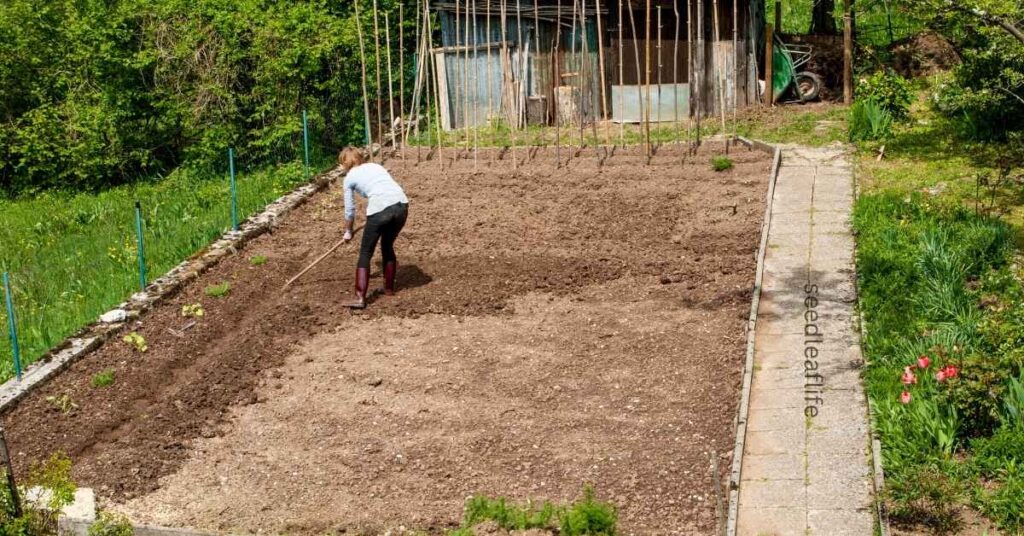
Proper preparation ensures strong growth from the start.
Choose the Right Location
While purple pigments can help plants tolerate sun, most purple vegetables still require:
- 6–8 hours of sunlight daily
- Good air circulation
- Protection from strong winds
Soil Requirements
Purple vegetables thrive in nutrient-rich, well-drained soil. Follow these steps:
- Test Your Soil pH
Aim for pH 6.0–7.0, depending on the crop. - Add Organic Matter
Incorporate compost or aged manure to improve structure and fertility. - Ensure Good Drainage
Avoid soil that compacts easily or tends to stay waterlogged.
Containers and Raised Beds
Many purple vegetables—like eggplants, peppers, and beans—grow wonderfully in containers. Use:
- Pots at least 12–18 inches deep
- High-quality potting mix
- Regular, even watering
Raised beds improve drainage and soil quality, particularly important for carrots and root vegetables.
Starting Seeds: Indoor or Direct Sowing

Each purple vegetable has its preferred method, but here are general guidelines:
When to Start Seeds Indoors
Start indoors 4–10 weeks before your last frost date for:
- Purple cauliflower
- Purple cabbage
- Eggplants
- Peppers
These warm-loving crops need a head start to reach maturity.
Direct Sowing Outdoors
Sow in the garden once soil is warm enough for:
- Carrots
- Beans
- Kale
- Sweet potatoes (slips, not seeds)
Seed Starting Tips
- Use seed-starting trays with drainage.
- Keep soil consistently moist but not soggy.
- Maintain warm temperatures (65–80°F depending on crop).
- Provide bright grow lights if indoors.
Once seedlings have 2–3 sets of true leaves, harden them off before transplanting outdoors.
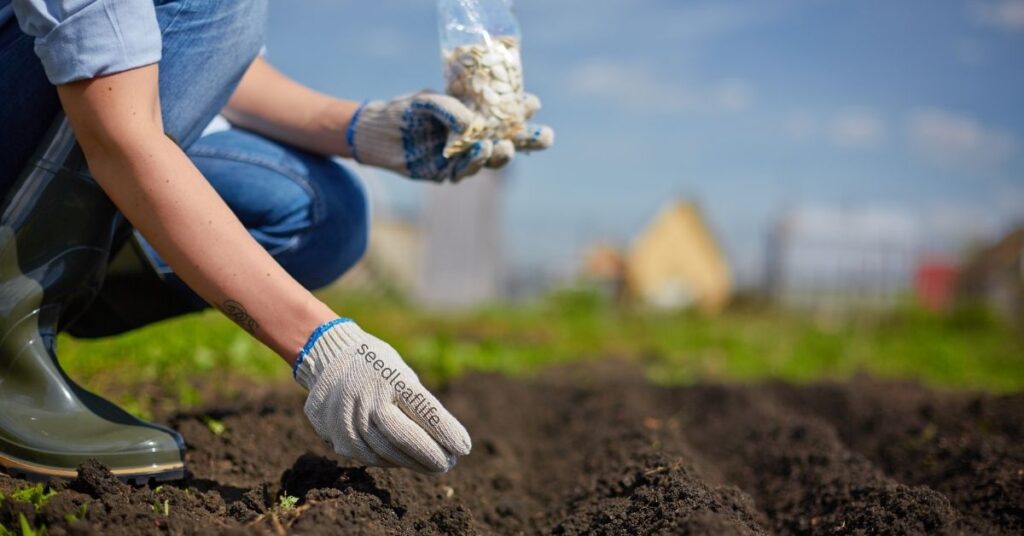
Planting Purple Vegetables Outdoors
Spacing
Giving plants enough room prevents disease and improves yield:
- Carrots: 2–3 inches apart.
- Kale: 12–18 inches.
- Cauliflower & cabbage: 18–24 inches.
- Beans: 3–6 inches.
- Eggplants & peppers: 18–24 inches
- Sweet potatoes: 12–18 inches
Mulching
Use organic mulch (straw, wood chips, or grass clippings) to:
- Retain moisture.
- Suppress weeds.
- Regulate soil temperature.
Mulching is especially beneficial for purple cabbage and cauliflower.
Watering
Most purple vegetables prefer:
- 1–1.5 inches of water per week.
- Consistent watering—avoid letting soil dry out completely.
Uneven watering can cause cracking (in carrots), bitterness (in kale), or blossom-end rot (eggplants and peppers).
Feeding and Fertilizing
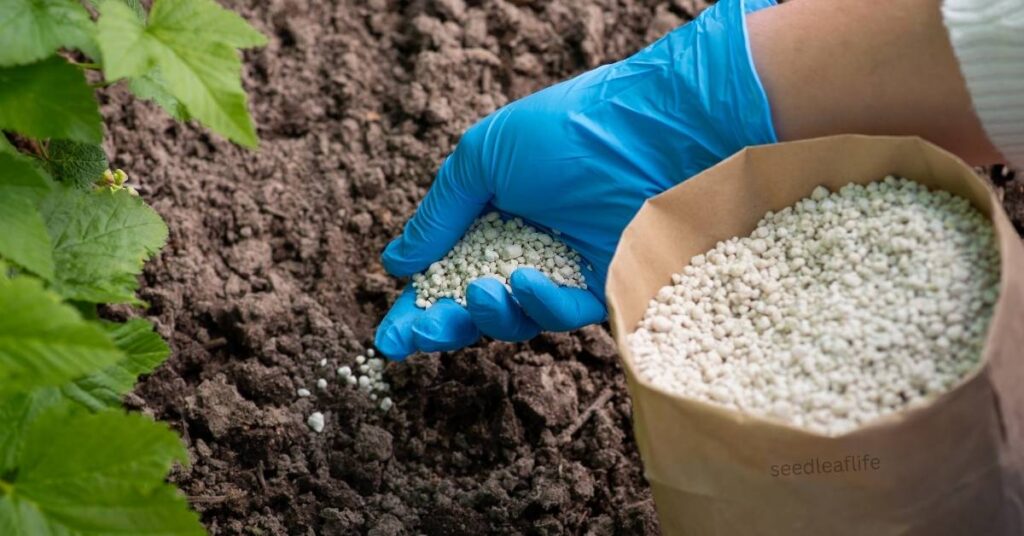
Different crops have different needs, but here are general rules:
Nitrogen for Leafy Greens
Purple kale and cabbage thrive with nitrogen-rich amendments early in the season.
Balanced Fertilizer for Root Vegetables
Purple carrots prefer lower nitrogen and higher potassium and phosphorus for healthy root development.
High Potassium for Fruiting Vegetables
Eggplants, peppers, and beans benefit from fertilizers higher in potassium during flowering and fruiting.
Organic Options
- Compost
- Worm castings
- Fish emulsion
- Bone meal
- Kelp meal
Avoid Over-fertilizing
Too much nitrogen can lead to lush foliage but poor root or fruit development.
Common Problems and Easy Solutions
Even though purple vegetables are resilient, they can face problems. Here are typical issues and how to solve them:
1. Pests
- Aphids: Use neem oil or insecticidal soap.
- Cabbage worms: Handpick or apply Bt spray.
- Spider mites (common in eggplants): Increase humidity and spray with neem oil.
2. Diseases
- Powdery mildew: Improve airflow and avoid overhead watering.
- Fusarium wilt in beans: Rotate crops annually.
- Clubroot in brassicas: Maintain proper soil pH (above 6.5).
3. Nutrient Deficiencies
- Pale leaves – low nitrogen.
- Brown leaf edges – potassium deficiency.
- Stunted growth- phosphorus deficiency.
Add amendments or use a balanced organic fertilizer.
Supporting and Training Plants

Some purple vegetables need structure:
Beans
Pole beans require trellises, teepees, or fencing for vertical growth.
Eggplants
Stake or cage plants to prevent stems from snapping under heavy fruit.
Kale
While not required, staking kale helps keep leaves off the ground, reducing pest problems.
When and How to Harvest Purple Vegetables
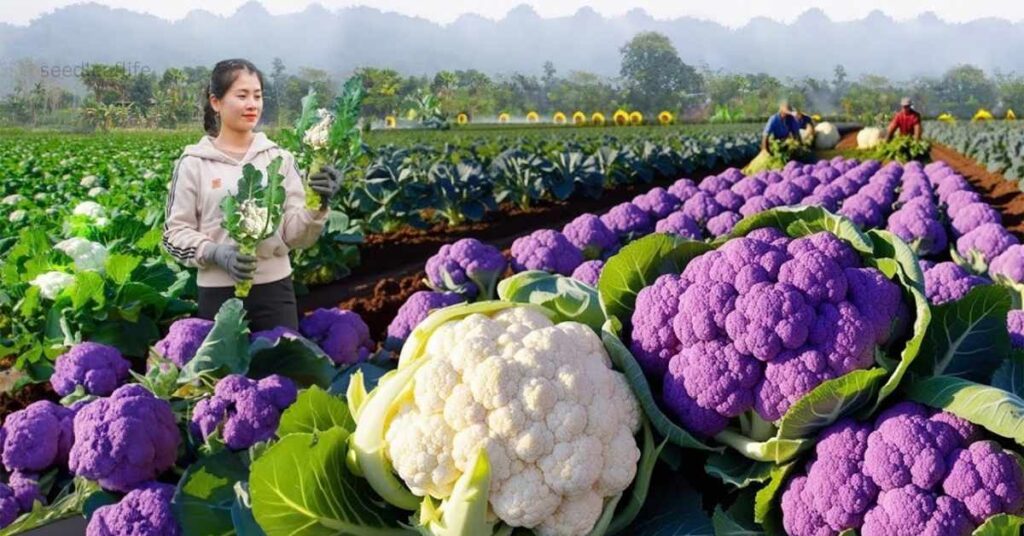
Understanding when to harvest ensures best taste, texture, and nutrition.
Purple Carrots
- Harvest when roots are 1/2–1 inch in diameter.
- Pull gently after loosening soil.
Purple Cabbage
- Heads should feel firm and solid before cutting.
Purple Cauliflower
- Harvest when heads are 6–8 inches across.
- Tie leaves over heads to preserve color if sunlight is bleaching them.
Purple Kale
- Pick outer leaves first, plants continue producing all season.
Purple Beans
- Pick when pods are firm and crisp, before seeds bulge.
Eggplants
- Harvest when glossy and firm; dull skin indicates over-ripeness.
Purple Sweet Potatoes
- Dig up 90–120 days after planting.
- Cure in a warm, humid place to improve sweetness.
Storing and Using Your Purple Harvest
Storage Tips
- Root vegetables: Keep in cool, dark locations.
- Leafy greens: Wash, dry, and refrigerate in airtight bags.
- Beans and eggplants: Store in the refrigerator for up to a week.
- Sweet potatoes: Store in a warm, dark place for long-term use.
Culinary Ideas
Purple vegetables shine in:
- Roasted vegetable medleys
- Stir-fries
- Salads
- Soups
- Colorful slaws
- Pickled dishes
Their color often intensifies with lemon juice or vinegar thanks to pH-sensitive anthocyanins.
Beginner-Friendly Planting Plan
If you’re new to gardening, here’s a simple layout for a 4×8 raised bed:
Left side
- 2 rows of purple carrots.
- 1 row of purple kale.
Center
- 2 eggplants spaced 24 inches apart.
- 2 purple peppers.
Right side
- Trellis with purple pole beans.
- Space in front for purple cabbage or cauliflower.
This creates a visually stunning, high-yield garden with staggered harvest times.
Tips for Growing Purple Vegetables in Containers
If you have limited space, purple vegetables do great in containers.
Best Crops for Pots
- Eggplants
- Peppers
- Kale
- Purple beans (bush varieties)
Container Guidelines
- Minimum size: 5 gallons for fruiting plants; 1–3 gallons for leafy greens.
- Use high-quality potting mix.
- Fertilize every 2–3 weeks because nutrients leach out faster.
- Water more frequently but avoid soggy soil.
Conclusion: Bring Color and Nutrition to Your Garden
Growing purple vegetables from seed to harvest is both easy and rewarding. These nutrient-dense, visually striking crops are no more difficult to cultivate than standard varieties—and often outperform them in resilience and flavor.
By choosing the right varieties, preparing your garden properly, and following simple care practices, you can enjoy a stunning harvest of purple carrots, kale, beans, eggplants, and more.
Whether you’re a beginner gardener or seasoned grower, purple vegetables offer beauty, health benefits, and a touch of magic to your garden and plate. Start planting today, and watch your garden transform into a vibrant, colorful oasis.