
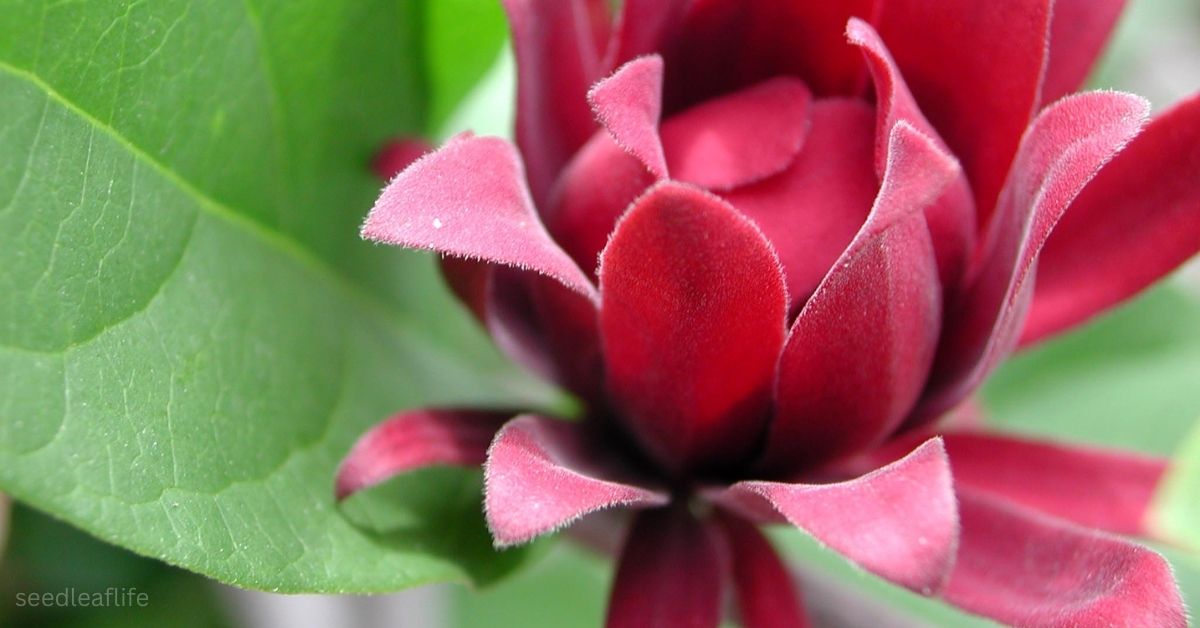
Calycanthus, commonly known as sweetshrub, Carolina allspice, or spicebush, is a fragrant and visually striking deciduous shrub native to North America and parts of Asia. Famous for its deep maroon to reddish-brown, aromatic flowers and richly scented foliage and bark, it has become a staple in ornamental gardening. Its unique blossoms—often compared to magnolias or lotus flowers—make it a standout in any landscape, while its low-maintenance nature makes it ideal for gardeners of all levels.
This comprehensive guide covers everything you need to know about growing, caring for, and using plant in your garden. Whether you’re planting it for fragrance, structure, or wildlife value, this article provides complete instructions to help you grow a thriving specimen.
What Is Calycanthus?
It is a genus of flowering shrubs belonging to the family Calycanthaceae. The genus contains several species, the most popular being:
- Calycanthus floridus – Carolina allspice (native to the southeastern U.S.)
- Calycanthus occidentalis – Western sweetshrub (native to the western U.S.)
- Calycanthus chinensis – Chinese sweetshrub (native to eastern China)
- Hybrid varieties such as Calycanthus raulstonii ‘Hartlage Wine’
These shrubs typically grow 6 to 12 feet tall, depending on species and conditions. Their most distinguishing features include:
- Fragrant, wine-colored flowers
- Aromatic bark and leaves, releasing a spicy, fruity scent when crushed
- Lush, green, glossy foliage
- Good resistance to deer and pests
Because of their aroma and beauty, Plants have long been used in historical gardens, cottage landscapes, and modern fragrant plant collections.
Key Benefits of Growing Calycanthus
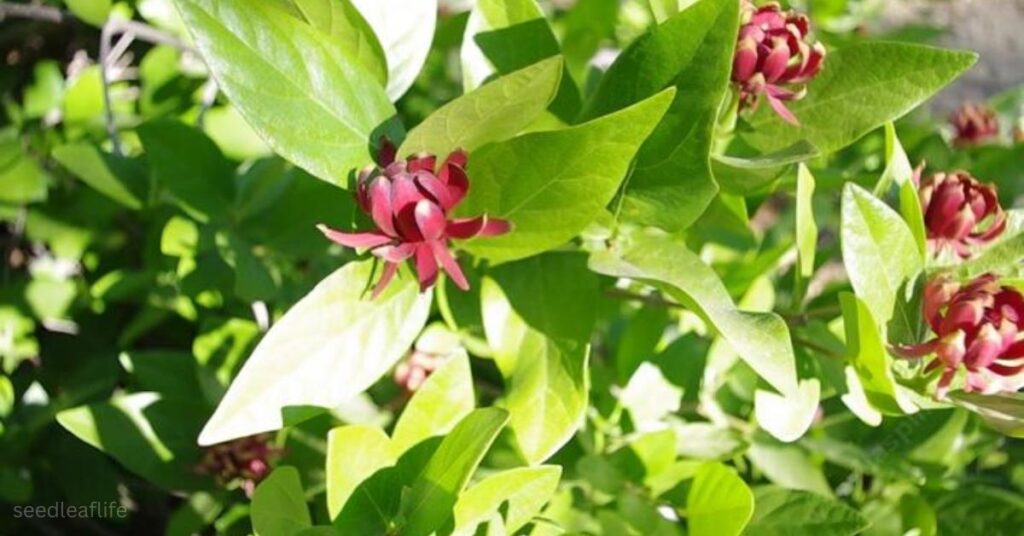
Calycanthus is more than just a pretty ornamental shrub — and if you enjoy fragrant flowering shrubs, check out our guide on Dipladenia. Here are the major advantages:
1. Exceptional Fragrance
The flowers emit a sweet, fruity scent resembling pineapple, strawberry, or banana wine—depending on species.
2. Long Blooming Season
Flowering begins in late spring and often continues into mid-summer. Some hybrids bloom longer.
3. Highly Adaptable
Calycanthus thrives in a wide range of soil types, climates, and light conditions.
4. Wildlife Friendly
Bees, butterflies, and other beneficial insects are drawn to its blossoms.
5. Low Maintenance
This shrub requires minimal pruning and is resistant to many common garden pests.
6. Beautiful Landscape Structure
With dense, lush growth and elegant flowers, Calycanthus works well as:
- A specimen shrub
- A foundation plant
- A hedge or screen
- Part of a woodland or shade garden
How to Grow a Healthy Plant
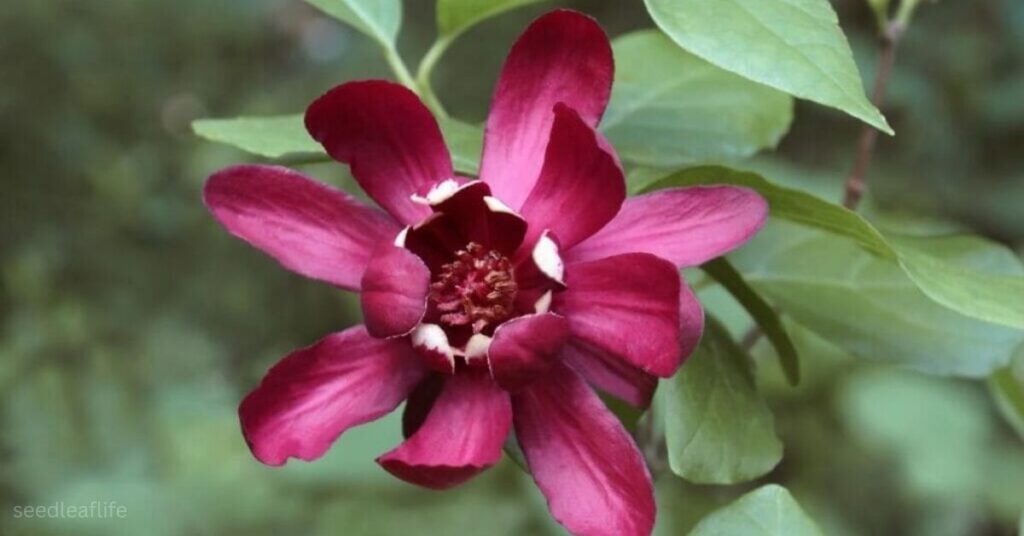
Growing Calycanthus successfully requires understanding its preferred conditions. Here is a deep-dive into each care requirement.
1. Light Requirements
Calycanthus is adaptable to different light levels depending on your climate.
In cooler climates:
- Prefers full sun to partial shade.
- More sun usually results in stronger flowering.
In warmer climates (Zones 8–9):
- Prefers partial shade, especially afternoon shade.
- Too much direct heat may stress the plant or reduce flower quality.
Best Practice:
Aim for 4–6 hours of sunlight daily for optimal performance.
2. Soil Requirements
Calycanthus is not overly demanding but thrives best in:
- Moist, well-draining soil
- Loamy or sandy loam textures
- pH between 6.0 and 7.0 (slightly acidic to neutral)
Avoid:
- Waterlogged soil.
- Compact, heavy clay without amendment.
If your soil drains poorly, improve it with:
- Compost
- Leaf mold
- Organic matter such as pine bark fines.
3. Watering
Newly planted Calycanthus:
- Keep evenly moist for the first 12 months.
- Water deeply once per week, allowing soil to partially dry between watering.
Established plants:
- Drought tolerant once mature.
- Water during extended dry periods to maintain vigorous flowering.
Signs of under-watering:
- Drooping leaves
- Slow growth
- Reduced bloom production.
Signs of over-watering:
- Yellowing foliage
- Root rot in poorly drained conditions.
4. Temperature & Climate
Calycanthus grows best in USDA Zones 5–9, depending on species.
Cold Hardiness:
- Carolina allspice (C. floridus) is hardy down to Zone 5.
- Western sweetshrub (C. occidentalis) prefers Zones 7–9.
Heat Tolerance:
- Thrives in mild to warm climates.
- Needs afternoon shade in hot, southern regions.
5. Fertilizing
Calycanthus is not a heavy feeder.
Best fertilizer:
Use a slow-release, balanced fertilizer such as 10-10-10, applied in early spring.
Soil-enriching practices:
- Apply a 2–3 inch layer of compost each spring.
- Mulch with leaf mold or shredded bark to improve organic content.
Avoid:
- Excessive nitrogen, which encourages foliage growth over flowers.
6. Mulching
Mulching is essential for:
- Retaining moisture.
- Reducing weeds.
- Protecting roots from temperature extremes.
Use organic mulch such as:
- Wood chips
- Shredded bark
- Pine straw
- Leaf mold
Maintain a 2–3 inch layer, but avoid piling mulch directly against the trunk.
7. Pruning Calycanthus
When to prune:
- Immediately after flowering (late spring to early summer).
- Light pruning helps maintain shape.
How to prune:
- Remove dead, damaged, or crossing branches.
- Thin out older stems to encourage new growth.
- Avoid cutting heavily in early spring—this removes flower buds.
Rejuvenation pruning:
Every few years, remove one-third of the oldest branches to the base.
8. Propagation Methods
Calycanthus can be propagated through:
1. Softwood Cuttings (most common)
- Taken in late spring to early summer.
- Rooted in moist, well-draining potting mix.
2. Semi-hardwood Cuttings
- Taken mid-summer to early fall.
3. Seeds
- Slow method.
- Plants may not grow true to parent variety.
4. Division/Suckers
- Some species naturally produce basal shoots that can be separated.
Common Problems & Pests
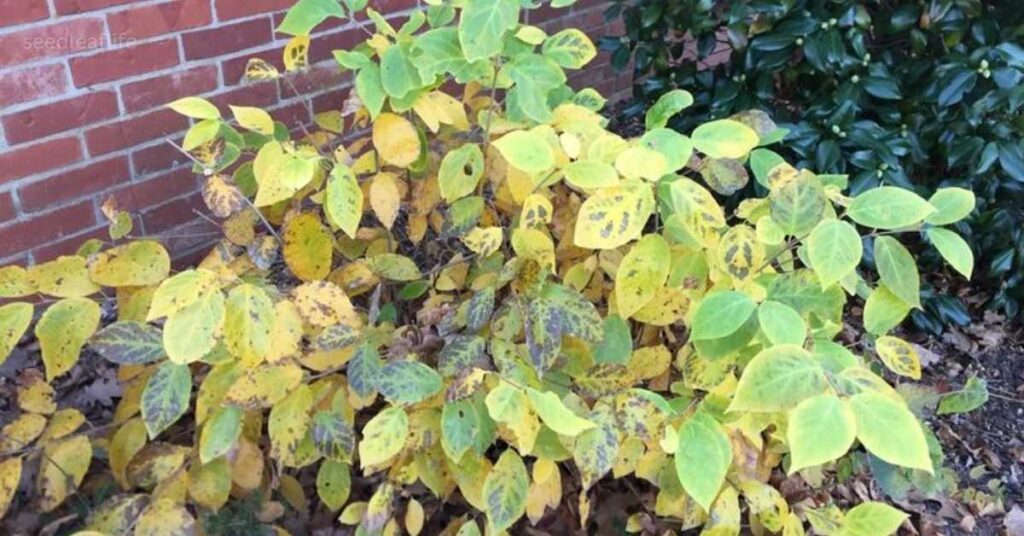
Generally, Calycanthus is trouble-free, but occasional issues include:
1. Leaf Spot Diseases
Appears during humid weather, improve air circulation.
2. Aphids or Scale Insects
Control using insecticidal soap or neem oil.
3. Root Rot
Avoid planting in poorly drained soils.
4. Sunburned Leaves
Occurs in hot climates with full sun exposure.
Popular Varieties
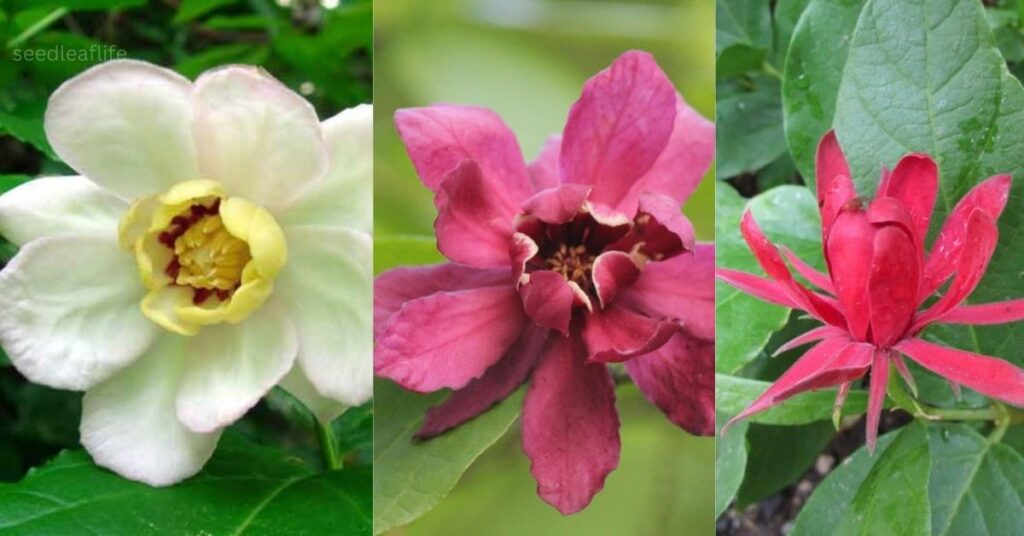
1. Calycanthus floridus (Carolina allspice)
- Deep maroon flowers.
- Intense fragrance.
- Shiny dark green leaves.
2. Calycanthus occidentalis (Western sweetshrub)
- Larger flowers.
- More drought tolerant.
- Thrives in mild climates.
3. Calycanthus chinensis (Chinese sweetshrub)
- Creamy white, lotus-like blossoms.
- Often hybridized for ornamental gardens.
4. Calycanthus raulstonii ‘Hartlage Wine’
- One of the most popular hybrids.
- Rich wine-colored flowers, larger than parent species.
- Vigorous growth and long bloom time.
Landscaping Uses
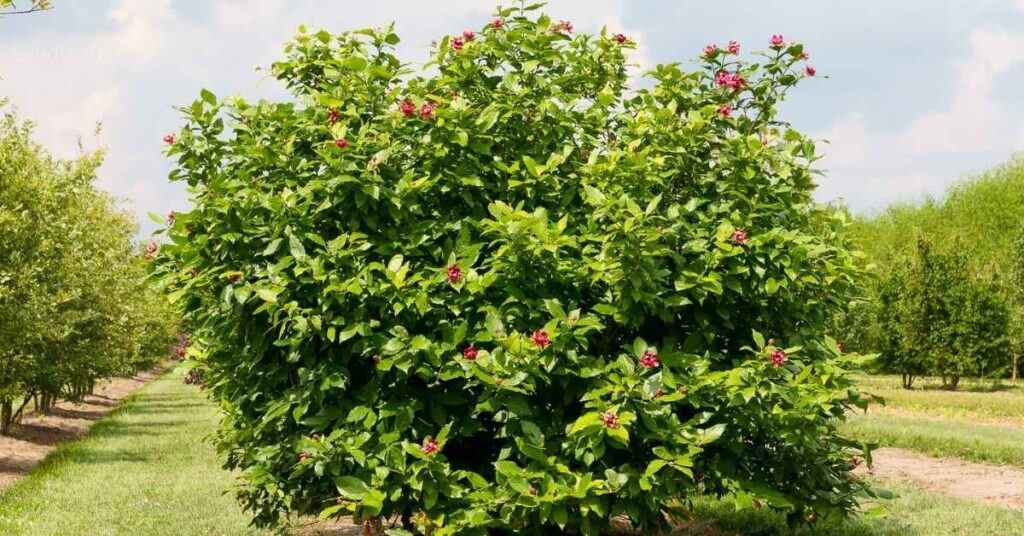
Calycanthus is extremely versatile in landscape design. Some of its best uses include:
1. Foundation Planting
Place near entrances, patios, or pathways where the fragrance can be enjoyed.
2. Specimen Shrub
Its unique flowers make it an eye-catching focal point in any garden.
3. Screening and Hedging
Dense growth provides privacy and wind protection.
4. Woodland or Shade Gardens
Thrives with dappled light and rich, moist soil.
5. Pollinator Gardens
A magnet for bees, butterflies, and beneficial insects.
6. Cut Flowers and Fragrance Gardens
Flowers and foliage are often used for potpourri or aromatic arrangements.
Calycanthus in Container Gardening
Although typically planted in the ground, Calycanthus can be grown in large containers.
Tips for container growth:
- Choose a large pot (20–24 inches wide).
- Use well-draining soil mix.
- Provide consistent moisture.
- Fertilize lightly twice per year.
- Protect the pot during winter in colder climates.
Container-grown plants may be smaller but still bloom beautifully.
How to Plant Calycanthus (Step-by-Step)
1. Choose a location
- Partial sun to full sun.
- Well-draining soil.
- Enough space for mature width (6–10 ft).
2. Prepare the planting hole
- Dig a hole twice as wide as the root ball.
- Depth should match the plant’s original container.
3. Amend the soil
Mix compost or organic matter into the native soil.
4. Plant and backfill
- Place the plant at ground level.
- Backfill with amended soil.
- Firm lightly to remove air pockets.
5. Water thoroughly
Give a deep watering to help establish roots.
6. Mulch
Apply 2–3 inches of organic mulch around the base.
Seasonal Care Calendar for Calycanthus
Spring
- Apply compost and slow-release fertilizer.
- Water new growth.
- Watch for emerging pests.
- Enjoy early blooms.
Summer
- Maintain watering during dry spells.
- Lightly prune after flowering.
- Add mulch if needed.
Fall
- Remove fallen leaves.
- Reduce watering as temperatures drop.
- Prepare for winter with an extra layer of mulch in colder zones.
Winter
- Minimal care required.
- Protect young shrubs with burlap in harsh climates.
Frequently Asked Questions
1. Is Calycanthus toxic?
Some species contain alkaloids in the seeds and roots. Avoid ingesting plant parts and keep away from pets.
2. When will my Calycanthus bloom?
Most plants bloom by year 2–3 after planting, depending on conditions.
3. Why isn’t my Calycanthus flowering?
Possible causes include:
- Too much shade
- Over-fertilization
- Immature plant
- Poor soil drainage
4. Does Calycanthus lose its leaves?
Yes, all species are deciduous, losing leaves in autumn.
Conclusion
Calycanthus is a standout shrub that offers fragrance, beauty, and versatility to any garden. With its richly scented blooms, lush growth habit, and easy-care nature, it’s an ideal choice for gardeners who want a plant that’s both ornamental and practical. Its ability to thrive in various climates and soil types makes it adaptable for many landscapes—from cottage gardens to modern designs.
By following the growing tips and care instructions in this guide, you can enjoy a healthy, vibrant Calycanthus that rewards you year after year with exceptional color, fragrance, and structure.