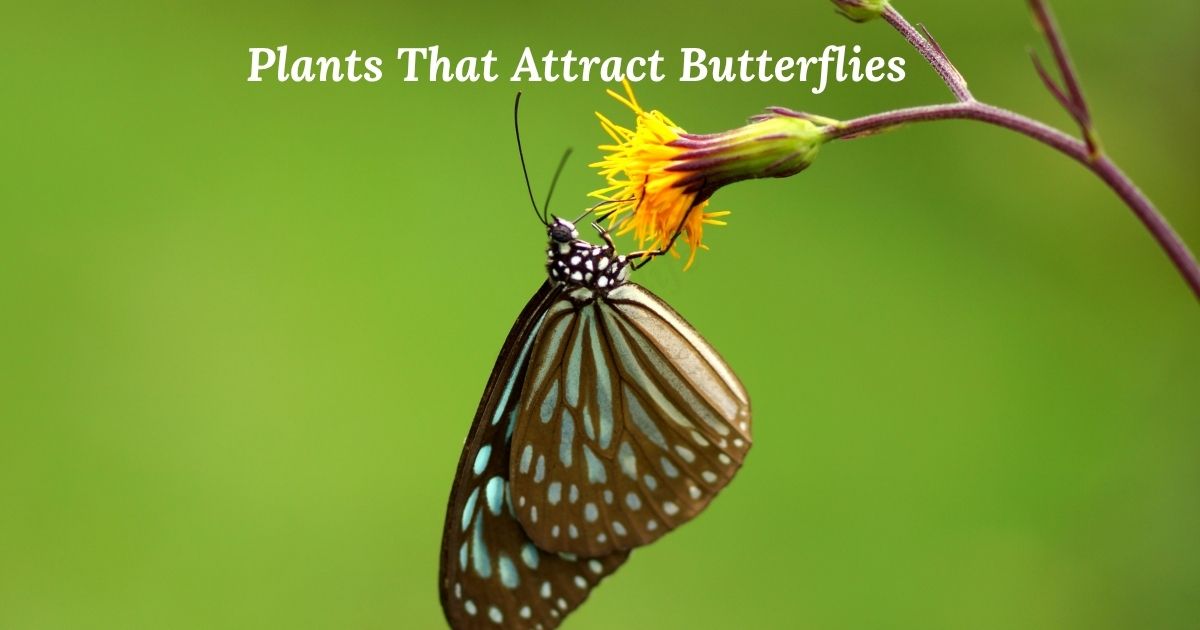
Butterflies are among the most beautiful and beneficial creatures in nature. Their vibrant colors, graceful flight, and crucial role in pollination make them a welcome presence in any garden.
If you want to turn your garden, lawn, balcony, or even indoor space into a butterfly haven, choosing the right plants that attract butterflies is the most important step.
In this comprehensive guide, we will explore why butterflies are attracted to certain plants, the best nectar and host plants, how to design a butterfly-friendly garden, and tips to keep butterflies coming back year after year.
Why Do Butterflies Need Specific Plants?
Butterflies depend on plants for two main reasons:
- Nectar for adult butterflies
- Host plants for caterpillars
Adult butterflies feed on nectar-rich flowers, while caterpillars rely on specific plants to grow and transform into butterflies. Without the right plants, butterflies cannot complete their life cycle.
Unlike bees, butterflies prefer flat, brightly colored flowers with easy access to nectar. Fragrance, color, bloom time, and plant structure all play a role in attracting them.
For an example of a flowering plant suitable for such conditions, you can read our Dipladenia planting guide.
Key Characteristics of Plants That Attract Butterflies
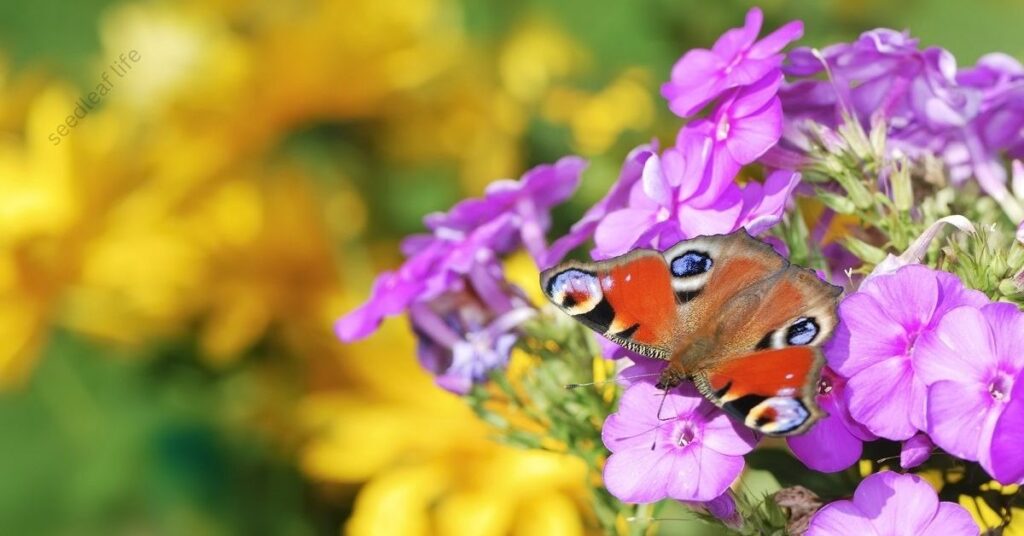
Before diving into specific plant names, it’s important to understand what butterflies look for:
- Bright colors like red, yellow, orange, pink, and purple
- Flat or clustered flowers for easy landing
- High nectar content
- Native plants adapted to local climate
- Continuous blooming throughout the seasons
- Chemical-free, pesticide-free growth
Best Nectar Plants That Attract Butterflies
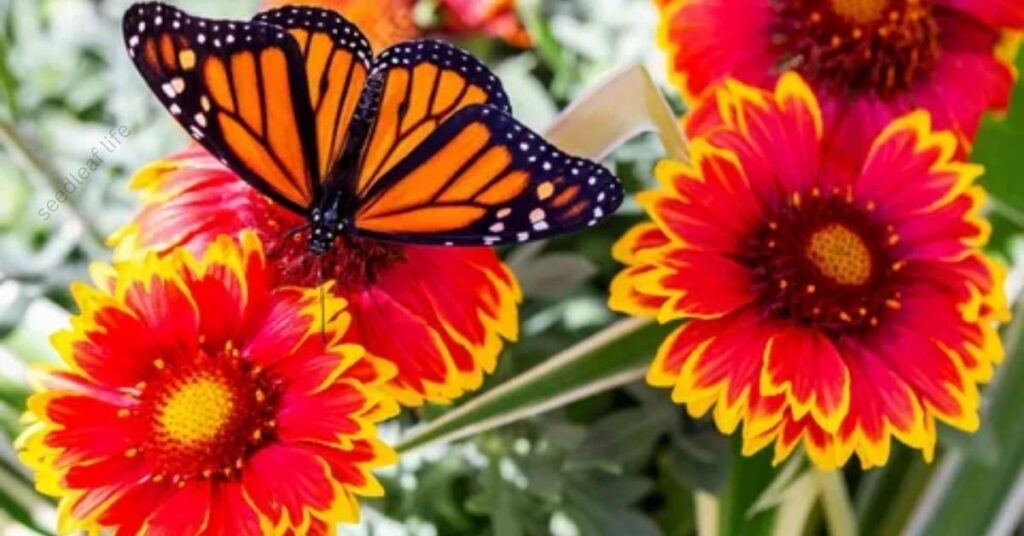
1. Milkweed (Asclepias)
Milkweed is one of the most important plants for butterflies, especially monarchs.
Why it attracts butterflies:
- Primary host plant for monarch caterpillars
- Rich nectar source for adult butterflies
Popular varieties:
- Common milkweed
- Butterfly weed
- Swamp milkweed
Milkweed is a must-have if you want to support butterfly populations.
2. Butterfly Bush (Buddleja)
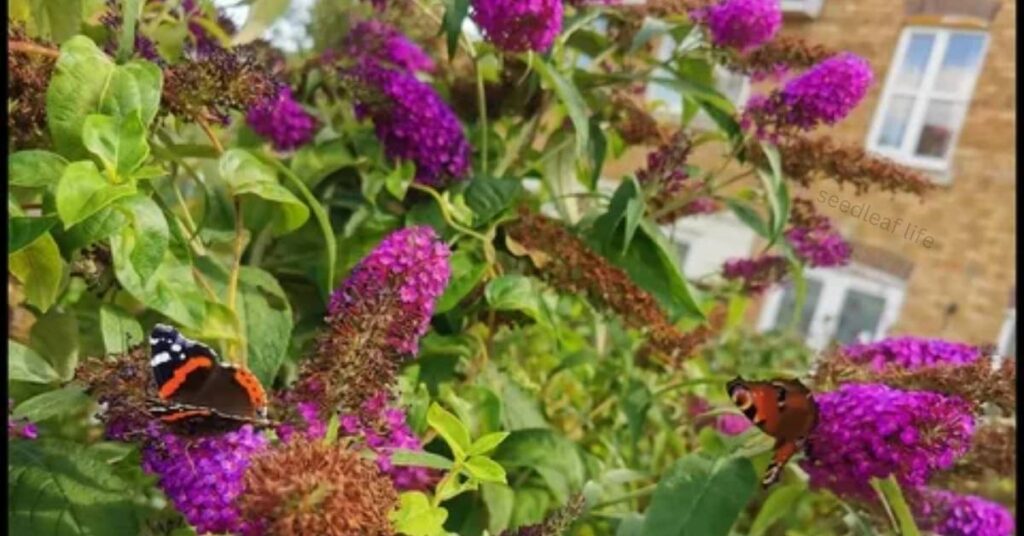
Often called the “butterfly magnet,” this plant lives up to its name.
Key benefits:
- Produces large clusters of nectar-rich flowers
- Blooms from summer to fall
- Attracts multiple butterfly species
Colors available: Purple, pink, white, and blue
3. Lantana
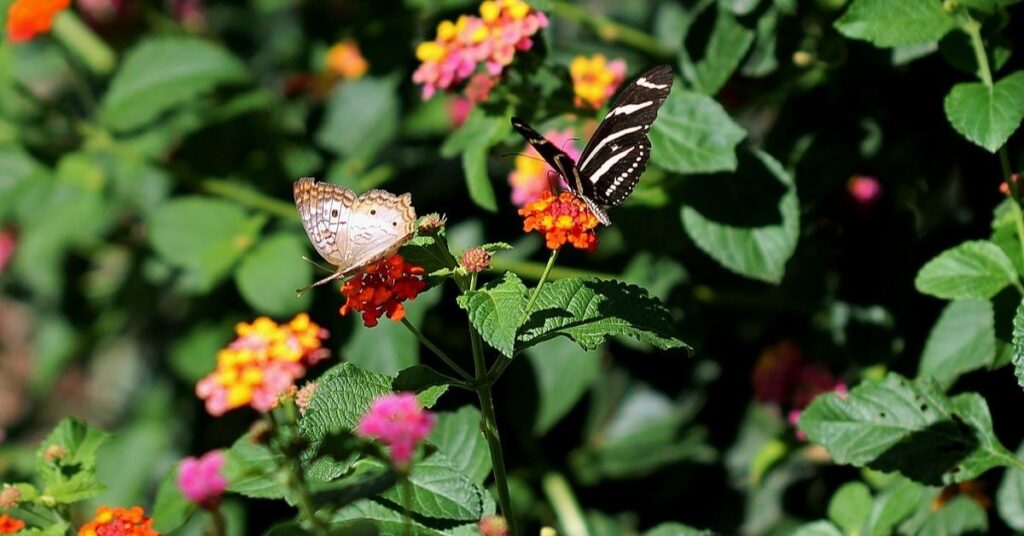
Lantana is a colorful, hardy plant that thrives in warm climates.
Why butterflies love lantana:
- Continuous blooms
- Bright multicolored flower clusters
- Extremely rich in nectar
It also attracts hummingbirds and bees, making it excellent for pollinator gardens.
4. Zinnia
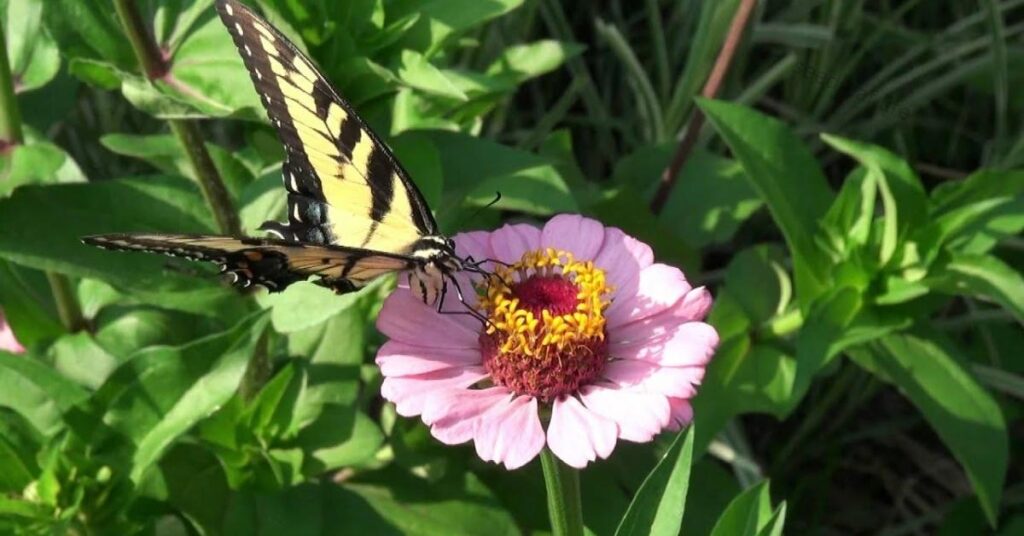
Zinnias are easy to grow and perfect for beginners.
Why they work:
- Flat flower heads ideal for butterflies
- Long blooming season
- Available in many bright colors
Zinnias are especially attractive to swallowtails and painted lady butterflies.
5. Coneflower (Echinacea)
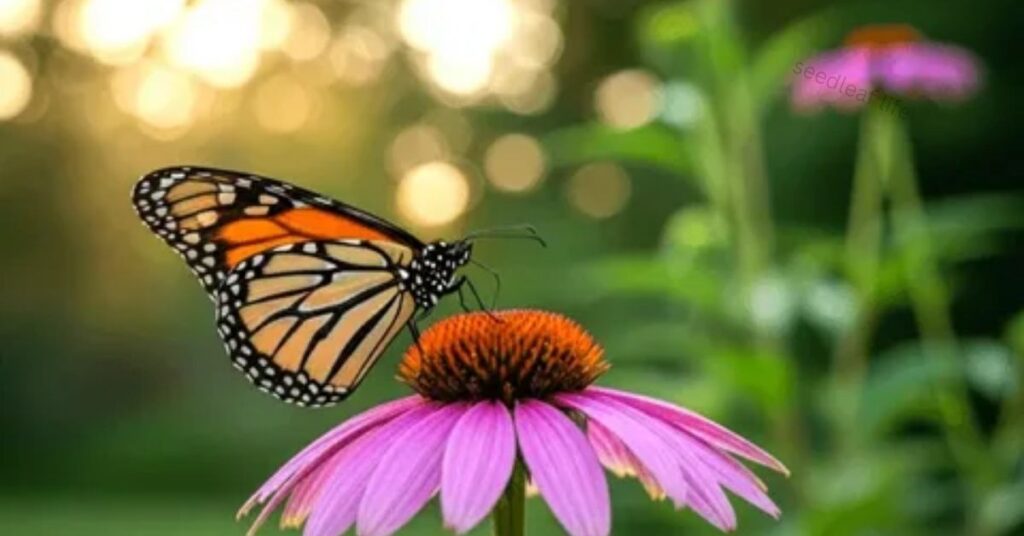
Coneflowers are native perennials with medicinal value and pollinator appeal.
Benefits:
- Long-lasting blooms
- High nectar content
- Drought-resistant
Purple coneflowers are particularly effective in attracting butterflies.
6. Black-Eyed Susan (Rudbeckia)
These bright yellow flowers are both ornamental and functional.
Why butterflies visit them:
- Open flower shape
- High pollen and nectar
- Bloom from summer to early fall
They are also excellent for attracting beneficial insects.
7. Lavender
Lavender is famous for its fragrance, but butterflies love it too.
Key features:
- Strong scent attracts butterflies from a distance
- Long blooming period
- Low maintenance plant
Lavender works well in gardens, pots, and borders.
8. Phlox
Phlox is a classic butterfly plant that thrives in many climates.
Advantages:
- Sweet fragrance
- Dense clusters of flowers
- Excellent nectar source
Garden phlox is especially popular with butterflies.
9. Cosmos
Cosmos flowers are delicate yet highly effective at attracting butterflies.
Why choose cosmos:
- Simple open blooms
- Easy access to nectar
- Fast-growing annual plant
They are ideal for wildflower gardens.
10. Verbena
Verbena blooms continuously and thrives in sunny conditions.
Why butterflies love it:
- Small clustered flowers
- Extended bloom season
- Low water requirement
Purple verbena is especially effective.
Best Host Plants for Butterfly Caterpillars
Butterflies will only lay eggs on specific host plants. Including these plants ensures future generations of butterflies.
11. Parsley, Dill, and Fennel
These herbs are host plants for swallowtail butterflies.
Bonus: You can harvest them for cooking while still supporting butterflies.
12. Passionflower Vine
Passionflower is a host plant for Gulf fritillary and zebra longwing butterflies.
Why it’s special:
- Exotic flowers
- Fast-growing vine
- Supports multiple butterfly species
13. Citrus Trees
In warm climates, citrus trees serve as host plants for swallowtails.
- Lemon
- Orange
- Lime
14. Nettle
Though often considered a weed, nettle is a vital host plant.
Supports:
- Red admiral butterflies
- Tortoiseshell butterflies
Leaving a small patch of nettle can significantly help butterflies.
Native Plants: The Best Choice for Butterflies
Native plants are always the best option when choosing plants that attract butterflies.
Why native plants matter:
- Butterflies recognize them naturally
- Better adapted to local climate
- Require less water and care
- Support local ecosystems
Research native butterfly plants in your region for maximum impact.
How to Design a Butterfly-Friendly Garden
Creating a butterfly garden is more than planting flowers.
1. Provide Sunlight
Butterflies need sunlight to warm their wings. Choose open, sunny areas.
2. Plant in Clusters
Large clusters of the same plant are more attractive than single plants.
3. Offer Water Sources
A shallow dish with water and stones helps butterflies hydrate.
4. Avoid Pesticides
Even organic pesticides can harm butterflies and caterpillars.
5. Ensure Year-Round Blooms
Plant flowers that bloom at different times of the year to provide continuous nectar.
Plants That Attract Butterflies in Small Spaces
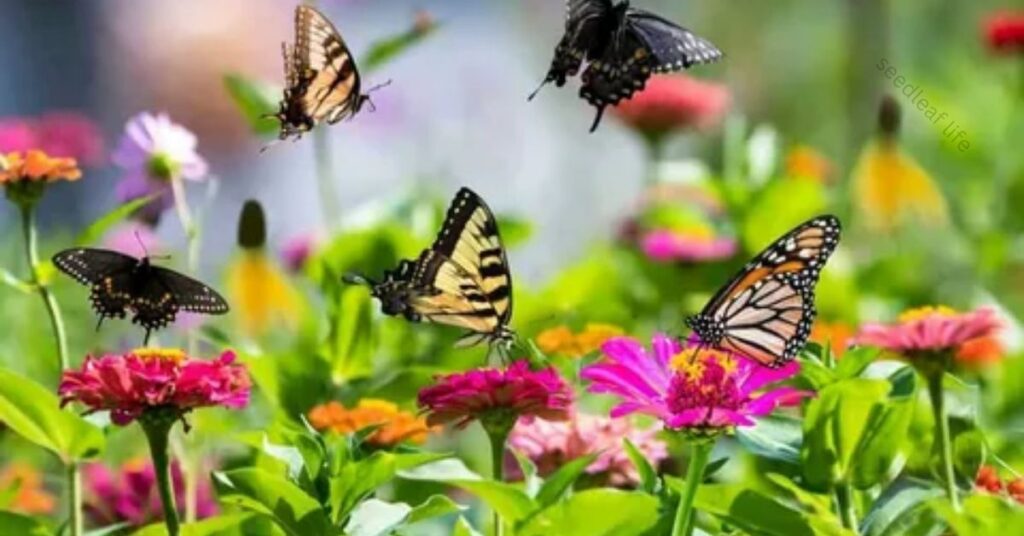
You don’t need a large garden to attract butterflies.
Best plants for pots and balconies:
- Zinnia
- Lantana
- Lavender
- Verbena
- Cosmos
Use containers with good drainage and place them in sunny locations.
Seasonal Plants That Attract Butterflies
Spring
- Phlox
- Milkweed
- Lavender
Summer
- Butterfly bush
- Zinnia
- Coneflower
Fall
- Goldenrod
- Asters
- Black-eyed Susan
Seasonal planting ensures butterflies have food throughout the year.
Common Mistakes to Avoid
- Using chemical fertilizers or pesticides
- Planting only decorative, non-native plants
- Ignoring host plants for caterpillars
- Over-pruning flowering plants
- Lack of sunlight
Avoiding these mistakes will significantly increase butterfly visits.
Benefits of Attracting Butterflies
Planting butterfly-friendly plants offers multiple benefits:
- Improves pollination
- Supports declining butterfly populations
- Enhances garden beauty
- Encourages biodiversity
- Creates a peaceful natural environment
Butterfly gardens are also excellent for education and mental well-being.
Frequently Asked Questions (FAQs)
What color flowers attract butterflies the most?
Butterflies prefer bright colors like purple, red, orange, yellow, and pink.
Do butterflies like roses?
Most roses have low nectar and are less attractive to butterflies.
Can butterflies survive without flowers?
No, adult butterflies depend on nectar for energy.
How long does it take to attract butterflies?
With the right plants, butterflies may appear within weeks.
Conclusion
Choosing the right plants that attract butterflies is one of the most rewarding steps you can take for your garden and the environment.
By planting nectar-rich flowers, native species, and essential host plants, you create a sustainable habitat where butterflies can feed, breed, and thrive.
Whether you have a large backyard or a small balcony, you can make a difference. With thoughtful planning, pesticide-free care, and a variety of flowering plants, your space can become a colorful sanctuary filled with fluttering wings and natural beauty.
Leave a Reply
You must be logged in to post a comment.