

Roses are often called the queens of the garden, admired for their elegance, fragrance, and stunning flowers. However, to keep roses healthy and blooming abundantly, proper nutrition is essential.
Knowing when and how to fertilise roses can make the difference between weak plants with few flowers and vigorous bushes covered in blooms, especially when growing varieties like the Damask rose plant.
In this comprehensive guide, you’ll learn why fertilising roses is important, the best types of fertilisers to use, how often to apply them, and common mistakes to avoid. Whether you grow roses in the ground or in containers, this article will help you fertilise roses the right way.
Why It’s Important to Fertilise Roses
Roses are heavy feeders. They require a consistent supply of nutrients to support:
- Strong root development.
- Healthy foliage growth.
- Continuous flowering.
- Resistance to pests and diseases.
Over time, soil nutrients are depleted, especially in intensively cultivated gardens. Fertilizing replenishes these nutrients and ensures roses have everything they need to thrive.
Understanding Rose Nutrient Requirements
Before learning how to fertilise roses, it’s important to understand the nutrients they need.
Primary Nutrients (Macronutrients)
- Nitrogen (N): Promotes leafy growth and healthy stems.
- Phosphorus (P): Encourages root development and flower production.
- Potassium (K): Improves overall plant health and disease resistance.
A balanced fertiliser containing all three is essential for roses.
Secondary and Micronutrients
Roses also benefit from:
- Calcium – strengthens cell walls.
- Magnesium – aids photosynthesis.
- Iron – prevents yellowing leaves.
- Zinc and manganese – support enzyme functions.
Quality rose usually include these elements.
When to Fertilise Roses

Timing plays a crucial role in effective rose fertilisation.
Fertilising Roses in Spring
Spring is the most important feeding period.
- Start fertilising when new growth appears.
- Apply fertiliser after pruning.
- Supports strong early-season growth.
Spring feeding sets the foundation for the entire growing season.
Fertilising Roses in Summer
Roses need continued feeding during flowering.
- Fertilise every 4–6 weeks.
- Use lighter applications.
- Helps maintain continuous blooms.
Stop feeding during extreme heat to avoid plant stress.
Fertilising Roses in Autumn
Autumn feeding should be minimal.
- Apply a low-nitrogen fertiliser
- Focus on root strength, not leaf growth
- Stop fertilising 6–8 weeks before first frost
This prepares roses for dormancy.
Fertilising Roses in Winter
Roses do not need fertiliser in winter.
- Plants are dormant.
- Fertilising can damage roots.
- Resume feeding in spring.
Types of Fertilisers for Roses
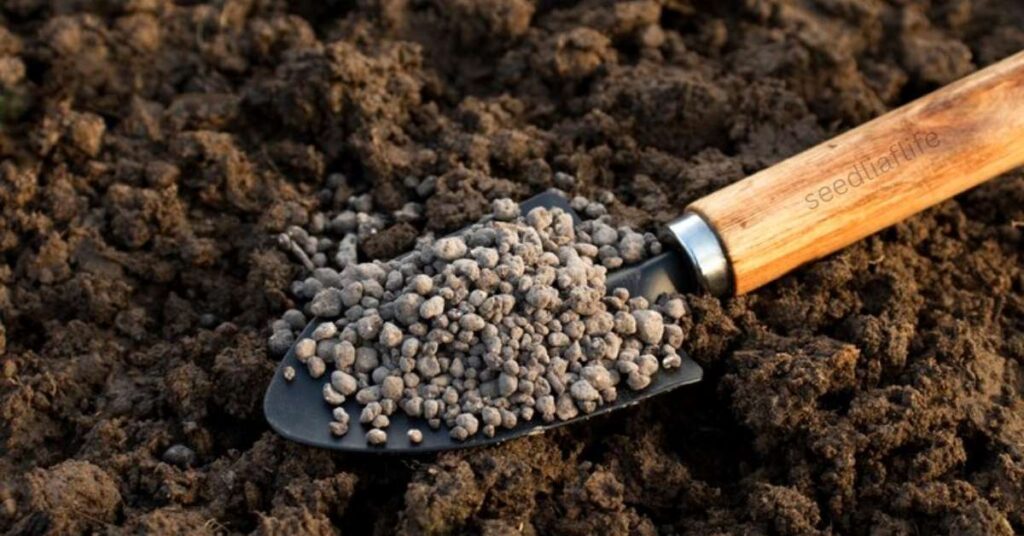
Choosing the right fertiliser is key to healthy roses.
1. Organic Fertilisers for Roses
Organic fertilisers release nutrients slowly and improve soil health.
Popular organic options:
- Compost
- Well-rotted manure
- Bone meal
- Fish emulsion
- Seaweed extract
Benefits:
- Improves soil structure.
- Safe for beneficial organisms.
- Reduces risk of overfeeding.
Organic fertilisers are ideal for long-term soil health.
2. Chemical (Synthetic) Fertilisers
Chemical fertilisers provide quick nutrient availability.
Common forms:
- Granular fertilisers.
- Water-soluble fertilisers.
- Slow-release pellets.
Benefits:
- Immediate results.
- Precise nutrient control.
However, overuse can damage soil and roots.
3. Liquid Fertilisers
Liquid fertilisers are fast-acting and easy to apply.
- Absorbed quickly by roots and leaves.
- Ideal for container-grown roses.
- Useful during active flowering.
They require more frequent application.
Best Fertiliser Ratios for Roses
A balanced NPK ratio works best.
Recommended ratios:
- 10-10-10 (general feeding)
- 12-6-6 (leaf growth support)
- 5-10-5 (flower-focused feeding)
Choose a fertiliser formulated specifically for roses for best results.
How to Fertilise Roses: Step-by-Step Guide
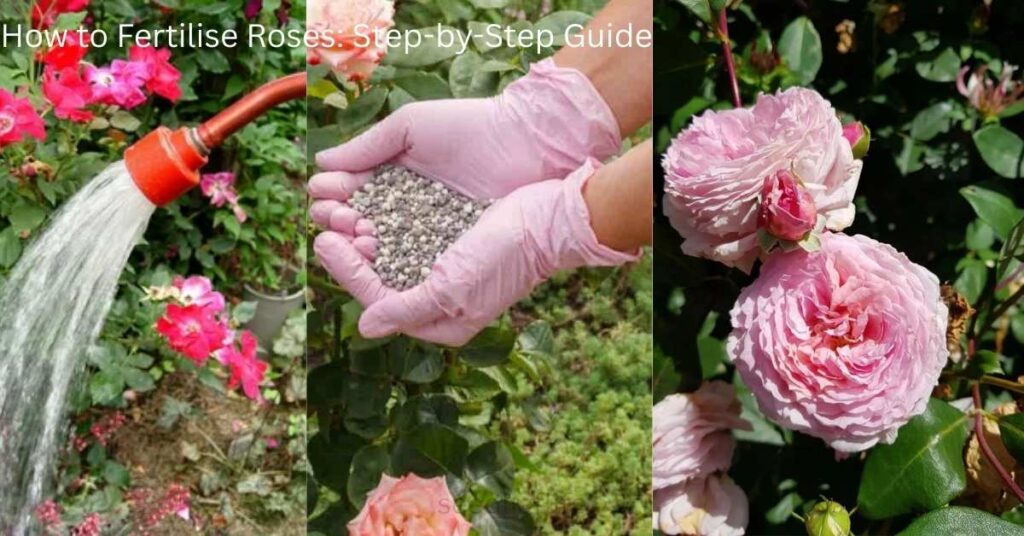
Step 1: Water the Soil
Always water roses before fertilising to prevent root burn.
Step 2: Apply Fertiliser Evenly
Spread fertiliser around the base, keeping it away from the stem.
Step 3: Lightly Work Into Soil
Gently mix granular fertiliser into the topsoil.
Step 4: Water Again
Water thoroughly to activate nutrients.
Proper application ensures effective nutrient absorption.
Fertilise Roses in Containers
Container roses need more frequent feeding.
Tips for Potted Roses:
- Use liquid or slow-release fertiliser.
- Feed every 2–4 weeks during growth.
- Ensure good drainage.
Container soil loses nutrients quickly, so regular feeding is essential.
Signs Your Roses Need Fertilising
Look out for these warning signs:
- Yellowing leaves
- Weak stems
- Reduced flowering
- Slow growth
- Pale foliage
These symptoms often indicate nutrient deficiencies.
Over-Fertilising Roses: What to Avoid
Too much fertiliser can be harmful.
Signs of Over-Fertilisation:
- Burned leaf edges.
- Excessive leafy growth with few flowers.
- Salt buildup in soil.
- Root damage.
Always follow recommended dosages.
Fertilise Roses Naturally: Home Remedies
You can fertilise roses using natural household materials.
Safe natural options:
- Compost tea
- Banana peels (potassium source)
- Epsom salt (magnesium, used sparingly)
- Eggshells (calcium)
Use these supplements carefully and in moderation.
Fertilising Roses After Pruning

Feeding after pruning helps roses recover.
- Apply fertiliser once new growth appears.
- Supports strong shoot development.
- Enhances flowering performance.
Never fertilise immediately after heavy pruning in winter.
Climate Considerations When Fertilising Roses
Warm Climates
- Longer feeding season.
- Reduce fertiliser during extreme heat.
Cold Climates
- Shorter feeding window.
- Focus on spring and early summer.
Adjust fertilising schedule based on local climate.
Common Mistakes When You Fertilise Roses
- Fertilising dry soil.
- Using too much nitrogen.
- Feeding during dormancy.
- Applying fertiliser too close to the stem.
- Ignoring soil quality.
Avoiding these mistakes improves rose health significantly.
FAQs:
Q: How often should I fertilise roses?
Every 4–6 weeks during the growing season.
Q: Can I fertilise roses during flowering?
Yes, light feeding supports continuous blooms.
Q: What is the best fertiliser for roses?
A balanced fertiliser or one specifically designed for roses.
Q: Are organic fertilisers better for roses?
Organic fertilisers improve soil health and are safer long-term.
Conclusion
Learning how to fertilise roses properly is one of the most important steps in growing strong, healthy, and beautifully blooming plants. Roses require consistent nutrition, but timing, balance, and moderation are key.
can enjoy lush foliage, vibrant flowers, and resilient rose bushes throughout the growing season. Whether you prefer organic methods or commercial products, proper fertilisation will help your roses reach their full potential.
Feed your roses wisely—and let them reward you with stunning blooms.