

Hydrangeas are among the most beloved flowering shrubs in gardens around the world, prized for their large blooms, lush foliage, and long flowering season. However, despite their popularity, many gardeners struggle with poor flowering, weak growth, or leaf damage — and in most cases, the problem comes down to planting hydrangeas in the wrong location.
Knowing where to plant hydrangeas is the single most important factor in determining how well they grow and how beautifully they bloom. Sun exposure, soil type, spacing, airflow, and even nearby plants all play a critical role in hydrangea success. A hydrangea planted in the right spot can thrive for decades, while one planted poorly may never perform well no matter how much care it receives.
In this complete guide, you will learn exactly where to plant hydrangeas for optimal sunlight, soil, moisture, and protection, how placement differs by hydrangea type, and how to avoid the most common location-related mistakes. Whether you are planting hydrangeas in the ground, near your home, or in containers, this article will help you choose the perfect spot for long-lasting, spectacular blooms.
Understanding Hydrangea Needs Before Choosing a Location
Before deciding where to plant hydrangeas, it is essential to understand what these plants need to thrive.
Hydrangeas prefer:
- Consistent moisture (not waterlogged soil).
- Well-draining, fertile soil.
- Protection from harsh afternoon sun.
- Good air circulation.
- Enough space to grow to full size.
While hydrangeas are adaptable, they are not carefree shrubs. Planting them in the wrong place often leads to scorched leaves, weak stems, or little to no flowering.
Where to Plant Hydrangeas for Best Sunlight
Ideal Sun Exposure for Hydrangeas
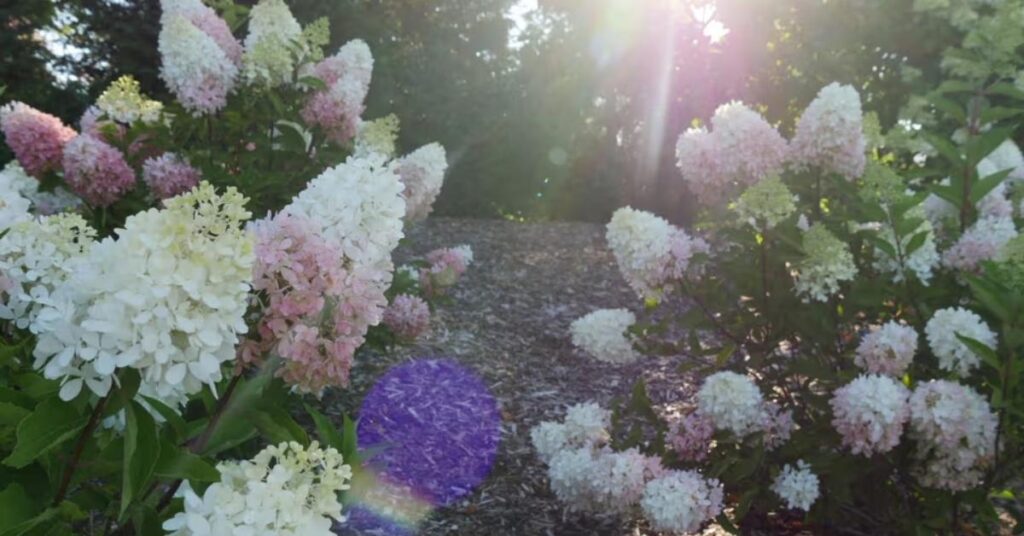
Most hydrangeas grow best in morning sun and afternoon shade. This balance allows the plant to receive enough light for flowering while avoiding intense heat that can cause stress.
- Morning sun: Encourages strong blooms.
- Afternoon shade: Prevents leaf scorch and wilting.
In general, the ideal location receives 4–6 hours of sunlight per day, primarily earlier in the day.
Where to Plant Hydrangeas in Full Sun
Some hydrangeas tolerate more sun than others. If planting in a sunnier location, choose varieties that handle sun better, such as:
- Panicle hydrangeas (Hydrangea paniculata).
- Smooth hydrangeas (Hydrangea arborescens).
Even sun-tolerant hydrangeas benefit from some protection during extreme heat, especially in warmer climates.
Where to Plant Hydrangeas in Shade
Hydrangeas do not perform well in deep shade. Too little light results in:
- Excessive leaf growth.
- Few or no flowers.
- Weak, floppy stems.
Light or dappled shade, especially under tall trees, can work well as long as the plant still receives some direct light.
Best Soil Location for Planting Hydrangeas
Soil Drainage Matters More Than Soil Type
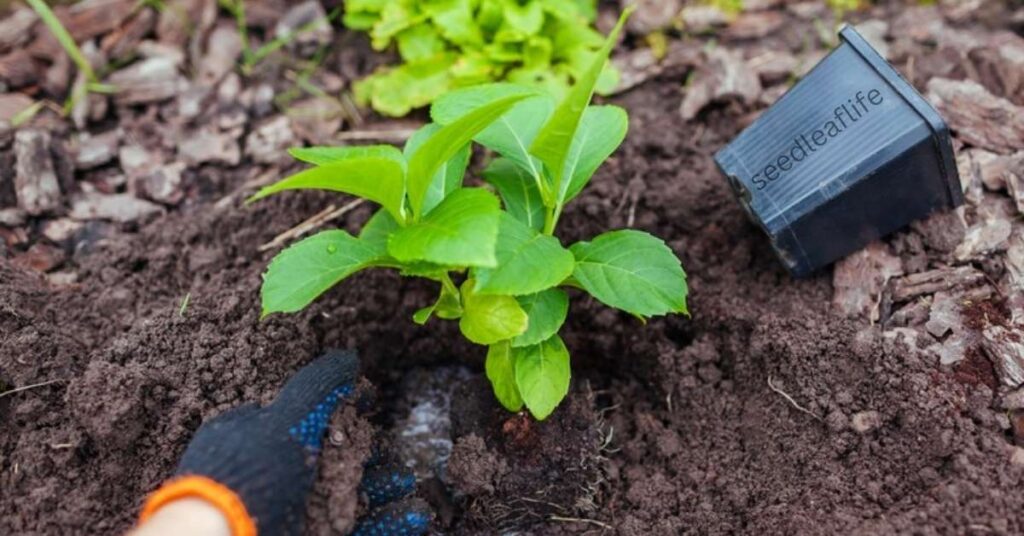
Hydrangeas prefer moist but well-draining soil. Poor drainage is one of the fastest ways to kill a hydrangea.
Avoid planting hydrangeas in:
- Low-lying areas where water collects.
- Heavy clay soil without amendment.
- Areas near downspouts or runoff zones.
Raised beds or slightly sloped ground are often ideal.
Soil Quality and Fertility
Hydrangeas grow best in rich, organic soil. When choosing where to plant hydrangeas, look for areas where soil can be easily amended with compost or organic matter.
Healthy soil supports:
- Strong root development.
- Consistent moisture retention.
- Better nutrient availability.
Where to Plant Hydrangeas in the Landscape
Planting Hydrangeas Near the House
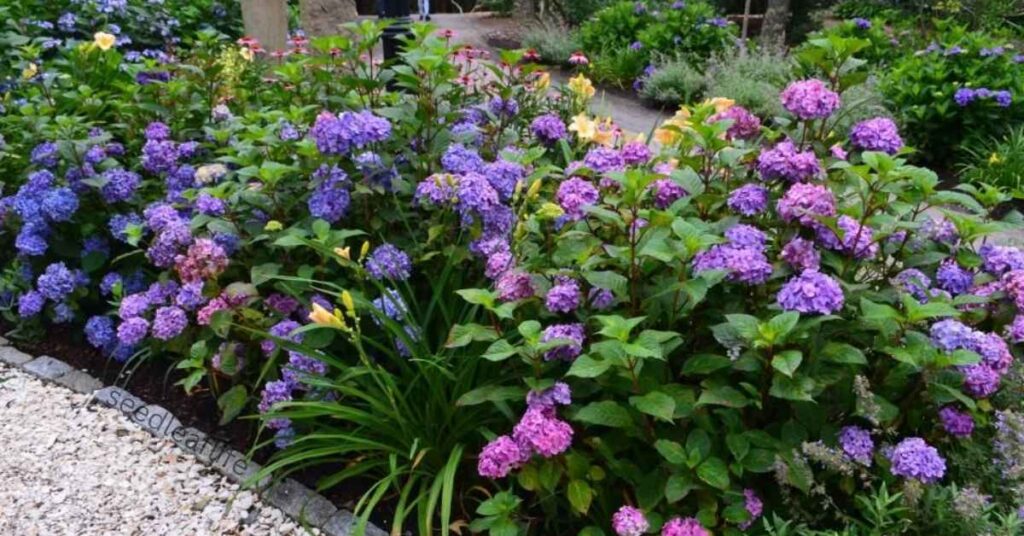
Hydrangeas are excellent foundation plants when placed correctly.
Best practices:
- Plant 3–5 feet away from walls for airflow.
- Avoid areas with reflected heat from brick or concrete.
- Ensure roof runoff does not oversaturate roots.
North- or east-facing sides of homes are often ideal locations.
Where to Plant Hydrangeas in Garden Beds
Hydrangeas work beautifully as:
- Back-of-border shrubs.
- Mid-layer focal plants.
- Informal hedges.
Choose a spot where they have room to mature without overcrowding neighboring plants.
Where to Plant Hydrangeas Under Trees
Planting under trees can work only if competition for water is minimal. Shallow-rooted trees often steal moisture, leading to stressed hydrangeas.
Light-filtering trees with deep roots are better companions than dense, thirsty species.
Where to Plant Different Types of Hydrangeas
Bigleaf Hydrangeas (Hydrangea macrophylla)
Best location:
- Morning sun, afternoon shade.
- Protected from wind and extreme heat.
- Moist, well-draining soil.
These hydrangeas are most sensitive to poor placement.
Panicle Hydrangeas (Hydrangea paniculata)
Best location:
- Full sun to partial shade.
- Open areas with good airflow.
They are the most sun-tolerant hydrangeas.
Smooth Hydrangeas (Hydrangea arborescens)
Best location:
- Partial sun.
- Consistent moisture.
They tolerate heat better than big leaf types but still appreciate some shade.
Oakleaf Hydrangeas (Hydrangea quercifolia)
Best location:
- Dappled shade or partial sun.
- Woodland-style gardens.
Oak leaf hydrangeas prefer protection from harsh sun and wind.
Where to Plant Hydrangeas in Containers
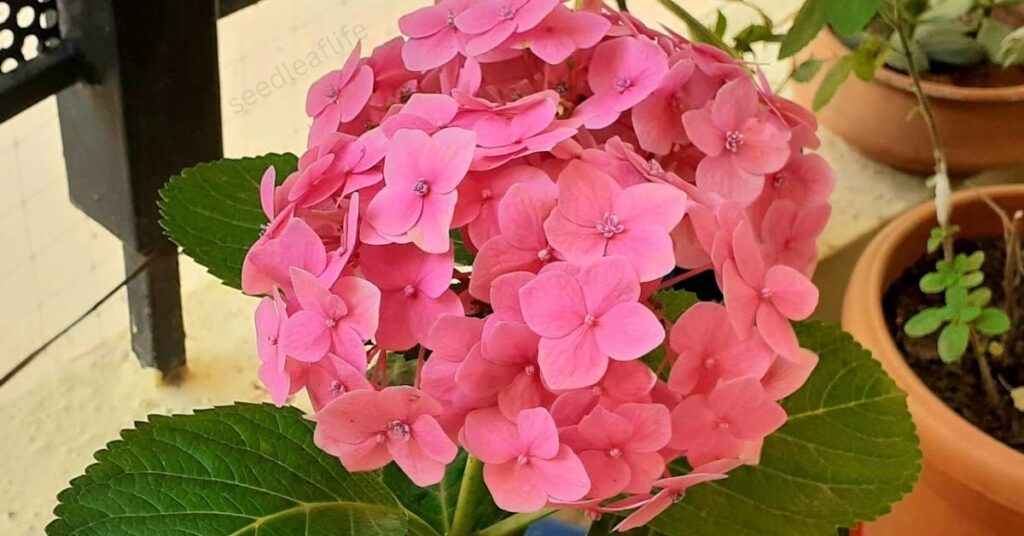
Hydrangeas can be grown in containers if placed properly.
Ideal container placement:
- Morning sun, afternoon shade.
- Sheltered from strong wind.
- Easy access to watering.
Containers dry out faster, so placement should avoid intense midday sun.
Spacing: A Critical Part of Where to Plant Hydrangeas
Crowding hydrangeas leads to:
- Poor airflow.
- Increased disease risk.
- Reduced flowering.
Always plant hydrangeas with their mature size in mind, not their size at planting time.
Common Location Mistakes When Planting Hydrangeas
Avoid these common errors:
- Planting in full afternoon sun.
- Planting in soggy soil.
- Placing too close to buildings.
- Ignoring mature plant size.
- Planting in deep shade.
Correct placement solves most hydrangea problems before they start.
Frequently Asked Questions About Where to Plant Hydrangeas
Can Hydrangeas Grow in Full Sun?
Some types can, but most prefer partial sun with afternoon shade. Too much sun causes leaf scorch.
Is Morning or Afternoon Sun Better for Hydrangeas?
Morning sun is better. Afternoon sun is often too intense and stressful.
Can I Plant Hydrangeas Next to a Fence?
Yes, as long as:
- Airflow is adequate
- The fence does not reflect excessive heat
- The plant has room to grow
Can Hydrangeas Be Planted Close Together?
No. Overcrowding reduces airflow and bloom production.
Where Should I Not Plant Hydrangeas?
Avoid:
- Low spots with standing water
- Full shade
- Hot, reflective surfaces
- Areas with heavy root competition
Do Hydrangeas Need Protection From Wind?
Yes. Strong winds damage flowers and dry out soil quickly.
Can Hydrangeas Grow on the North Side of a House?
Yes. North-facing locations are often ideal in warmer climates.
Can Hydrangeas Be Planted on Slopes?
Yes, if the slope provides good drainage and stable soil.
Can I Move a Hydrangea If It’s in the Wrong Spot?
Yes. Hydrangeas transplant best in early spring or fall.
Are Hydrangeas Worth Planning and Placement Carefully?
Absolutely. Hydrangeas are long-lived shrubs, and proper placement determines their success for years or even decades. Taking the time to choose the right spot ensures stronger plants, more flowers, and less maintenance.
Conclusion
Knowing where to plant hydrangeas is the key to unlocking their full beauty. With the right balance of sunlight, well-draining soil, adequate spacing, and protection from extreme conditions, hydrangeas reward gardeners with lush foliage and spectacular blooms year after year. Whether planted in the ground, near your home, or in containers, choosing the correct location ensures healthier plants, fewer problems, and maximum flowering potential.