
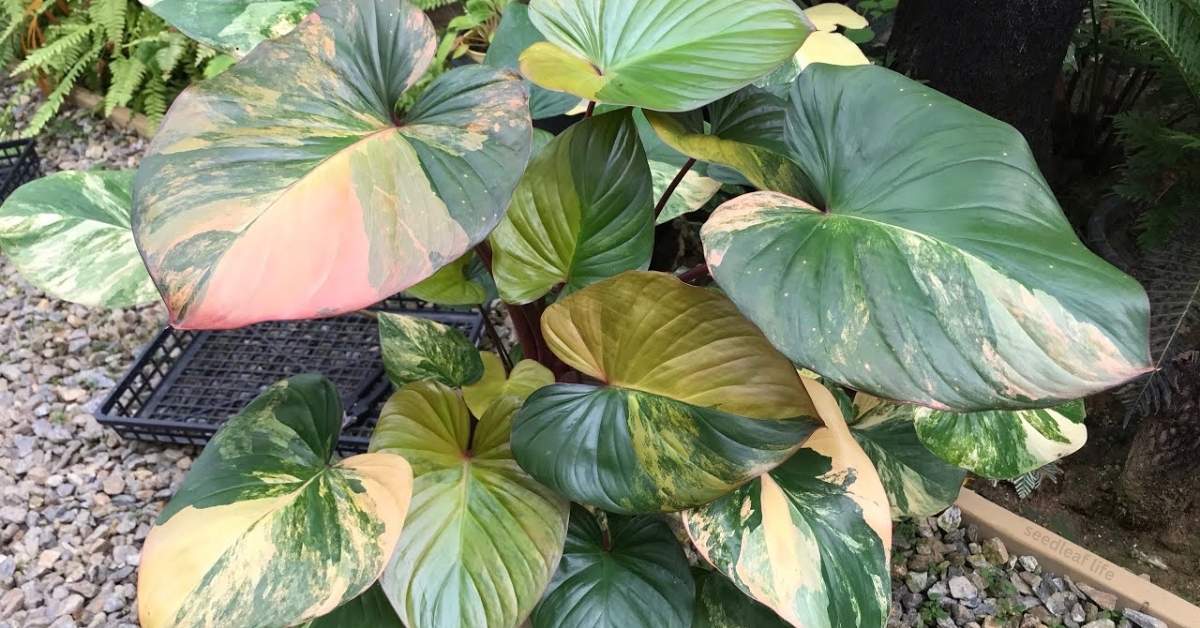
The homalomena plant is a stunning tropical houseplant known for its lush, heart-shaped leaves and rich green foliage. Native to Southeast Asia and parts of South America, homalomena plant belongs to the Araceae family, the same family as Philodendrons and Peace Lilies.
Its compact growth, glossy leaves, and tolerance for indoor conditions make it an excellent choice for homes and offices.
Homalomena is often appreciated for its low-maintenance nature compared to other tropical plants. It adapts well to indoor environments, thrives in low to medium light, and adds an exotic feel without requiring constant attention.
Many varieties also emit a subtle fragrance from their leaves, making them unique among foliage plants.
In this comprehensive guide, you’ll learn everything you need to know about Homalomena, including its benefits, popular varieties, ideal growing conditions, and essential care tips.
Whether you’re a beginner or a seasoned plant enthusiast, this article will help you grow a healthy, thriving Homalomena plant indoors.
Benefits of Growing Homalomena
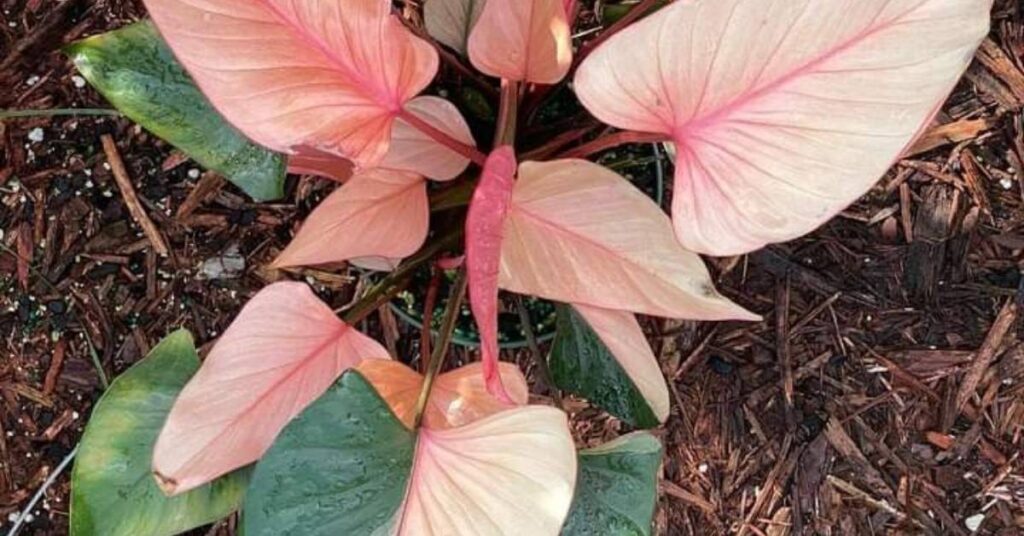
The Homalomena plant offers a combination of beauty, resilience, and practicality that makes it a favorite among indoor plant lovers.
Read more : Good House Plants: The Ultimate Guide for a Healthy, Beautiful Home
Attractive Tropical Foliage
Homalomena is prized for its broad, glossy, heart-shaped leaves that create a bold visual statement. Its dense growth makes it an excellent focal plant for shelves, tabletops, and corners.
Thrives in Low to Medium Light
Unlike many tropical plants, Homalomena performs well in low to moderate light, making it ideal for apartments and offices with limited sunlight.
Low Maintenance Houseplant
Once established, Homalomena requires minimal care. It doesn’t need frequent watering or pruning, making it suitable for busy homeowners and beginners.
Popular Types of Homalomena
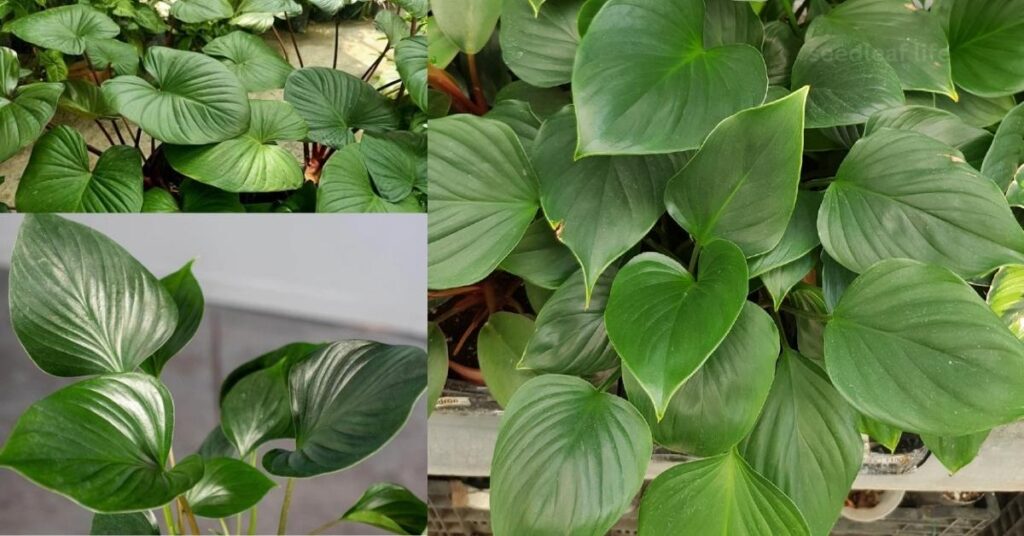
There are several beautiful varieties of Homalomena, each with unique leaf shapes and colors.
Homalomena rubescens
This is the most common variety, known for its deep green leaves and reddish stems. It’s highly adaptable and ideal for indoor growing.
Homalomena ‘Emerald Gem’
A compact variety with glossy, emerald-green foliage. It’s perfect for small spaces and tabletops.
Homalomena ‘Maggy’
This variety features broader leaves and a slightly bushier growth habit, making it an excellent statement plant.
Ideal Growing Conditions for Homalomena
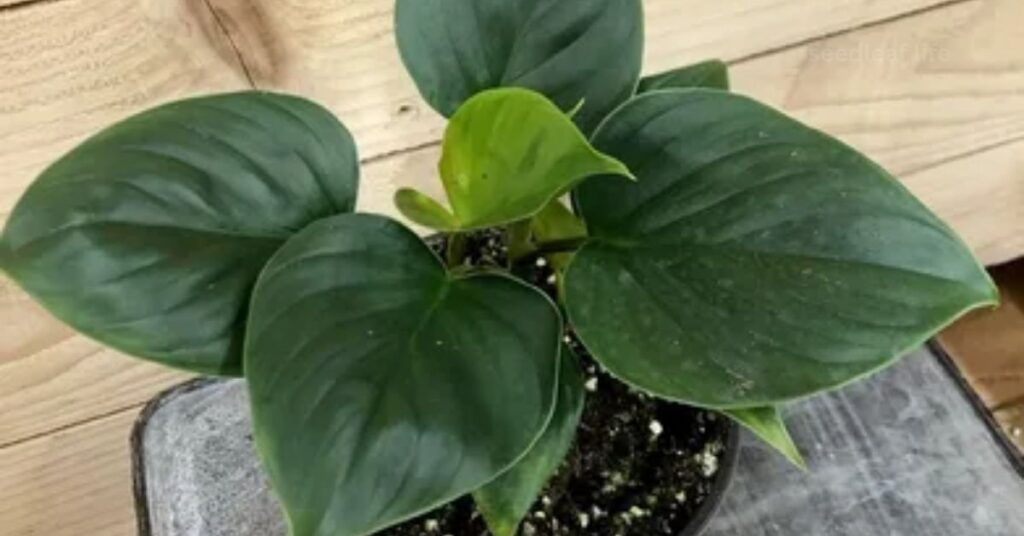
Providing the right environment helps your Homalomena plant thrive.
Light Requirements
Homalomena prefers bright, indirect light but tolerates low light well. Direct sunlight can scorch its leaves, so avoid placing it in harsh sun.
Soil Preferences
Use a well-draining, organic-rich potting mix. A mix designed for aroids works best, allowing airflow around the roots.
Temperature and Humidity
Homalomena thrives in warm temperatures between 18–30°C (65–86°F). It prefers high humidity but adapts to normal indoor levels.
How to Care for Homalomena Plants
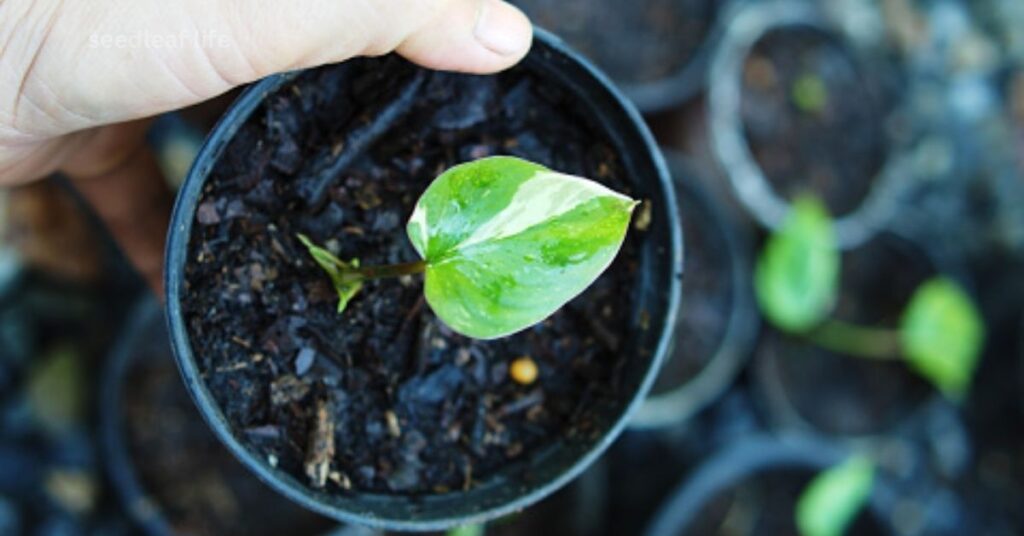
Proper care ensures your Homalomena remains healthy and vibrant.
Watering Tips
Water when the top inch of soil feels dry. Overwatering can lead to root rot, while underwatering may cause leaf drooping.
Fertilization
Feed with a balanced liquid fertilizer every 4–6 weeks during spring and summer. Reduce feeding in winter.
Pruning and Maintenance
Remove yellow or damaged leaves to maintain appearance and promote new growth. Minimal pruning is needed.
Common Problems and Solutions
- Yellow leaves: Overwatering or poor drainage
- Brown leaf edges: Low humidity or underwatering
- Pests: Spider mites or mealybugs; treat with neem oil
Growing Homalomena Indoors
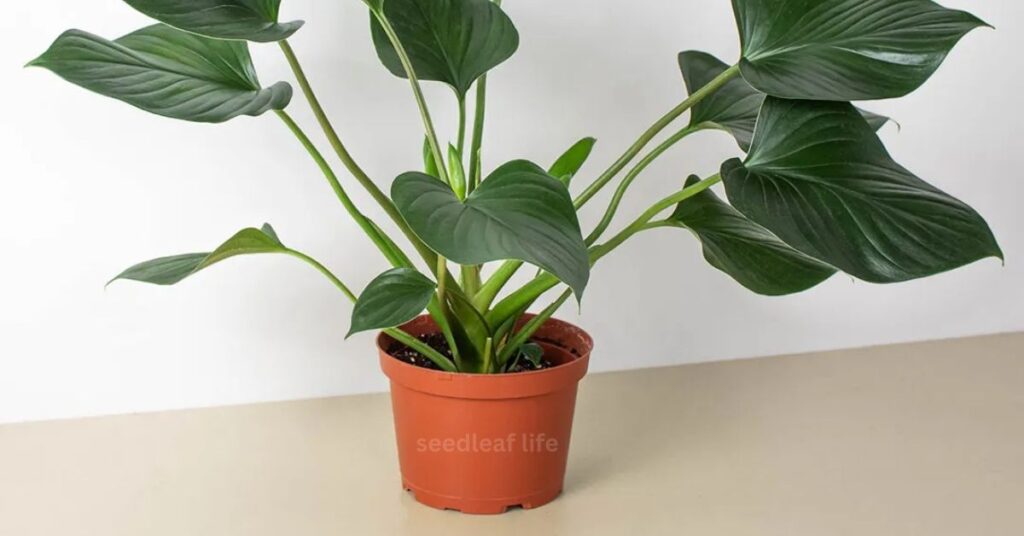
Homalomena is best grown as an indoor plant in most climates.
Container Selection
Choose a pot with drainage holes to prevent waterlogging. Slightly snug pots encourage healthier growth.
Placement Tips
Place Homalomena in living rooms, bedrooms, or offices with filtered light. Avoid cold drafts and heat vents.
Frequently Asked Questions About Homalomena
Is Homalomena easy to grow?
Yes, Homalomena is beginner-friendly and adapts well to indoor environments.
Does Homalomena need bright light?
No, it thrives in low to medium indirect light.
Is Homalomena toxic to pets?
Yes, like many aroids, Homalomena can be toxic if ingested by pets.
How fast does Homalomena grow?
It has a moderate growth rate, growing faster in warm, humid conditions.
Conclusion
The Homalomena plant is a perfect blend of tropical beauty and easy care. Its lush foliage, adaptability to low light, and low maintenance requirements make it an excellent choice for indoor gardeners of all experience levels. Whether placed on a tabletop, shelf, or as a floor plant, Homalomena adds elegance and greenery to any space.
By providing proper light, well-draining soil, and consistent watering, you can enjoy a healthy Homalomena plant for years. Its calming presence and striking appearance make it a valuable addition to modern homes and offices alike.
If you’re looking for a reliable, attractive houseplant that thrives indoors with minimal effort, Homalomena is an excellent choice worth adding to your plant collection.