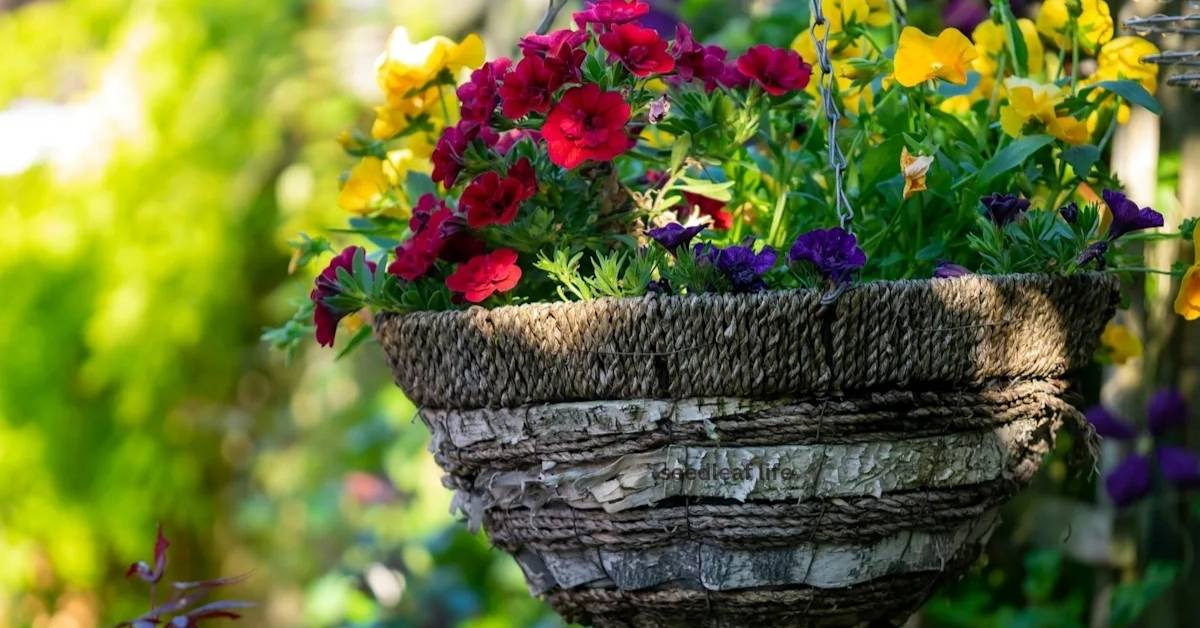
Basket planting is one of the most attractive and versatile gardening techniques, perfect for adding beauty, greenery, and life to any space. Whether you have a large garden, a small balcony, or an indoor corner that needs a touch of nature, planting allows you to grow healthy and beautiful plants creatively. Hanging baskets and decorative plant baskets not only enhance visual appeal but also make efficient use of limited space.
In this detailed guide, you will learn everything you need to know about planting—from choosing the right baskets and soil to plant selection, watering, fertilizing, and long-term care. By following these expert tips, you can enjoy lush, vibrant plants all year round.
What Is Basket Planting?
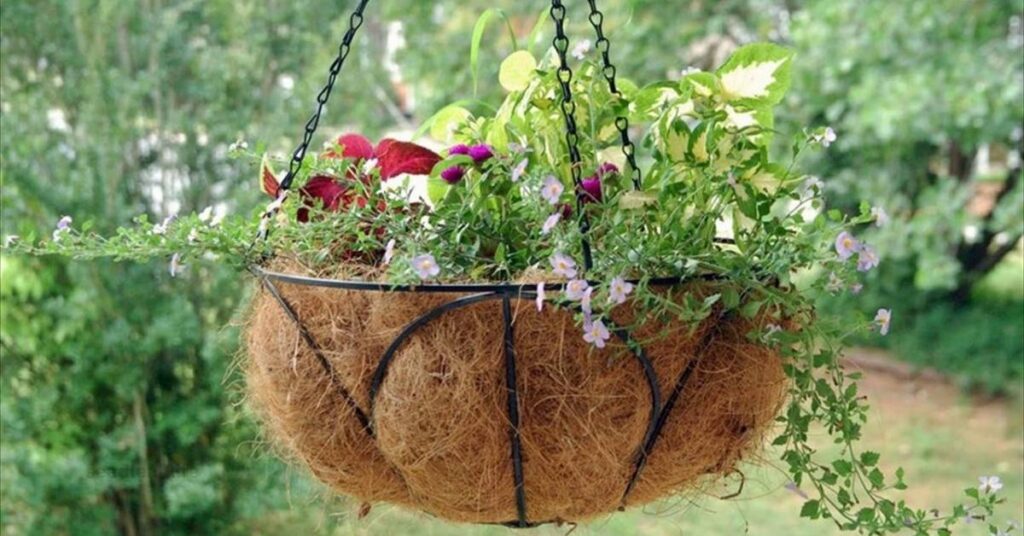
Basket planting is the practice of growing plants in baskets instead of directly in the ground or traditional pots. These baskets can be hanging baskets, wall-mounted baskets, or decorative floor baskets. Basket planting is especially popular for flowers, trailing plants, herbs, and even some vegetables.
The main advantage of basket planting is flexibility. You can move baskets easily, control soil quality, and protect plants from pests. This method is ideal for urban gardeners, apartment dwellers, and anyone who wants to maximize space while maintaining a beautiful garden.
Benefits
The offers several advantages that make it a favorite choice among gardeners:
1. Space-Saving Gardening
Basket planting is perfect for small spaces such as balconies, patios, and rooftops. Hanging baskets allow you to grow plants vertically without using valuable floor space.
2. Enhanced Visual Appeal
With colorful flowers and cascading greenery, the planting adds charm and elegance to any environment. It creates a layered, dynamic look that ground planting often cannot achieve.
3. Better Pest Control
Plants grown in baskets are less likely to be attacked by soil-borne pests and insects, making them healthier and easier to maintain.
4. Improved Drainage
Most baskets come with proper drainage holes, reducing the risk of waterlogging and root rot.
5. Easy Maintenance
Basket planting allows you to monitor plant health closely, making watering, pruning, and fertilizing more manageable.
Choosing the Right Basket
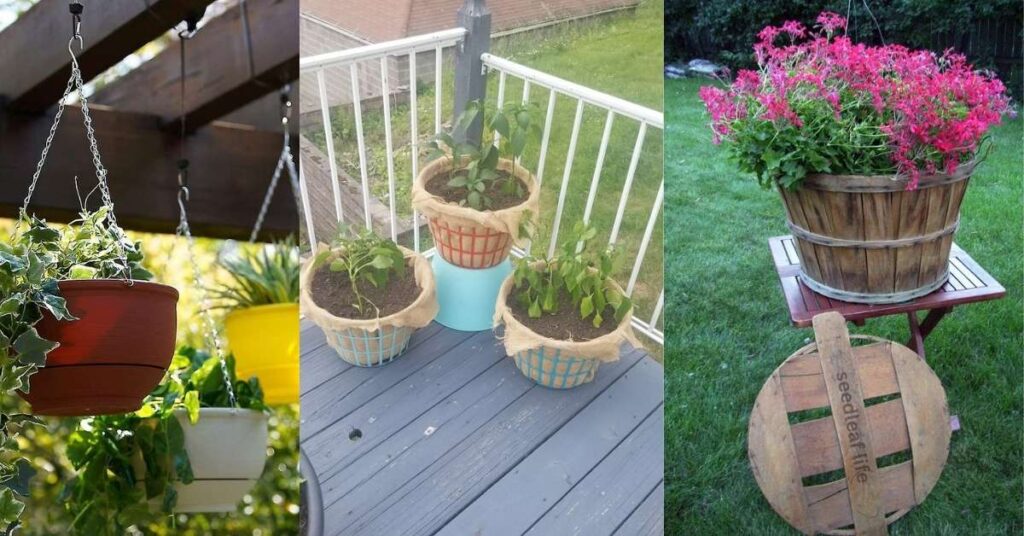
Selecting the right basket is essential for successful basket planting. The material, size, and drainage system all play a crucial role.
Types of Baskets
Wire Baskets
Wire baskets are commonly used for hanging plants. They are lightweight, allow excellent airflow, and are usually lined with coco fiber or moss.
Plastic Baskets
Plastic baskets retain moisture well and are durable. They are ideal for plants that require consistent watering.
Wooden Baskets
Wooden baskets offer a rustic appearance and are best for decorative purposes. Ensure they are treated to resist moisture damage.
Wicker Baskets
Wicker baskets look beautiful but need a waterproof liner to protect the basket and retain moisture.
Basket Size Matters
Choose a basket size based on the plant’s root system. Larger baskets hold more soil, retain moisture longer, and support healthy root growth.
Best Soil Mix for Basket Planting
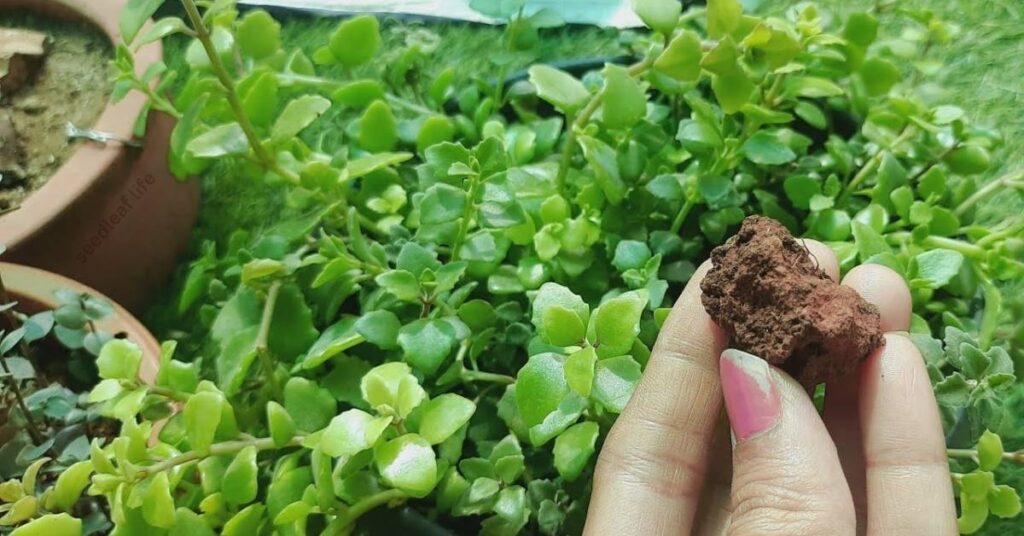
The soil used in basket planting should be lightweight, nutrient-rich, and well-draining.
Ideal Soil Components
- High-quality potting mix
- Coco peat or peat moss for moisture retention
- Perlite or vermiculite for aeration
- Organic compost for nutrients
Avoid using garden soil, as it is too heavy and may cause drainage problems in baskets.
Choosing the Right Plants
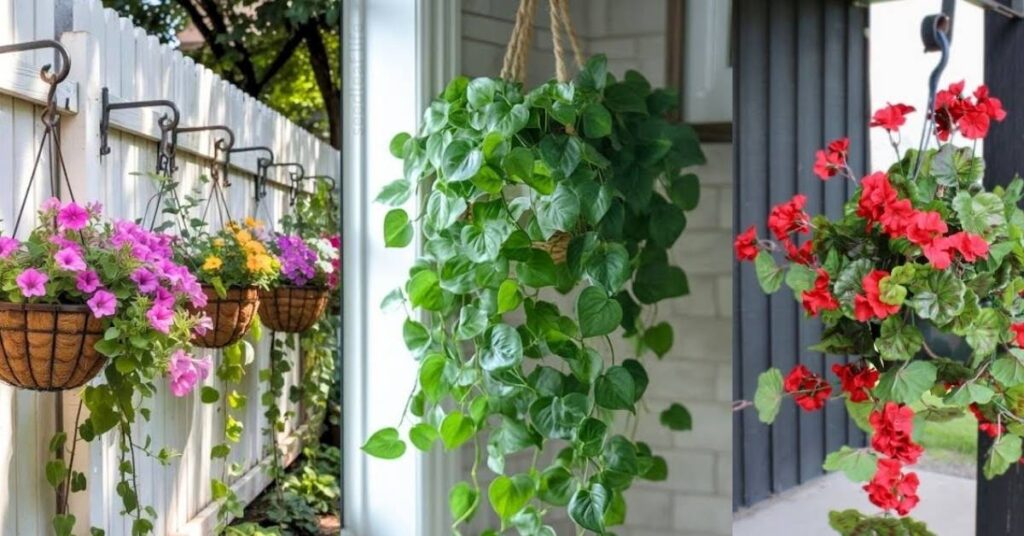
Plant selection is one of the most important aspects of basket planting. Choose plants based on sunlight, climate, and basket size.
Best Flowering Plants
- Petunias
- Geraniums
- Begonias
- Fuchsias
- Lobelia
These flowers thrive in baskets and provide vibrant colors.
Best Trailing Plants for Hanging Baskets
- Ivy
- Pothos
- Spider plant
- String of pearls
Trailing plants are perfect for hanging baskets as they create a cascading effect.
Herbs Suitable for Basket Planting
- Basil
- Mint
- Thyme
- Parsley
- Cilantro
Herbs grow well in baskets and are easy to maintain.
Vegetables for Basket Planting
- Cherry tomatoes
- Strawberries
- Lettuce
- Spinach
With proper care, basket planting can even support vegetable growth.
Proper Planting Technique for Baskets
Follow these steps for successful basket planting:
- Line the basket with coco fiber or a liner
- Add a layer of soil mix
- Place plants gently, ensuring roots are spread evenly
- Fill with soil and press lightly
- Water thoroughly after planting
Spacing is important—overcrowding can restrict airflow and stunt growth.
Watering Tips
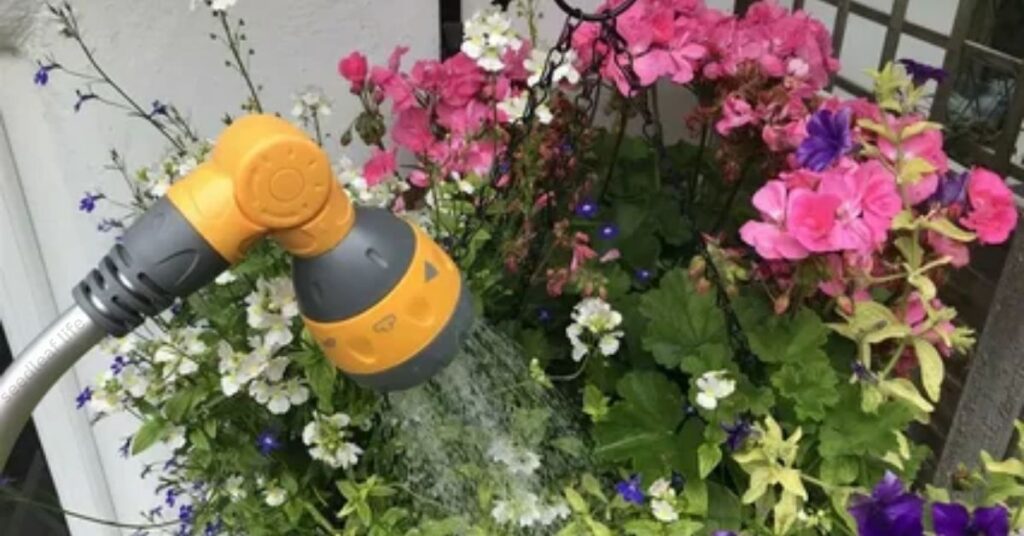
Watering is critical in basket planting because baskets dry out faster than ground soil.
How Often to Water
- Water daily during hot weather
- Check moisture by touching the soil
- Water until excess drains out
Best Watering Practices
- Water early morning or evening
- Avoid wetting leaves excessively
- Use a watering can with a narrow spout
Self-watering baskets can also help maintain consistent moisture levels.
Fertilizing for Healthy Basket Plants
Plants in baskets need regular feeding since nutrients wash out quickly.
Best Fertilizers
- Liquid fertilizers (every 1–2 weeks)
- Slow-release granules
- Organic compost tea
Balanced fertilizers promote strong roots, healthy leaves, and abundant blooms.
Sunlight Requirements for Basket Planting
Different plants require different light conditions:
- Full sun plants: Petunias, geraniums
- Partial shade plants: Begonias, fuchsias
- Shade plants: Ferns, ivy
Place baskets according to plant needs to avoid stress and poor growth.
Pruning and Maintenance Tips
Regular maintenance keeps basket plants looking fresh and healthy.
Pruning Tips
- Remove dead flowers (deadheading)
- Trim overgrown stems
- Remove yellow or damaged leaves
Cleaning and Care
- Check for pests regularly
- Clean baskets between seasons
- Replace soil annually
Common Problems in Basket Planting and Solutions
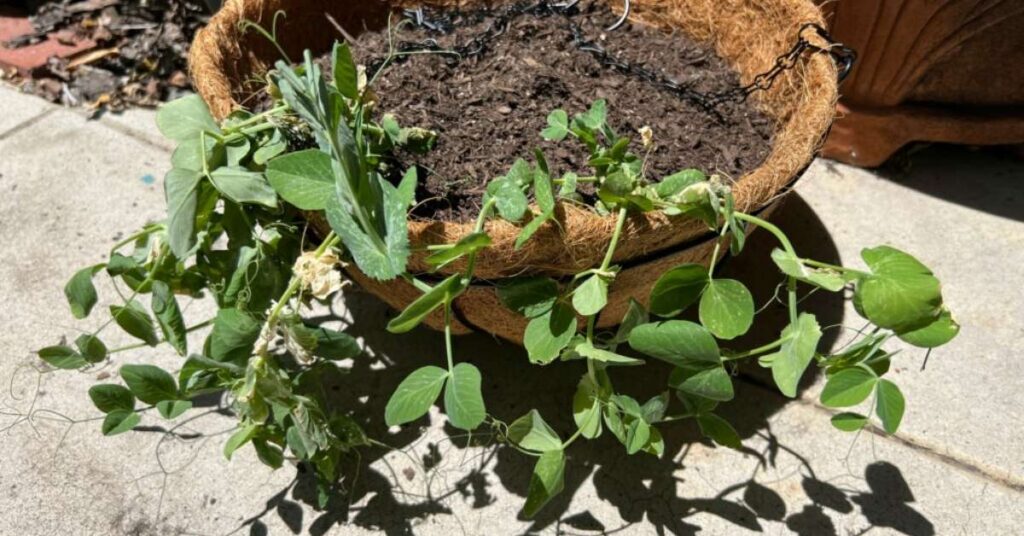
Drying Out Quickly
Solution: Use moisture-retentive soil and water more frequently.
Root Rot
Solution: Ensure proper drainage and avoid overwatering.
Poor Flowering
Solution: Increase sunlight and apply balanced fertilizer.
Pest Infestation
Solution: Use organic insecticides or neem oil.
Seasonal Basket Planting Tips
Spring and Summer
Choose flowering and fast-growing plants. Increase watering frequency.
Autumn
Switch to hardy plants like pansies and ornamental kale.
Winter
Use evergreen plants or bring baskets indoors to protect from frost.
Indoor Basket Planting Tips
Indoor basket planting enhances air quality and décor.
- Choose low-light plants
- Avoid overwatering
- Place near windows with indirect sunlight
Popular indoor basket plants include pothos, philodendron, and spider plants.
Eco-Friendly Basket Planting Practices
- Use biodegradable liners
- Choose organic fertilizers
- Reuse baskets and soil responsibly
Sustainable basket planting supports the environment and plant health.
Why Basket Planting Is Perfect for Beginners
Basket plants is easy, flexible, and forgiving. Beginners can quickly learn plant care, experiment with combinations, and enjoy fast results. With minimal tools and effort, anyone can create stunning green displays.
Final Thoughts on Basket Planting
Basket planting is a beautiful and practical gardening method suitable for all skill levels. By choosing the right basket, soil, plants, and care routine, you can grow healthy, vibrant plants that enhance your living space. Whether indoors or outdoors, basket planting offers endless creative possibilities.
If you want a low-maintenance yet visually stunning gardening solution, basket planting is the perfect choice. Start today and transform your home into a lush, green haven.
Leave a Reply
You must be logged in to post a comment.