
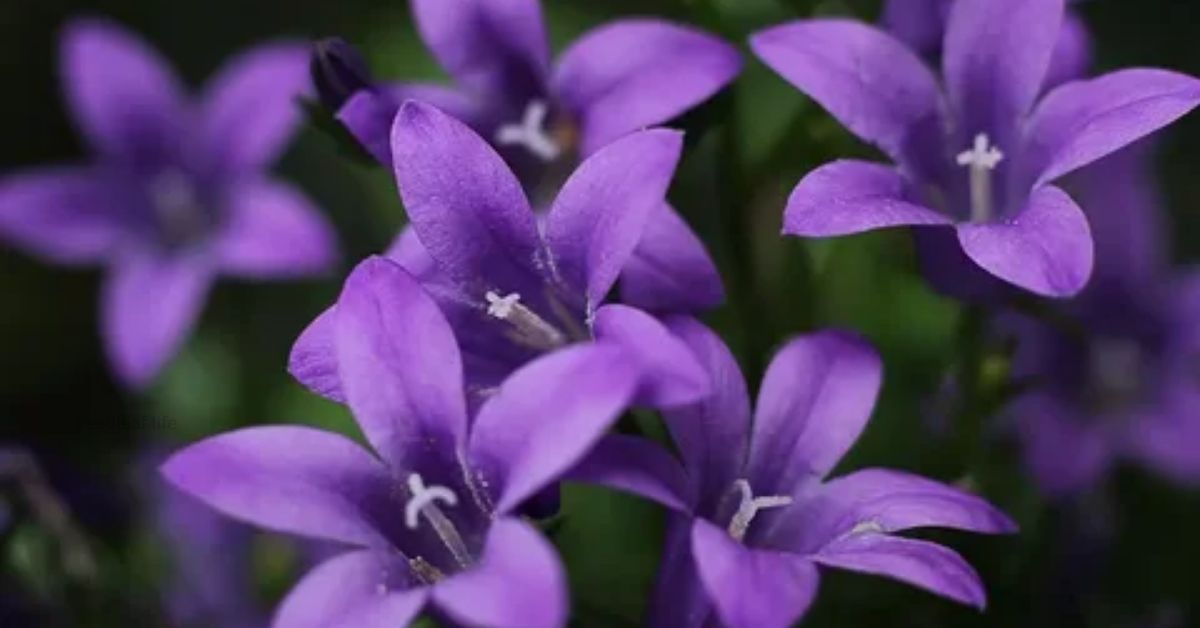
The bellflower plant is admired worldwide for its delicate, bell-shaped flowers and long-lasting blooms that bring charm and elegance to gardens, balconies, and indoor spaces. Belonging to the genus Campanula, bellflowers are versatile plants that thrive in a variety of climates and growing conditions. Their graceful appearance, combined with relatively easy care requirements, makes them a favorite among both beginner and experienced gardeners.
Bellflower plants are known for their starry or bell-like blooms that typically appear in shades of blue, purple, pink, and white. These flowers symbolize gratitude, humility, and everlasting love, making them a meaningful addition to ornamental landscapes. Whether planted in garden beds, borders, hanging baskets, or containers, bellflowers add color and softness to any environment.
Beyond their beauty, bellflower plants are valued for their adaptability. Some varieties grow low and spread as ground cover, while others stand tall and upright, making them suitable for mixed flower beds or cottage-style gardens. Many types also attract pollinators such as bees and butterflies, supporting a healthy garden ecosystem.
In this comprehensive guide, you’ll learn everything about the bellflower plant, including its benefits, popular varieties, ideal growing conditions, and essential care tips. Whether you want to grow bellflowers outdoors or indoors, this article will help you choose the right type and maintain healthy, vibrant plants that bloom year after year.
Benefits of Growing Bellflower Plants
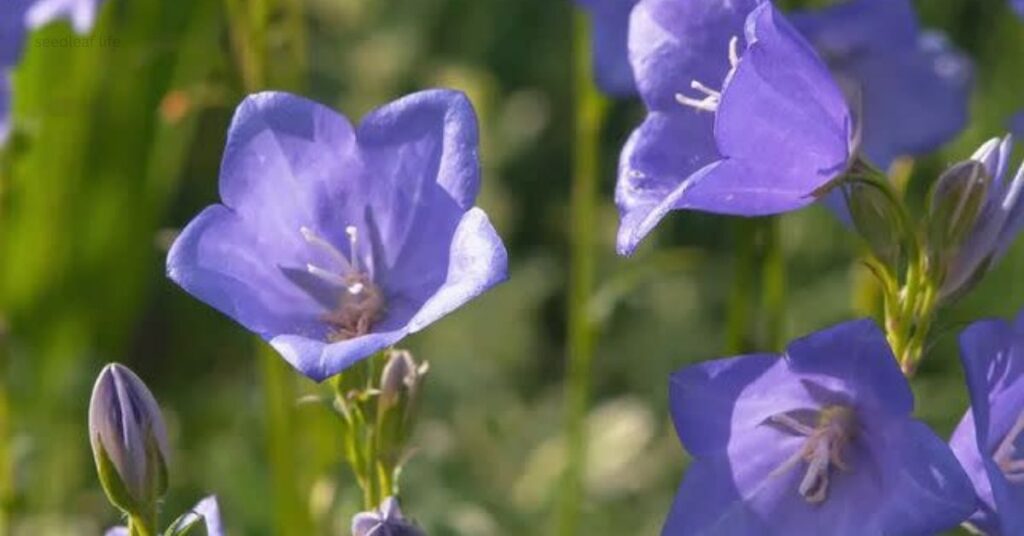
Growing a bellflower plant offers more than just visual appeal. These plants provide ecological, decorative, and practical benefits that make them a valuable addition to any garden or home.
Attractive and Long-Lasting Blooms
Bellflower plants are prized for their charming, bell-shaped flowers that bloom from late spring through summer, and sometimes into early autumn. Their soft yet vibrant colors add elegance to garden borders, rock gardens, and containers. Many varieties produce abundant blooms, ensuring long-lasting visual interest throughout the growing season.
Pollinator-Friendly Plant
Bellflowers are excellent for attracting pollinators. Bees, butterflies, and other beneficial insects are drawn to their nectar-rich flowers. By planting bellflowers, you help support local ecosystems and promote biodiversity in your garden.
Versatile Landscaping Uses
One of the greatest advantages of the bellflower plant is its versatility. Low-growing varieties work well as ground cover, while taller species are perfect for borders, cottage gardens, and cut flower arrangements. Compact varieties thrive in pots, making them suitable for patios, balconies, and indoor displays.
How to Choose the Right Bellflower Plant
Selecting the right bellflower plant depends on your available space, climate, and gardening goals.
Consider Climate and Growing Zone
Bellflower plants grow best in temperate climates and are generally hardy in USDA zones 3–9, depending on the variety. Some types tolerate cold winters, while others prefer mild conditions. Always check the specific variety’s hardiness before planting.
Annual vs. Perennial Varieties
Most bellflowers are perennials, meaning they return year after year. However, some varieties are biennial or short-lived perennials. If you want long-term blooms with minimal replanting, perennial bellflower plants are the best option.
Growth Habit and Space Requirements
Bellflowers vary in size and form. Low-spreading varieties are ideal for edging and ground cover, while upright types suit flower beds and borders. Choose a plant that fits well within your available space to avoid overcrowding.
Popular Types of Bellflower Plants
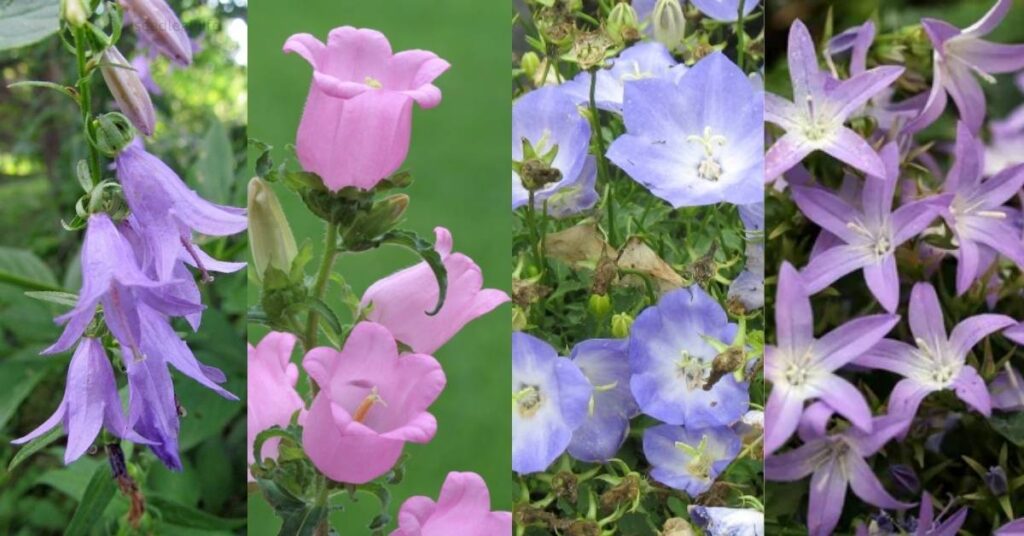
There are many beautiful varieties of bellflower plant, each offering unique growth habits and bloom styles.
Canterbury Bells (Campanula medium)
Canterbury Bells are biennial bellflowers known for their large, cup-shaped blooms. They grow upright and are commonly used in cottage gardens and floral arrangements.
Creeping Bellflower (Campanula rapunculoides)
This variety spreads quickly and works well as ground cover. While attractive, it can be invasive if not managed properly.
Carpathian Bellflower (Campanula carpatica)
Compact and mound-forming, this bellflower is perfect for borders, containers, and rock gardens. It produces masses of blue or white flowers.
Serbian Bellflower (Campanula poscharskyana)
A hardy, low-growing variety that cascades beautifully over walls and edges, making it ideal for hanging baskets and slopes.
Ideal Growing Conditions for Bellflower Plants
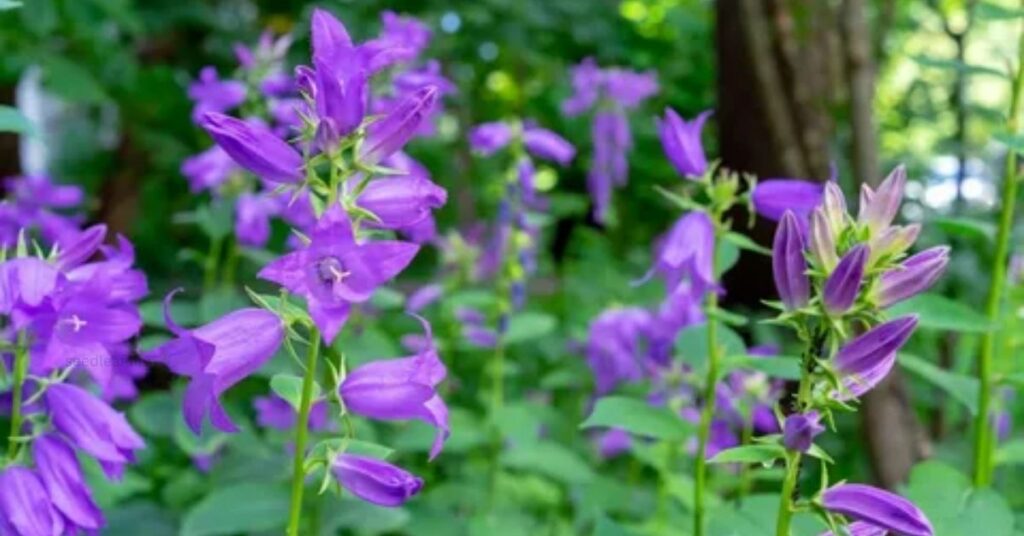
Providing the right environment helps your bellflower plant grow healthy and bloom abundantly.
Light Requirements
Bellflower plants prefer full sun to partial shade. In warmer climates, partial shade during the afternoon helps protect plants from heat stress. Indoor bellflowers thrive near bright, indirect light.
Soil Preferences
Well-draining soil is essential. Bellflowers grow best in loamy, moderately fertile soil with good moisture retention. Adding compost improves soil structure and nutrient availability.
Watering Needs
Water regularly, especially during dry periods. While bellflowers enjoy moist soil, overwatering can cause root rot. Ensure proper drainage to prevent soggy conditions.
How to Care for Bellflower Plants
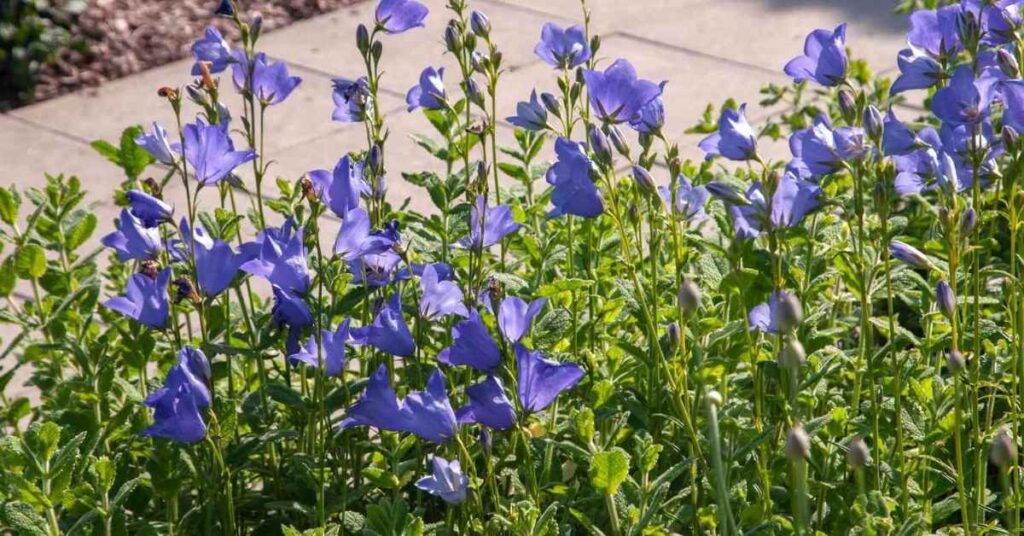
Proper care ensures your plants remains healthy and productive.
Watering Tips
Keep the soil consistently moist but not waterlogged. Water deeply at the base of the plant rather than overhead to prevent fungal diseases.
Fertilization
Apply a balanced, slow-release fertilizer in early spring to encourage strong growth and flowering. Avoid excessive fertilization, which can lead to lush foliage but fewer blooms.
Pruning and Deadheading
Removing spent flowers encourages continuous blooming and keeps the plant tidy. Cut back perennials after flowering to promote fresh growth.
Pest and Disease Management
Flowers are generally resistant to pests but may occasionally attract aphids or slugs. Natural solutions like neem oil, hand-picking pests, and improving air circulation help prevent problems.
Growing Bellflower Plants Indoors and Outdoors
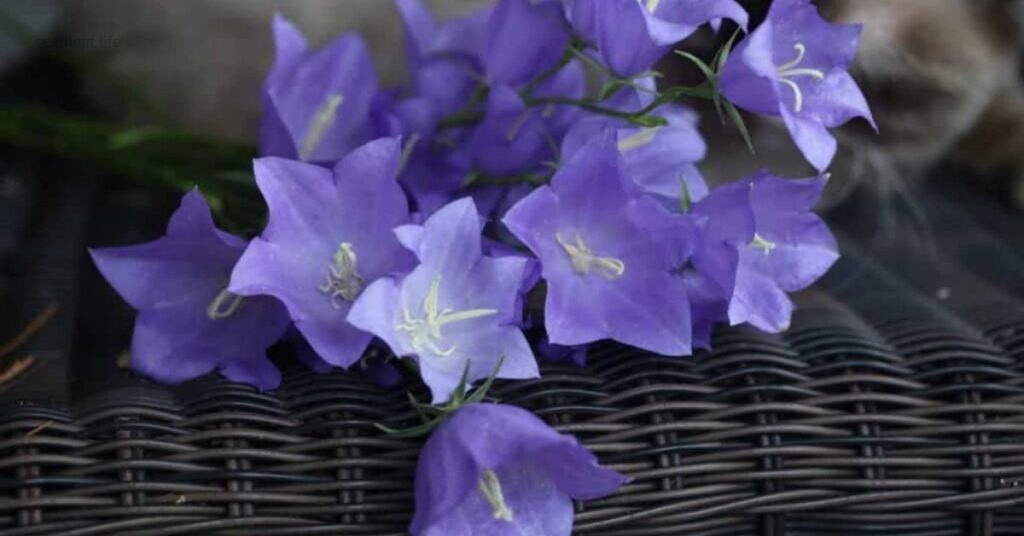
Bellflower plants adapt well to both indoor and outdoor settings.
Outdoor Planting Tips
Plant in spring or early autumn. Space them properly to allow airflow and reduce disease risk. Mulching helps retain moisture and suppress weeds.
Indoor Growing Tips
Choose compact varieties for indoor growth. Use containers with drainage holes and place them near bright windows. Rotate pots occasionally for even growth.
Frequently Asked Questions About Bellflower Plants
Are bellflower plants easy to grow?
Yes, most bellflower plants are easy to grow and suitable for beginners when given proper light, water, and well-draining soil.
Do bellflowers come back every year?
Many bellflower varieties are perennials and return annually with proper care.
Can bellflower plants grow in pots?
Yes, compact bellflower varieties grow very well in containers and hanging baskets.
Are bellflower plants toxic to pets?
Most bellflower plants are considered non-toxic, but it’s always best to confirm the specific variety if you have pets.
Conclusion
The bellflower plant is a timeless choice for gardeners seeking elegance, versatility, and ease of care. With their delicate bell-shaped blooms, pollinator-friendly nature, and wide range of varieties, bellflowers suit gardens, containers, and indoor spaces alike. From low-growing ground covers to upright flowering plants, there’s a bellflower for every landscape style.
By choosing the right variety, providing suitable growing conditions, and following simple care practices, you can enjoy vibrant bellflower blooms year after year. Whether you’re enhancing a garden border, decorating a balcony, or adding charm to indoor spaces, bellflower plants offer beauty, symbolism, and lasting appeal.
Start growing a bellflower today and transform your space into a colorful, graceful haven filled with natural charm and seasonal beauty.