Did you know that the Bird of Paradise can grow over six feet tall, transforming your space into a tropical paradise? This stunning plant is not just a visual delight, it’s also relatively easy to care for, making it a favorite among both indoor and outdoor gardeners. In this article, we’ll explore the enchanting Bird of Paradise plant, offering tips on its care and shedding light on why it has become a beloved choice for homes and gardens alike.
What Is a Bird of Paradise Plant?
Understanding proper Bird of Paradise plant care is essential to keep this tropical beauty healthy, vibrant, and blooming year-round.
Short Overview of the Plant
The Bird of Paradise plant, scientifically known as Strelitzia reginae, is a tropical ornamental plant admired for its bold foliage and exotic flowers. It is widely grown as both an indoor and outdoor plant due to its striking appearance and relatively easy maintenance. With proper Bird of Paradise plant care, this plant can thrive for many years and become a stunning focal point in any space.
Origin and Appearance
Originating from South Africa, the Bird of Paradise plant features tall, banana-like green leaves that grow in an upright formation. These large leaves create a lush, tropical look, making the plant visually appealing even when it is not in bloom. Typically, the plant grows between 3 to 6 feet tall, adding height and drama to gardens, patios, or indoor corners.
Why It Is Unique
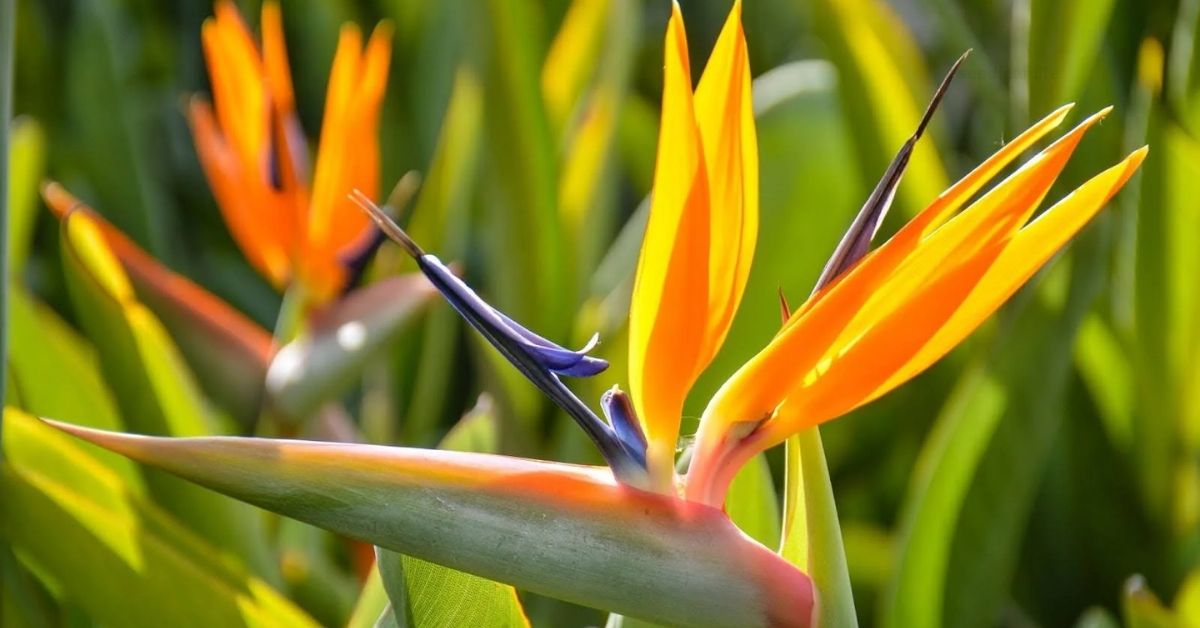
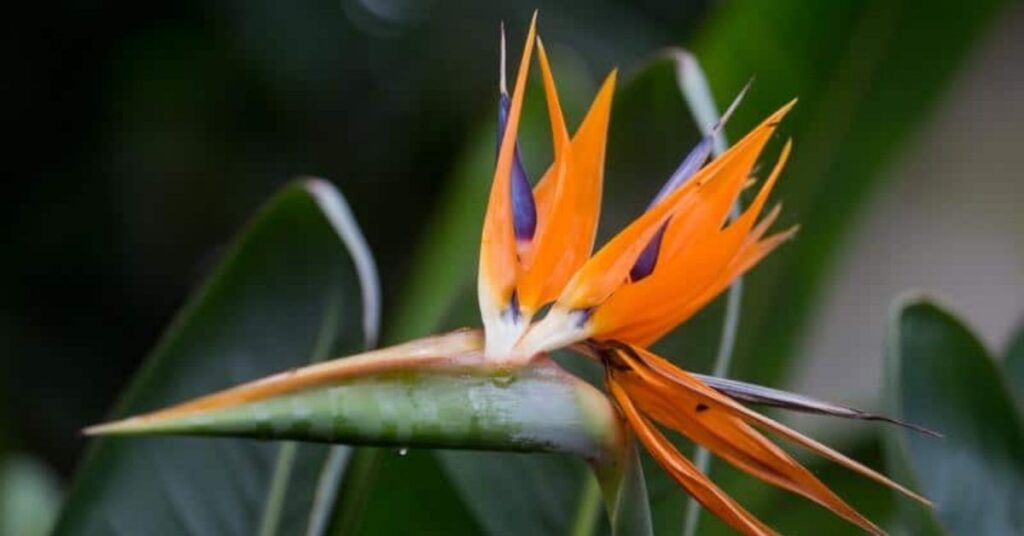
What truly makes the Bird of Paradise plant unique is its extraordinary flower. The vibrant orange and blue blooms closely resemble a bird in flight, which is how the plant earned its name. It is also a popular houseplant, admired for its bold foliage and ability to thrive indoors with proper light. In ideal conditions, it can bloom year-round, bringing a continuous tropical charm even in cooler climates. Its resilience, long lifespan, and artistic flower structure make it not just a decorative plant but also a conversation-worthy symbol of nature’s creativity.
Ideal Light Requirements for Bird of Paradise Plant Care
Providing the right light is a crucial part of Bird of Paradise plant care, ensuring healthy growth and vibrant blooms.
Best Light Conditions (Bright, Indirect Sunlight)
When it comes to Bird of Paradise plant care, providing the right amount of light is essential for healthy growth and vibrant foliage. This tropical plant thrives best in bright, indirect sunlight that closely resembles its natural environment. Placing the plant near a window with filtered light, such as through sheer curtains, allows it to absorb enough sunlight without the risk of leaf burn.
Indoor vs Outdoor Light Needs
For indoor growth, the Bird of Paradise plant should be positioned in a well-lit room where it can receive sunlight for most of the day. South- or east-facing windows are often ideal. When grown outdoors, the plant prefers partial shade, especially during the hottest hours of the day. Morning sunlight combined with afternoon shade helps maintain strong growth while preventing stress from harsh direct rays.
Signs of Too Much or Too Little Light
Observing your plant is the best way to judge whether it is receiving adequate light. If the leaves appear pale, dull, or start stretching toward the light source, it may be a sign of insufficient sunlight. On the other hand, crispy leaf edges, brown spots, or scorched patches indicate excessive direct sunlight. Adjusting the plant’s placement can quickly resolve these issues and keep your Bird of Paradise healthy and thriving.
Watering Tips for Healthy Growth
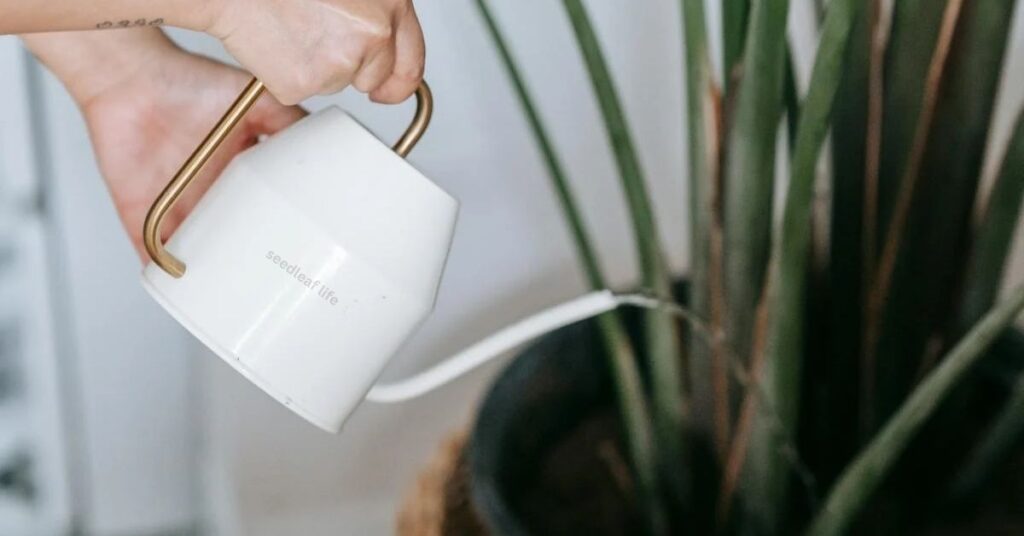
Proper watering is a key aspect of Bird of Paradise plant care, helping your plant stay healthy, lush, and vibrant.
How Often to Water
When it comes to Bird of Paradise plant care, maintaining the right watering schedule is crucial for strong and healthy growth. Generally, this tropical plant prefers deep watering every one to two weeks. During warmer months or active growing seasons, watering frequency may increase, while in cooler months, watering should be reduced. It is always better to slightly underwater than overwater, as the Bird of Paradise tolerates mild dryness better than waterlogged soil.
Overwatering vs Underwatering
Understanding the difference between overwatering and underwatering can prevent common plant problems. Overwatering often causes yellowing leaves, drooping foliage, and root rot. In contrast, underwatering usually results in brown, dry, or crispy leaf edges. Paying attention to these signs allows you to adjust your watering routine before serious damage occurs.
Soil Moisture Check Tips
A simple soil moisture test can help you determine when to water. Insert your finger about one inch into the soil—if it feels dry, it’s time to water the plant. If the soil still feels moist, wait a few more days before watering again. This easy habit ensures proper moisture balance and helps your Bird of Paradise plant thrive with minimal effort.
Best Soil and Potting Mix
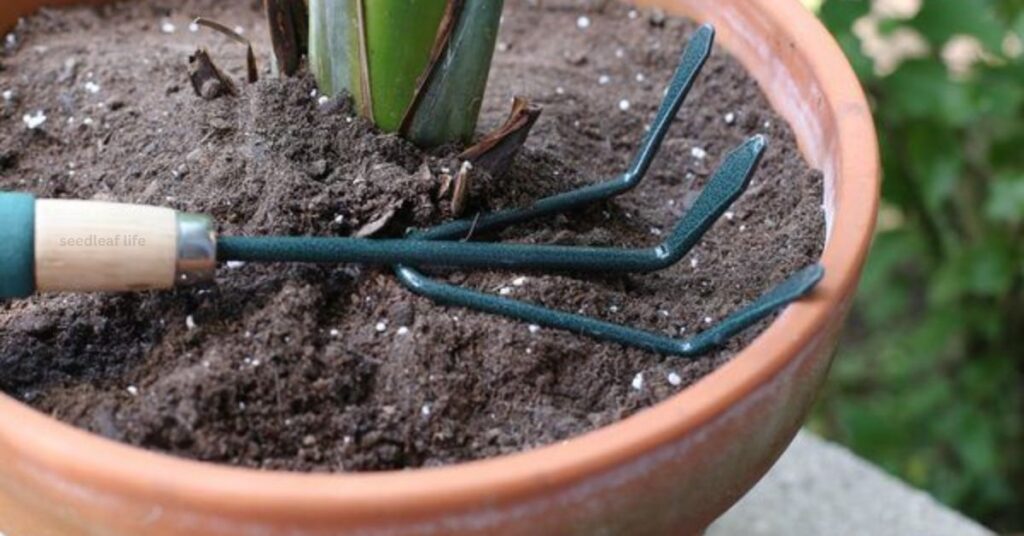
Choosing the right soil and potting mix is an essential part of Bird of Paradise plant care, providing the nutrients and drainage your plant needs to thrive.
Ideal Soil Type
Choosing the right soil is a key part of successful Bird of Paradise plant care. This plant thrives in a well-aerated, nutrient-rich potting mix that supports strong root development. An ideal blend includes peat moss, pine bark, and perlite, which together provide good moisture retention while allowing excess water to drain easily. Soil rich in organic matter helps promote healthy foliage and encourages vibrant flowering.
Importance of Good Drainage
Proper drainage is essential for the Bird of Paradise plant, as its roots are highly sensitive to standing water. Poor drainage can lead to root rot, one of the most common and damaging issues for this plant. Always use a potting mix that does not compact over time and ensure the container has adequate drainage holes to allow excess water to escape freely.
Pot Selection Tips
Selecting the right pot plays an important role in plant health. Choose a pot that is slightly larger than the root ball to allow room for growth without holding too much moisture. Clay or terracotta pots are excellent choices because they absorb excess water and help prevent overwatering. Plastic pots retain more moisture, making them suitable for growers who water less frequently. With the right soil and pot combination, your Bird of Paradise plant will have the perfect foundation to flourish.
Temperature and Humidity Needs
Maintaining the right temperature and humidity is a vital part of Bird of Paradise plant care, ensuring your tropical plant thrives year-round.
Ideal Temperature Range
For optimal Bird of Paradise plant care, maintaining the right temperature is essential. This tropical plant thrives in daytime temperatures between 65°F and 70°F, with slightly cooler nighttime temperatures around 50°F. Temperatures below 50°F can cause stress and slow growth, so in colder climates, it’s best to move the plant indoors or provide protection during cold weather.
Humidity Requirements
Bird of Paradise plants prefer a humid environment, ideally around 60% humidity or higher. This level of moisture in the air closely mimics their natural tropical habitat. If indoor air becomes dry—especially during winter—using a humidifier can be very helpful. Alternatively, placing a shallow tray filled with water and pebbles near the plant can increase humidity. Occasional misting during warmer months also supports healthy leaf growth.
Seasonal Care Tips
As the seasons change, adjusting your care routine is important. During spring and summer, the plant enters its active growth phase and benefits from more frequent watering and regular fertilization. In fall and winter, growth slows, so watering should be reduced to prevent overwatering. Adapting your care to seasonal needs ensures your Bird of Paradise remains healthy and continues to display its lush, tropical foliage year-round.
Fertilizing Schedule for Bird of Paradise Plant Care
A proper fertilizing schedule is a crucial part of Bird of Paradise plant care, providing the nutrients needed for vibrant growth and stunning blooms.
Best Fertilizer Type
To support healthy growth and vibrant blooms, using the right fertilizer is an important part of Bird of Paradise plant care. A balanced, slow-release fertilizer with an equal N-P-K ratio, such as 15-15-15, works best by providing steady nutrients over time. For those who prefer organic feeding, well-composted manure or liquid options like fish emulsion are excellent alternatives that gently nourish the plant without causing stress.
How Often to Fertilize
During the active growing season, regular fertilization helps the Bird of Paradise plant reach its full potential. Applying fertilizer every 4 to 6 weeks during spring and summer encourages strong leaf development and flowering. Always follow the recommended dosage to avoid overfeeding, which can harm the roots.
Growing Season vs Dormant Season Feeding
Seasonal adjustments are essential for proper fertilization. In spring and summer, the plant actively grows and benefits from consistent feeding. However, as fall approaches and growth slows, fertilizing should be reduced. During the dormant winter months, it’s best to stop fertilizing altogether. This prevents nutrient buildup in the soil and allows the plant to rest, ensuring healthy growth when the next growing season begins.
Pruning and Maintenance Tips
When and How to Prune
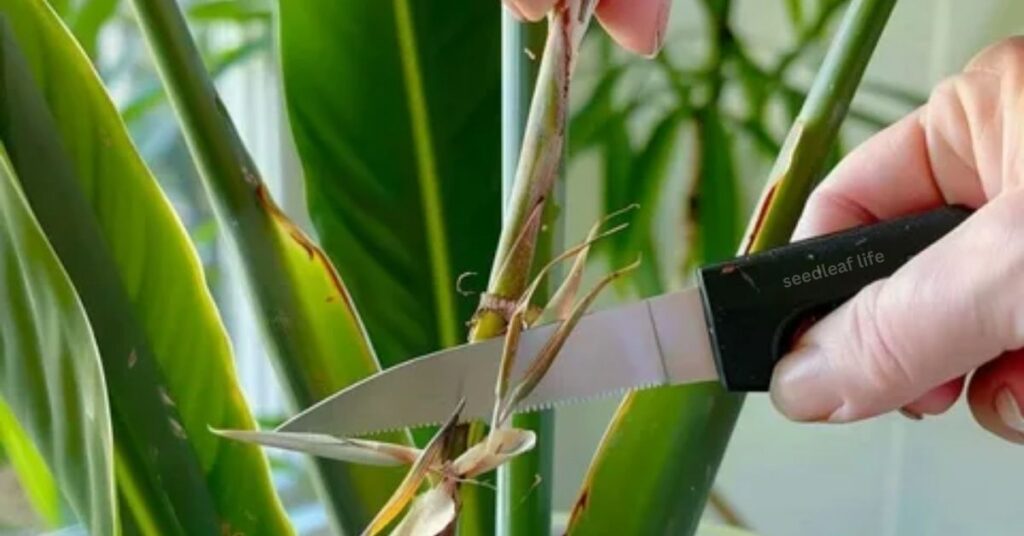
Pruning plays an important role in keeping your plant healthy and attractive. The best time to prune a Bird of Paradise plant is in late winter or early spring, just before the active growing season begins. Remove any dead, damaged, or yellowing leaves to improve the plant’s appearance and reduce the risk of pests or disease. Always use clean, sharp pruning shears to make smooth cuts, which helps the plant heal faster and promotes healthy regrowth.
Cleaning Leaves
Regular leaf cleaning is an essential part of Bird of Paradise plant care. Dust and debris can collect on the large leaves, blocking sunlight and reducing photosynthesis. Gently wipe the leaves with a soft, damp cloth or rinse the plant with a light shower to keep them clean. This simple maintenance step not only keeps the plant looking fresh but also supports overall growth.
Encouraging New Growth
To encourage strong new growth and flowering, provide proper care during the growing season. Applying a balanced, water-soluble fertilizer in spring and summer can give the plant the nutrients it needs to thrive. Regularly inspect your plant for signs of stress, such as yellowing leaves or slowed growth, and address issues promptly. With consistent care and attention, your Bird of Paradise will remain a vibrant and eye-catching centerpiece in your home or garden.
Common Problems and Solutions
Yellow Leaves
Yellow leaves on a Bird of Paradise plant often indicate overwatering or a lack of essential nutrients. Before watering, always check the soil and allow the top inch to dry out to prevent soggy roots. During the growing season, applying a balanced liquid fertilizer can help correct nutrient deficiencies. If yellowing is combined with drooping or slow growth, insufficient light may be the issue—ensure the plant receives bright, indirect sunlight.
Brown Tips
Brown leaf tips are commonly caused by underwatering or low humidity, especially in dry indoor environments. Regularly monitor soil moisture and avoid letting the soil dry out completely. Increasing humidity through misting, using a humidifier, or placing a pebble tray near the plant can help restore healthy leaf edges.
Pests and Diseases
Bird of Paradise plants can occasionally be affected by pests such as spider mites and mealybugs. These pests often appear when the plant is stressed or kept in dry conditions. Diseases are less common but can occur if the plant is overwatered or lacks proper airflow.
How to Fix These Issues
Treat pests promptly using insecticidal soap or neem oil, making sure to spray the entire plant, including the undersides of leaves. For disease prevention, ensure proper watering, good drainage, and adequate air circulation. Regularly inspecting your plant allows you to identify and address problems early, helping your Bird of Paradise remain healthy, lush, and vibrant.
Repotting a Bird of Paradise Plant
When Repotting Is Needed
Repotting a Bird of Paradise plant becomes necessary when roots start growing out of the drainage holes or when the plant shows stunted growth despite proper Bird of Paradise plant care. Typically, repotting is required every 1 to 2 years, as this plant prefers ample space for root development. Moving the plant to a pot that is one size larger allows the roots to expand and absorb nutrients more efficiently.
Step-by-Step Repotting Basics
Begin by gently removing the plant from its current pot and loosening the root ball. Trim away any dead or damaged roots using clean tools. Choose a well-draining potting mix to prevent water retention and root rot. Place the plant in the new pot, fill in fresh soil around the roots, and water thoroughly to settle the soil and remove air pockets. Keep the plant in bright, indirect light for about a week to reduce transplant stress.
Post-Repotting Care
After repotting, the plant enters an adjustment phase that requires extra care. Maintain consistent humidity and avoid direct sunlight during this period. Watch for signs of transplant shock, such as drooping or yellowing leaves, and adjust watering if needed. With patience and attentive care, your Bird of Paradise will quickly adapt to its new environment and reward you with lush, healthy foliage.
Indoor vs Outdoor Bird of Paradise Plant Care
Differences in Care
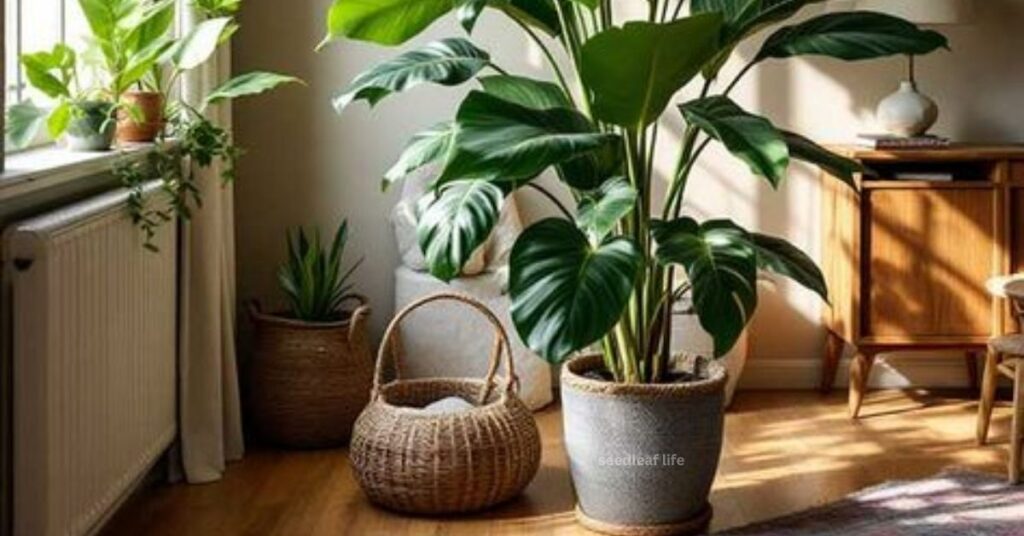
When it comes to Bird of Paradise plant care, the main difference between indoor and outdoor growing lies in light, humidity, and space. Indoors, the plant needs bright, indirect sunlight and enough room to accommodate its tall growth. Indoor environments often have lower humidity, so misting or using a humidifier may be necessary. Outdoors, Bird of Paradise plants benefit from natural sunlight, well-drained soil, and higher humidity levels, but they must be protected from extreme weather conditions.
Pros and Cons of Each
Indoor Bird of Paradise plants offer year-round beauty and protection from harsh weather and many pests. However, their growth may be limited by space, and they often require extra attention to light and humidity levels. Outdoor plants, on the other hand, can grow much larger and produce more vibrant blooms, becoming a stunning garden centerpiece. The downside is exposure to pests, strong winds, and temperature fluctuations that may require seasonal protection.
Best Environment Choice
Choosing the best environment depends on your climate and available space. If you live in a warm region with plenty of sunlight and outdoor space, growing a Bird of Paradise outdoors allows it to reach its full potential. For those in cooler climates or with limited outdoor space, an indoor setting near a sunny window can successfully support healthy growth. With the right care, both indoor and outdoor environments can help your Bird of Paradise thrive and bring a touch of tropical beauty to your surroundings.
Conclusion
In summary, taking care of your Bird of Paradise plant is a rewarding journey that brings vibrant beauty to your home or garden. Consistent Bird of Paradise plant care—through regular watering, providing the right amount of light, and occasional fertilization—is essential for keeping your plant healthy and thriving. These tropical beauties flourish in warm environments, so make sure they are positioned where they can enjoy plenty of sunlight.
By closely observing your plant’s needs and adjusting your care routine accordingly, your dedicated Bird of Paradise plant care will help you quickly identify and address any issues before they become serious. With patience and attention, your Bird of Paradise will reward you with lush foliage and stunning blooms, turning your care routine into a celebration of nature’s artistry.
Leave a Reply
You must be logged in to post a comment.