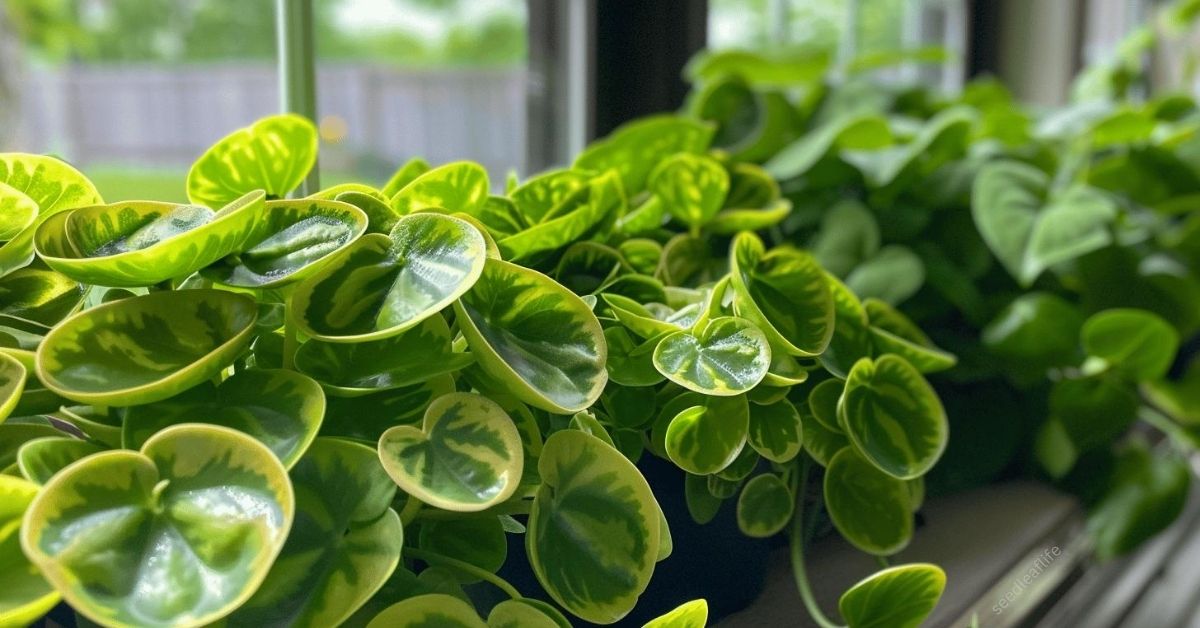
Are you looking to brighten up your indoor space with a hardy, low-maintenance plant? Peperomia might just be the perfect fit! With their unique textures and shapes, these plants are becoming favorites among plant lovers everywhere.
In this article, we’ll delve into the essentials of caring for Peperomia and share why they are a great addition to any home. By the end, you’ll feel equipped to nurture your own Peperomia plants with confidence.
What Is a Peperomia Plant?
A Peperomia plant is a compact, attractive indoor plant with thick leaves, and caring for Peperomia is easy due to its low-maintenance nature.
Overview of Peperomia
Peperomia plants are a delightful choice for both novice and seasoned plant lovers. Known for their thick, waxy leaves and diverse shapes, these charming houseplants can brighten any indoor space. They thrive in bright, indirect sunlight and prefer the soil to dry out between waterings, making them low-maintenance companions. Caring for Peperomia is simple, yet these plants offer a lot of visual interest with their unique and decorative foliage patterns.
Common Types of Peperomia
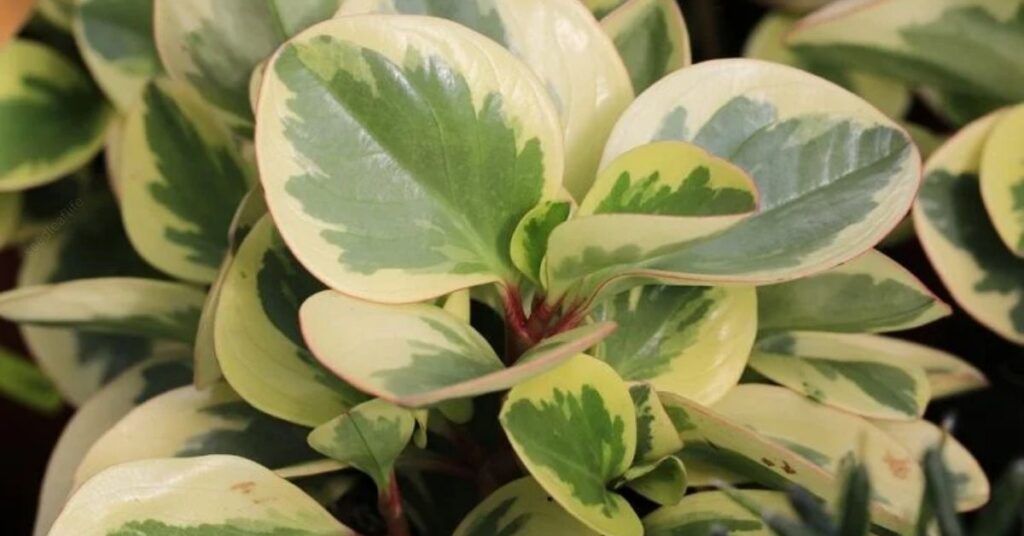
Peperomia obtusifolia
Peperomia obtusifolia, commonly known as the baby rubber plant, is one of the most popular varieties. It features glossy, rounded leaves that come in beautiful shades of green and cream, making it an excellent choice for indoor décor.
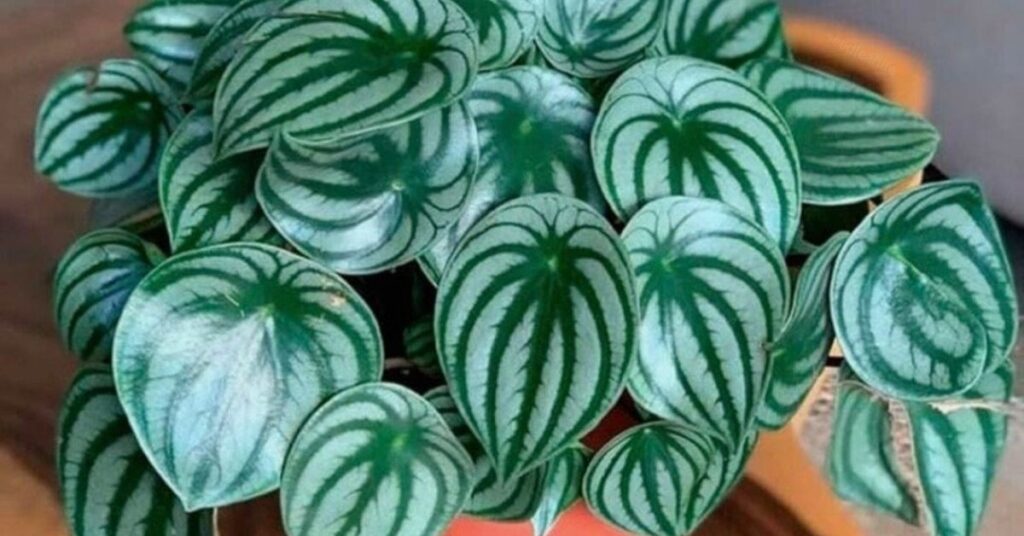
Peperomia argyreia (Watermelon Peperomia)
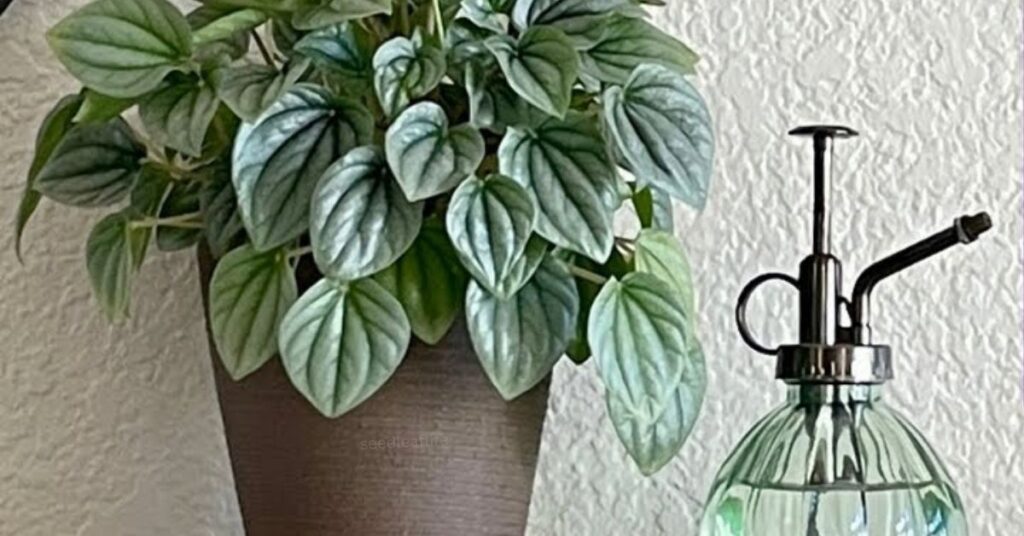
Peperomia argyreia, also called Watermelon Peperomia, is admired for its striking leaves. The silver and green striped foliage closely resembles watermelon skin, giving this plant a bold and eye-catching appearance.
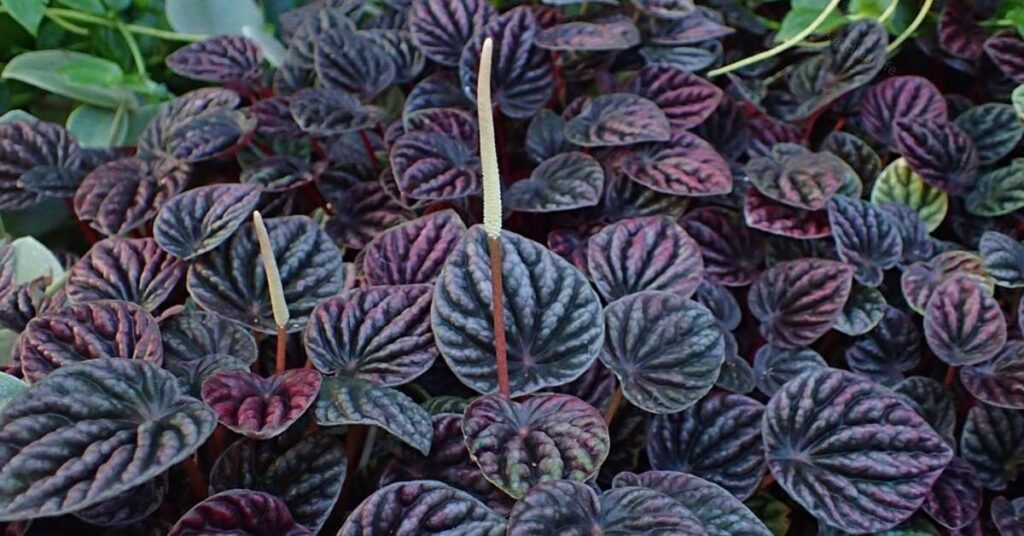
Peperomia caperata
Peperomia caperata is loved for its deeply textured, crinkled leaves. The rich leaf surface adds depth and character, making it a favorite among plant collectors and houseplant enthusiasts.
Caring for Peperomia: Basic Care Guide
Light Requirements
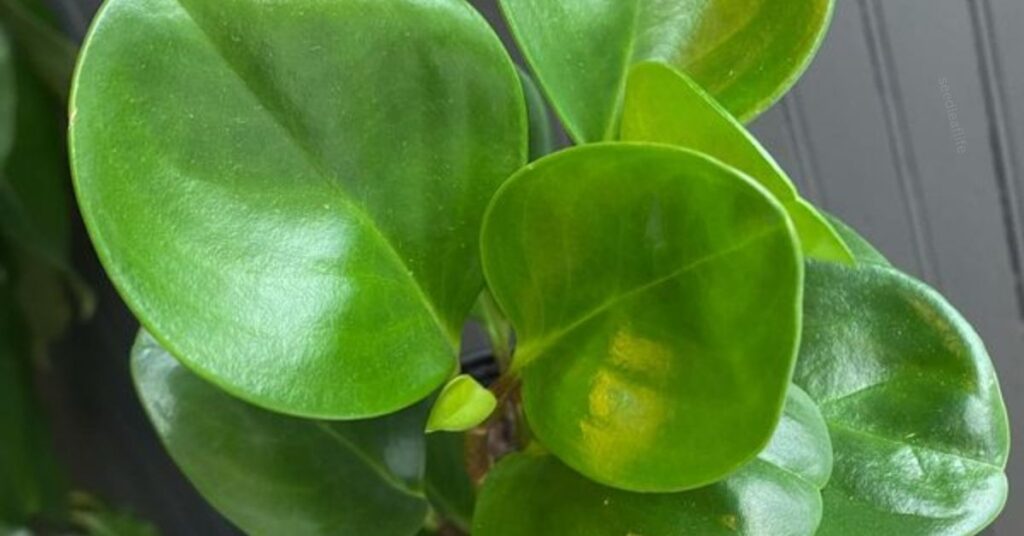
Caring for Peperomia involves providing bright, indirect light to keep the plant healthy and vibrant indoors.
Best Light Conditions (Bright, Indirect Light)
When caring for Peperomia, understanding its light requirements is vital for a thriving plant. These compact houseplants grow best in bright, indirect light. Placing them near a window with filtered sunlight allows them to absorb enough light without the risk of sun damage. This balanced lighting helps maintain healthy leaf color and compact growth.
Effects of Too Much or Too Little Light
Too much direct sunlight can scorch Peperomia leaves, causing them to become crispy, brown, or faded. Prolonged exposure to harsh sunlight may permanently damage the foliage.
On the other hand, insufficient light can result in leggy growth, where the plant stretches toward the light source. Leaves may appear dull, smaller, or less vibrant, reducing the overall visual appeal of the plant.
To find the perfect balance, observe your Peperomia closely. If the plant leans toward the light, it likely needs a brighter location. However, yellowing or fading leaves may indicate excessive light exposure, signaling the need for a shadier spot. Proper lighting is essential when caring for Peperomia, ensuring healthy growth and long-lasting beauty.
Watering Peperomia
How Often to Water
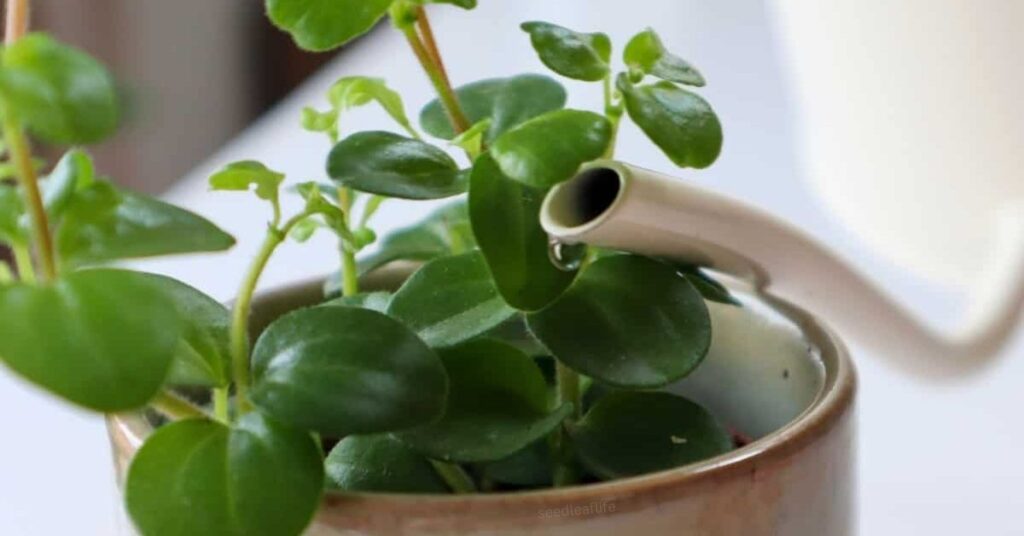
When caring for Peperomia, it’s crucial to strike a balance with watering. Typically, these resilient plants thrive on a bi-weekly watering schedule, but it’s always best to check the soil first. Stick your finger about an inch into the soil. If it feels dry, it’s time to water. Peperomia prefers slightly dry conditions, so don’t rush to water again until the soil is dry to the touch.
Signs of Overwatering and Underwatering
Keeping an eye out for watering issues can save your plant from distress. Signs of overwatering include yellow, soft, or mushy leaves, which indicate excess moisture in the soil. On the other hand, underwatered Peperomia may display shriveled, curling leaves, signaling the plant is thirsty.
By learning to recognize these signs, you can maintain the perfect watering routine, helping your Peperomia thrive happily in its cozy indoor spot.
Best Soil for Peperomia
Importance of Well-Draining Soil
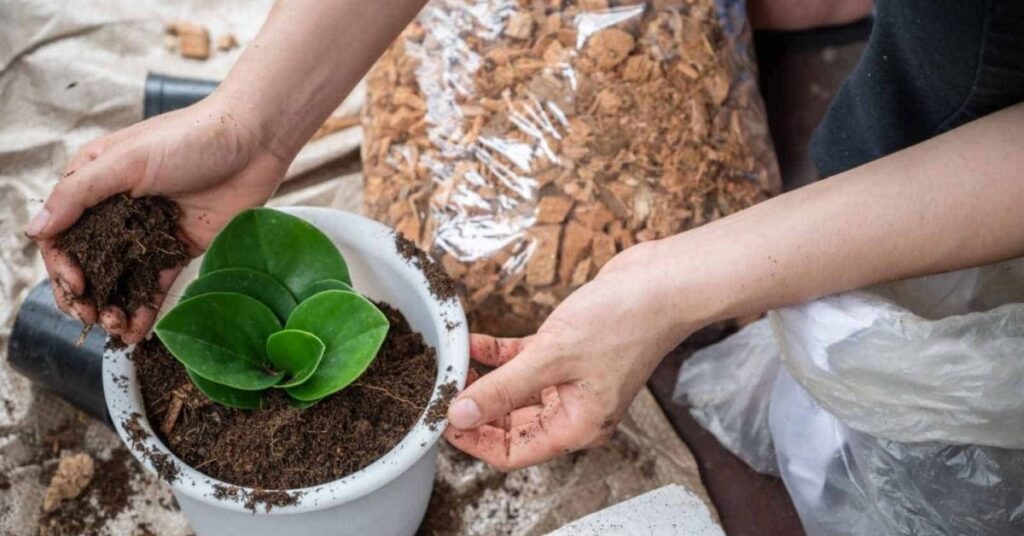
When caring for Peperomia, the type of soil you choose plays a crucial role in the plant’s health. Well-draining soil is vital because it prevents water from pooling around the roots, which can lead to root rot. Peperomia, being a succulent-like plant, prefers to keep its roots slightly on the drier side, so good drainage is key to its well-being. When you water, you want the moisture to reach the roots without lingering, allowing the plant to absorb just what it needs.
Recommended Potting Mix
For potting mix, a blend of potting soil, perlite, and coarse sand works wonders. This combination ensures proper aeration and prevents soil compaction, helping to mimic the plant’s natural habitat. You might also consider mixes designed specifically for succulents or cacti, as they often strike the right balance between drainage and moisture retention.
By selecting the right soil mix, you’ll create an environment where your Peperomia can thrive, showcasing its beautiful foliage and vibrant colors. Remember, happy roots lead to a happy plant!
emperature & Humidity
Caring for Peperomia requires maintaining warm temperatures and moderate humidity to ensure healthy growth indoors.
Ideal Temperature Range
When caring for Peperomia, maintaining the ideal temperature is crucial for their health. These delightful plants thrive best in a temperature range of 65 to 80°F (18 to 27°C). Keeping them in this cozy zone promotes vibrant foliage and energetic growth. Sudden drops or spikes in temperature can stress the plant, leading to drooping or yellowing leaves. If your Peperomia looks sluggish, check that the environment isn’t too cold or hot.
Humidity Needs for Healthy Growth
Humidity is another important factor for Peperomia success. While they prefer moderate humidity levels of around 40–60%, they are generally adaptable to average indoor conditions. To boost humidity, you can place a small dish of water near the plant or group it with other houseplants. This not only increases moisture in the air but also creates a small, healthy micro-ecosystem.
Maintaining proper humidity and temperature ensures lush growth and vibrant leaves, helping your Peperomia thrive and become a standout feature in your home.
Common Peperomia Problems and Solutions
Yellow Leaves
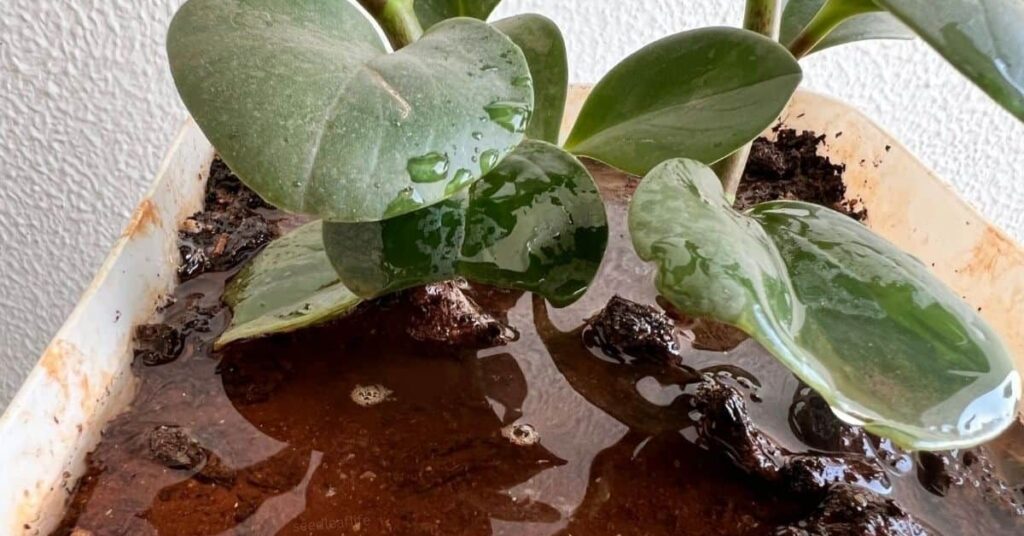
Yellow leaves on your Peperomia can be a sign of overwatering or poor lighting. When leaves turn yellow, it’s often a call for attention. Check the soil moisture — if it’s soggy, allow it to dry out before watering again. Sometimes, simply moving your plant to a brighter spot can work wonders, as Peperomias thrive in bright, indirect light.
Drooping or Wilting Leaves
Drooping or wilting leaves often indicate that your plant needs extra care. High temperatures or low humidity may be the culprits. Try misting your Peperomia or placing a humidifier nearby to create a more comfortable environment. If the drooping continues, check the roots for signs of root rot, which can occur due to overwatering.
Root Rot
Root rot is a sneaky problem caused by waterlogged soil. Signs include mushy roots or a foul smell. If you spot these, act quickly, carefully remove the affected roots and repot your Peperomia in fresh, well-draining soil to save the plant.
Pests and Diseases
Although Peperomia is generally pest-resistant, watch out for mealybugs or spider mites. Regularly inspect your plant, wipe leaves clean, or treat with a mild insecticidal solution if necessary. Catching problems early helps keep your Peperomia healthy and thriving.
Caring for Peperomia can be highly rewarding when you pay attention to its needs and respond promptly to any signs of stress.
How to Propagate Peperomia
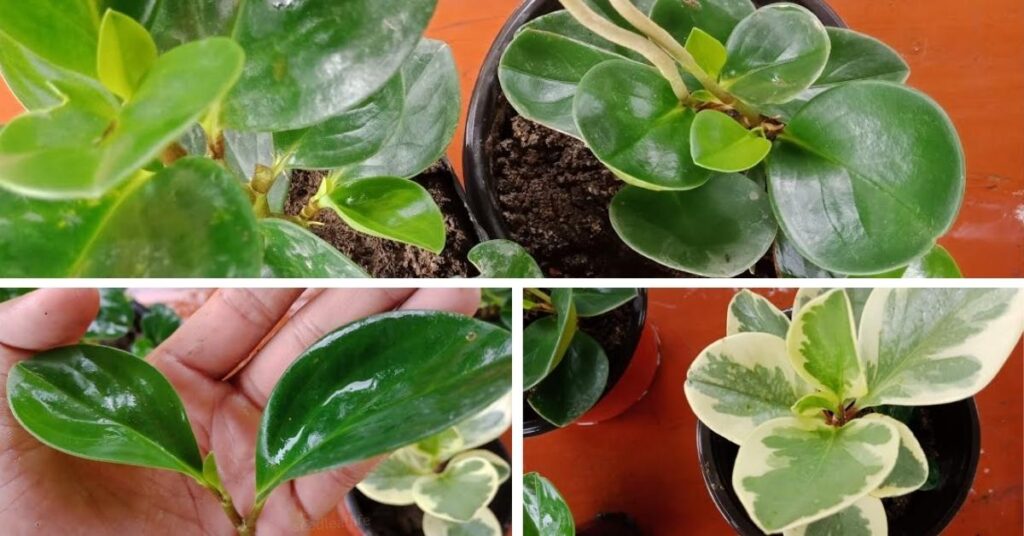
Propagating Peperomia is a rewarding experience that can expand your plant collection. There are two common methods: leaf cutting and stem cutting.
Leaf Cutting Method
The leaf-cutting method is one of the easiest ways to grow new Peperomia plants. Take a healthy leaf and place it in a shallow dish of water, making sure the cut end is submerged. After a few weeks, tiny roots will begin to sprout, and the leaf will be ready for planting in soil. This method works especially well with varieties like raindrop Peperomia or Watermelon Peperomia, where the leaves contain plenty of nutrients to support new growth.
Stem Cutting Method
The stem cutting method is another effective approach. Select a healthy stem with a few leaves and cut it just below a node. Place the cutting in a pot with fresh, well-draining soil, watering lightly to keep the soil slightly moist. Stem cuttings often establish faster because the stem can support multiple leaves, encouraging quicker growth.
Propagation Tips
- Keep your cuttings in a warm area with indirect sunlight.
- Avoid overwatering during the rooting process to prevent rot.
- Be patient—rooting can take a few weeks, but the result is a thriving new Peperomia.
With these simple methods, caring for and propagating Peperomia is easy and rewarding, giving you more lush, vibrant plants to enjoy.
Pruning and Maintenance Tips
Pruning and maintenance are an important part of caring for Peperomia, helping the plant grow healthy and maintain its attractive shape indoors.
When and How to Prune
When caring for Peperomia, knowing when and how to prune is key to maintaining a healthy plant. Spring, when new growth begins, is the ideal time to prune. Gently remove any yellowing leaves or leggy stems using clean, sharp scissors to prevent damage. Cutting back overgrown parts encourages better airflow, stimulates new growth, and results in a fuller, bushier appearance.
Tips to Keep the Plant Healthy and Compact
- Place your Peperomia in bright, indirect sunlight.
- Avoid overwatering—allow the soil to dry out between waterings to strengthen the roots.
- Regularly dust the leaves with a damp cloth to help them absorb maximum sunlight and maintain their vibrant look.
- Remove dead or damaged leaves promptly to promote overall plant health.
By following these simple pruning and maintenance tips, your Peperomia will stay compact, healthy, and visually appealing, adding life and charm to your indoor space.
Indoor Care Tips for Peperomia
Caring for Peperomia as a Houseplant
Caring for Peperomia is a rewarding experience, especially for beginners. One of the most important tips is to remember that less is more with watering. These charming plants prefer to dry out between watering sessions, so wait until the top inch of soil feels dry before watering again. This prevents root rot and helps your Peperomia thrive indoors.
Lighting is another key factor. Peperomias love bright, indirect sunlight, but they can also adapt to lower light conditions. If your plant becomes leggy, it may be a sign it needs a bit more brightness. Rotate your plant every few weeks to ensure all sides receive equal light, encouraging even growth and a fuller shape.
Tips for Beginners
- Maintain moderate humidity; mist your plant or place a small humidifier nearby to keep leaves lush.
- Avoid overwatering—Peperomias thrive when their roots are slightly dry.
- Keep the leaves clean by wiping them gently to maximize light absorption.
By following these simple indoor care tips, your Peperomia will remain healthy, vibrant, and a beautiful addition to your home. Plus, you’ll gain confidence as a plant parent!
Benefits of Growing Peperomia Indoors
Caring for Peperomia is easy, and growing it indoors improves air quality while adding natural beauty to your home.
Low-Maintenance Plant
Caring for Peperomia is simple, making it an ideal choice for both novice and seasoned plant lovers. These charming plants don’t require constant attention—just water when the soil feels dry and place them in a spot with indirect sunlight. Their low-maintenance nature allows you to enjoy the beauty of greenery without stress, even with a busy lifestyle.
Decorative Appearance
Peperomia adds a unique decorative appeal to any room. With lush, fleshy leaves and diverse shapes, they bring texture and color to shelves, desks, or window sills. Their attractive foliage makes them a stylish addition to your indoor plant collection.
Suitable for Small Spaces
Thanks to their compact size, Peperomia is perfect for apartments, offices, or small nooks. Even in limited areas, they can bring warmth and vitality, turning ordinary corners into lively green spots. Their small footprint and vibrant appearance make indoor gardening accessible and rewarding, even in cozy spaces.
Conclusion
In summary, caring for Peperomia is all about providing the right environment and attention. These charming plants thrive best in indirect light and prefer to dry out between waterings, so a little patience goes a long way.
Remember to check the soil moisture regularly and ensure they are in a well-draining pot.
Regularly dusting the leaves will also keep them looking their best and allow them to absorb more light. With these tips in mind, you can enjoy a healthy and thriving Peperomia in your home, so don’t hesitate to dive in and start growing your own today!