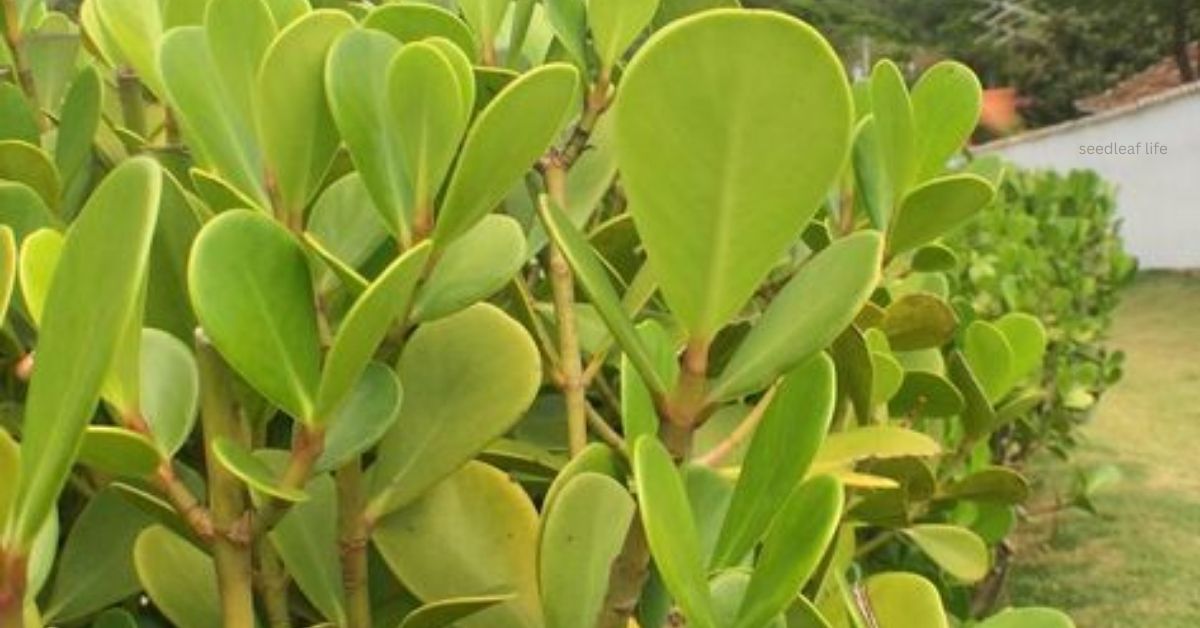
The Clusia plant is a bold, attractive, and highly resilient plant that has become increasingly popular for both indoor decor and outdoor landscaping. Known for its thick, glossy leaves and strong upright growth, clusia is often chosen for modern homes, offices, and tropical gardens. Whether grown as a houseplant, hedge, or privacy screen, clusia offers a combination of beauty, durability, and low maintenance.
Despite its tough reputation, improper care can lead to problems such as yellowing leaves, leaf drop, or slow growth. Understanding the clusia plant’s light, water, soil, and climate needs is essential to help it thrive long term.
In this complete guide, you will learn what a clusia plant is, how to care for it indoors and outdoors, how fast it grows, common problems, and answers to the most frequently asked questions. Whether you are a beginner plant owner or an experienced gardener, this article will give you everything you need to grow healthy, vibrant clusia plants.
What Is a Clusia Plant?
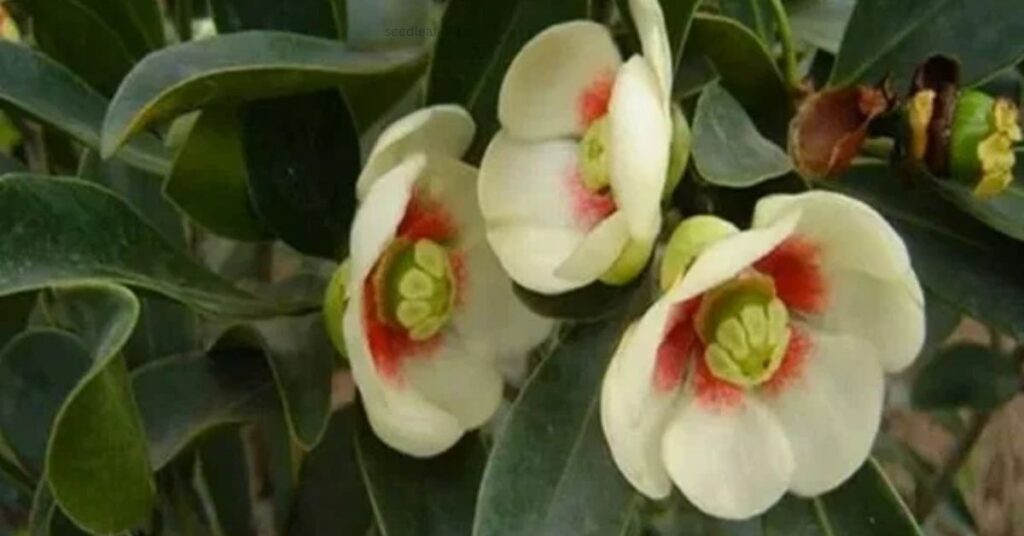
Clusia is a genus of tropical evergreen plants native to the Caribbean, Central America, South America, and southern Florida. The most commonly grown species is Clusia rosea, often called the Autograph Tree.
The plant is named “autograph tree” because its thick leaves can be scratched or written on, and the markings remain visible for a long time.
Key characteristics of the clusia plant:
- Thick, leathery, oval-shaped leaves
- Upright, woody stems
- Dense growth habit
- Strong tolerance to heat, wind, and salt
Clusia is widely used as:
- Indoor houseplants
- Outdoor hedges and privacy screens
- Landscape shrubs in warm climates
Types of Clusia Plants
Clusia rosea (Autograph Tree)
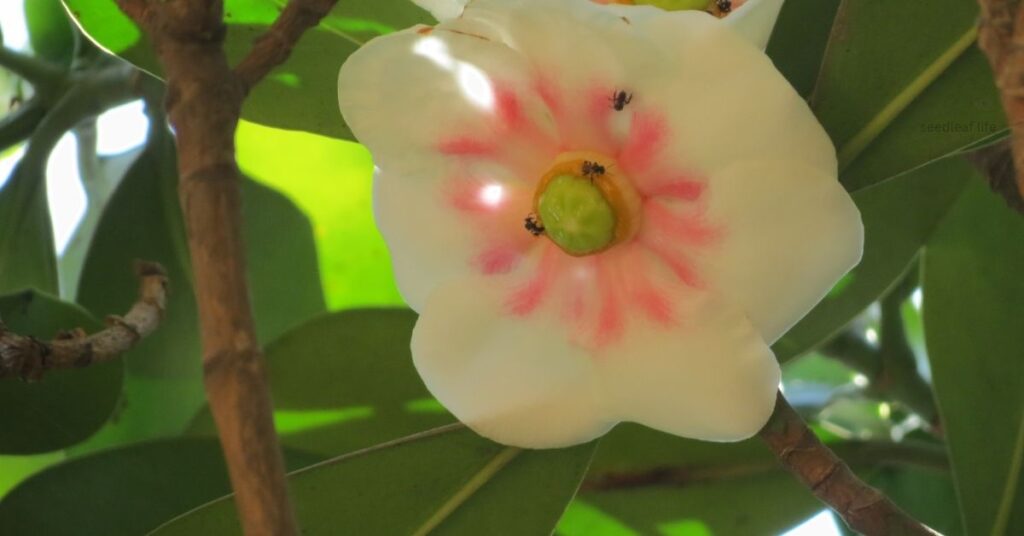
The most popular variety, known for large, glossy leaves and strong growth. Commonly grown indoors and outdoors.
Clusia guttifera (Small-Leaf Clusia)
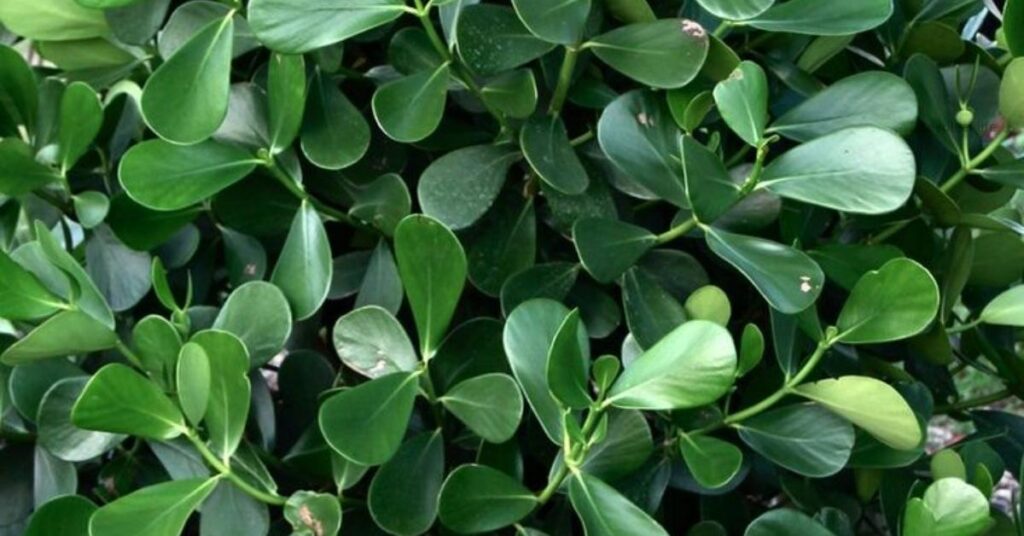
Features smaller leaves and is often used as a hedge or ornamental shrub in landscaping.
Clusia Plant Light Requirements
Best Light for Clusia Plant
The plants grow best in bright, indirect light, but they are highly adaptable.
Ideal light conditions:
- Bright filtered sunlight indoors
- Partial sun to full sun outdoors
Can Clusia Grow in Full Sun?
Yes. Outdoor plants tolerate full sun, especially once established. In very hot climates, some afternoon shade helps prevent leaf stress.
Can Clusia Grow in Low Light?
Clusia can survive in low light, but growth will slow, and leaves may become smaller and less vibrant.
How to Water a Clusia Plant
Watering Frequency
Plants prefer moderate watering and do not like soggy soil.
General guidelines:
- Water when the top 2–3 inches of soil are dry
- Reduce watering in winter
- Always ensure good drainage
Overwatering is the most common mistake with clusia plants.
Signs of Overwatering vs Underwatering
Overwatering signs:
- Yellowing leaves
- Soft stems
- Leaf drop
Underwatering signs:
- Drooping leaves
- Dry soil
- Slow growth
Best Soil for Clusia Plant
Plants require well-draining soil to prevent root rot.
Ideal soil characteristics:
- Loose and airy texture
- Good drainage
- Slightly acidic to neutral pH
A high-quality potting mix with added perlite or sand works well.
Temperature and Humidity Needs
Ideal Temperature Range
Clusia thrive in temperatures between 65–85°F (18–29°C).
They are not frost-tolerant and should be protected from cold temperatures below 50°F (10°C).
Humidity Requirements
Clusia prefer moderate to high humidity, but they adapt well to average indoor humidity levels.
Fertilizing Clusia Plants
Clusia are moderate feeders.
Fertilizing tips:
- Feed every 4–6 weeks during spring and summer
- Use a balanced liquid fertilizer
- Stop fertilizing in fall and winter
Over fertilizing can cause leaf burn and salt buildup.
Pruning and Shaping Clusia Plant
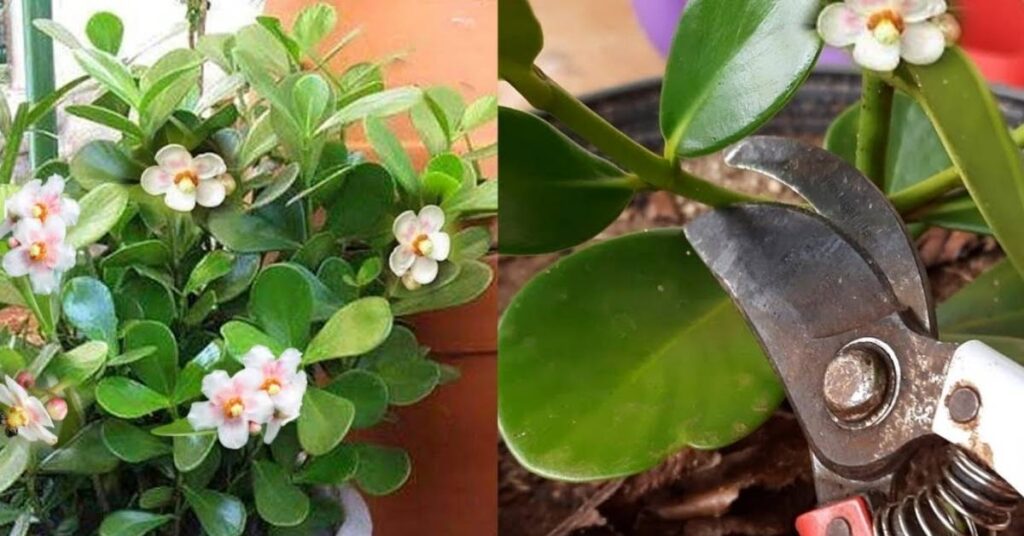
Pruning helps maintain shape and encourages bushier growth.
How to prune clusia:
- Trim leggy or uneven growth
- Remove dead or damaged branches
- Prune in spring or early summer
Clusia responds well to pruning and can be shaped as hedges or ornamental shrubs.
Repotting Clusia Plant
When to Repot
Repot clusia every 2–3 years, or when roots outgrow the container.
Signs repotting is needed:
- Roots circling the pot
- Poor drainage
- Slowed growth
Choose a pot only slightly larger than the previous one.
Growing Clusia Outdoors
Clusia grow outdoors in USDA zones 10–12.
Outdoor care tips:
- Plant in well-draining soil
- Water regularly until established
- Use mulch to retain moisture
Clusia is commonly used for privacy hedges and windbreaks in tropical landscapes.
How Fast Does a Clusia Plant Grow?
Clusia have a moderate growth rate.
- Indoor growth is slower
- Outdoor plants grow faster in warm climates
- Hedges can reach several feet tall within a few years
Common Clusia Plant Problems and Solutions
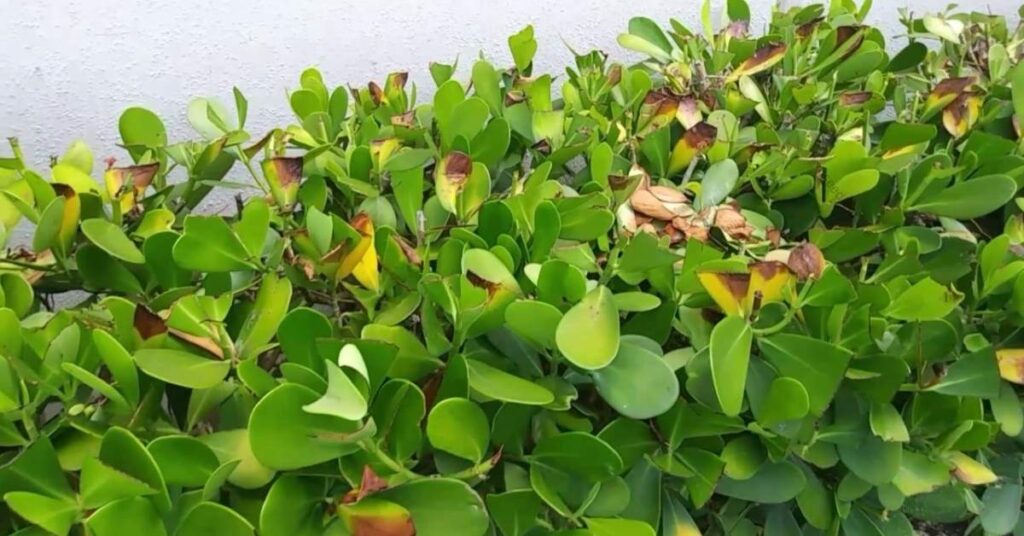
Yellow Leaves
Caused by:
- Overwatering
- Poor drainage
- Natural aging of older leaves
Leaf Drop
Often caused by:
- Sudden temperature changes
- Overwatering
- Stress from relocation
Brown or Black Spots on Leaves
May indicate:
- Fungal infection
- Poor air circulation
- Excess moisture
Remove affected leaves and improve airflow.
Pests
Common pests include:
- Spider mites
- Scale insects
- Mealybugs
Treat with neem oil or insecticidal soap.
Is Clusia Plant Toxic?
Yes. Clusia are toxic to pets and humans if ingested. The sap can also cause mild skin irritation.
Keep clusia plants out of reach of children and pets.
Frequently Asked Questions About Clusia Plant (Expanded)
Is Clusia a Good Indoor Plant?
Yes. Clusia is an excellent indoor plant due to its durability and attractive foliage.
Can Clusia Grow in Pots?
Yes. Clusia grows well in containers, especially when pruned regularly.
Does Clusia Need Full Sun?
Clusia prefers bright light but tolerates both partial shade and full sun.
Why Are My Clusia Leaves Turning Yellow?
Most commonly due to overwatering or poor drainage.
How Tall Does a Clusia Plant Grow?
Indoors, clusia may reach 6–8 feet. Outdoors, it can grow much taller if unpruned.
Can I Propagate Clusia?
Yes. Clusia can be propagated from stem cuttings placed in water or soil.
Is Clusia Plant Easy to Care For?
Yes. Clusia plants are considered low-maintenance, making them ideal for beginners and busy gardeners.
Conclusion
The clusia plant is a tough, versatile, and visually striking plant suitable for both indoor and outdoor environments. With proper light, moderate watering, well-draining soil, and occasional pruning, clusia plants thrive for many years. Their resilience, glossy foliage, and adaptability make them an excellent choice for homes, offices, and tropical landscapes.
Leave a Reply
You must be logged in to post a comment.