
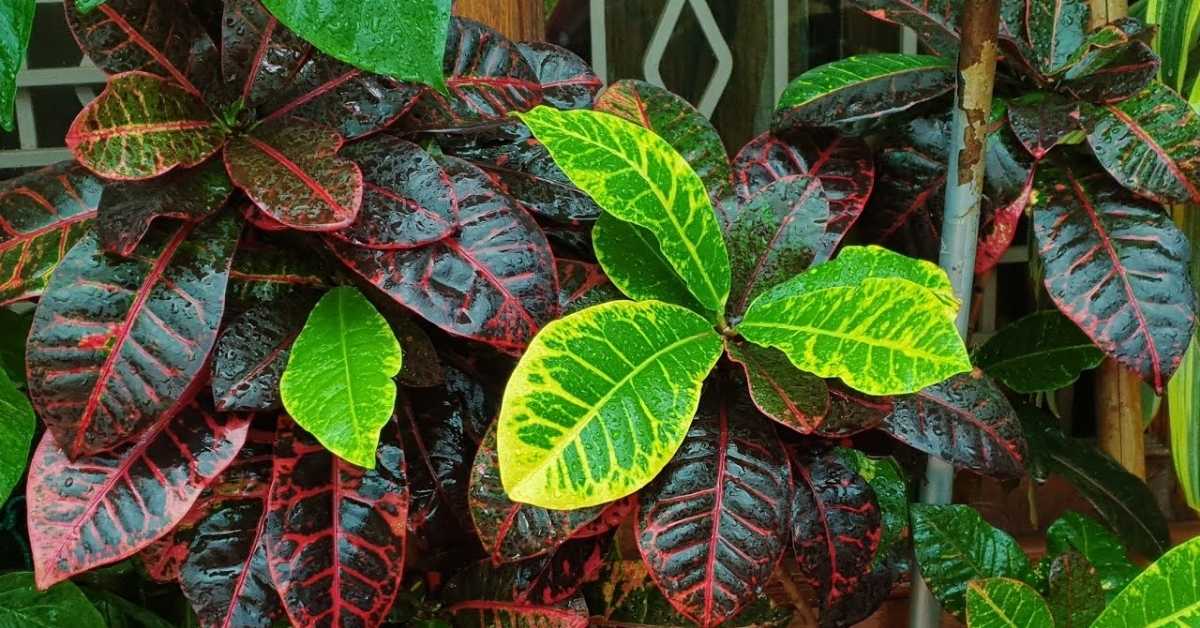
Did you know that the Croton plant can turn any drab corner of your home into a vibrant oasis with its stunning foliage? This tropical beauty is not only visually captivating but also surprisingly easy to care for, making it a favorite among plant lovers.
In this article, you’ll discover seven essential tips for Croton plant care to ensure your plant not only survives but thrives, adding a splash of color to your indoor or outdoor space.
What Is a Croton Plant?
The Croton plant, known scientifically as Codiaeum variegatum, is a tropical species celebrated for its bright, variegated leaves.
Leaf Colors and Patterns
- Yellow, red, green, and orange leaves create a stunning display.
- Each leaf has a unique pattern, so no two plants look exactly alike.
- Adds a lively touch to homes and gardens, instantly brightening indoor spaces.
Why It Needs Special Care
To keep your Croton healthy and vibrant:
- Light: Needs bright, indirect sunlight.
- Temperature: Thrives in warm environments between 60°F and 85°F.
- Watering: Keep soil moist but not soggy — overwatering leads to root rot.
- Humidity: Enjoys humid conditions; mist leaves occasionally or use a pebble tray.
With the right care and attention, proper Croton plant care will ensure your Croton rewards you with a lush, colorful display that brings warmth and vibrancy to any corner of your home.
Tip 1 – Provide Bright, Indirect Sunlight
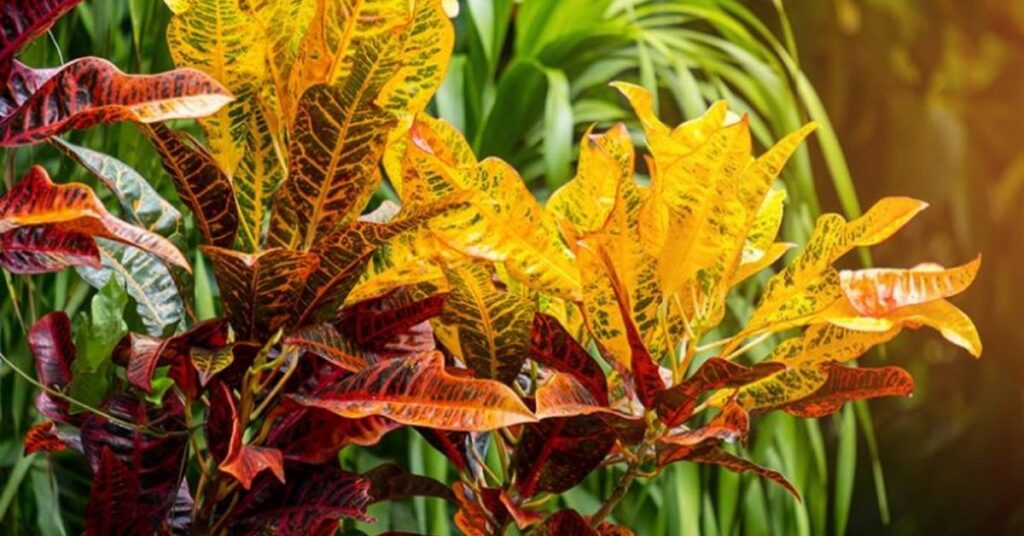
- Crotons love bright light.
- Avoid harsh direct sunlight, as it can burn the leaves.
- Best location: near a window with filtered sunlight.
Crotons thrive in bright, indirect sunlight, making them a favorite among indoor gardening enthusiasts. Positioning your Croton near a window that receives filtered sunlight can create a vibrant atmosphere for your plant. If you enjoy growing tropical houseplants, you may also like exploring this complete Clusia plant care guide to learn how to grow another beautiful indoor plant.
This setup not only nourishes the leaves, enhancing their beautiful colors, but also protects them from harsh rays that might scorch and damage their delicate surfaces.
To achieve this ideal lighting, consider using sheer curtains or placing your Croton a few feet away from the window. This ensures your plant gets the light it craves without the risk of leaf burn.
With the right amount of bright, indirect sunlight, your Croton will flourish, bringing a splash of color and life to your home.
Tip 2 – Water the Plant Properly
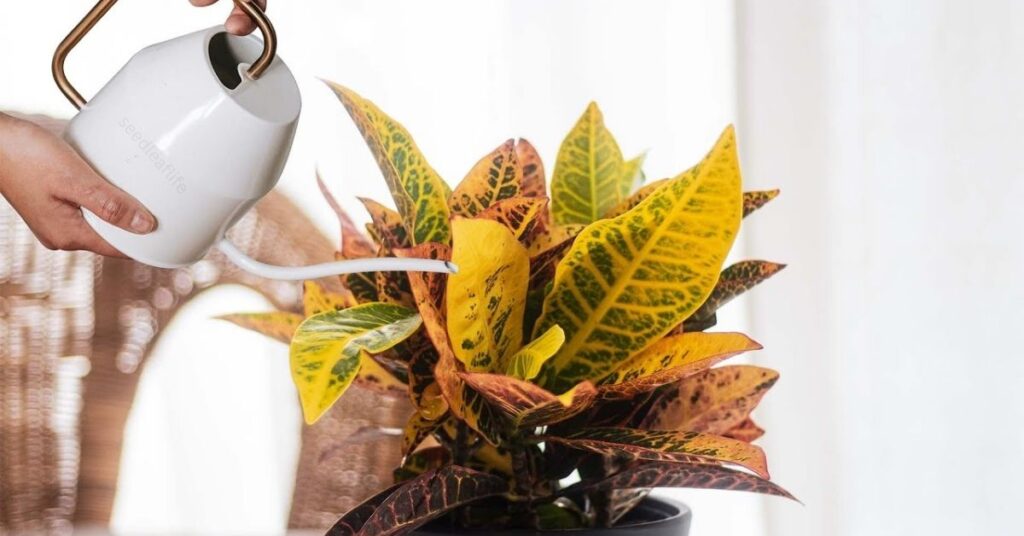
- Keep the soil moist but not soggy.
- Overwatering can lead to root rot.
- Adjust watering based on the season: more in summer, less in winter.
When it comes to Croton plant care, proper watering is crucial for keeping your vibrant foliage healthy. Aim to keep the soil consistently moist, but avoid sogginess because too much water can cause root rot.
To find the right balance, feel the top inch of the soil. If it’s dry, it’s time to water the plant. If it’s still damp, wait a little longer before watering again.
As seasons change, your watering routine should also change:
- In summer, Crotons may need more water to support active growth.
- In winter, when light levels drop and growth slows, reduce watering frequency.
Paying attention to your plant’s needs will help you become a more confident and successful indoor gardener.
Tip 3 – Use Well-Draining Soil
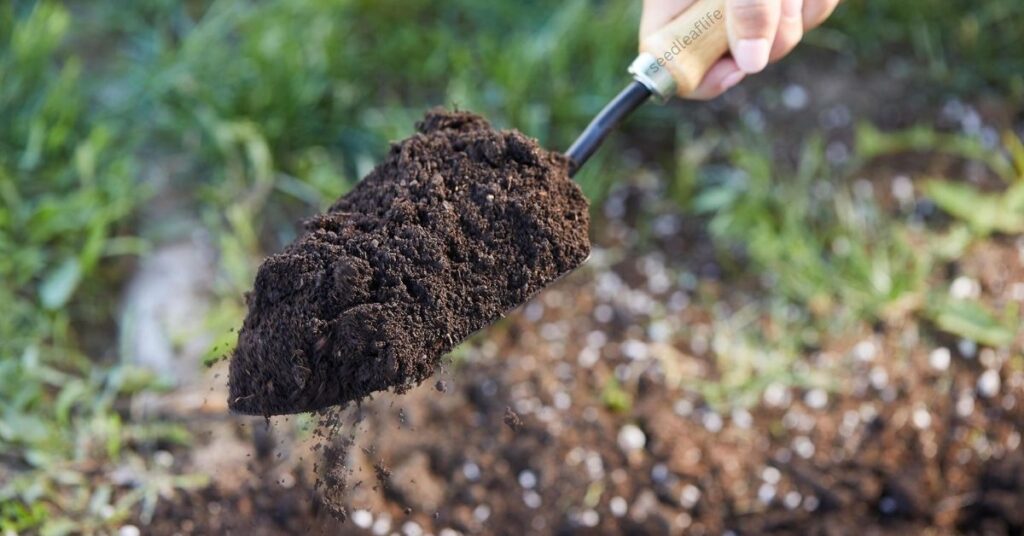
- Crotons thrive in light, well-draining soil.
- Best mix: potting soil + perlite + sand.
When it comes to Croton plant care, the right soil mix is a game changer. These stunning plants, known for their vibrant foliage, flourish in light, well-draining soil that allows for optimal airflow and moisture retention.
A great recipe includes a blend of potting soil, perlite, and sand. This combination provides essential nutrients while ensuring that excess water drains quickly, preventing root rot, which is a common issue for indoor plants.
Perlite improves drainage and aeration, while sand helps prevent soil compaction. Crotons love having space around their roots, and the right soil mix helps them grow strong and healthy.
By creating a well-draining soil environment, you help your Croton maintain its bright colors and lush growth, keeping your indoor garden vibrant and thriving.
Tip 4 – Maintain Warm Temperature
- Ideal temperature range: 18°C – 29°C (65°F – 85°F).
- Keep the plant away from cold drafts and AC vents.
- A tropical environment is best for its growth.
Maintaining a warm temperature is crucial for optimum Croton plant care. These tropical beauties thrive best in temperatures ranging from 18°C to 29°C (65°F to 85°F), so it’s important to create a cozy environment for them. A steady, warm atmosphere not only supports their vibrant foliage but also enhances their overall health.
Placing your Croton in a location that mimics its natural habitat helps it maintain those stunning colors and lively growth.
Be mindful of cold drafts and air conditioning vents, which can stress your plant and lead to detrimental effects. Sudden drops in temperature or chilly air can cause leaf drop and stunted growth.
Instead, find a warm, well-lit corner of your home where your Croton can bask in consistent warmth. By thoughtfully managing its temperature, you’re setting the stage for a thriving, colorful companion that can brighten up any space. Remember, a happy Croton means flourishing leaves and a cheerful atmosphere!
Tip 5 – Increase Humidity for Healthy Croton Plant Care
- Crotons prefer humid conditions.
- Mist the leaves occasionally or use a humidifier / pebble tray.
Increasing humidity is a crucial step in proper Croton plant care, as these vibrant beauties thrive in moist environments. One of the simplest ways to boost humidity is to mist the leaves occasionally. This not only provides the moisture they crave but also helps remove dust, allowing the stunning colors of the leaves to shine through.
Choose a fine mist for better coverage and make it a weekly routine, especially during drier months when indoor air becomes dry.
For a more consistent solution, you can use a humidifier or a pebble tray. A humidifier helps maintain steady moisture in the air, creating a tropical-like environment that Crotons love.
Another simple option is placing the pot on a pebble tray filled with water. As the water slowly evaporates, it creates a humid microclimate around the plant, helping it feel closer to its natural tropical habitat.
By maintaining higher humidity levels, your Croton will stay healthy and vibrant, continuing to display its beautiful, colorful foliage for years to come.
Tip 6 – Fertilize for Healthy Growth
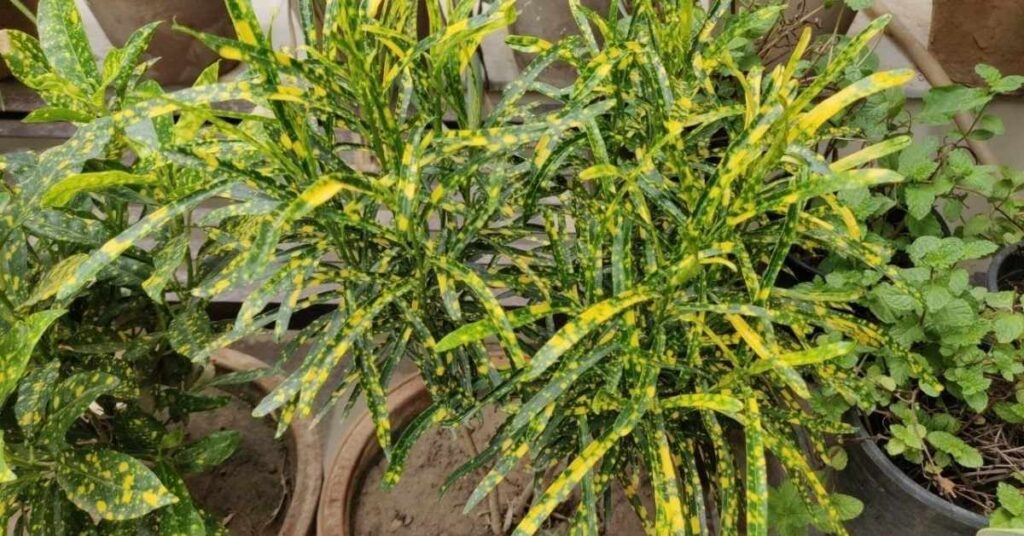
- Fertilize during the growing season (spring & summer).
- Use a balanced liquid fertilizer every 4–6 weeks.
To give your Croton plant the vibrant, healthy growth it craves, fertilizing is essential during the growing season of spring and summer. Using a balanced liquid fertilizer every 4–6 weeks helps provide the nutrients your plant needs to develop strong stems and colorful foliage.
This simple routine not only supports healthy growth but also enhances the bright, striking colors that make Crotons so popular as decorative houseplants.
For best results, mix the liquid fertilizer with water to ensure a gentle and even distribution of nutrients. Crotons can sometimes be a bit sensitive, so it’s important to monitor the plant’s response.
Pay attention to the leaves—lush green foliage and vivid colors usually indicate that your Croton plant care routine is working well. However, if you notice yellowing leaves or slow growth, it may be a sign to adjust the amount or frequency of fertilizer.
With proper feeding and care, your Croton can grow into a beautiful, eye-catching centerpiece that adds color and life to your home.
Tip 7 – Prune and Clean the Leaves
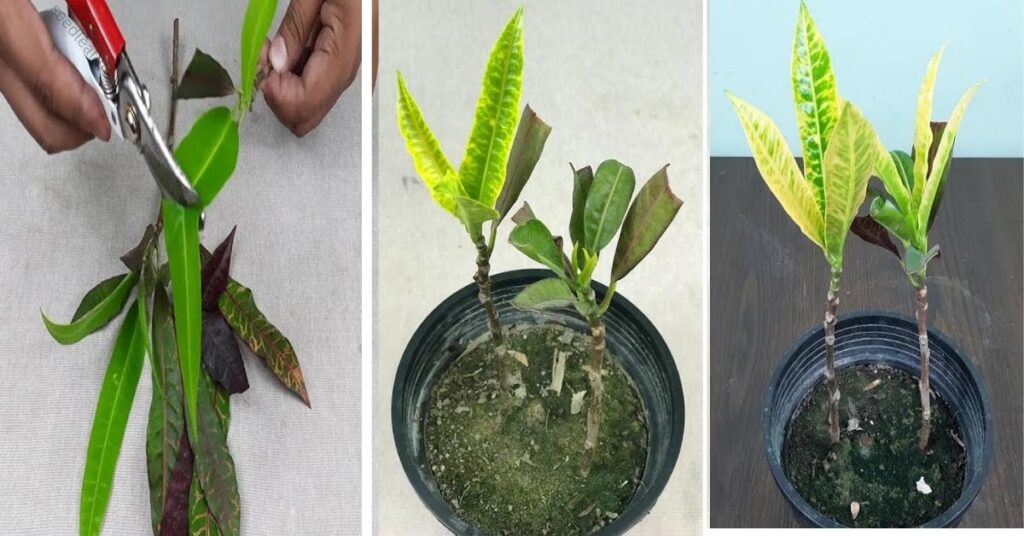
- Remove dead or yellow leaves regularly.
- Pruning encourages the plant to become bushy.
- Keep the leaves clean for healthy growth.
Pruning and cleaning your Croton not only enhances its appearance but also promotes healthy growth. Regularly removing dead or yellow leaves helps redirect the plant’s energy toward new growth, making your Croton bushier and more vibrant. This process is like giving your plant a fresh start, allowing it to flourish in its full glory.
In addition to pruning, keeping the leaves clean is vital for optimal photosynthesis. Dust and grime can block light absorption and hamper growth. A gentle wipe with a damp cloth can make a big difference, helping your Croton absorb sunlight effectively.
Incorporating these simple yet essential steps into your Croton plant care routine will elevate your plant’s health and aesthetic appeal. Embrace this nurturing process, and your plant will reward you with lush, colorful foliage!
Common Problems in Croton Plants
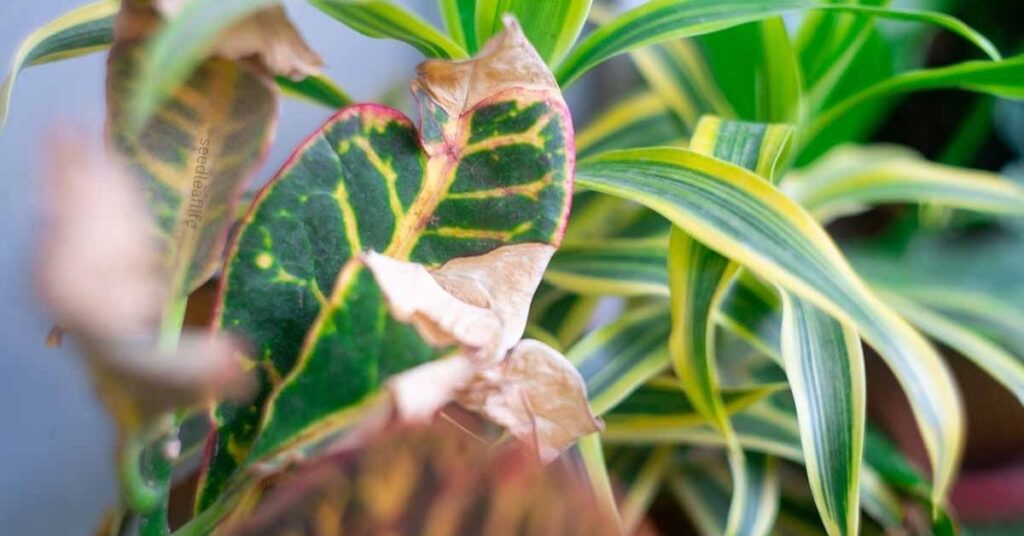
- Leaf drop
- Yellowing leaves
- Pests such as spider mites and mealybugs
- Simple solutions: proper light, watering, and pest control
The Croton plant, known for its vibrant, multi-colored leaves, can sometimes face issues that leave plant enthusiasts puzzled.
Leaf drop is a common problem, often caused by stress factors such as sudden changes in temperature or humidity. If your Croton’s leaves are falling, it might be time to reassess its living conditions. Keeping a consistent environment, away from drafts or extreme temperatures, is crucial for robust Croton plant care.
Yellowing leaves can signal overwatering or inadequate light. Ensure your plant is receiving bright, indirect light and that the soil dries out slightly between waterings.
For pest control, watch out for spider mites and mealybugs. These tiny invaders can sap your plant’s vitality. A gentle wash with water or an insecticidal soap can go a long way in keeping your Croton healthy.
With these simple adjustments, your Croton can thrive and continue to brighten up your space with its stunning foliage.
Croton Plant Care Indoors vs Outdoors
- Indoor care tips: ensure adequate light and humidity.
- Outdoor planting: choose a warm, sheltered location.
- Consider the local climate for best results.
When it comes to Croton plant care indoors, lighting and humidity are your best allies. Crotons thrive in bright, indirect light, so placing them near a window with filtered sunlight is ideal. Since these tropical beauties love humidity, consider using a pebble tray or a humidifier to maintain that lush, tropical feel. Regular misting can also help replicate their natural environment, promoting vibrant foliage and preventing leaf drop.
For outdoor planting, selecting a warm, sheltered spot is crucial. Crotons flourish when protected from harsh winds and extreme temperatures, so consider areas that receive partial shade in hotter months to avoid sunburn.
Be mindful of your local climate. Crotons are generally happiest in hardiness zones 9-11. Knowing your region’s frost dates can help you time the move perfectly, ensuring your Croton thrives both indoors and outdoors.
With a little attention to their specific needs, your Croton can become a striking focal point in any setting!
Benefits of Growing Croton Plants
- Adds home decoration value.
- Brings colorful foliage to your space.
- Creates a mood-lifting environment.
Growing Croton plants can transform your home into a vibrant oasis, effortlessly adding a splash of color to any room. With their stunning, variegated leaves ranging from deep greens to striking yellows, oranges, and reds, these plants serve as natural decor that complements various interior styles. Whether placed near a window or in a cozy corner, Crotons can enhance the aesthetic appeal of your space, acting as eye-catching focal points that draw admiration from guests and family alike.
Beyond their decorative value, Croton plants also contribute positively to your mood. The rich colors and lively patterns of their foliage can uplift your spirits and create a warm, inviting atmosphere.
Engaging with these plants through simple Croton plant care rituals, like wiping down leaves or ensuring they get the right amount of sunlight, can foster a deeper connection to nature within your home. Watching their growth not only brings joy but also cultivates mindfulness, turning everyday routines into moments of tranquility and appreciation.
Conclusion
In summary, the Croton plant brings stunning color and a lively spirit to any home, making it an excellent choice for both novice and experienced plant lovers. With a little attention to its light, water, and humidity needs, proper Croton plant care can help you cultivate a thriving, vibrant plant that enhances your living space.
Watching the leaves change and grow can be a rewarding experience, adding a touch of nature to your daily life. By following simple Croton plant care tips, your plant will flourish, creating a bright, cheerful atmosphere indoors.
So why not bring a Croton into your home today? With the right Croton plant care, your indoor garden will thank you!
Leave a Reply
You must be logged in to post a comment.