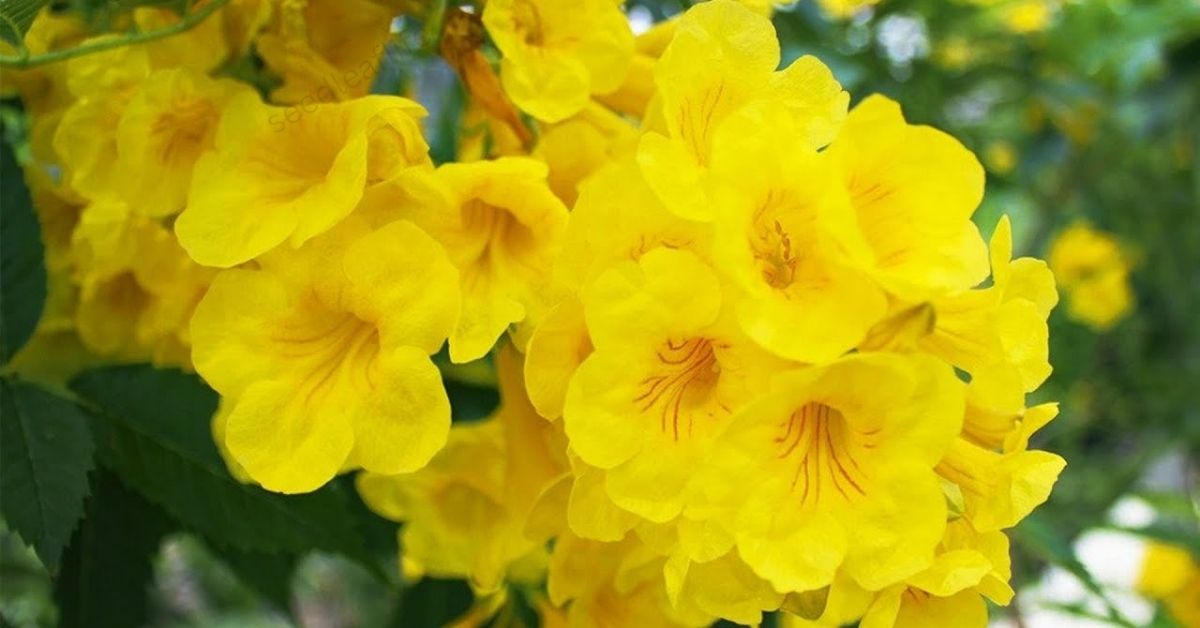
The Esperanza plant is a striking, sun-loving flowering plant known for its bright yellow trumpet-shaped blooms, drought tolerance, and tropical appearance. Also commonly called Yellow Bells, Tecoma, or Tecoma stans, Esperanza is widely grown in warm climates for its ability to produce vibrant flowers over a long season with relatively low maintenance.
Gardeners love Esperanza for its bold color, fast growth, and resilience. Once established, it thrives in heat, poor soil, and dry conditions where many flowering plants struggle. Whether grown as a shrub, small tree, or container plant, Esperanza adds a dramatic, tropical feel to landscapes, patios, and garden borders.
In this complete guide, you will learn what the Esperanza plant is, how to grow and care for it, whether it is annual or perennial, how to prune it correctly, common problems and solutions, and answers to the most frequently asked questions. This article is designed for both beginner and experienced gardeners who want long-lasting color with minimal effort.
What Is the Esperanza Plant?
The Esperanza plant, botanically known as Tecoma stans, is a flowering shrub or small tree native to the Americas, particularly the southern United States, Mexico, Central America, and parts of South America. It belongs to the Bignoniaceae family, which includes other trumpet-flowering plants.
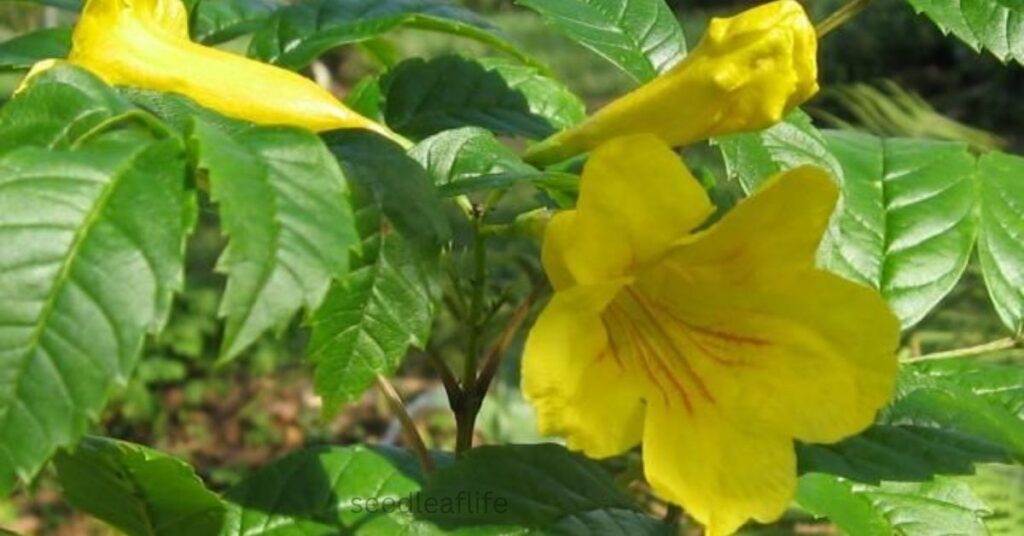
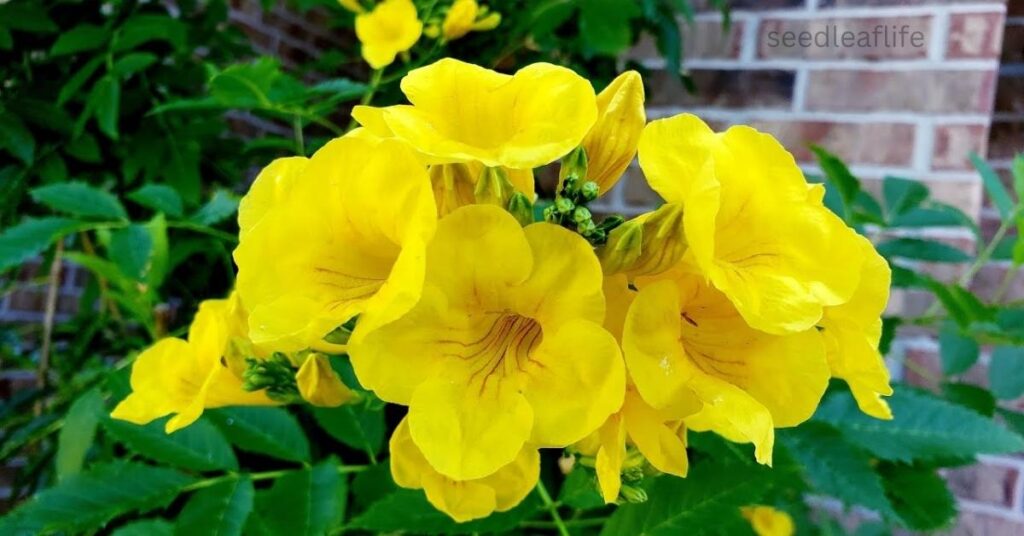
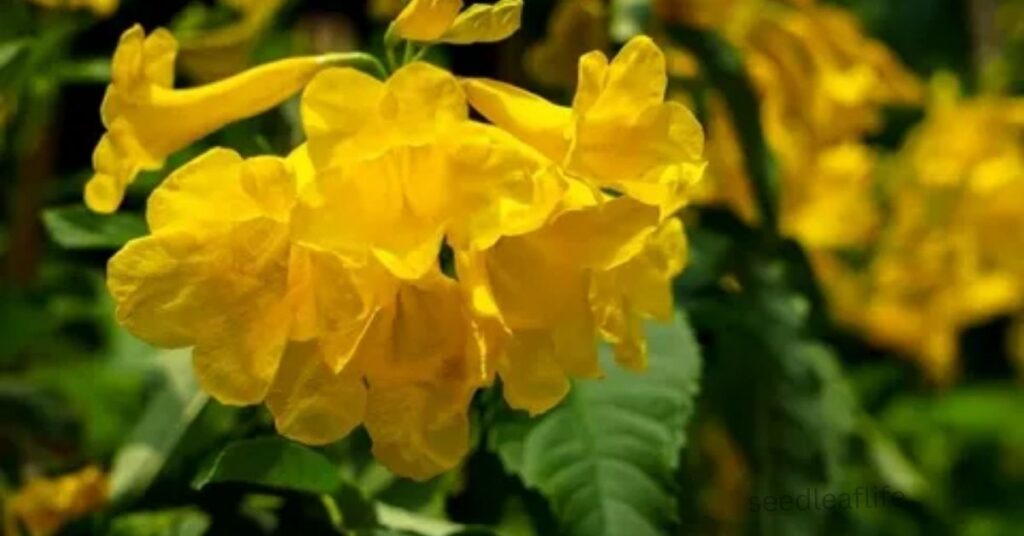
Esperanza is best known for its bright yellow, bell-shaped flowers that bloom in clusters throughout the warm months. These blooms are highly attractive to bees, butterflies, and hummingbirds, making the plant a valuable addition to pollinator-friendly gardens.
Depending on climate and care, Esperanza can grow as a perennial shrub, a small ornamental tree, or an annual in colder regions. Its glossy green foliage and upright growth habit make it suitable for hedges, foundation plantings, and focal points in the landscape.
Esperanza Plant Names and Varieties
Common Names of Esperanza
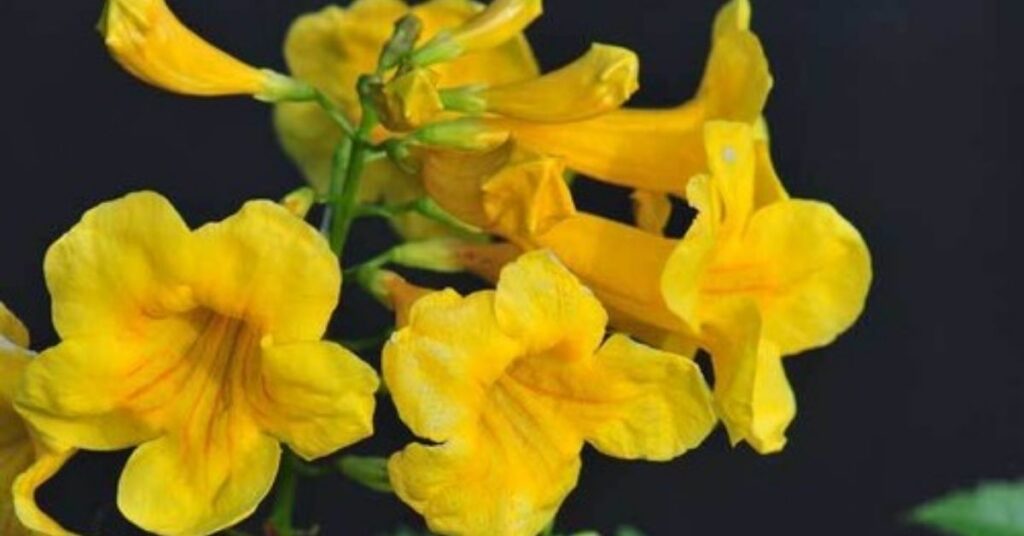
The Esperanza plant is known by several common names, including:
- Esperanza
- Yellow Bells
- Yellow Trumpetbush
- Tecoma
- Trumpet Flower
These names often vary by region, but they all refer to Tecoma stans.
Popular Esperanza Varieties
There are several cultivated varieties of Esperanza, offering differences in size, growth habit, and flower color.
- Gold Star Esperanza – Compact growth with abundant golden-yellow blooms
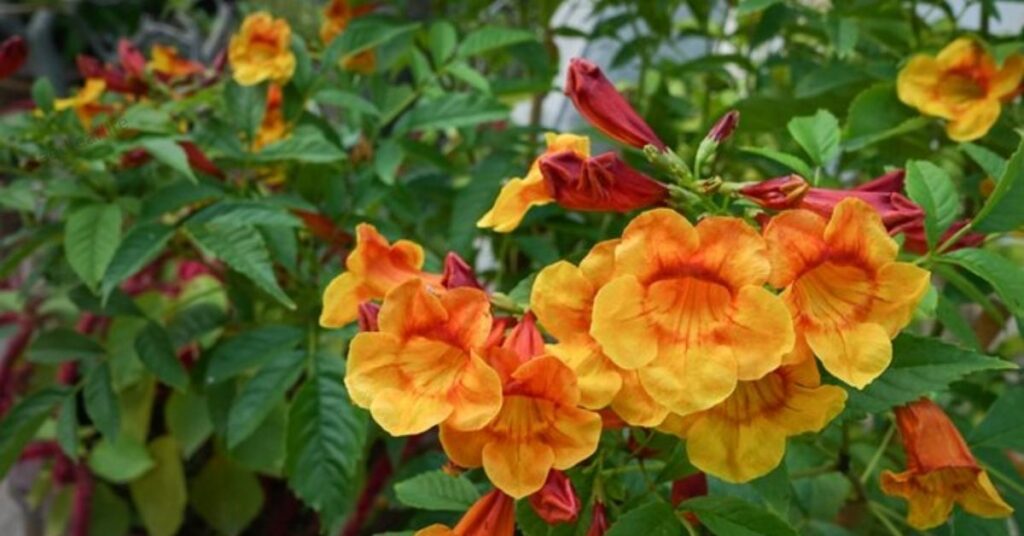
- Bells of Fire Esperanza – Features orange to reddish-orange flowers
- Orange Jubilee Esperanza – Known for vivid orange blooms and vigorous growth
Some varieties are bred for compact size, making them suitable for containers and smaller gardens.
Is Esperanza a Perennial or Annual?
Esperanza is a perennial plant in warm climates, typically USDA hardiness zones 8–11. In these regions, it returns year after year, often growing larger and more floriferous with age.
In colder climates where frost occurs, Esperanza is usually grown as an annual or dies back to the ground in winter. In some cases, the roots may survive mild winters and regrow in spring, but heavy frost usually kills the plant.
How Big Does Esperanza Grow?
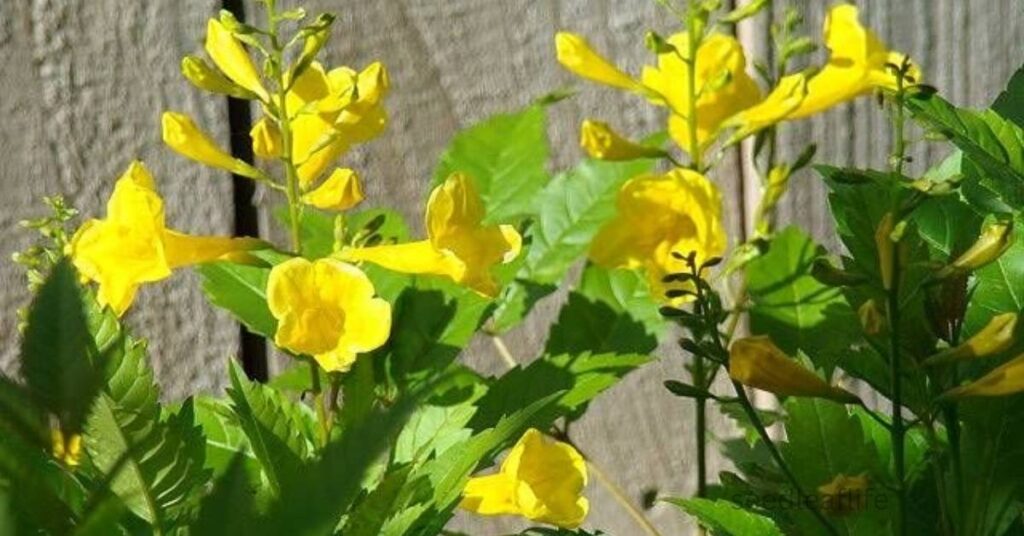
Esperanza is a fast-growing plant. Depending on variety and growing conditions, it can reach:
- Height: 6–15 feet
- Width: 4–10 feet
When grown as a small tree, it develops a woody trunk and an open, spreading canopy. Regular pruning helps control size and shape.
How to Plant Esperanza
Best Time to Plant Esperanza
The best time to plant Esperanza is spring or early summer, once the danger of frost has passed. Warm soil encourages rapid root establishment and healthy growth.
Soil Requirements
Esperanza prefers well-draining soil and is highly tolerant of poor or sandy soils. It does not tolerate soggy or waterlogged conditions. Slightly acidic to neutral soil pH is ideal.
Sunlight Requirements
Esperanza thrives in full sun. At least 6–8 hours of direct sunlight daily is necessary for heavy flowering. Plants grown in shade produce fewer flowers and become leggy.
Spacing and Placement
Space Esperanza plants far enough apart to allow for mature growth. Good air circulation helps prevent disease and encourages strong branching.
Esperanza Plant Care Guide
Watering Needs
Esperanza is drought tolerant once established. During the first growing season, water regularly to help roots develop. After establishment:
- Water deeply but infrequently.
- Allow soil to dry slightly between watering.
Overwatering is a common cause of poor performance.
Fertilizing Esperanza
Esperanza does not require heavy fertilization. Too much fertilizer promotes foliage growth at the expense of flowers.
- Use a balanced fertilizer sparingly
- Apply once in spring and optionally again in mid-summer
Mulching
Applying mulch helps retain moisture, regulate soil temperature, and suppress weeds, especially during the plant’s establishment phase.
Pruning Esperanza Plant
Pruning is an important part of Esperanza care and helps maintain shape and encourage flowering.
When to Prune Esperanza
- Prune in late winter or early spring before new growth begins
- In colder regions, wait until after frost danger has passed
How to Prune Esperanza
- Remove dead or damaged branches.
- Cut back leggy growth.
- Shape the plant to maintain size and form.
Esperanza blooms on new growth, so pruning actually encourages more flowers.
Growing Esperanza in Containers
Esperanza can be grown successfully in large containers, especially compact varieties.
- Use a container with good drainage
- Choose a high-quality potting mix
- Place in full sun
Container-grown plants may require more frequent watering and occasional feeding.
Common Problems and Solutions
Why Is My Esperanza Not Blooming?
Lack of blooms is usually caused by:
- Insufficient sunlight
- Overfertilization
- Excess water
- Lack of pruning
Moving the plant to full sun and reducing fertilizer often restores flowering.
Yellow Leaves
Yellowing leaves may indicate:
- Overwatering
- Poor drainage
- Nutrient imbalance
Ensure soil drains well and adjust watering habits.
Pests and Diseases
Esperanza is relatively pest-resistant but may occasionally attract:
- Aphids
- Spider mites
- Whiteflies
These can be managed with neem oil or insecticidal soap. Diseases are rare when grown in proper conditions.
Esperanza Plant vs Similar Plants
Esperanza is sometimes confused with other trumpet-flowering plants such as Allamanda or Yellow Trumpet Vine, but Esperanza is more drought tolerant and easier to maintain in landscape settings.
Is Esperanza Toxic?
Esperanza is considered mildly toxic if ingested, particularly to pets. It should be planted with caution in areas accessible to animals or small children.
Benefits of Growing Esperanza
- Long blooming season
- Drought tolerant
- Attracts pollinators
- Low maintenance
- Excellent for hot climates
These qualities make Esperanza especially popular in xeriscaping and desert landscapes.
Frequently Asked Questions About Esperanza Plant (Detailed)
Is Esperanza Evergreen?
Esperanza is evergreen in warm climates but may lose leaves in colder regions or during drought.
Does Esperanza Attract Bees and Butterflies?
Yes. Esperanza is highly attractive to pollinators, including bees, butterflies, and hummingbirds.
Can Esperanza Survive Frost?
Esperanza is not frost tolerant. Frost can damage or kill the plant, especially above ground.
How Often Should I Water Esperanza?
Water regularly during establishment. Once mature, water only during extended dry periods.
Can Esperanza Grow Indoors?
Esperanza is not suitable as a houseplant. It requires full sun and outdoor conditions to thrive.
Is Esperanza Invasive?
In some warm regions, Esperanza can self-seed. Check local guidelines before planting.
How Long Does Esperanza Bloom?
Esperanza blooms from late spring through fall, often continuously in warm climates.
Can Esperanza Be Grown as a Tree?
Yes. With proper pruning, Esperanza can be trained into a small ornamental tree.
Is Esperanza Deer Resistant?
Esperanza is moderately deer resistant, though not completely deer-proof.
How Fast Does Esperanza Grow?
Esperanza is a fast grower, often reaching mature size within a few years.
Are Esperanza Plants Worth Growing?
Esperanza plants are an excellent choice for gardeners who want bold color, heat tolerance, and minimal maintenance. Their ability to thrive in harsh conditions, attract pollinators, and bloom over a long season makes them especially valuable in warm and dry climates.
Conclusion
The Esperanza plant is a standout flowering shrub that combines beauty, toughness, and ease of care. With full sun, well-draining soil, and occasional pruning, Esperanza rewards gardeners with months of brilliant yellow blooms and lush foliage. Whether grown as a shrub, small tree, or container plant, Esperanza is a reliable and visually stunning addition to any warm-climate garden.
Leave a Reply
You must be logged in to post a comment.