
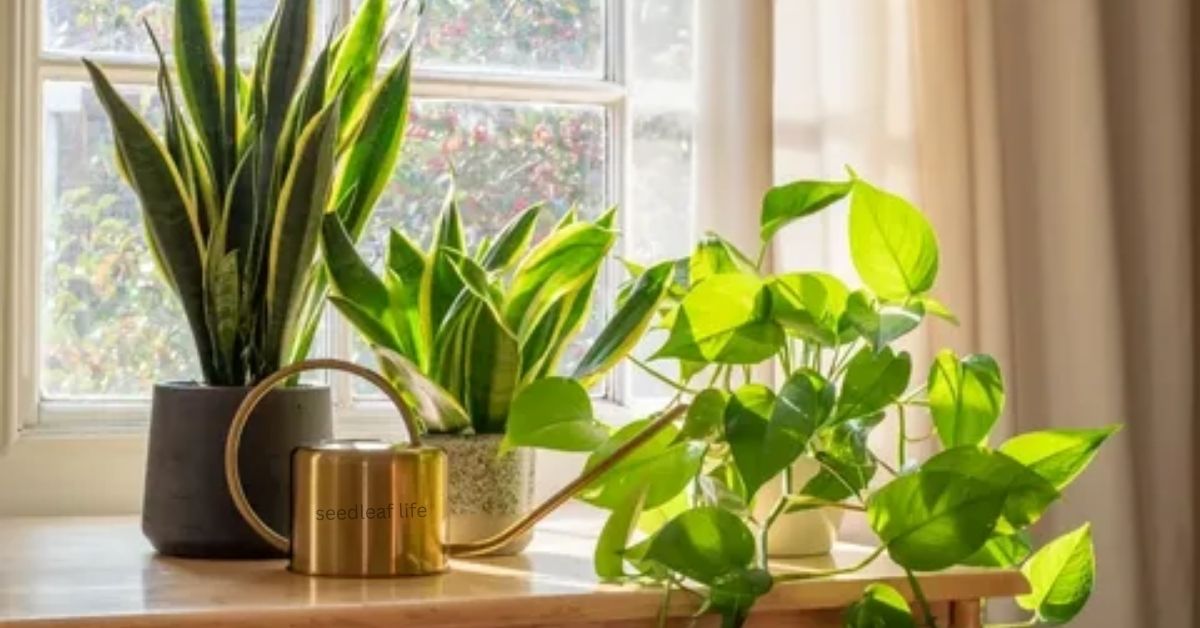
Introduction
House plants have become more than just decorative pieces in modern homes—they are essential for creating a healthy and inviting living space. With the growing awareness of the benefits of indoor greenery, more people are discovering that good house plants can transform not only the look of a room but also the quality of the air and overall wellbeing. Whether you live in a small apartment or a spacious house, incorporating the right indoor plants can bring life, color, and a sense of calm to your environment.
One of the most compelling reasons to have house plants is their ability to improve air quality. Many plants naturally filter toxins, release oxygen, and increase humidity, creating a fresher and healthier atmosphere. Beyond the physical benefits, caring for plants has been shown to reduce stress, boost mood, and even enhance productivity—making them perfect companions for both workspaces and relaxation areas.
Choosing the right plant, however, requires understanding your space, light conditions, and lifestyle. Some plants thrive in low-light corners, while others need bright, indirect sunlight. Similarly, while some species are virtually maintenance-free, others demand regular watering and care. This comprehensive guide will help you explore a variety of good house plants, from easy-to-care-for options for beginners to air-purifying and aesthetically striking plants for experienced plant enthusiasts. By the end, you’ll have all the knowledge needed to select, care for, and display house plants that suit your home perfectly.
Benefits of Having Good House Plants
Bringing good house plants into your home offers a wide range of benefits that go beyond simple decoration. From improving air quality to boosting mental health and enhancing your living space’s aesthetics, indoor plants have become an essential part of modern home design.
Improve Air Quality
One of the most well-known advantages of house plants is their ability to purify the air. Many indoor plants act as natural filters, removing harmful toxins such as formaldehyde, benzene, and trichloroethylene commonly found in homes. They also release oxygen and increase humidity, creating a fresher and healthier environment. Plants like the Snake Plant (Sansevieria) are particularly effective at filtering air, even in low-light conditions, making them perfect for bedrooms or offices. Similarly, the Spider Plant (Chlorophytum comosum) not only looks attractive with its arching green leaves but also removes pollutants and improves indoor air quality with minimal maintenance.
Enhance Mental Health
Research has shown that interacting with house plants can significantly reduce stress and improve mental wellbeing. Caring for plants provides a calming routine, helping to lower anxiety and promote relaxation. Additionally, indoor greenery has been linked to increased focus and productivity, making them ideal for work-from-home spaces. Even simply being around plants can boost mood, create a sense of accomplishment, and foster a connection with nature—something often missing in urban living.
Aesthetic and Home Decor Benefits
Beyond health benefits, good house plants elevate the look and feel of any interior. Their vibrant colors and varied textures bring life and freshness to rooms, complementing modern decor styles. Popular trends include grouping plants in decorative pots, creating vertical plant walls, or using hanging planters to save space while adding visual interest. Whether placed in living rooms, kitchens, or offices, plants make interiors more inviting, cozy, and visually appealing.
How to Choose the Right House Plants
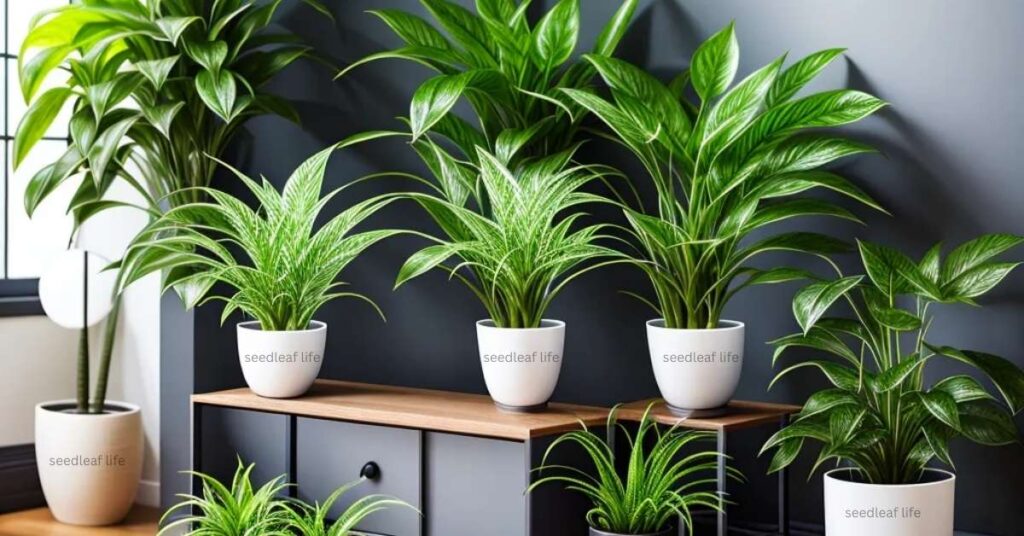
Selecting the right good house plants for your home goes beyond picking what looks attractive. Choosing plants that suit your space, lifestyle, and personal preferences ensures they thrive and bring long-lasting benefits.
Assess Your Space and Light Conditions
The first step in selecting house plants is understanding the lighting in your home. Plants have different light requirements, so matching them to your available conditions is crucial. Low-light plants such as the ZZ Plant or Snake Plant thrive in shaded corners or rooms with minimal natural sunlight. On the other hand, bright-light plants like succulents, Fiddle Leaf Figs, or Aloe Vera need indirect or direct sunlight to grow healthily. For specific room orientations, north-facing rooms generally receive less light, making them ideal for low-light tolerant plants. South-facing rooms, with bright sunlight, suit plants that flourish in brighter conditions.
Consider Your Lifestyle and Maintenance Ability
Your daily routine and experience with plants should guide your choices. Low-maintenance plants such as Pothos, Spider Plants, or Peace Lilies are perfect for beginners or busy individuals, as they require minimal care and are resilient. For plant enthusiasts who enjoy hands-on care, high-maintenance plants like Calatheas or orchids offer unique beauty but demand more attention, regular watering, and specific conditions.
Think About Size and Growth Patterns
Consider the space available and how you want your plants to fit into your home. Small tabletop plants work well on desks, shelves, or countertops, adding a touch of greenery without taking up much room. Tall floor plants, like Rubber Plants or Fiddle Leaf Figs, can create striking focal points in living rooms or entryways. Additionally, understanding growth patterns—fast-growing vs. slow-growing plants—helps you plan maintenance and placement over time.
By carefully assessing light, lifestyle, and space, you can select good house plants that thrive while enhancing both your home’s beauty and atmosphere.
Top Good House Plants for Beginners
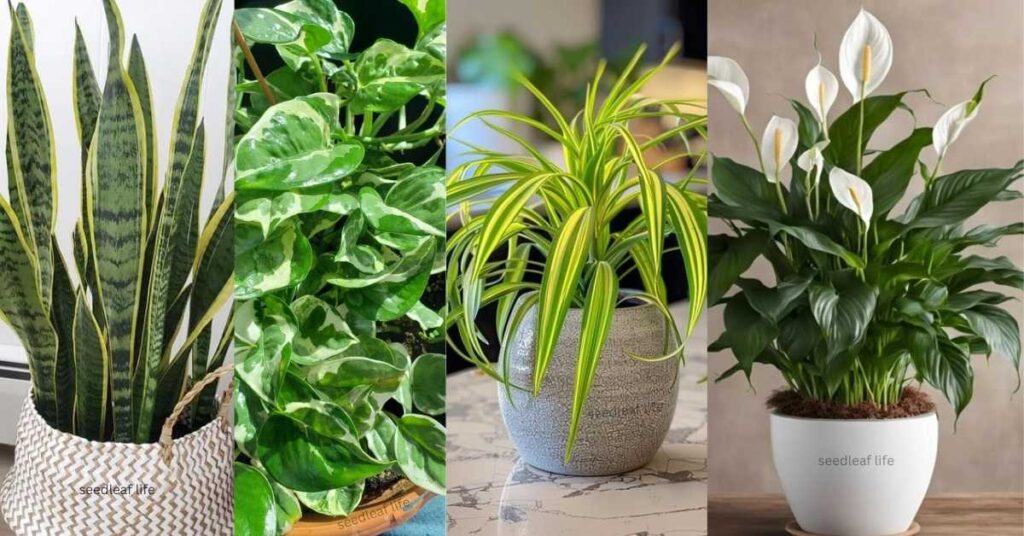
Starting with the right good house plants can make all the difference for beginners. These plants are resilient, low-maintenance, and visually appealing, making them perfect for anyone new to indoor gardening.
Snake Plant (Sansevieria)
The Snake Plant is one of the easiest house plants to care for, making it ideal for beginners. It’s highly tolerant of low light and irregular watering, thriving even in shaded corners. This plant also improves indoor air quality by filtering toxins and releasing oxygen, especially at night. Water sparingly—allow the soil to dry completely between watering—and place it in indirect sunlight for optimal growth. Its upright, sword-like leaves add a modern touch to any room.
Pothos (Epipremnum aureum)
Pothos is a popular choice due to its low-maintenance nature and ability to adapt to different light conditions. It can grow in low to medium light and requires watering only when the soil feels dry. Its trailing vines make it perfect for shelves, hanging planters, or even as a tabletop accent. Pothos is also very easy to propagate, allowing beginners to expand their indoor garden effortlessly while adding a lush, vibrant aesthetic.
Spider Plant (Chlorophytum comosum)
Spider Plants are resilient, fast-growing, and excellent for air purification. They thrive in moderate to bright indirect light and require consistent, but not excessive, watering. Their cascading leaves and small “pups” create a dynamic visual effect, making them perfect for hanging baskets or elevated planters. They’re very forgiving, making them a great choice for novice plant owners.
Peace Lily (Spathiphyllum)
Peace Lilies are not only beautiful with their elegant white flowers but also highly effective at cleaning indoor air. They prefer moderate, indirect light and slightly moist soil. Peace Lilies are ideal for living rooms or offices, adding both greenery and blooms while being low-maintenance.
These beginner-friendly good house plants combine aesthetics, resilience, and health benefits, making them perfect for anyone starting their indoor plant journey.
Best House Plants for Low Light
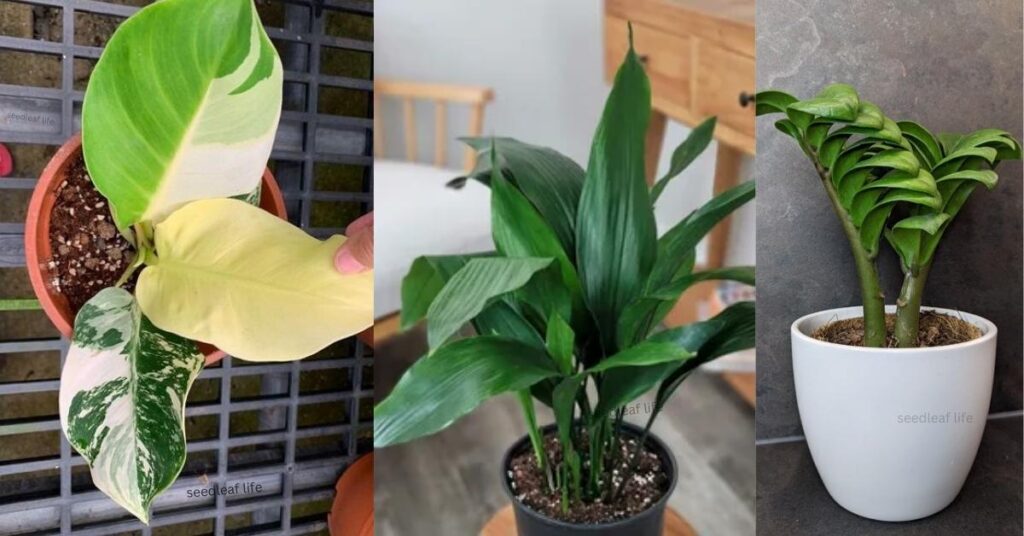
Not every home has bright sunlight, but that doesn’t mean you have to give up on greenery. Many good house plants thrive in low-light conditions, making them perfect for apartments, offices, or rooms with limited natural light.
ZZ Plant (Zamioculcas zamiifolia)
The ZZ Plant is an ideal choice for low-light spaces. Known for its glossy, dark green leaves, it is exceptionally resilient and can survive in corners with minimal sunlight. Water sparingly, allowing the soil to dry out completely between watering sessions. Its tolerance to neglect and irregular care makes it perfect for beginners or busy homeowners. The ZZ Plant also adds a sleek, modern touch to interiors without demanding much maintenance.
Cast Iron Plant (Aspidistra elatior)
True to its name, the Cast Iron Plant is almost indestructible. It thrives in very low light and requires minimal attention, making it a long-lasting addition to any home. This plant grows slowly but steadily, offering lush green foliage that complements almost any decor. Ideal for shaded hallways, living rooms, or offices, it is perfect for homeowners looking for a hardy, low-light plant that can survive with little care.
Philodendron Varieties
Philodendrons are versatile indoor plants, with both climbing and trailing types suited for low-light environments. They adapt well to indirect light and require minimal maintenance. Trailing Philodendrons are excellent for hanging baskets or shelves, while climbing varieties can be trained on supports to add vertical greenery. Their lush foliage not only brightens indoor spaces but also purifies the air, making them a functional and aesthetic choice.
Choosing good house plants for low-light areas ensures that every corner of your home can have a touch of greenery.
House Plants for Improving Air Quality
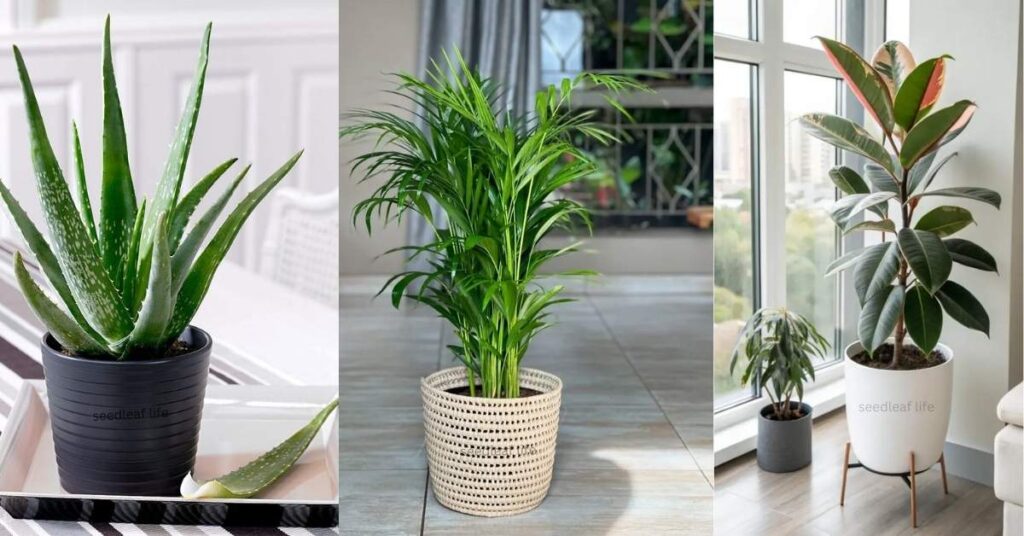
Having good house plants in your home is not just about aesthetics—they can actively improve the air you breathe. Certain indoor plants are natural air purifiers, removing toxins, regulating humidity, and creating a healthier living environment.
Aloe Vera
Aloe Vera is widely known for its medicinal properties, but it also helps purify indoor air. It absorbs pollutants such as formaldehyde and benzene, commonly found in cleaning products and paints. Aloe Vera thrives in bright, indirect sunlight and requires minimal watering—allow the soil to dry completely between watering sessions. Its succulent leaves store water, making it a low-maintenance option that also doubles as a natural remedy for minor cuts, burns, and skin care.
Bamboo Palm (Chamaedorea seifrizii)
The Bamboo Palm is an excellent choice for improving indoor air quality. It removes airborne toxins while adding moisture to the air, which is especially helpful in dry indoor environments. This plant prefers bright, indirect light but can tolerate moderate shade, making it versatile for different rooms. Water it regularly to keep the soil slightly moist, and its feathery, tropical foliage will bring a refreshing, calming feel to your home.
Rubber Plant (Ficus elastica)
The Rubber Plant is both decorative and functional. Its large, glossy leaves are highly effective at absorbing airborne chemicals, including formaldehyde, and releasing oxygen. Rubber Plants thrive in bright, indirect light but can adapt to lower light conditions. Water moderately, allowing the top layer of soil to dry between watering. Beyond air purification, its bold foliage adds a striking statement to living rooms, offices, or entryways.
How to Care for Your House Plants
Caring for good house plants ensures they thrive, look beautiful, and continue providing health benefits. Understanding basic care routines like watering, light, soil, and pest management is essential for both beginners and experienced plant enthusiasts.
Watering Tips
Proper watering is key to healthy plants. Overwatering can lead to root rot, while underwatering causes leaves to wilt and dry out. A good rule is to check the soil moisture before watering—most indoor plants prefer the top inch of soil to dry out between watering. Seasonal adjustments are also important; plants typically need less water in winter and more during active growing months like spring and summer.
Light Requirements
Matching plants to the right light conditions is crucial. Some plants, like succulents and Fiddle Leaf Figs, thrive in bright, indirect sunlight, while others, such as ZZ Plants and Cast Iron Plants, do well in low-light areas. Observing how your plant responds to its environment and adjusting its placement ensures optimal growth.
Soil and Fertilization
Choosing the right soil mix affects plant health. Well-draining soil prevents waterlogging and root rot, while nutrient-rich soil supports growth. Fertilization should be done according to the plant’s needs, typically every 4–6 weeks during the growing season. Organic fertilizers are ideal for most indoor plants, providing essential nutrients without chemical buildup.
Pruning and Maintenance
Regular pruning keeps plants healthy by removing dead or yellowing leaves and promoting new growth. Trimming also helps maintain the plant’s shape and encourages fuller, more robust foliage.
Common Pests and How to Manage Them
Indoor plants can attract pests like spider mites, aphids, and fungus gnats. Preventive care includes keeping plants clean, avoiding overwatering, and maintaining proper air circulation. Natural remedies, such as neem oil sprays or soapy water, can effectively manage infestations without harming the plant.
Tips for Displaying House Plants
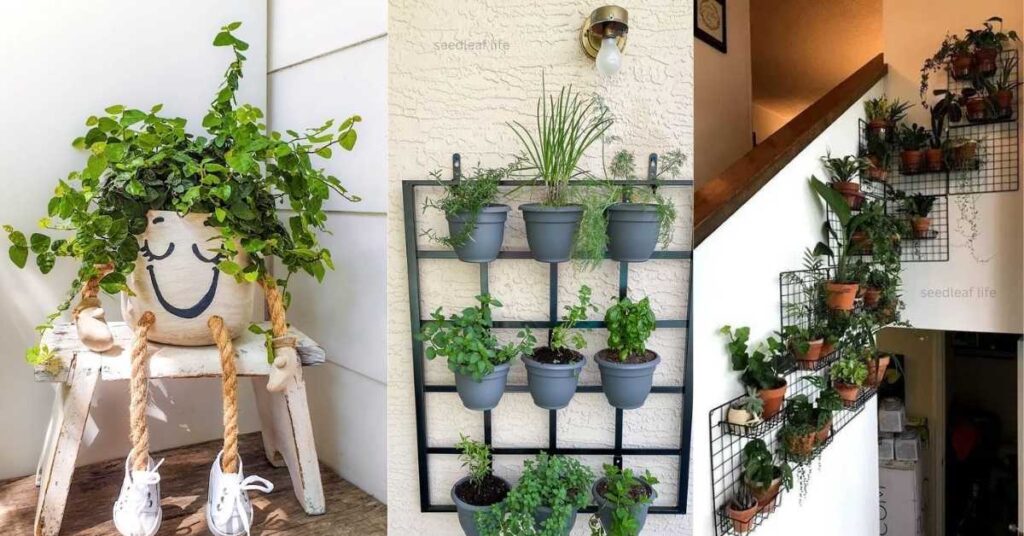
How you display your good house plants can significantly enhance your home’s aesthetic while keeping plants healthy. Thoughtful placement and creative arrangements allow your indoor greenery to shine.
Indoor Placement Ideas
Choosing the right spot for your plants is essential. In the living room, place tall floor plants like Fiddle Leaf Figs or Rubber Plants near windows to make a statement. In bedrooms, low-maintenance, air-purifying plants such as Snake Plants or Peace Lilies work well on bedside tables or shelves. The kitchen is ideal for herbs or small succulents, adding both greenery and functionality. Grouping plants together creates a lush, visually appealing display and can help increase humidity for plants that thrive in moister conditions.
Creative Pots and Planters
Pots and planters are not only functional but also a design element. Choosing containers that match your interior style—whether minimalist, bohemian, or modern—can tie your room together. DIY planters, such as repurposed jars, baskets, or macrame hangers, add personality and charm while giving plants a unique home. Consider using a mix of textures, heights, and colors to create visual interest.
Vertical Gardens and Hanging Plants
For small spaces or to add greenery at eye level, vertical gardens and hanging plants are excellent options. Wall-mounted planters or tiered shelves can transform blank walls into living art, while hanging baskets allow trailing plants like Pothos or Spider Plants to cascade beautifully. Vertical arrangements not only save floor space but also create depth and dimension in your home.
Frequently Asked Questions About House Plants
When starting your indoor garden, it’s natural to have questions about selecting, caring for, and maintaining good house plants. Here are answers to some of the most common queries.
Which house plants are easiest to care for?
For beginners, low-maintenance plants are the best choice. Snake Plants, Pothos, Spider Plants, and ZZ Plants are highly resilient, tolerate irregular watering, and adapt to a range of light conditions. These plants require minimal attention while still adding greenery and air-purifying benefits to your home.
How often should I water indoor plants?
Watering frequency depends on the plant type, size, and environment. Most house plants prefer the soil to dry slightly between waterings. Overwatering is a common mistake that can cause root rot, while underwatering may lead to wilting. As a rule of thumb, check the top inch of soil: if it feels dry, it’s time to water. Seasonal changes also matter—plants generally need less water in winter and more during active growth in spring and summer.
Can house plants survive in low light?
Yes, many indoor plants are well-suited for low-light conditions. ZZ Plants, Cast Iron Plants, and certain Philodendron varieties can thrive in shaded corners or rooms with minimal sunlight. While low-light plants grow slower, they are ideal for spaces where bright light is unavailable.
Are indoor plants safe for pets?
Not all house plants are pet-friendly. Some, like Peace Lilies, Pothos, and Snake Plants, can be toxic if ingested by cats or dogs. Safe options include Spider Plants, Bamboo Palms, and certain herbs like Basil or Parsley. Always research plant toxicity before bringing new greenery into a pet-friendly home.
By understanding plant care, light requirements, and pet safety, you can confidently choose good house plants that thrive while complementing your home.
Conclusion
Incorporating good house plants into your home offers far more than visual appeal. From purifying the air and enhancing mental wellbeing to transforming interiors with vibrant greenery, indoor plants bring both health and aesthetic benefits. Choosing the right plants involves considering factors such as light conditions, maintenance needs, and space, ensuring your plants thrive while complementing your home decor.
For beginners, resilient options like Snake Plants, Pothos, Spider Plants, and Peace Lilies provide easy care and lasting beauty. Low-light tolerant plants such as ZZ Plants, Cast Iron Plants, and Philodendrons allow even shaded spaces to flourish, while air-purifying plants like Aloe Vera, Bamboo Palm, and Rubber Plants improve the overall environment. Beyond functionality, displaying plants creatively through thoughtful placement, decorative pots, hanging planters, or vertical gardens enhances any room’s visual appeal.
Caring for house plants involves regular watering, proper light, soil management, pruning, and pest prevention. With consistent attention and the right environment, your indoor greenery can thrive for years. By selecting suitable species, understanding their care, and showcasing them effectively, you can enjoy a healthier, more inviting, and aesthetically pleasing home.
Leave a Reply
You must be logged in to post a comment.