Have you ever thought about growing your own spice at home? The peppercorn plant is not only a fantastic way to spice up your dishes, but it also brings a touch of greenery into your life.
In this article, we’ll uncover the essentials of nurturing this versatile plant, from planting to harvest, and explain why it’s a worthwhile endeavor for any home gardener. You’ll learn everything you need to transform your kitchen with fresh peppercorns at your fingertips.
What Is a Peppercorn Plant?
Botanical Background of Piper nigrum
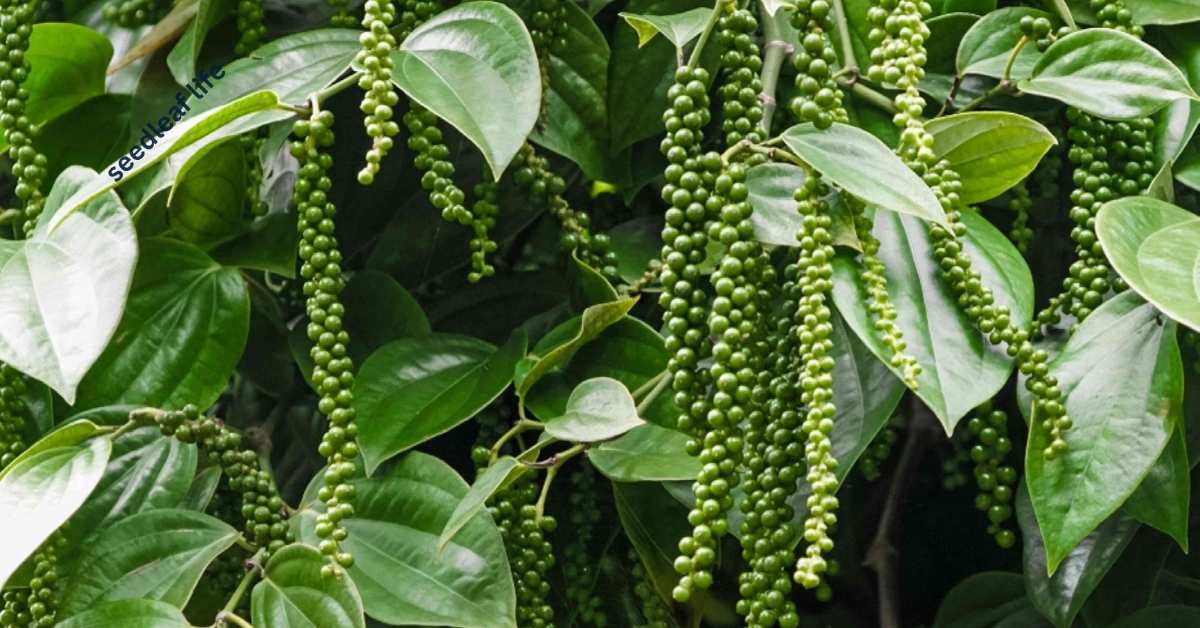
The peppercorn plant (Piper nigrum) is a tropical climbing vine native to South India and Southeast Asia. Peppercorn Plant is very beautiful plant, Known as the source of the world’s favorite spice—pepper—it thrives in warm, humid climates and is an excellent addition to any home or tropical garden.
Plant Appearance and Nature
This evergreen vine can reach up to 30 feet in height, wrapping around trees or poles for support. It features heart-shaped leaves and clusters of tiny white flowers that turn into green berries. As these berries mature, they become the familiar black, white, and green peppercorns used in kitchens worldwide.
Common Varieties and Their Differences
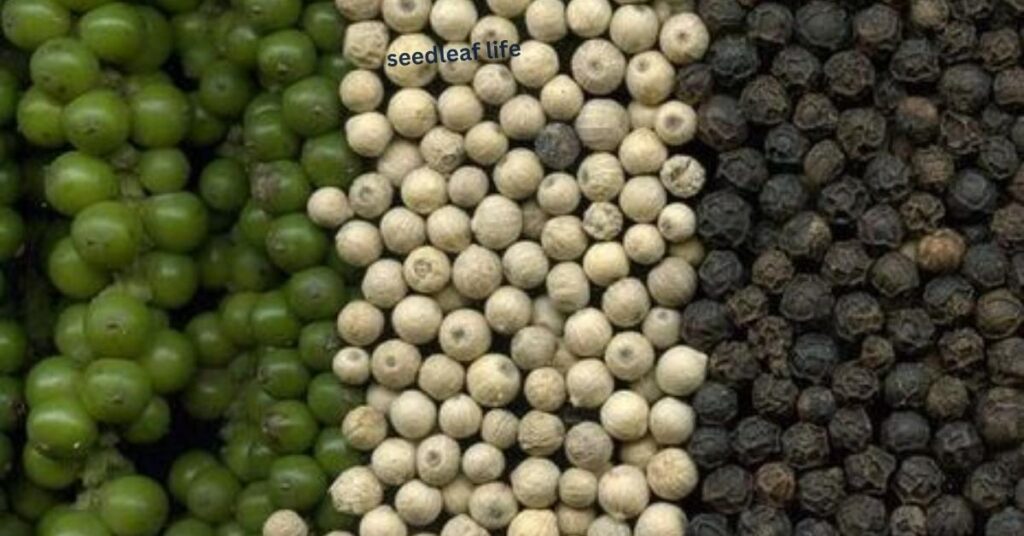
All peppercorns come from the same plant, but their flavors vary with processing methods:
- Black peppercorns: Harvested when ripe and dried for a bold, spicy flavor.
- White peppercorns: Fermented to create a milder, earthy taste.
- Green peppercorns: Picked early for a fresh, zesty flavor.
Each type brings its own aroma and spice, making the peppercorn plant both a culinary and ornamental treasure for gardeners.
Types of Peppercorns
Black Peppercorn – Dried Mature Berries
Black peppercorns are the dried, mature berries of the pepper plant (Pipe r nigrum), famous for their bold, pungent flavor and rich aroma. Known as the “King of Spices,” they enhance savory dishes and offer natural antioxidant benefits.
White Peppercorn – Outer Skin Removed
White peppercorns are ripe berries with the outer skin removed, leaving a smoother, milder flavor. They’re ideal for light-colored sauces and soups where a subtle spice is preferred.
Green Peppercorn – Immature Berries
Green peppercorns are unripe berries with a fresh, zesty taste and slightly crisp texture. Perfect for salads, sauces, and pickled dishes, they add a bright, aromatic note.
Note: Pink or red peppercorns come from a different plant (Schinus molle). This article focuses only on true peppercorns — black, white, and green varieties from Piper nigrum.
Ideal Growing Conditions for Peppercorn Plant

Temperature and Humidity
The peppercorn plant (Piper nigrum) thrives in warm, humid climates, with ideal temperatures between 70°F–85°F (21°C–29°C). Humidity levels of 60%–80% support healthy growth. In dry indoor conditions, mist the leaves or use a humidifier to maintain moisture.
Soil Type and pH Level
Use rich, well-draining soil with a slightly acidic to neutral pH (5.5–7.0). Mixing in organic compost improves soil fertility and aeration, giving the roots the best environment to grow strong and healthy.
Light and Watering Needs
Peppercorn plants prefer bright, indirect light — too much direct sun can scorch their leaves. Keep the soil consistently moist but not soggy. Let the top inch of soil dry before watering again.
Best Time for Planting
Plant peppercorn seeds or cuttings in spring, after the last frost. The warm months encourage faster growth and better yield.
Creating these ideal conditions will help your peppercorn vine thrive and reward you with lush foliage and flavorful peppercorns.
How to Grow Peppercorn Plant at Home
Step 1 – Choosing the Right Pot or Location
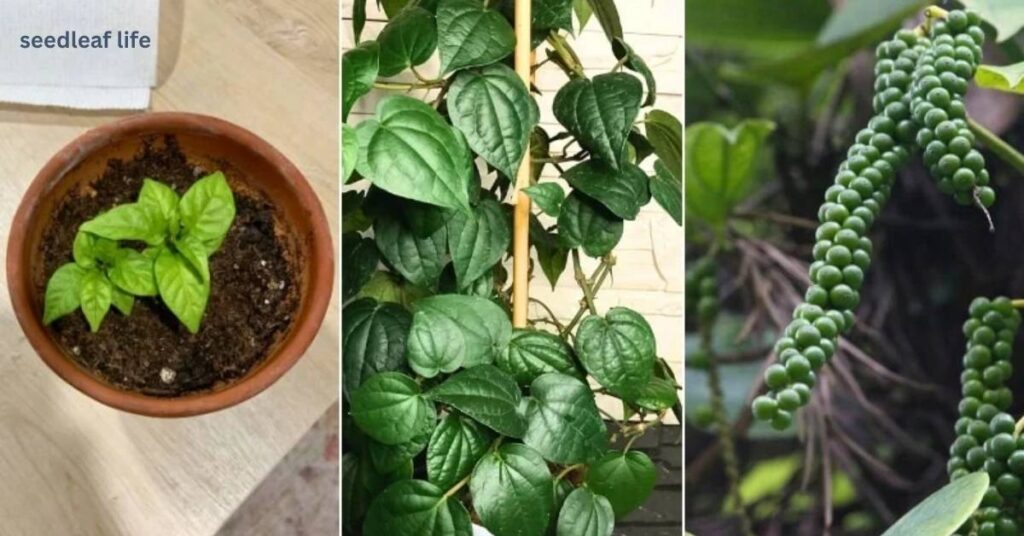
Start by selecting a 12-inch-deep pot with drainage holes if growing indoors. Outdoors, choose a partially shaded area, as strong sunlight can scorch the leaves. A balanced environment helps your peppercorn plant establish healthy growth.
If you enjoy container gardening, you might also love our guide on planting a potato in a pot. It’s another simple and rewarding way to grow fresh food right at home.
Step 2 – Preparing the Soil Mix
Create a well-draining, nutrient-rich mix using equal parts peat moss, perlite, and compost. Keep the soil slightly acidic (pH 5.5–6.5) to encourage strong root and vine development.
Step 3 – Planting Seeds or Cuttings
Plant peppercorn seeds about half an inch deep, or use healthy cuttings with a few leaves. Keep the soil moist but not waterlogged, ensuring a stable, humid environment for early growth.
Step 4 – Watering and Providing Shade
Water regularly to maintain moisture and mist occasionally to raise humidity. Protect young plants from intense sunlight by offering partial shade during the hottest hours.
Step 5 – Supporting the Vine (Trellis or Stick)
As the plant grows, add a trellis or wooden stick for support. This keeps the vine upright, improves air circulation, and prevents disease by keeping leaves off the soil.
Step 6 – Regular Care and Maintenance
Inspect regularly for pests, prune weak stems, and fertilize every 6–8 weeks with a balanced organic feed. With consistent care, your peppercorn vine will soon reward you with lush foliage and aromatic pepper berries.
Caring for Your Peppercorn Plant
Fertilizing Schedule
Feed your peppercorn plant every 4–6 weeks during the growing season using a balanced organic fertilizer. This supports lush growth and strong foliage. In fall, reduce feeding as the plant enters dormancy, allowing it to rest and prepare for the next cycle.
Pruning and Training
Regular pruning improves airflow and prevents disease. Trim dead or crowded branches to keep the plant healthy and attractive. Train the vine on a trellis or support to guide its climbing habit and encourage even growth.
Pest and Disease Control
Watch for common pests like spider mites and aphids. If spotted, spray with water mixed with a few drops of mild dish soap. Good airflow and proper watering also help prevent fungal issues.
Organic Remedies for Healthy Growth
Use neem oil as a natural pest deterrent and introduce ladybugs to control aphids organically. A light mist of worm casting tea can boost soil nutrients and plant health. With consistent care, your peppercorn vine will stay vibrant and productive year-round.
Harvesting Peppercorns
Best Time to Harvest
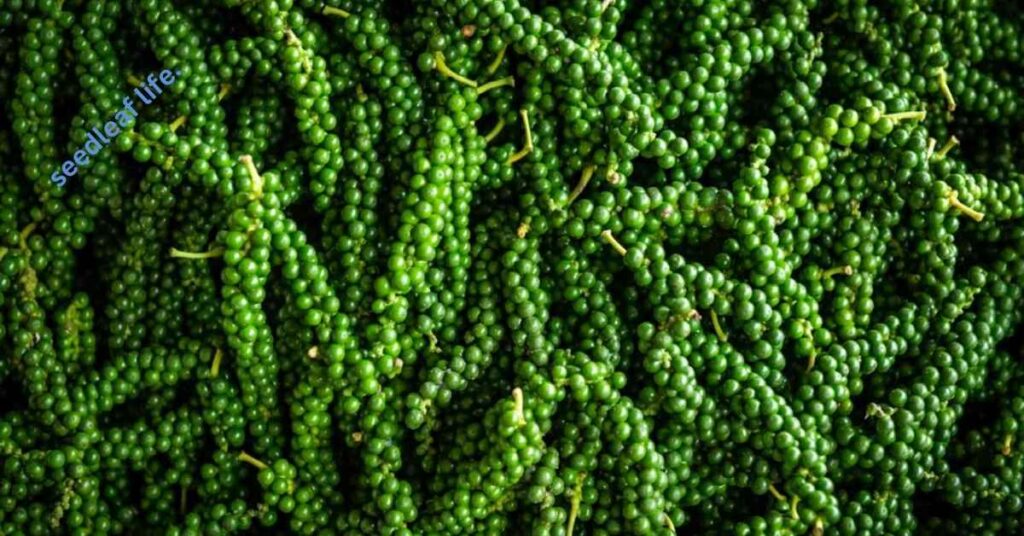
Harvesting peppercorns is the most rewarding stage of growing Piper nigrum. The best time to pick the berries is when they reach full maturity, just before they begin to over-ripen. This usually happens in late summer to early fall, depending on your climate. At this stage, the berries contain the highest concentration of essential oils, giving them maximum flavor and aroma.
Drying and Storing Methods
After harvesting, dry the peppercorns to preserve their taste and aroma. Spread them in a single layer on a tray and let them air-dry in a cool, shaded spot for about a week. For faster results, use a food dehydrator on low heat. Once fully dried, store your peppercorns in airtight glass jars and keep them in a cool, dry place to maintain freshness for months.
Home Processing Ideas
Get creative with your homegrown peppercorns! Try making infused oils, pepper blends, or spice mixes to enhance your cooking. Using your own freshly harvested pepper adds a personal, aromatic touch to every meal — the perfect reward for your gardening efforts.
Benefits and Uses of Peppercorn Plant
Health Benefits of Peppercorns
The peppercorn plant (Piper nigrum) is more than a kitchen essential — it’s packed with wellness benefits. Rich in antioxidants, peppercorns help combat free radicals and support overall health. They also improve digestion and boost metabolism, helping maintain energy and a healthy weight.
Culinary and Household Uses
In the kitchen, peppercorns add a bold, versatile flavor to countless dishes. Whether ground or used whole, they elevate soups, sauces, and marinades. Around the home, they can act as natural pest repellents when mixed with vinegar or be placed in fragrant sachets to freshen up spaces.
Medicinal Importance
Traditionally, peppercorns have been used in natural remedies for colds, coughs, and respiratory issues. Their warming nature supports circulation and immunity — making them a powerful spice for both flavor and health.
Quick Recap: Key Benefits of the Peppercorn Plant
- Rich in antioxidants — supports overall wellness.
- Enhances flavor in everyday cooking.
- Works as a natural pest repellent.
- Helps relieve colds and supports immunity.
- Boosts digestion and metabolism.
Common Problems and Easy Solutions
Yellowing Leaves
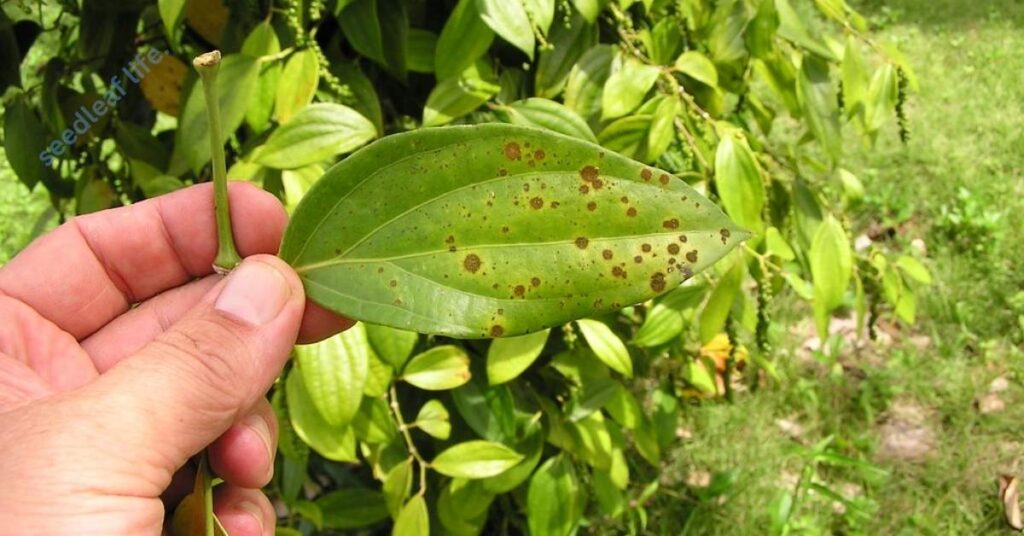
Yellowing leaves can be worrying, but it’s often a sign of overwatering or nutrient deficiency. Check the drainage holes to ensure water isn’t pooling at the bottom. Allow the top layer of soil to dry before the next watering, and refresh compacted soil with a rich potting mix. Adding a balanced organic fertilizer can restore nutrients and help leaves regain their healthy green color.
Poor Flowering or Slow Growth
If your peppercorn plant shows weak growth or few flowers, it may not be getting enough light or nutrients. Move the plant to a spot with bright, indirect sunlight, and feed it with a diluted liquid fertilizer every few weeks. Consistent care and proper lighting will soon bring visible improvement.
Remedies and Prevention Methods
To prevent recurring problems, maintain a regular care routine — check soil moisture, trim unhealthy leaves, and inspect for pests. Refreshing the soil periodically and providing adequate humidity keeps your peppercorn vine strong and thriving. With a little observation and timely care, your plant will stay lush, healthy, and productive all season long.
Conclusion
Growing a peppercorn plant at home not only adds a touch of greenery to your living space but also brings a delightful culinary twist. These plants thrive indoors and can flourish with minimal care, making them perfect for both seasoned gardeners and beginners.
Imagine snipping off a fresh peppercorn to enhance your dishes, discovering the robust flavor that homegrown herbs can bring to your meals.
By nurturing this simple yet rewarding plant, you bring nature, freshness, and flavor right into your home — a small effort with a truly aromatic reward.
Start with one pot today — your meals (and your home) will thank you!