
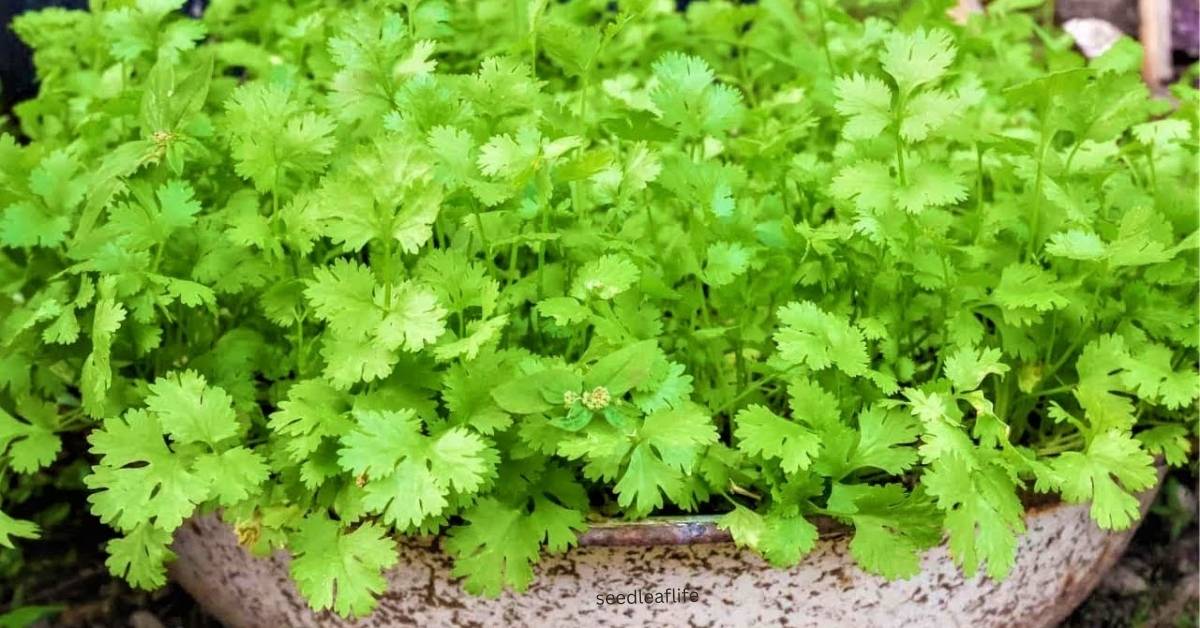
Did you know that cilantro is one of the most popular herbs in the world, yet many home cooks haven’t tried growing it themselves? In this guide, we’ll show you how do you plant cilantro seeds and enjoy fresh herbs straight from your garden. Growing cilantro at home not only enhances your meals but also provides a rewarding experience.
You’ll learn the best planting techniques, tips for care, and the surprising benefits of having this vibrant herb thriving in your own backyard. If you enjoy container or creative gardening methods, you may also find these basket planting tips helpful for expanding your home garden.
What is Cilantro?
Cilantro is a vibrant and aromatic herb that adds a burst of freshness to many dishes around the world. What many people don’t realize is that cilantro refers only to the fresh green leaves of the plant.
These leaves are commonly used in salads, chutneys, soups, and garnishes because of their zesty, citrus-like flavor. If you’ve ever wondered how do you plant cilantro seeds, understanding the plant and its uses is the first step toward growing this flavorful herb at home
Difference Between Cilantro and Coriander
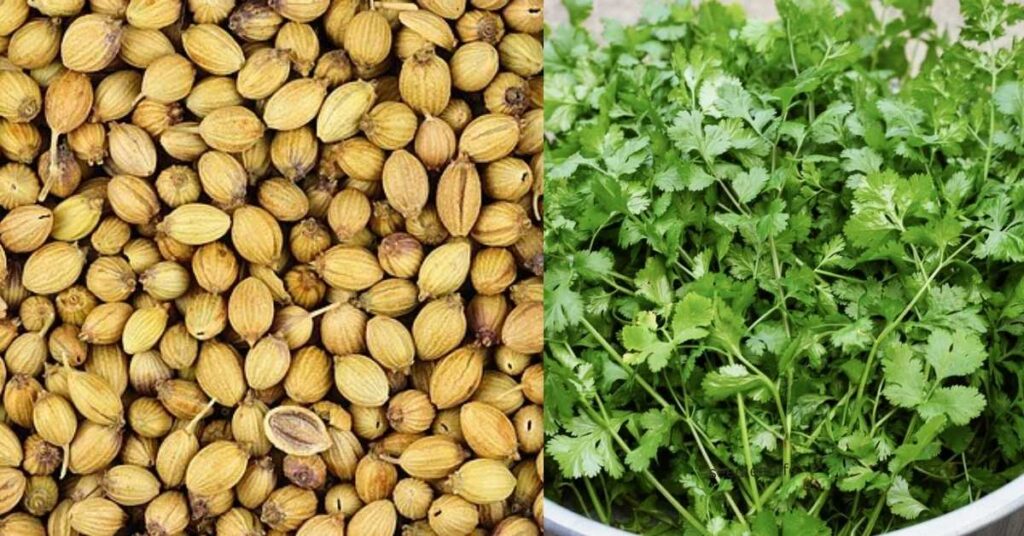
The difference between cilantro and coriander can be confusing, especially for beginners. Both come from the same plant, but different parts are used.
- Cilantro is the leafy part of the plant and is used fresh.
- Coriander refers to the dried seeds of the same plant.
Cilantro has a bright, refreshing taste, while coriander seeds offer a warm, spicy flavor. Coriander seeds are often used in curries, spice blends, and baking, making both parts of the plant equally valuable in cooking.
Why Cilantro is Popular in Home Gardening
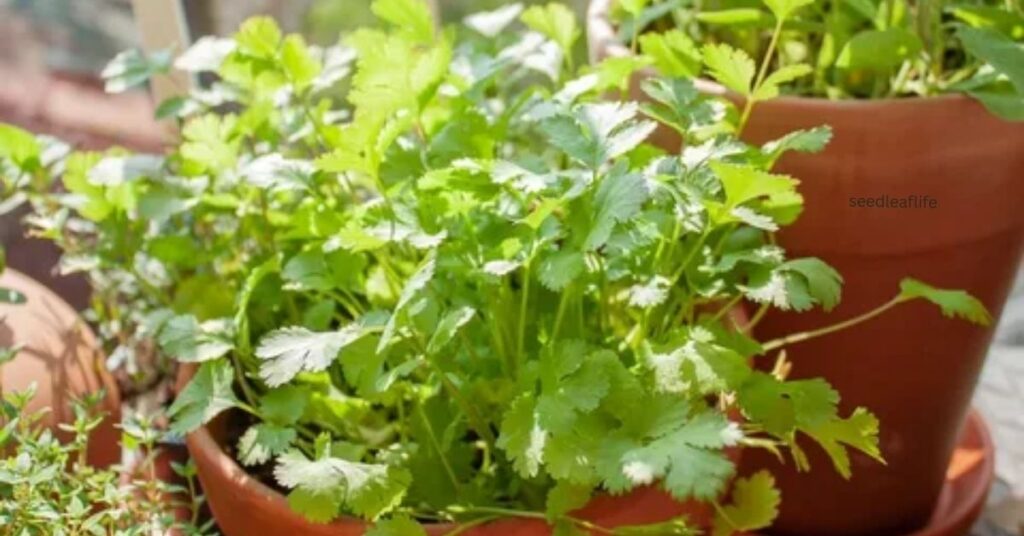
Cilantro is very popular in home gardening because it is easy to grow and matures quickly. It thrives in cooler weather, making it an excellent choice for early spring or fall gardening. With minimal effort, cilantro seeds can be planted in well-drained soil and placed in a sunny spot to grow successfully.
One of the most rewarding aspects of growing cilantro at home is how fast it produces lush green leaves—often within just a few weeks. Not only does it enhance your meals with fresh flavor, but caring for cilantro also provides a sense of accomplishment. Its rapid growth and versatility make it a favorite herb for beginners and experienced gardeners alike.
Best Time to Plant Cilantro Seeds
Choosing the right time to plant cilantro seeds is very important for healthy growth. If you’re wondering How Do You Plant Cilantro Seeds successfully, it’s important to know that cilantro is a cool-season herb that grows best when temperatures are mild rather than hot.
Ideal Season and Temperature
Cilantro thrives in cool weather, which makes spring and fall the best seasons for planting. In most regions, the ideal time to sow cilantro seeds is early spring, about two weeks before the last frost. The perfect temperature range for growing cilantro is 50°F to 85°F, as this helps the plant grow lush, green leaves with excellent flavor.
Best Time to Plant Cilantro in Different Climates
- Cool and Mild Climates:
Plant cilantro in early spring or early fall for best results. - Warm Climates:
Fall and winter are the best times to grow cilantro, as high temperatures can cause the plant to bolt and turn bitter. - Hot Climates:
Plant cilantro during cooler months or place the plant in partial shade during warmer periods to protect it from extreme heat.
Things You Need to Plant Cilantro at Home
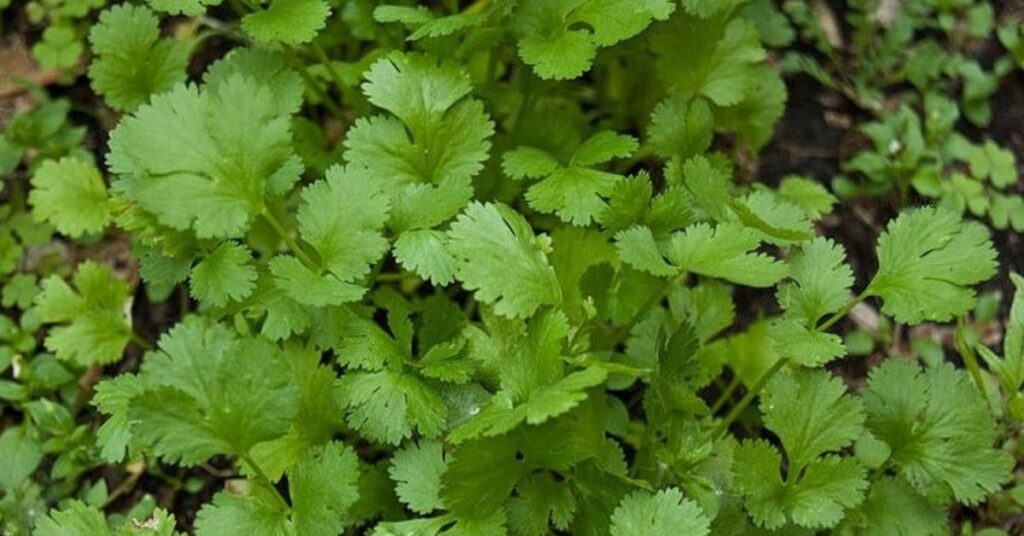
Growing cilantro at home is simple and requires only a few basic items. With the right setup, you can enjoy fresh, flavorful leaves in just a few weeks.
Cilantro Seeds
To start, you’ll need good-quality cilantro seeds. These small seeds are packed with flavor and are the foundation of healthy plants. If possible, choose organic cilantro seeds, as they often have better germination rates. Once you have your seeds, they’re ready to be planted directly into the soil.
Pot or Container
Choosing the right pot or container is important for successful growth. A shallow container works perfectly because cilantro has a relatively short root system. Make sure the container has drainage holes at the bottom to prevent water from collecting and causing root rot.
Soil or Potting Mix
Use nutrient-rich, well-draining soil or potting mix to help cilantro grow strong and healthy. Loose soil allows the roots to spread easily and supports proper water drainage, which is essential for this herb.
Water
After planting the seeds, water them gently. Understanding how do you plant cilantro seeds will help ensure proper care, as cilantro likes moist soil but overwatering can harm the plant. Water regularly to keep the soil slightly damp, especially during germination.
Sunlight
Place your pot in a location that receives bright sunlight. Cilantro grows best with 4–6 hours of sunlight each day. In very hot weather, partial shade can help protect the plant from stress.
How to Prepare Cilantro Seeds for Planting
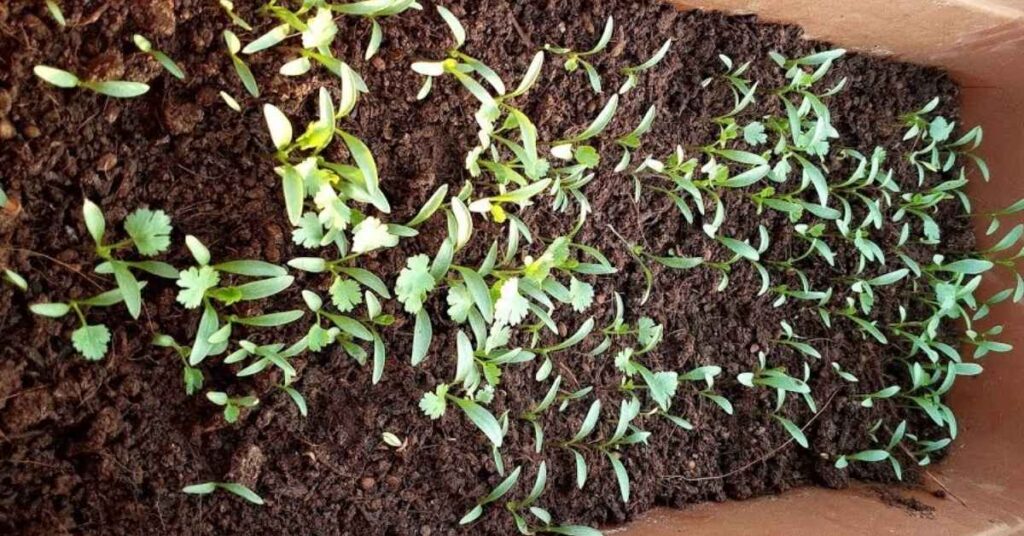
Preparing cilantro seeds before planting can be a rewarding experience and plays an important role in growing healthy, flavorful herbs at home.
Should You Crush Cilantro Seeds?
Many gardeners wonder whether they should crush cilantro seeds before planting. The answer is yes. Cilantro seeds have a hard outer shell, and crushing them slightly helps break this shell, allowing moisture to penetrate more easily. This simple step can significantly improve germination and increase your chances of a successful cilantro harvest.
Soaking Seeds Before Planting
Soaking cilantro seeds before planting is another effective technique. Place the seeds in a bowl of water for about 24 hours. This process softens the seeds and further encourages faster and stronger germination. After soaking, the seeds are ready to be planted in soil.
Tips for Better Germination
For better germination, always plant cilantro seeds in well-drained soil and allow enough space between each seed so they can grow freely. Cilantro thrives in cooler weather, so planting in early spring or late summer gives the best results. With these simple preparation tips, you’ll be well on your way to enjoying the vibrant flavor of fresh, home-grown cilantro.
Step-by-Step Guide to Plant Cilantro Seeds at Home
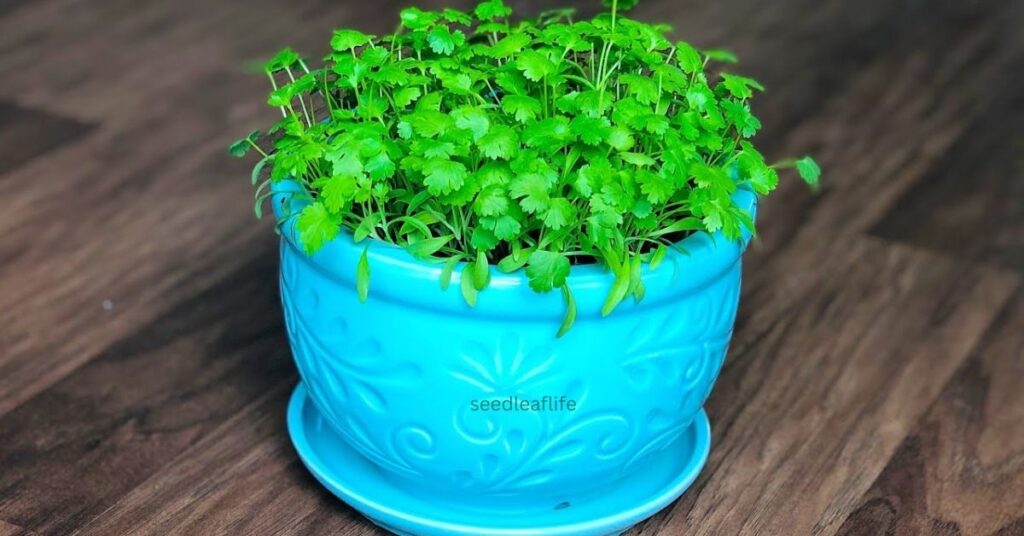
Planting cilantro at home is easy and rewarding when you follow the right steps. Below is a simple guide to help you grow healthy, fresh cilantro successfully.
Step 1: Choose the Right Pot
Choosing the right pot is your first step toward a vibrant cilantro harvest. Select a container that is at least 6–8 inches deep and has drainage holes at the bottom. This prevents waterlogging, which cilantro roots dislike. You can even use decorative pots to add beauty to your space while giving your seeds a perfect growing home.
Step 2: Prepare the Soil
Cilantro grows best in light, well-draining soil. If you’re wondering how do you plant cilantro seeds, using a mixture of potting soil and compost works well, as it provides essential nutrients and supports healthy plant growth. Make sure the soil is loose so roots can spread easily.
Step 3: Sow the Cilantro Seeds
When you’re ready to plant, sprinkle the seeds lightly across the soil surface. Cover them with about 1/4 inch of soil. Avoid planting too deeply, as cilantro seeds need light soil coverage to germinate properly.
Step 4: Water the Seeds Properly
Water the soil gently after planting. Be careful not to disturb or wash away the seeds. The soil should remain moist but not soggy during germination.
Step 5: Place the Pot in Sunlight
Place your pot in a spot that receives plenty of natural sunlight. Bright light helps cilantro seeds germinate and grow strong, healthy leaves. In very hot weather, partial shade can protect young plants from stress.
How to Take Care of Cilantro Plants
Proper care is essential to keep your cilantro plants healthy and productive. Understanding how do you plant cilantro seeds and providing the right balance of water, sunlight, spacing, and nutrients will help your plants grow strong and flavorful.
Watering Schedule
To ensure your cilantro plants thrive, establishing a good watering schedule is key. Cilantro loves moisture but cannot tolerate soggy roots. Water your plants about once a week, adjusting based on rainfall and soil conditions. A helpful rule is to allow the top inch of soil to dry out between waterings, which encourages a healthy root system.
Sunlight Requirements
Cilantro prefers full sun, but it can tolerate partial shade, especially in hotter climates. Adequate sunlight helps the plant grow lush, green leaves, while some shade protects it from heat stress during warmer days.
Thinning Seedlings
Once your seedlings sprout, it’s important to thin them out. Space the plants about 6 inches apart to give them room to breathe. Proper spacing promotes strong growth, improves air circulation, and reduces the risk of disease.
Fertilizer Tips
A light feeding with a balanced fertilizer every few weeks can support healthy growth. Avoid over-fertilizing, as cilantro does not need heavy feeding. Just a little boost of nutrients will help the plants flourish.
Common Problems and Solutions
Even with proper care, cilantro plants can sometimes face issues. Understanding common problems and their solutions will help you keep your plants healthy and productive.
Seeds Not Germinating
When cilantro seeds fail to germinate, it can be frustrating. This often happens if the seeds are too old or if they are not receiving the right amount of moisture. Before giving up, try soaking the seeds overnight before planting. This simple step can help kickstart the germination process. Also, remember that cilantro prefers cooler weather, so proper planting timing makes a big difference.
Yellow Leaves
Yellow leaves on cilantro usually indicate overwatering or nutrient deficiencies. If you notice yellowing, check the soil moisture—it should be damp but not soggy. Feeding your plants with a balanced fertilizer can help restore essential nutrients. Well-draining soil is also important, so improve your soil mix if it feels too compact.
Slow Growth
Slow growth can be disappointing, but it’s often caused by insufficient light. Cilantro needs around 6 hours of sunlight per day to grow well. Too much shade can stunt growth, so consider moving the plant to a brighter location if needed.
Pest Problems
Pest issues are common, especially in young cilantro plants. Watch for aphids or spider mites, which can damage leaves. A gentle spray of water can often remove them. For a natural and chemical-free solution, consider introducing beneficial insects like ladybugs to your garden.
How Long Does Cilantro Take to Grow?
Cilantro is a delightful herb that grows quickly with just a little patience and care. Understanding how do you plant cilantro seeds and its growth timeline helps you know when to expect fresh leaves.
Germination Time
When learning how do you plant cilantro seeds, it’s helpful to know that germination typically takes about 7 to 10 days. During this period, keep the soil consistently moist but not soggy, as maintaining the right balance is key to healthy growth. Watching those tiny green shoots emerge can be incredibly rewarding.
Time to Harvest Leaves
Once the cilantro plants are established, they grow rapidly. You can begin harvesting the leaves within three to four weeks after planting. It’s best to snip leaves from the outer portions of the plant, allowing the center to continue growing. This method encourages continuous growth and ensures a steady supply of fresh cilantro for your cooking.
How to Harvest Cilantro Correctly
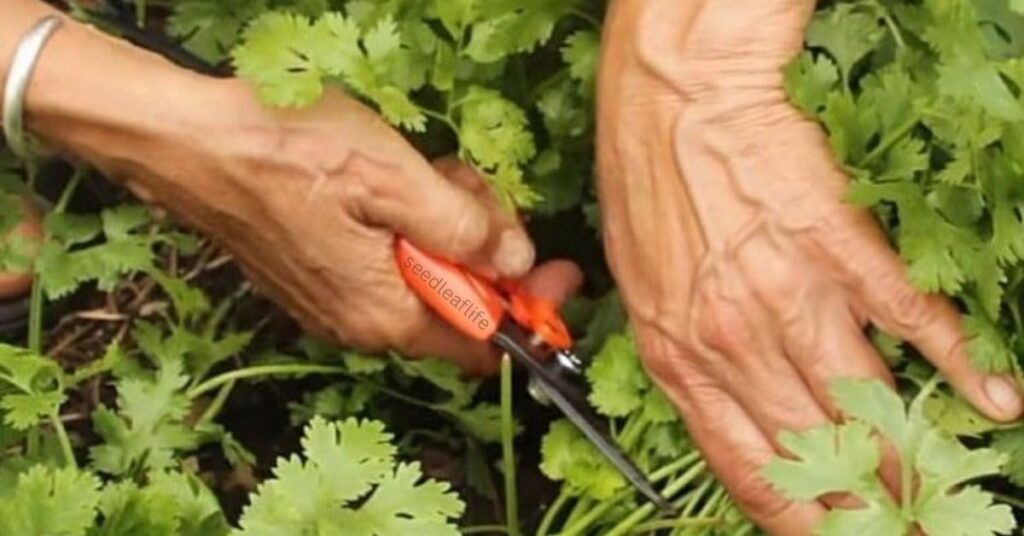
Harvesting cilantro the right way ensures the best flavor and encourages continuous growth. Understanding how do you plant cilantro seeds and following proper timing and technique will help your plant keep producing fresh, healthy leaves.
When to Harvest Cilantro
To know when to harvest cilantro, look for vibrant green leaves, which signal peak freshness. Cilantro is usually ready to harvest when the leaves reach about 6 inches tall, typically 3 to 4 weeks after planting. Avoid waiting too long, as the plant may bolt or flower, which can change the flavor. The best time to harvest is early in the morning, when the leaves are cool and full of flavor.
Proper Cutting Method
When harvesting, use sharp scissors or garden shears to snip off the outer leaves first, leaving the inner leaves intact. This method allows the plant to continue growing while providing you with fresh cilantro.
How Do You Plant Cilantro Seeds and Encourage Regrowth
To encourage regrowth, care for your cilantro after harvesting by providing adequate water and sunlight. Cilantro prefers consistent moisture but does not like soggy soil. Maintaining this balance will help the plant grow bushier and continue producing flavorful leaves.
Tips for Growing Healthy Cilantro at Home
Growing cilantro at home becomes easy and enjoyable when you know how do you plant cilantro seeds, avoid common mistakes, and give the plant a little extra care.
Beginner Mistakes to Avoid
One of the biggest beginner mistakes when growing cilantro is planting the seeds too deeply. Cilantro seeds, also known as coriander seeds, should be lightly covered with soil, about1/4 inch deep. If planted too deep, they may struggle to sprout.
Spacing is equally important. When thinking about how to plant cilantro seeds, remember to space them 6–8 inches apart. Proper spacing allows good air circulation and supports healthy plant growth.
Extra Care Tips
Once your cilantro starts growing, a little extra care can make a big difference. Keep the soil consistently moist but not soggy, as cilantro thrives in well-drained conditions. During hot summer months, placing the plant in partial shade can help prevent it from bolting too quickly.
Regular harvesting also encourages bushier growth. Snip off the outer leaves first, which allows the plant to continue producing fresh, flavorful cilantro for a longer time.
Conclusion: How Do You Plant Cilantro Seeds at Home
In summary, How Do You Plant Cilantro Seeds at home? It’s simpler than you might think, and the process is very rewarding! Start by choosing the right spot—whether in your garden or a container—and make sure the soil is well-drained. Sow your seeds, keep the soil moist but not soggy, and be patient as they begin to sprout.
Give your plants plenty of sunlight and proper care, and soon you’ll enjoy lush, fresh cilantro ready to enhance your meals. For beginners, planting cilantro is a fantastic way to gain confidence in gardening while adding delicious, home-grown flavor to your dishes. So grab your seeds, follow the steps, and discover how easy and satisfying it is to grow your own cilantro!
Leave a Reply
You must be logged in to post a comment.