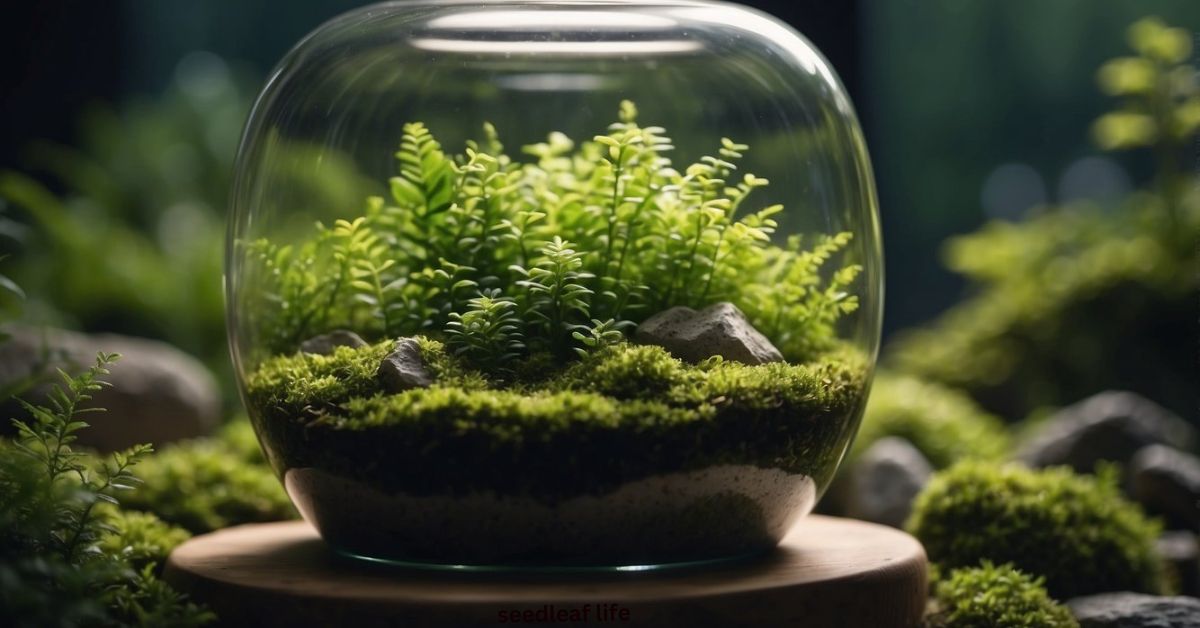
Growing moss may look like a slow and mysterious process, but with the right techniques, patience, and understanding, you can grow moss faster and more successfully than you might expect. Moss is a beautiful, low-maintenance plant that adds a natural, peaceful charm to gardens, walls, rocks, bonsai displays, and even indoor spaces.
In this detailed guide, you will learn how to grow moss faster using simple, practical, and proven tips. Whether you are a beginner gardener, a landscaper, or someone who loves natural aesthetics, this article will help you achieve healthy, lush moss growth.
What Is Moss?
Moss is a small, non-vascular plant that belongs to the Bryophyte family. Unlike traditional plants, moss does not have roots, flowers, or seeds. Instead, it absorbs water and nutrients directly through its leaves.
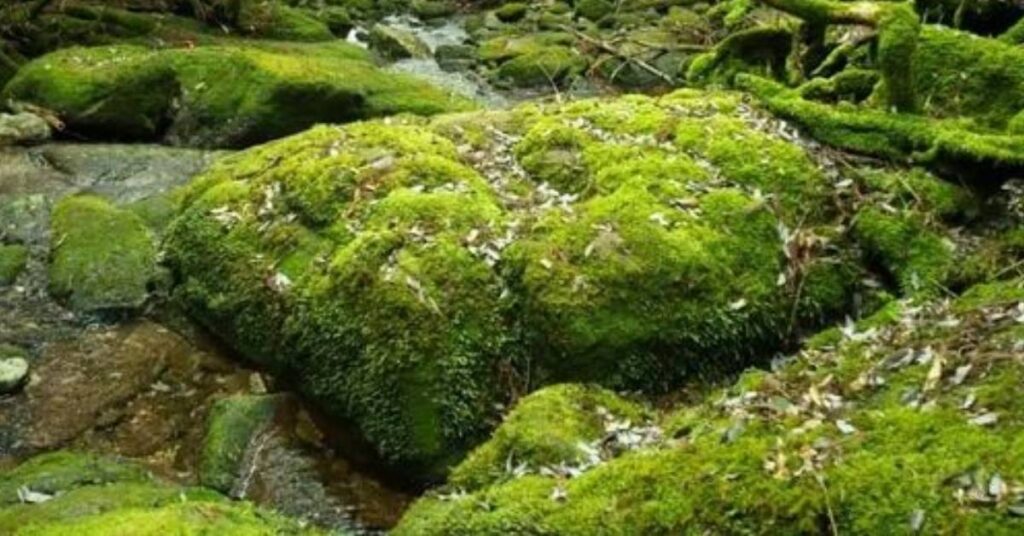
Moss naturally grows in damp, shady environments such as forests, near streams, on rocks, tree trunks, and old walls. Because it does not require soil, moss is extremely versatile and can grow in many unexpected places.
Why Grow Moss?
Before learning how to grow moss, it is important to understand why people choose moss over other plants, especially when creating low-maintenance landscapes alongside evergreen shrubs like boxwoods
Benefits of Growing Moss
- Requires very little maintenance
- No mowing, trimming, or fertilizers
- Grows well in shade where grass fails
- Helps prevent soil erosion
- Adds a natural and calming aesthetic
- Improves moisture retention
- Eco-friendly and sustainable
Moss is also perfect for Zen gardens, Japanese gardens, terrariums, and green walls.
Types of Moss You Can Grow
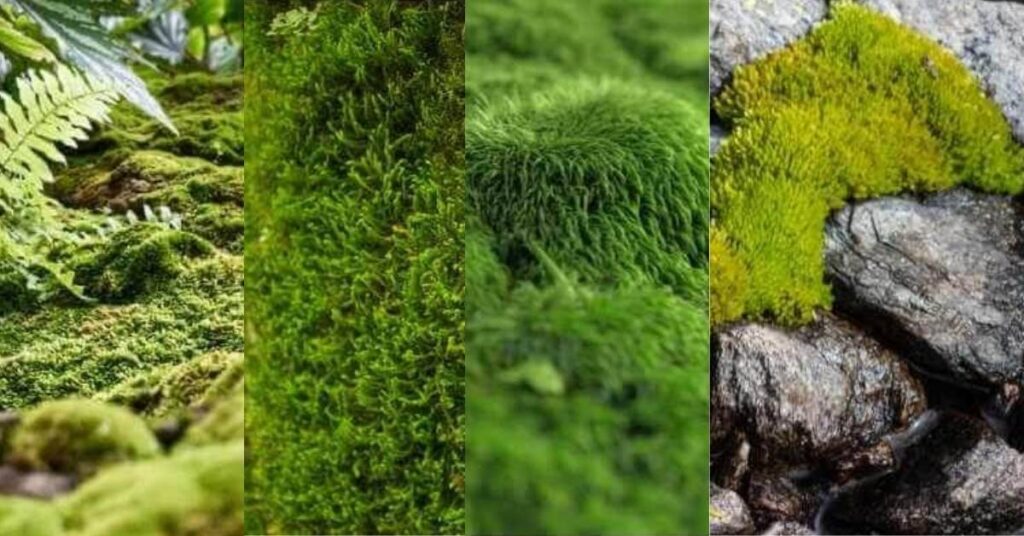
Choosing the right moss type is essential if you want to grow moss faster.
Common Types of Moss
- Sheet Moss (Hypnum moss)
Ideal for ground cover and landscaping - Cushion Moss
Forms small, round clumps and looks decorative - Haircap Moss
Grows upright and adds texture - Rock Cap Moss
Perfect for stones and walls - Fern Moss
Delicate and feathery appearance
Each type has slightly different growing needs, but the basic growing principles remain the same.
Best Conditions for Growing Moss Faster
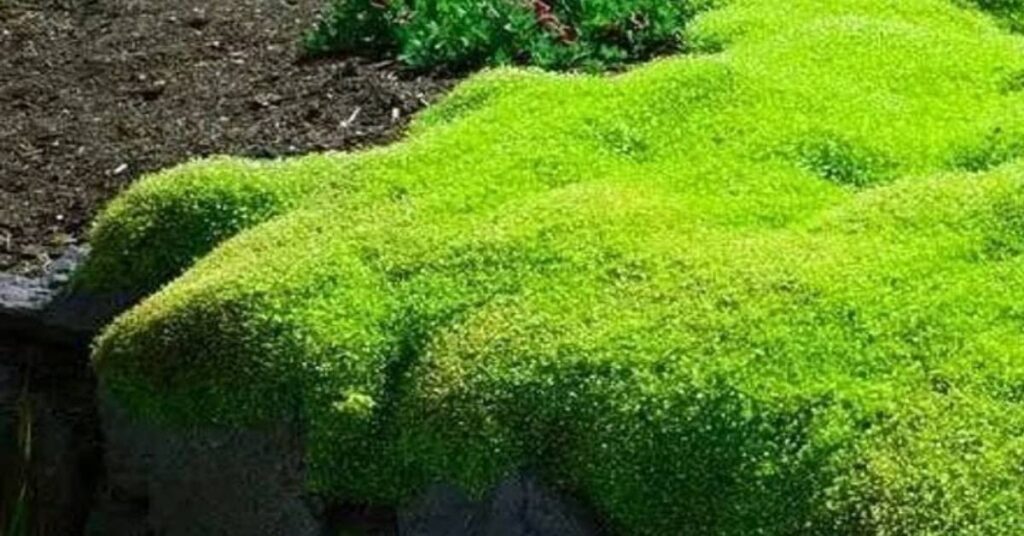
To understand how to grow moss faster, you must first create the right environment.
Shade Is Essential
Moss thrives in shade. Direct sunlight dries it out and slows growth.
Best locations:
- Under trees
- North-facing walls
- Shady garden corners
- Indoor low-light areas
Moisture Is the Key
Moss loves moisture. A consistently damp environment helps moss spread quickly.
- Mist moss daily during early growth
- Avoid letting it dry completely
- Humidity improves growth speed
Acidic Surface
Moss prefers acidic conditions.
- Ideal pH: 5.0 to 6.0
- Alkaline surfaces slow moss growth
You can increase acidity using:
- Buttermilk
- Yogurt
- Compost tea
How to Grow Moss Faster: Step-by-Step Guide
Now let’s explore the complete process of how to grow moss faster.
Step 1: Choose the Right Location
Select an area with:
- Shade or indirect light
- High humidity
- Minimal foot traffic
Moss does not tolerate disturbance, so avoid areas where people walk frequently.
Step 2: Prepare the Surface
Moss can grow on:
- Soil
- Rocks
- Concrete
- Wood
Preparation steps:
- Remove weeds and grass
- Clean debris and dust
- Roughen smooth surfaces for better attachment
Step 3: Collect Healthy Moss
You can collect moss from:
- Your backyard
- Forest areas (where allowed)
- Garden centers
Choose moss that:
- Is green and healthy
- Matches your growing environment
Step 4: Create Moss Slurry (Optional but Effective)
One of the best ways to grow moss faster is using a moss slurry.
Moss Slurry Recipe
Ingredients:
- Fresh moss
- Buttermilk or yogurt
- Water
Steps:
- Break moss into small pieces
- Blend with buttermilk or yogurt
- Add water for consistency
- Pour or brush onto the surface
This method helps moss spread quickly and attach firmly.
Step 5: Water Regularly
Watering is critical in early stages.
- Mist 1–2 times daily
- Avoid heavy watering
- Keep surface damp, not flooded
After establishment, moss requires very little water.
Step 6: Be Patient but Consistent
Moss growth is slow by nature, but with proper care:
- Initial attachment: 2–4 weeks
- Visible growth: 1–3 months
- Full coverage: 6–12 months
Consistency speeds up results.
How to Grow Moss on Different Surfaces
How to Grow Moss on Soil
- Remove grass and weeds
- Compact the soil slightly
- Maintain moisture
- Avoid fertilizers
Moss lawns are a great alternative to grass lawns.
How to Grow Moss on Rocks
- Clean rocks thoroughly
- Use moss slurry
- Place in shaded areas
- Mist daily
Rocks hold moisture well and support moss growth.
How to Grow Moss on Concrete or Walls
- Roughen surface
- Apply moss slurry
- Keep damp
- Avoid direct sun
Concrete may need extra acidity.
How to Grow Moss Indoors
Indoor moss growing is becoming popular.
Tips:
- Use indirect light
- Maintain humidity
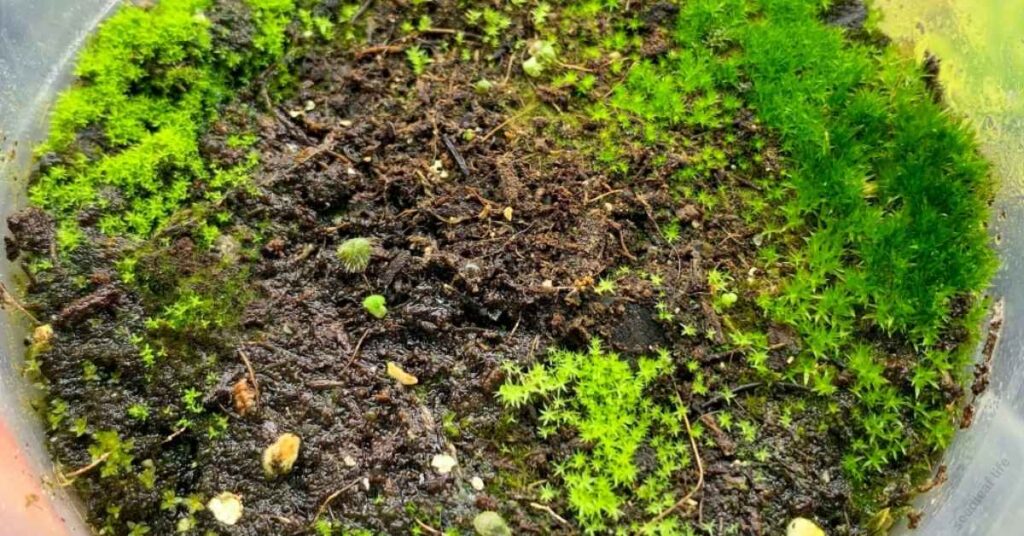
- Use terrariums or glass containers
- Mist regularly
Common Mistakes That Slow Moss Growth
If you want to learn how to grow moss faster, avoid these mistakes.
Too Much Sunlight
Direct sun dries moss quickly.
Overwatering
Standing water causes rot.
Using Fertilizers
Moss does not need fertilizer.
Walking on Moss
Foot traffic damages delicate moss.
Dry Environment
Low humidity slows growth.
How Long Does Moss Take to Grow?
Many people ask this question when learning how to grow moss.
- Attachment: 2–4 weeks
- Spread: 3–6 months
- Full maturity: 1 year
Growth speed depends on:
- Moisture
- Shade
- Surface type
- Moss variety
How to Maintain Moss After It Grows
Once moss is established, maintenance is minimal.
Maintenance Tips
- Remove fallen leaves
- Light misting during dry seasons
- Avoid chemicals
- Keep shaded
Moss can last for years if cared for properly.
Is Moss Safe for the Environment?
Yes, moss is extremely eco-friendly.
- Improves air quality
- Prevents erosion
- Supports micro-ecosystems
- Requires no chemicals
Growing moss is a sustainable gardening choice.
Frequently Asked Questions (FAQs)
Can moss grow without soil?
Yes, moss does not need soil.
Can I grow moss in sunlight?
Moss prefers shade; sunlight slows growth.
Does moss damage walls?
No, moss does not damage healthy surfaces.
Can moss grow indoors?
Yes, with proper humidity and light.
Final Thoughts: How to Grow Moss Faster Successfully
Learning how to grow moss is all about understanding moss’s natural needs. Moss is not difficult to grow, but it requires the right environment, shade, moisture, and patience. With simple techniques like surface preparation, moss slurry, and regular misting, you can enjoy lush, green moss in your garden or home.
Moss offers beauty, simplicity, and sustainability. Whether you want a moss lawn, decorative rocks, or a peaceful indoor display, following these simple tips will help you succeed.
Leave a Reply
You must be logged in to post a comment.