
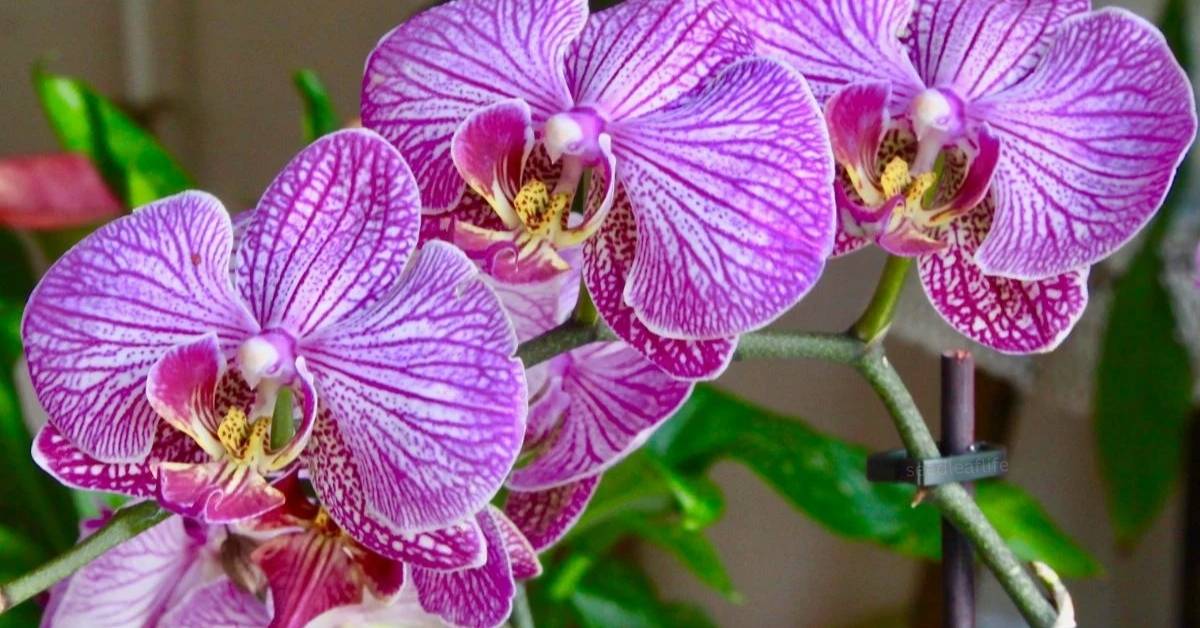
Did you know that around 70% of orchid owners struggle to keep their plants alive? This surprising statistic reveals the challenges many face in caring for these stunning flowers. In this article, we’ll explore the essential tips on how to keep orchids alive, helping you unlock the secrets of successful orchid care. Whether you’re a seasoned plant parent or a novice trying to cultivate your first orchid, understanding the nuances of their needs is crucial to how to keep orchids alive and ensure they thrive in your home. For more tips on nurturing indoor plants, check out our complete guide to growing Clusia plants.
Understanding Orchid Plants
Understanding orchid plants is essential to learn how to keep orchids alive and thriving.
What Are Orchids?
Orchids are a diverse family of flowering plants renowned for their unique blossoms and intricate structures, making them a favorite among both novice and experienced gardeners. With over 25,000 species and more than 100,000 hybrids, orchids offer an extraordinary range of colors, shapes, and sizes that go far beyond ordinary houseplants.
Popular Types of Orchids
Among the most popular orchid varieties are:
- Phalaenopsis Orchids – Known for their elegant, moth-like flowers, these are the most common and beginner-friendly orchids.
- Dendrobium Orchids – Recognized for their stunning flower clusters and upright growth, they are both hardy and visually striking.
- Cattleya Orchids – Prized for their large, fragrant blooms and vibrant hues, often called the “queen of orchids.”
Each type brings its own charm and requires slightly different care, giving enthusiasts the opportunity to explore the art of orchid cultivation in depth.
Basic Needs of Orchid Plants
To ensure longevity and health—essentially learning how to keep orchids alive—it is crucial to understand their basic needs. Orchids thrive in bright, indirect sunlight, similar to their natural habitat beneath forest canopies. Proper air circulation is equally important, as it helps prevent mold, fungus, and disease.
Watering orchids requires a careful balance. Most orchids prefer to dry out slightly between waterings, which encourages strong and healthy root growth. In addition, using a well-draining potting medium, such as bark chips or sphagnum moss, is essential to prevent root rot—one of the most common reasons orchids fail.
By meeting these fundamental requirements, growers not only improve the plant’s health but also build a deeper connection with their orchid, leading to long-lasting blooms and a thriving plant.
Common Mistakes That Kill Orchids
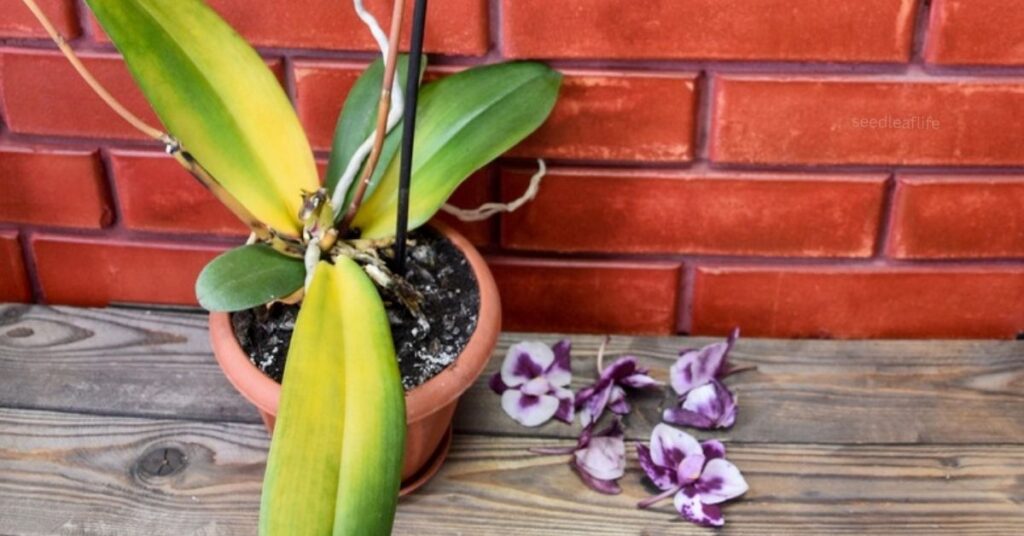
Overwatering Orchids
Overwatering orchids can damage them, so knowing how to keep orchids alive is essential.
Why Overwatering Is the Most Common Mistake
Overwatering is the most common mistake affecting orchid lovers. Many people assume frequent watering equals better care, but orchids are highly sensitive to excess moisture.
How It Leads to Root Rot
When orchid roots sit in water for too long, they begin to rot due to a lack of oxygen. This root decay weakens the plant, causing limp leaves, yellowing, and eventually plant failure.
Correct Watering Tips for How to Keep Orchids Alive
To successfully learn how to keep orchids alive, water them only once a week or when the top inch of the potting medium feels dry. Always ensure excess water drains out completely. This approach promotes healthy roots and encourages vibrant blooms.
Too Much or Too Little Sunlight
Problems Caused by Direct Sunlight
Direct sunlight can scorch orchid leaves, leaving brown or yellow burn marks that permanently damage the plant.
Effects of Low Light
Insufficient light slows growth and significantly reduces the chances of flowering, leaving the orchid weak and unproductive.
Ideal Light Conditions for Orchids
Orchids thrive in bright, indirect light. Placing them near a window with filtered sunlight—such as behind sheer curtains—creates the perfect environment for healthy growth.
Using Regular Garden Soil
Using regular garden soil can harm orchids, so choosing the right medium is vital for how to keep orchids alive.
Why Orchids Need Special Potting Mix
Unlike most houseplants, orchids do not grow well in regular garden soil. Their roots require airflow and proper drainage, which dense soil cannot provide.
Best Growing Medium for Healthy Roots
A specialized orchid mix made of bark, sphagnum moss, and perlite allows roots to breathe while retaining just the right amount of moisture, preventing root rot and encouraging strong growth.
Ignoring Humidity Needs
Ignoring humidity needs can stress orchids, so maintaining proper humidity is key to how to keep orchids alive.
Importance of Humidity for Orchids
Orchids naturally grow in tropical environments where humidity levels are high. Dry indoor air can cause dehydration, leaf wrinkling, and bud drop.
Simple Ways to Increase Humidity Indoors
To maintain proper humidity, use a pebble tray filled with water, place orchids near other plants, or run a humidifier. These simple methods help recreate their natural habitat.
Not Repotting Orchids on Time
Signs That Your Orchid Needs Repotting
Roots growing out of the pot, compacted potting mix, or poor drainage are clear signs that your orchid needs repotting.
How Old Potting Mix Harms Plant Health
Over time, old potting mix breaks down, retaining too much moisture and harboring bacteria. Regular repotting refreshes the growing medium and supports long-term orchid health.
How to Keep Orchids Alive (Best Care Tips)
Proper Watering Schedule
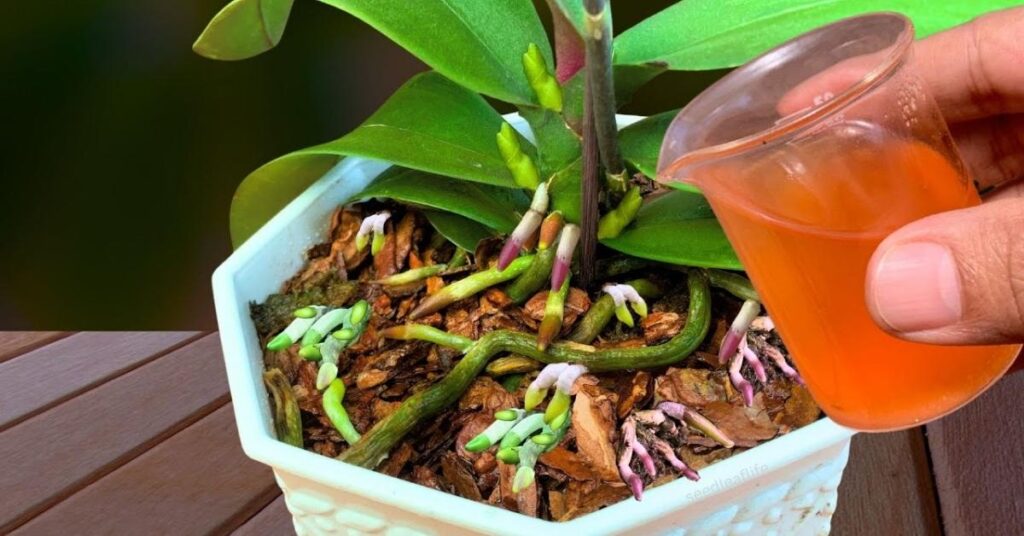
To keep orchids alive and thriving, understanding the right watering schedule is essential. Rather than following a strict routine, always check the moisture level of the potting medium first. Insert your finger about an inch deep—if it feels dry, it’s time to water.
When watering, soak the orchid thoroughly and allow excess water to drain completely from the pot. Never let the roots sit in standing water, as this quickly leads to root rot and plant decline.
Choosing the Right Pot with Drainage Holes
Selecting the correct pot plays a major role in orchid health. Pots with drainage holes allow excess water to escape, preventing waterlogged roots. Clear plastic pots are especially beneficial, as they let you monitor root condition and allow light to reach the roots—something many orchids naturally enjoy.
Correct Use of Orchid Fertilizer
Orchids benefit from regular feeding, but only when done correctly. Use a fertilizer specially formulated for orchids and apply it every two to three weeks during the active growing season. Dilute the fertilizer to half strength and mix it with water to avoid overfeeding, which can damage the roots.
Maintaining Ideal Temperature
Temperature consistency is key to orchid success. Most orchids thrive in daytime temperatures between 65°F and 75°F, with a slight drop at night. Avoid placing orchids near cold drafts, heaters, or air conditioners, as sudden temperature changes can stress the plant and hinder blooming.
Signs Your Orchid Is Unhealthy
Yellow or Drooping Leaves
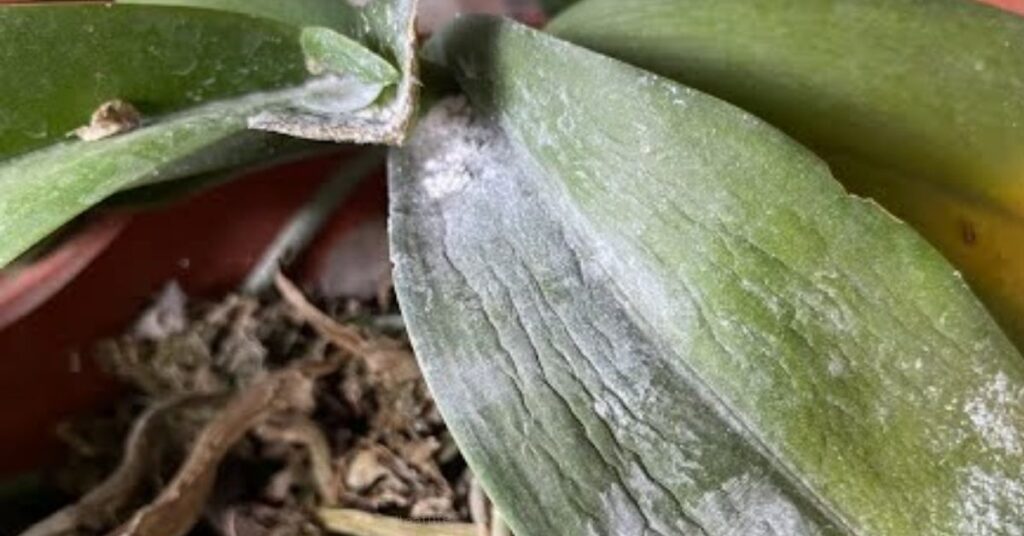
When learning how to keep orchids alive, yellow or drooping leaves are often the first warning sign. This change usually indicates stress caused by too much sunlight, improper watering, temperature fluctuations, or pest issues. Healthy orchid leaves should appear firm and vibrant green. If the leaves turn pale yellow or begin to droop, it’s time to reassess your care routine.
Mushy or Dry Roots
Orchid roots reveal a lot about the plant’s overall health. Healthy roots are firm and bright white or light green. Mushy roots typically result from overwatering and root rot, while dry, brittle roots are a sign of underwatering. Both conditions can prevent the orchid from absorbing nutrients properly, leading to a weakened plant.
Lack of Blooms
If your orchid is not producing flowers, it may be struggling with insufficient light, incorrect temperature, or a lack of nutrients. Orchids need the right balance of light, warmth, and feeding to bloom consistently. A long period without flowers often signals that adjustments are needed.
Early Warning Signs to Watch For
- Wrinkled or limp leaves
- Slow or stunted growth
- Roots growing excessively outside the pot
- Buds falling off before blooming
Recognizing these early warning signs allows you to take quick action and adjust your care strategy. By responding promptly, you can restore your orchid’s health and confidently continue your journey in mastering how to keep orchids alive.
Simple Orchid Care Routine for Beginners
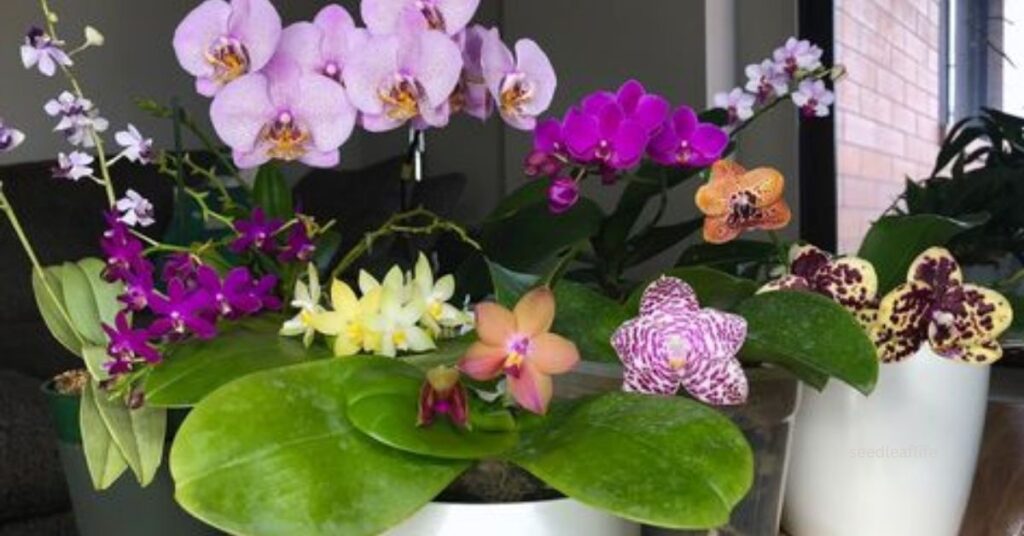
Weekly Care Checklist
To keep orchids alive and thriving, start with a simple weekly care routine. Check the moisture level of the potting mix by inserting your finger about an inch deep. If it feels dry, it’s time to water. Always use room-temperature water and allow excess water to drain completely to prevent root rot.
Additionally, gently wipe the leaves with a damp cloth to remove dust. Clean leaves help the plant absorb light more efficiently and reduce the risk of pests and disease.
Monthly Maintenance Tips
Once a month, give your orchids some extra attention. Inspect the plant closely for pests such as aphids or mealybugs. If found early, a gentle spray of water or mild treatment can prevent further damage.
Apply a diluted orchid fertilizer once a month to supply essential nutrients that support healthy growth and blooming. Also, trim away any dead or yellowing leaves to keep the plant looking neat and encourage new growth.
Easy Routine to Follow at Home
This simple care routine makes learning how to keep orchids alive manageable, even for beginners. With just a few minutes of weekly and monthly care, your orchids can remain healthy, vibrant, and full of life—bringing lasting beauty into your home.
Frequently Asked Questions (FAQs)
How often should I water my orchid?
Water your orchid about once a week. Check if the potting mix is dry before watering. If it’s still damp, wait a few more days. Orchids like their roots to breathe!
Can orchids survive indoors?
Yes, orchids thrive indoors! They love bright, indirect sunlight and a warm environment. Just keep them away from drafts and direct heat sources to stay healthy.
How long do orchids live?
Orchids can live many years if cared for properly. Some varieties last for several decades! With the right love and attention, they can bloom multiple times a year.
Why are my orchid leaves turning yellow?
Yellow leaves can be a sign of overwatering or too much direct sunlight. Check the watering schedule and move your orchid to a brighter spot with indirect light if needed.
Do orchids need special pots?
Yes, orchids do best in pots with good drainage. Clay pots or plastic pots with holes work well. This helps keep roots healthy by preventing them from sitting in water.
How can I help my orchid bloom?
To encourage blooming, ensure your orchid gets bright light and a proper temperature drop at night. Feeding them with orchid fertilizer every few weeks can also help.
What type of light do orchids need?
Orchids love bright, indirect light. A spot near a window with filtered sunlight is perfect. Avoid harsh, direct sunlight, as it can scorch their leaves.
Can I use regular potting soil for orchids?
No, regular potting soil isn’t ideal for orchids. Use a special orchid mix made of bark, perlite, or moss, which allows for good air circulation and drainage, keeping their roots happy!
Conclusion
In conclusion, understanding how to keep orchids alive involves recognizing their need for light, water, and the right temperature. Many new orchid owners mistakenly overwater, thinking their flowers need constant moisture, but this can actually be harmful. Instead, focus on learning the signs of a healthy orchid, such as vibrant leaves and regular blooms. By avoiding common pitfalls and paying attention to your plant’s needs, you can enjoy the beauty of these amazing flowers for a long time. So, remember to keep these tips in mind and take joy in your journey of learning how to keep orchids alive!
Leave a Reply
You must be logged in to post a comment.