
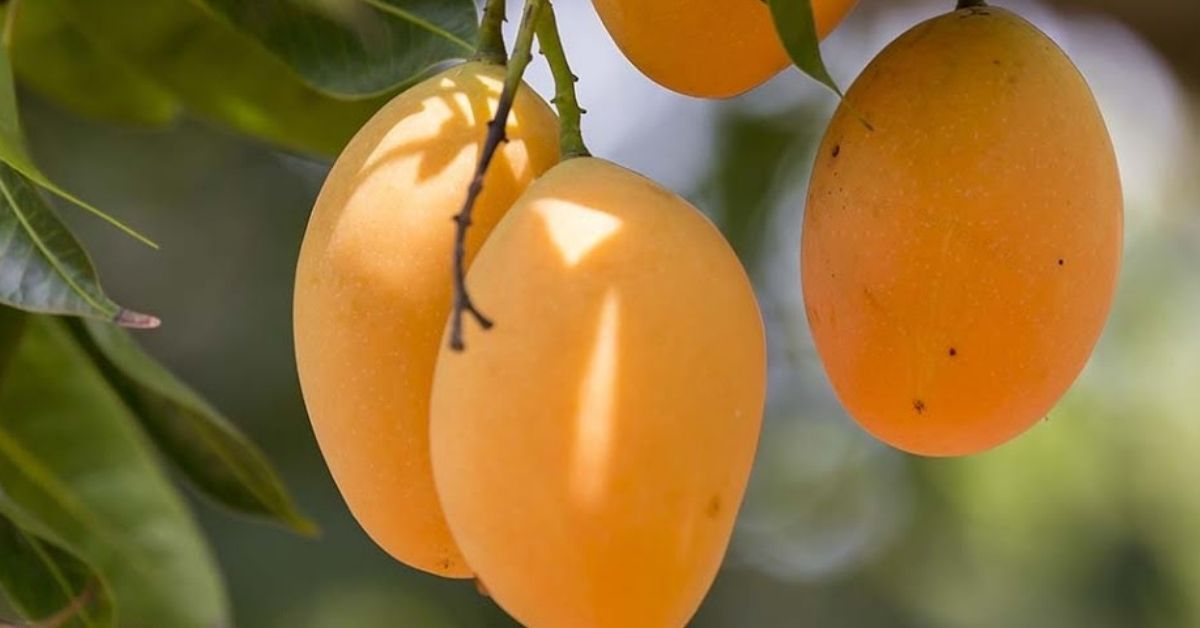
Mango plants are known for producing one of the most popular and delicious tropical fruits in the world. These evergreen trees not only add beauty to your garden but also provide shade and fresh fruit for years. Growing a mango tree at home is easier than many people think and can be a rewarding experience for gardening lovers.
Did you know that mangoes are not just delicious but also incredibly easy to grow at home? If you’ve ever dreamed of plucking fresh, juicy mangoes from your own backyard, you’re in the right place! Growing a mango tree at home offers many benefits, including organic fruit, cost savings, and the joy of home gardening. In this article, we’ll explore the amazing benefits of having a mango tree and guide you step by step on How to Plant a Mango Seed so you can start your own mango-growing journey with confidence.
Why Grow a Mango Tree from Seed?
Growing a mango tree from seed can be one of the most rewarding experiences for any gardening enthusiast. Not only is it budget-friendly, but watching your seed transform into a thriving tree is a joy like no other. With just a little patience and care, you can enjoy the satisfaction of nurturing something from the ground up without breaking the bank. It’s exciting to think that the luscious mangoes you love could come from your very own garden!
Advantages of Growing Mango from Seed
For beginners, planting a mango seed is like embarking on an adventure. It’s straightforward and requires minimal tools or experience. The process of how to plant a mango seed is simple, just clean the seed, plant it in nutrient-rich soil, and keep it moist. You’ll soon find yourself checking on it daily, marveling at every tiny sprout and leaf. This early stage is not just about growing a tree, it helps build a connection with nature, encouraging you to observe and learn in the process.
Cost-Effective Gardening
Growing a mango tree from seed is budget-friendly. You save money compared to buying nursery plants, while enjoying the long-term rewards of fresh, homegrown fruit.
Suitable for Beginners
Moreover, growing a mango tree is a fantastic way to create a sense of community and share knowledge with fellow gardeners. Imagine the delight when you can share homegrown mangoes with friends and family! It’s a rewarding journey that pays off both in fruit and friendships, making every effort to plant that seed well worth it.
Best Time to Plant a Mango Seed
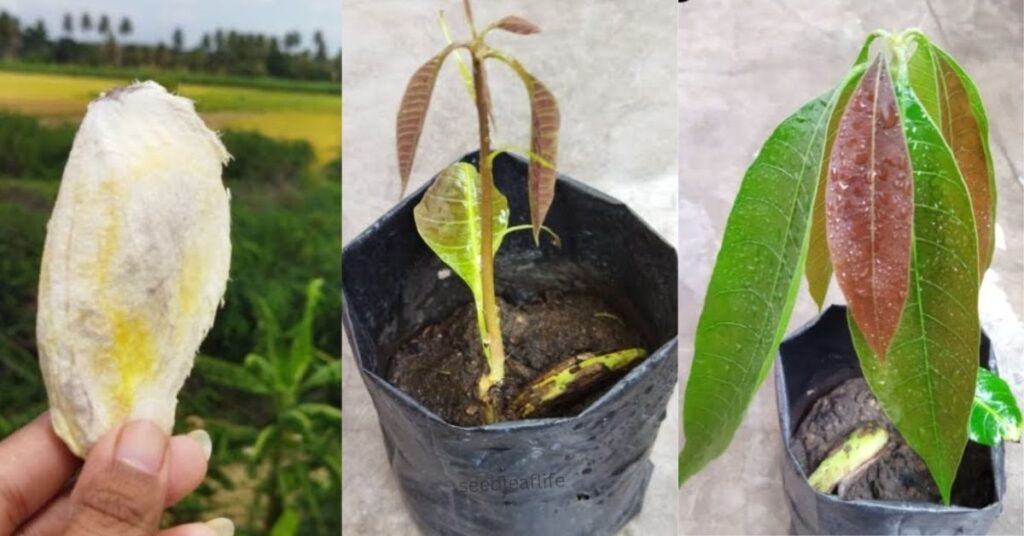
The best time to learn how to plant a mango seed is during the warm months of late spring to early summer, when sunlight and soil conditions are ideal for sprouting.
Ideal Season for Planting
The best time to plant a mango seed is during the warm months, ideally in late spring to early summer. This is when the weather is consistently warm, giving your seed the best chance to sprout and thrive. Mango seeds love the heat, so if you live in a tropical or subtropical climate, you’ll notice that these seeds flourish when temperatures are between 70°F and 100°F. However, even if you’re in a cooler area, starting your seed indoors can be a great option. Just make sure to transfer it outdoors once the weather warms up.
Weather and Temperature Requirements
Beyond just choosing the right season, understanding the weather conditions is key. Mango seeds require plenty of sunlight and humidity, so look for a spot with full sun — ideally at least six hours a day. If you’re starting your seed indoors, placing it near a sunny window can mimic those outdoor conditions. Keeping the soil slightly moist but not waterlogged is vital, as mango seeds prefer a well-draining environment. By paying attention to these details, you’ll set your seed up for success, turning that tiny seed into a flourishing mango tree. Happy planting!
Things You Need to Plant a Mango Seed
To successfully learn how to plant a mango seed, you’ll need a fresh mango seed, well-draining soil, water, and a knife or scissors to prepare the seed.
Fresh Mango Seed
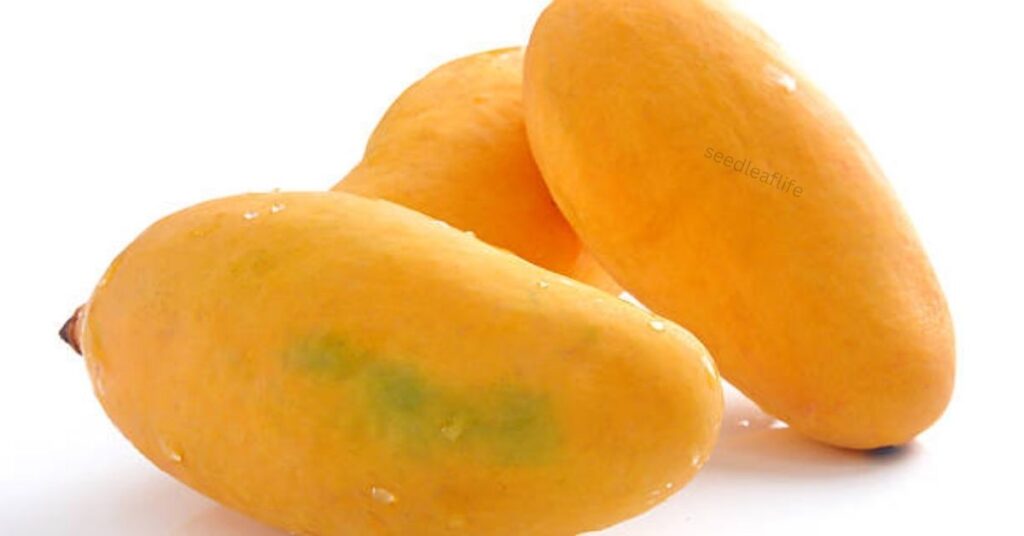
To plant a mango seed, you’ll first need a fresh mango pit. After enjoying a juicy mango, rinse the seed to remove any leftover fruit. This step is crucial because any residue can attract pests or mold.
Knife or Scissors (to Open the Seed Shell)
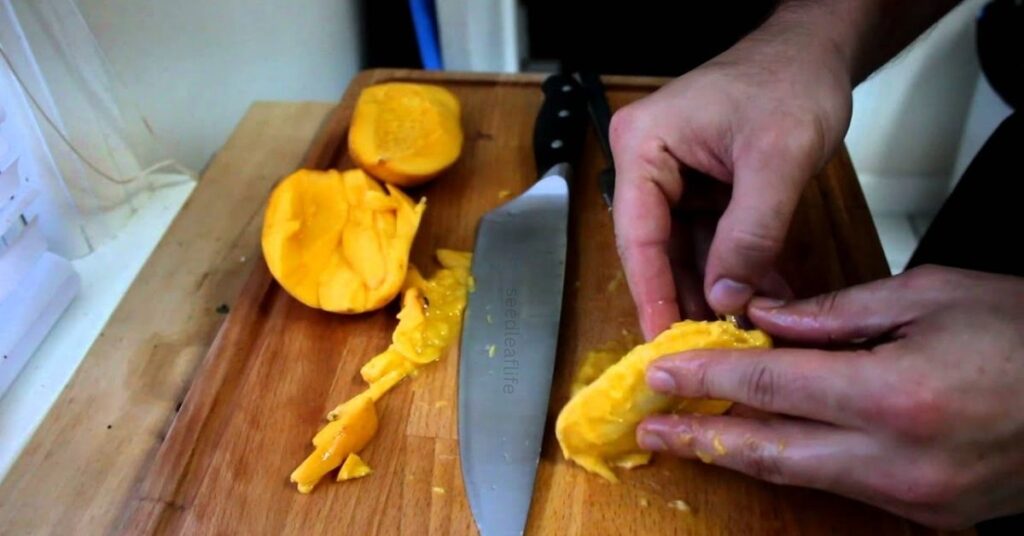
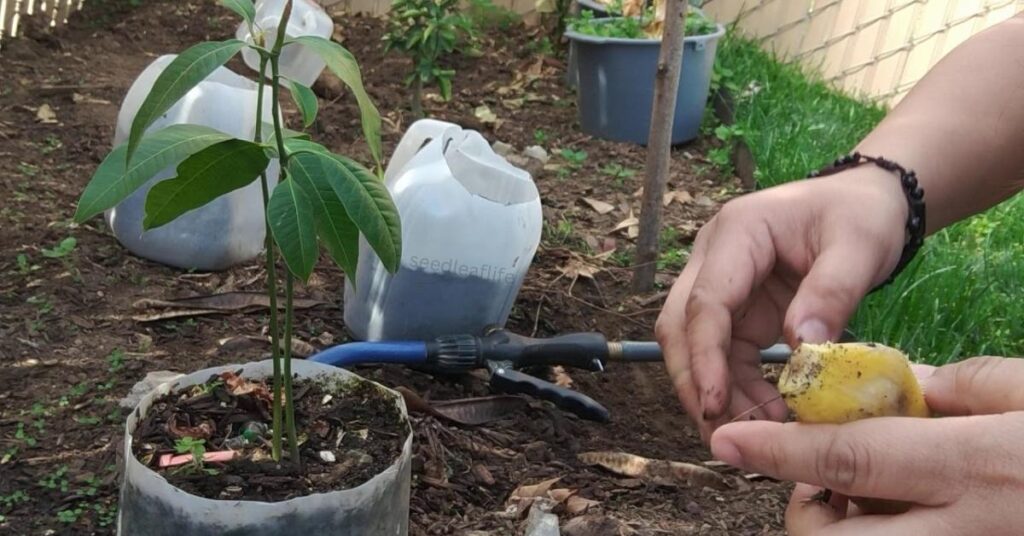
Using a knife or scissors, carefully slice open the outer shell of the seed, revealing the inner seed that you’ll nurture into a vibrant mangrove.
Pot or Garden Soil
Next, choose a pot or a suitable spot in your garden filled with rich, well-draining soil. Mangos thrive in warm conditions, so place your seed about an inch deep, ensuring the pointed end is facing up.
Water
Water it gently but regularly, keeping the soil moist, not soggy. With a bit of patience and care, you’ll soon see green shoots emerging. Watching your mango seed grow into a thriving plant is a delightful journey, bringing a piece of tropical paradise right into your home!
How to Prepare a Mango Seed for Planting
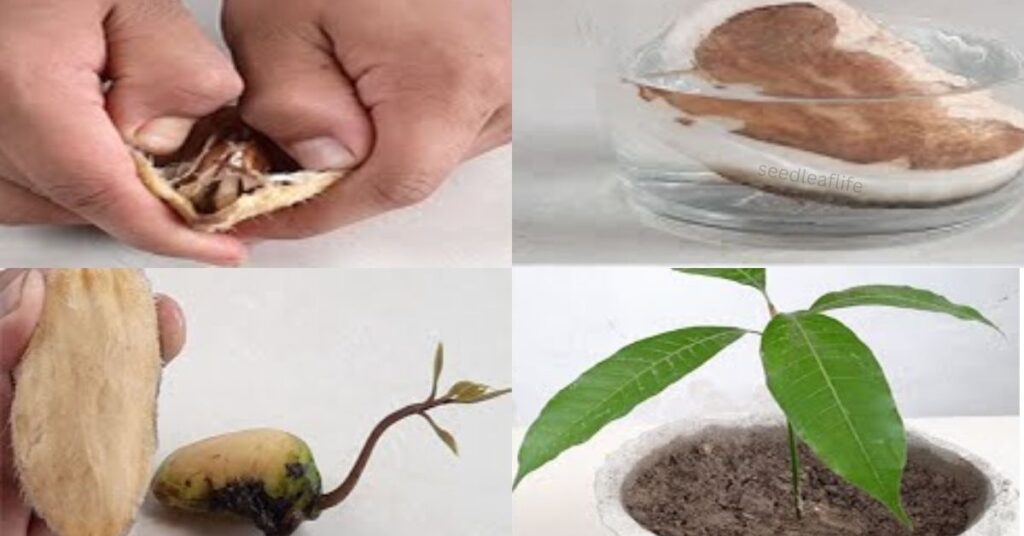
Learning how to plant a mango seed properly starts with preparing the seed by removing it from the fruit, cleaning it, and gently cracking its shell.
Removing the Seed from the Mango
To prepare a mango seed for planting, start by carefully removing the seed from the fruit. After enjoying the sweet, juicy flesh, rinse off any mango residue to prevent mold. You’ll find a large, flat seed inside, encased in a tough shell.
Carefully Opening the Hard Shell
Use a sharp knife to gently crack open this shell without damaging the seed itself — think of it as unveiling a hidden treasure!
Optional Soaking or Drying Method
Once you have the seed, you have a couple of options before planting. Some gardeners recommend soaking the seed in warm water for 24 hours to kickstart the germination process, while others prefer to simply let it dry for a few days. If you choose to dry it, place the seed in a warm, shaded area. This stage is crucial as it allows the seed to become resilient while still providing a cozy environment for sprouting once you finally decide to plant it in rich soil. How to plant a mango seed, you ask? Patience and care at this stage will set you up for a fruitful adventure ahead.
How to Plant a Mango Seed – Step by Step Guide
This step-by-step guide shows exactly how to plant a mango seed, from selecting a healthy seed to caring for it as it grows into a young plant.
Step 1: Choose a Healthy Mango Seed
Use a fresh, undamaged seed. To successfully learn how to plant a mango seed, start with choosing a healthy seed. Look for a fresh, undamaged seed from a ripe mango, as this increases your chances of sprouting a thriving plant. A little care in selecting the right seed can pay off big in the long run.
Step 2: Prepare the Soil
Best soil mix (loamy soil + compost). Next, it’s time to prepare the soil. A loamy mix combined with compost works wonders, offering the right nutrients and drainage.
Step 3: Plant the Mango Seed
Correct seed position
Proper planting depth
When planting the mango seed, position it horizontally, about an inch deep. This ensures the seed gets the warmth and moisture it needs to sprout.
Step 4: Water the Seed
Keep soil moist, not soggy
Avoid overwatering
After planting, keep the soil moist but not soggy — overwatering can lead to mold, which is the last thing you want for your little seedling.
Step 5: Place the Pot in the Right Location
Sunlight requirements
Indoor vs outdoor placement
Lastly, think about light. Mango seeds thrive in bright, indirect sunlight, so choose a spot that meets their needs. Whether you opt for an indoor setting or a cozy outdoor spot, make sure it gets ample sunshine to help your mango seed take root and grow strong. With a bit of care and patience, you’ll soon be on your way to enjoying the fruits of your labor!
Mango Seed Germination Time
When learning how to plant a mango seed, expect the germination time to be about 2 to 4 weeks, depending on soil and temperature conditions.
How Long Germination Takes
When it comes to how to plant a mango seed, patience is key! Typically, you can expect the germination process to take between 2 to 4 weeks. This timeframe can vary depending on factors like temperature and moisture. If you’ve done everything right — keeping the seed warm and the soil damp — you’ll soon notice tiny signs of life peeking through.
Early Growth Signs
Look for early growth signs like a little sprout pushing through the soil or roots stretching out. A good tip is to check the seed regularly, sometimes, just a gentle nudge of the soil can reveal those first green whispers of life. With a bit of love and care, your mango seed will reward you with a flourishing plant, ready to brighten your space and perhaps even produce delicious fruits in the future!
How to Care for a Mango Plant
After learning how to plant a mango seed, proper care including watering, sunlight, and fertilization is key to growing a healthy and fruitful mango plant.
Watering Schedule
Caring for a mango plant is all about finding the right balance, especially when it comes to watering. Mango trees thrive on a schedule that keeps the soil slightly moist but never soggy. It’s best to water deeply about once a week in the growing season, but pay attention to the climate. If it’s humid, you might stretch that to every ten days. Always check the top inch of soil. If it feels dry, it’s time to give it a drink. Remember, too much water can lead to root rot, which is something you definitely want to avoid!
Sunlight Needs
When it comes to sunlight, mango plants are sun-loving creatures. Ideally, they should bask in at least 6 to 8 hours of bright sunlight daily. If you’re growing your mango plant indoors, place it close to a south-facing window or invest in a grow light to ensure it gets enough energy to thrive.
Fertilizer Tips
As for fertilizer, a slow-release fertilizer high in potassium and phosphorus can do wonders. Apply it every few months during the growing season, and consider giving your plant a boost with organic compost to enrich the soil. With the right care, your mango plant can become a beautiful and fruitful addition to your space!
Common Problems When Growing Mango from Seed
When learning how to plant a mango seed, it’s important to be aware of common problems like seeds not sprouting, overwatering, and pests to ensure healthy growth.
Seed Not Sprouting
When learning how to plant a mango seed, one of the most frustrating issues can be the seed not sprouting. Mango seeds need warmth and plenty of moisture to germinate, but it can take two weeks or more. If you find your seed isn’t growing, check if it’s been soaked for a few hours before planting and ensure it’s placed in a warm spot. Sometimes, the seed might be too old or improperly handled before you planted it.
Overwatering Issues
Overwatering is another sneaky problem that many budding mango growers face. While mango seeds need moisture, drowning them can lead to rot. A good rule of thumb is to keep the soil consistently moist but not soggy, letting the top inch dry out between waterings. Also, consider drainage; using a pot with holes can save your seeds from swimming in excess water.
Pests and Diseases
Lastly, keep an eye out for pests and diseases, as tiny invaders like aphids can derail your mango dreams. Making sure your plant is healthy and inspecting it regularly can help catch these issues early on.
How Long Does a Mango Tree Take to Bear Fruit?
When you know how to plant a mango seed, keep in mind that it can take several years—often 7 to 8—for a tree grown from seed to bear its first fruit.
Expected Time for Fruiting
Mango trees typically take about three to six years to bear fruit after planting. This timeline can vary depending on several factors, including the variety of mango and growing conditions. If you’re starting from a seed, be prepared for the longer wait, it usually takes a good seven to eight years before you see any delicious mangoes. However, grafted mango trees can produce fruit much sooner, often within just a few years.
What Beginners Should Know
For beginners, patience is key. Make sure you understand how to plant a mango seed properly — starting with good-quality seeds and ensuring they’re kept in warm, sunny conditions can make a big difference. Regular watering and fertilizing will help your tree thrive. Remember, nurturing your mango tree is just as rewarding as waiting for that first sweet bite, as you’ll be cultivating not just a plant but a little piece of paradise in your garden.
FAQs About How to Plant a Mango Seed
- Can you grow mango from seed?
Yes! You can grow a mango tree from seed. Simply remove the seed from the fruit, clean it, and plant it in soil. With a little care, it can sprout! - Can mango grow indoors?
Absolutely! While mango trees love warm climates, you can grow them indoors. Just ensure they get plenty of sunlight and warmth! - How often should you water it?
Water your mango seed regularly, keeping the soil slightly moist but not soggy. Generally, every 1-2 weeks should do, depending on your climate. - How long does it take for a mango seed to germinate?
It usually takes about 2 to 3 weeks for a mango seed to germinate. Be patient — the wait is worth it! - What kind of soil is best for mango seeds?
Mango seeds thrive in well-draining soil. A mix of potting soil and sand works great! - Do mango trees need a lot of sunlight?
Yes, mango trees love sunlight! They need at least 6 to 8 hours of bright light each day to grow strong and healthy. - Can I grow mango from a store-bought seed?
Definitely! Store-bought mango seeds can work well, just make sure the mango was ripe and fresh for the best chance of sprouting. - How big can a mango tree get?
Mango trees can grow quite large, reaching up to 100 feet in the wild, but in a pot, they’ll stay smaller – around 3 to 6 feet!
Conclusion
Quick Summary
In conclusion, growing your own mango tree can be a rewarding experience that brings fresh fruit right to your backyard.
Encourage Readers to Try Growing Mango at Home
By following the easy steps on how to plant a mango seed, you’ll discover the joy of nurturing a plant from seed to tree. Not only will you enjoy delicious mangoes, but you’ll also create a lovely green space at home. So why not give it a try? Grab your seeds and get started on this fun gardening adventure today!
Leave a Reply
You must be logged in to post a comment.