
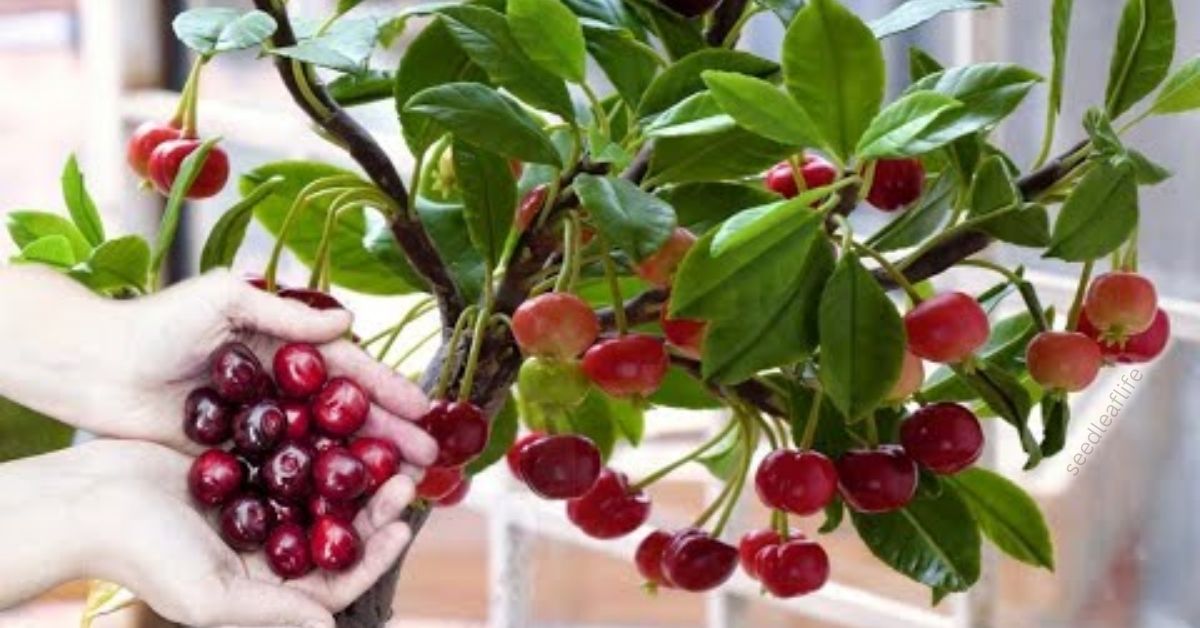
Growing your own cherry tree from seeds is a rewarding and fulfilling gardening experience. While it requires patience and proper technique, learning how to plant cherry seeds at home can help you grow a healthy tree that may one day produce delicious cherries. This ultimate guide explains everything step by step—from preparing cherry seeds to planting, caring, and maintaining your cherry tree for long-term success.
If you are interested in growing other fruit trees from seeds, you may also find this complete step-by-step guide on planting a mango seed helpful:
Why Grow Cherry Trees from Seeds?
Many gardeners prefer planting saplings, but growing cherry trees from seeds has unique benefits:
- It allows you to experience the full life cycle of the plant
- Seed-grown trees are often stronger and better adapted to local conditions
- It is an excellent learning experience for gardening enthusiasts
Although it takes time, the satisfaction of growing a cherry tree from seed is unmatched.
Understanding Cherry Seeds and Their Growth Cycle
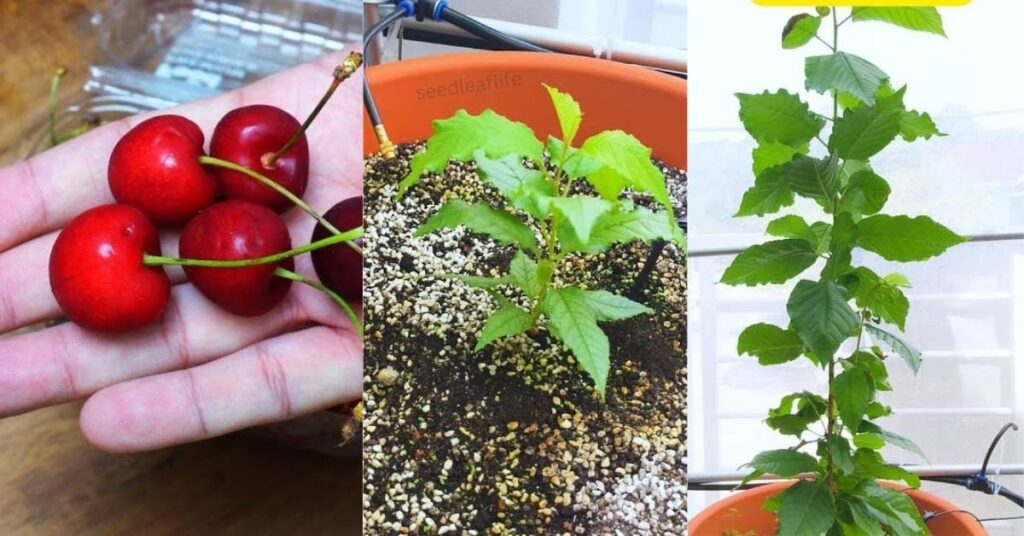
Before learning how to plant cherry seeds, it is important to understand their natural growth process.
Cherry seeds require a cold dormancy period, known as stratification, before they can germinate. In nature, this happens during winter. At home, we must recreate these conditions manually.
Without stratification, cherry seeds usually fail to sprout.
Choosing the Right Cherry Seeds
Choosing fresh, ripe, and organic seeds is the first and most important step in learning how to plant cherry seeds successfully and grow a healthy cherry tree at home.
Use Fresh and Natural Seeds
- Choose cherries that are fresh, ripe, and organic
- Avoid processed or store-preserved cherries
- Seeds from local cherries adapt better to your climate
After eating the cherry, carefully remove the pit and clean it thoroughly.
Cleaning and Drying Cherry Seeds
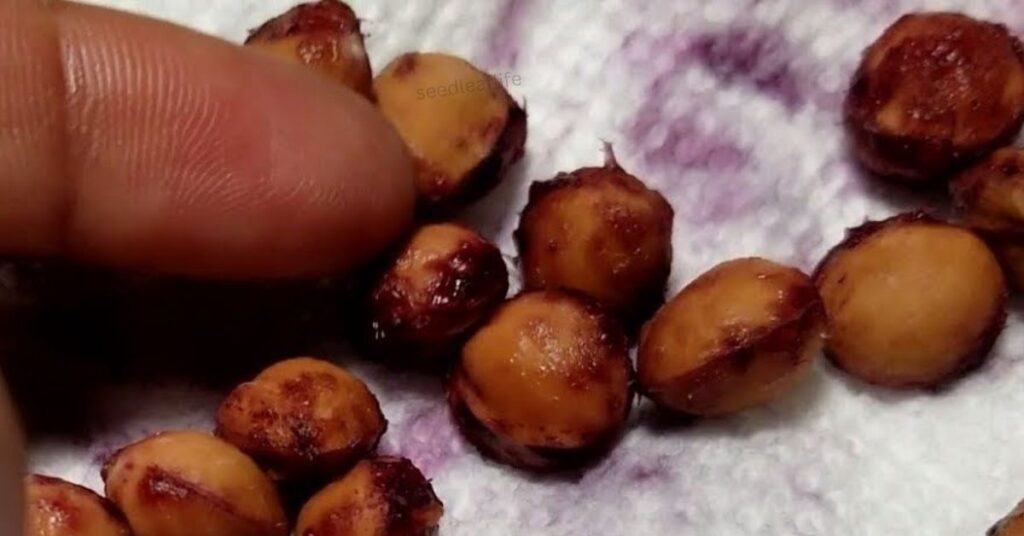
- Remove all fruit residue from the seed
- Rinse with clean water
- Let the seeds air-dry at room temperature for 2–3 days
- Do not expose seeds to direct sunlight
This step prevents mold and bacterial growth.
Cold Stratification: The Most Important Step
Cold stratification is essential when learning how to plant cherry seeds successfully.
Why Stratification Is Necessary
Cherry seeds remain dormant unless they experience cold temperatures. Stratification signals the seed that winter has passed and it’s time to grow.
How to Stratify Cherry Seeds at Home
Materials Needed:
- Zip-lock bag
- Moist paper towel or sand
- Refrigerator
Steps:
- Wrap seeds in a slightly moist paper towel
- Place them inside a sealed zip-lock bag
- Store the bag in the refrigerator
- Temperature: 1–5°C (34–41°F)
- Duration: 8–12 weeks
Check once every two weeks to ensure moisture is maintained.
Preparing Soil for Cherry Seed Planting
Proper soil preparation is key for healthy growth.
Ideal Soil Mix
- Garden soil
- Organic compost
- Sand or perlite
Soil Requirements
- Well-draining
- Rich in nutrients
- Slightly acidic to neutral pH (6.0–7.0)
Avoid heavy clay soil as it holds too much water.
How to Plant Cherry Seeds in Pots
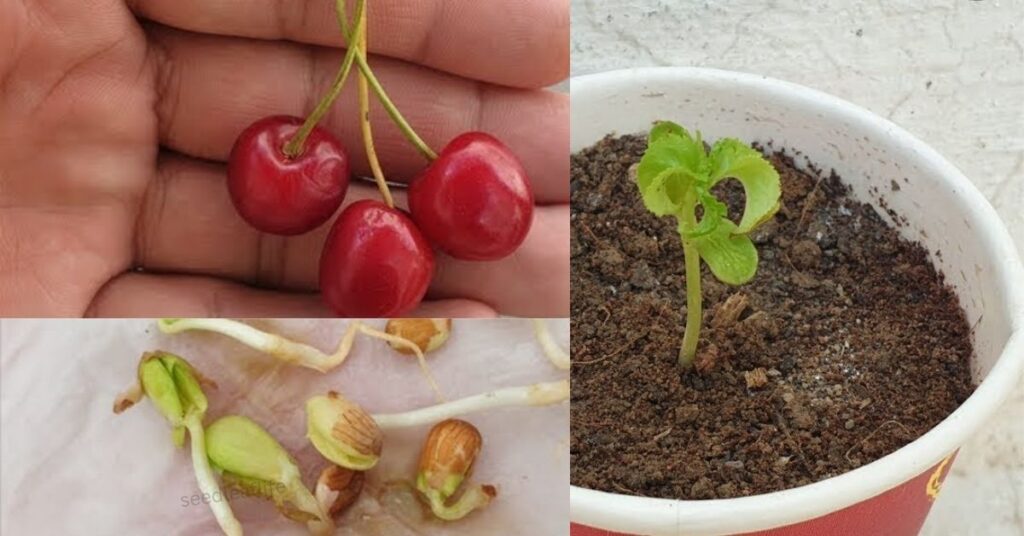
Once stratification is complete, you can begin planting.
Step-by-Step Planting Process
- Choose a pot with drainage holes
- Fill with prepared soil mix
- Plant seed 1 inch deep
- Cover lightly with soil
- Water gently until soil is moist
- Place pot in indirect sunlight
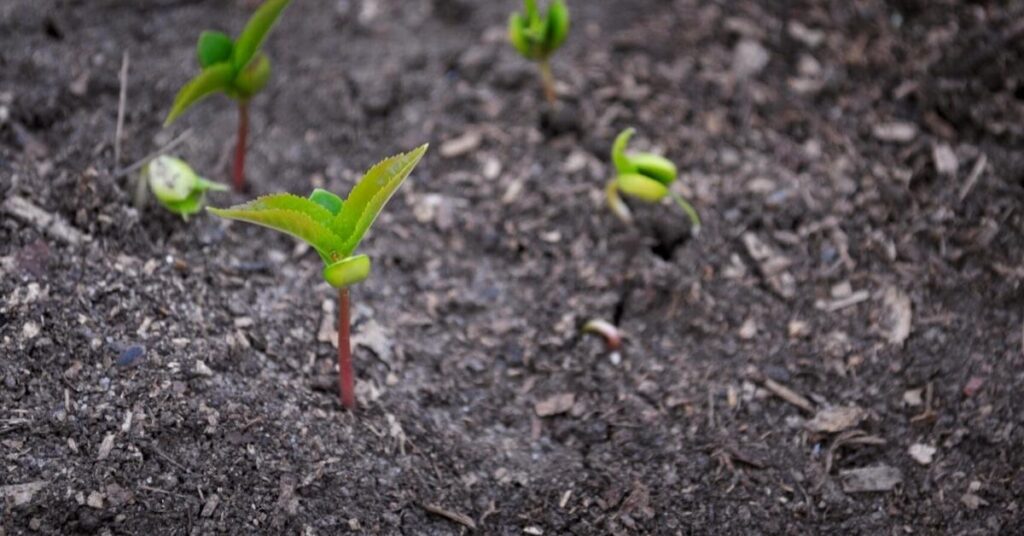
Germination usually occurs within 2–4 weeks, though some seeds may take longer.
Light and Temperature Requirements
Providing 6–8 hours of sunlight and maintaining a moderate temperature is essential when learning how to plant cherry seeds, as proper light and warmth support healthy germination and early growth.
Sunlight
- 6–8 hours of sunlight daily
- Partial shade during early growth stages
Temperature
- Ideal temperature: 18–24°C (65–75°F)
- Protect seedlings from frost and extreme heat
Watering Cherry Seedlings Properly
Watering mistakes can harm young plants.
Best Watering Practices
- Keep soil moist, not soggy
- Water when the top inch of soil feels dry
- Avoid standing water
Overwatering is one of the most common reasons for seedling failure.
Fertilizing Cherry Plants
In the early stage, cherry plants do not require heavy fertilization.
Recommended Fertilizers
- Organic compost
- Well-rotted manure
- Mild liquid fertilizer (after 2–3 months)
Avoid chemical fertilizers in the first year.
Transplanting Cherry Seedlings Outdoors
When the seedling reaches 8–12 inches, it can be transplanted outdoors.
Best Time to Transplant
- Early spring or fall
How to Transplant Safely
- Choose a sunny location
- Dig a hole twice the root size
- Place seedling carefully
- Cover with soil and compost
- Water thoroughly
Mulching helps retain moisture and protect roots.
Long-Term Care of Cherry Trees
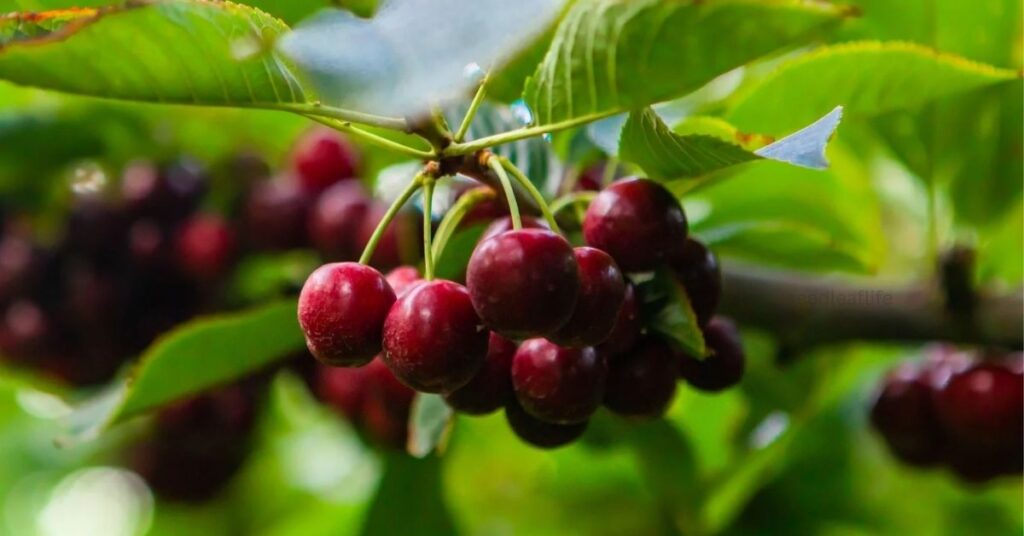
Pruning
- Start pruning after 1–2 years
- Remove weak or dead branches
- Encourages healthy growth
Pest Control
- Use organic pest repellents
- Neem oil works well
- Keep soil clean
Disease Prevention
- Ensure proper airflow
- Avoid waterlogging
- Remove infected leaves promptly
How Long Does a Cherry Tree Take to Bear Fruit?
Patience is essential when learning how to plant cherry seeds.
- Seed-grown cherry trees take 3–5 years to produce fruit
- Some varieties may take longer
- Proper care improves fruiting chances
Common Mistakes to Avoid
- Skipping stratification
- Overwatering seedlings
- Poor soil drainage
- Expecting quick fruiting
- Using low-quality seeds
Avoiding these mistakes significantly increases success.
Indoor vs Outdoor Cherry Growing
Indoor Growing
- Suitable during early stages
- Controlled environment
- Limited growth
Outdoor Growing
- Natural sunlight
- Stronger tree
- Better fruit production
For best results, start indoors and transplant outdoors later.
Benefits of Growing Cherry Trees at Home
- Fresh, organic fruit
- Beautiful flowering tree
- Improves air quality
- Cost-effective in the long run
- Great gardening experience
Frequently Asked Questions (FAQs)
Can I plant cherry seeds directly in soil?
Yes, but without stratification, germination chances are very low.
Can cherry seeds grow in pots?
Yes, especially during early growth stages.
Do all cherry seeds grow true to fruit?
Not always. Seed-grown trees may differ slightly from parent fruit.
Conclusion
Learning how to plant cherry seeds at home is a slow but rewarding process. With proper seed preparation, cold stratification, quality soil, and consistent care, you can successfully grow a cherry tree from seed. While it may take years to see fruit, the journey itself is enjoyable and fulfilling.
If you remain patient and follow this guide carefully, you’ll greatly increase your chances of success.