
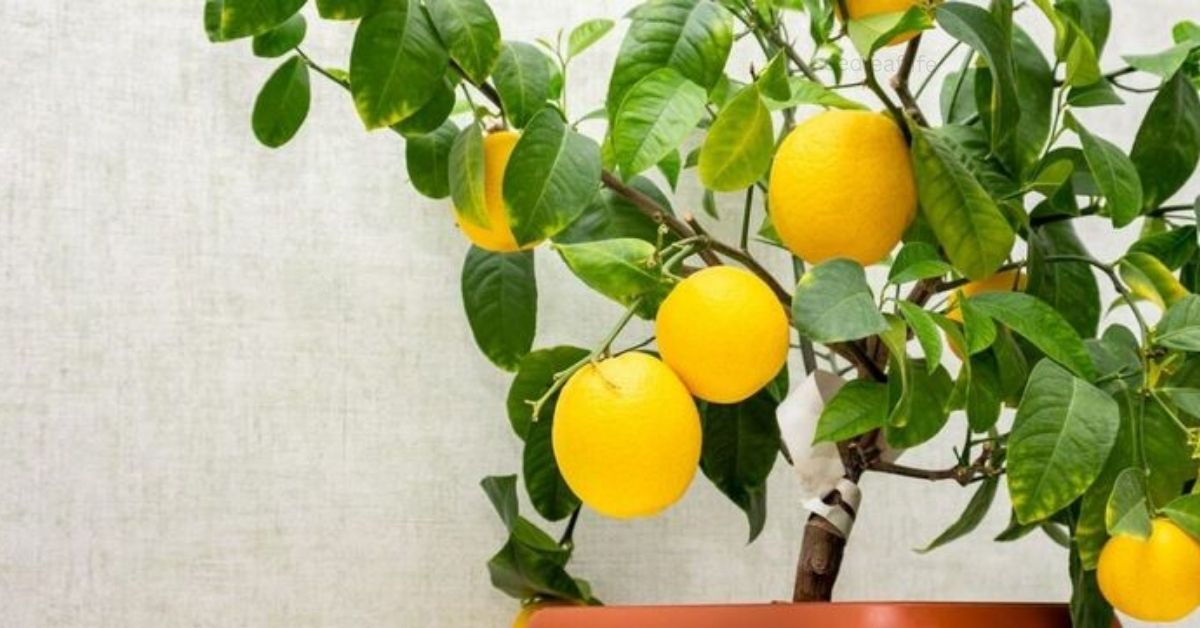
Growing lemons indoors from seed is one of the most rewarding gardening projects you can start at home. Whether you live in a small apartment or a house without outdoor garden space, you can successfully grow a lemon plant right on your windowsill. With the right method, especially a fast germination technique, you can see sprouts in as little as 7–14 days.
In this complete guide, you will learn how to plant lemon seeds , the fast germination method, ideal growing conditions, common mistakes to avoid, and expert tips to help your lemon plant grow strong and healthy. If you found this guide helpful, don’t miss our detailed tutorial on planting a mango seed step by step to grow another delicious fruit plant at home.
Why Grow Lemon Seeds Indoors?
Growing lemon seeds indoors is a great choice for beginners who want to learn how to plant lemon seeds indoors while enjoying the beauty and benefits of a homegrown citrus plant.
Here are some key benefits:
- Budget-friendly gardening project
- Fresh, homegrown lemons (with patience)
- Beautiful natural indoor decoration
- Beginner-friendly plant
- Year-round growing possibility
Lemon trees belong to the citrus family, scientifically known as Citrus Limon. They thrive in warm, sunny environments, but with proper care, they can adapt well indoors.
Understanding Lemon Seeds Before Planting
Before you begin planting, it’s important to understand how to plant lemon seeds work.
Lemon seeds are living embryos. Inside each seed is the potential to grow into a full tree. However, unlike hybrid nursery plants, seed-grown lemon trees may take longer to produce fruit — usually 3 to 6 years.
But don’t worry — even if fruiting takes time, the plant itself is attractive and aromatic, with glossy green leaves and a refreshing citrus scent.
Materials You’ll Need
To successfully learn how to plant lemon seeds indoors using the fast germination method, gather the following materials for better germination results.
- Fresh organic lemon
- Healthy lemon seeds
- Paper towel
- Small bowl
- Tweezers (optional)
- Zip-lock plastic bag
- Small pot with drainage holes
- High-quality potting soil (well-draining)
- Spray bottle with water
- Plastic wrap (optional)
- Grow light (optional but helpful)
Using fresh seeds is very important. Dry or old seeds often fail to germinate.
Step-by-Step Fast Germination Method
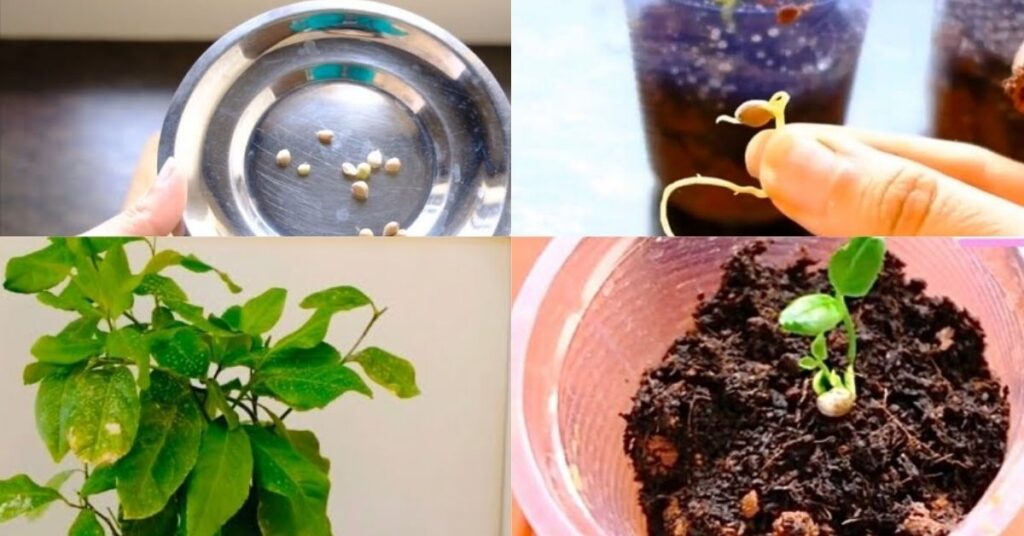
This step-by-step fast germination method will guide you through how to plant lemon seeds indoors and achieve quicker, more successful sprouting. Now let’s move to the most important part: the fast germination process.
Step 1: Choose the Right Lemon
Select a healthy, fully ripe, organic lemon. Organic lemons are better because chemically treated lemons may have seeds that do not sprout well.
Make sure:
- The lemon is bright yellow.
- It feels firm and fresh.
- It is not rotten or shriveled.
Cut the lemon carefully and remove several seeds. Choose the plump, healthy-looking ones.
Step 2: Clean the Seeds Properly
This step is extremely important.
- Remove the seeds from the lemon.
- Rinse them under room-temperature water.
- Gently rub off all pulp.
- Do not let the seeds dry out.
Lemon seeds should remain moist. If they dry, their chances of germination reduce significantly.
Step 3: Peel the Seed Coat (Fast Germination Secret)
This is the key trick for faster results.
Each lemon seed has a hard outer shell (seed coat). Carefully peeling off this outer layer helps the seed sprout more quickly.
How to do it:
- Hold the seed gently.
- Use your fingernail or tweezers.
- Carefully peel off the thin outer skin.
- Avoid damaging the inner embryo.
Peeling the seed coat can reduce germination time from several weeks to just 7–14 days.
If you are not comfortable peeling it, you can skip this step, but germination may take longer.
Step 4: Paper Towel Germination Method
This is one of the most effective indoor germination methods.
- Take a paper towel.
- Moisten it lightly (do not soak).
- Place the peeled seeds inside.
- Fold the paper towel over them.
- Put it inside a zip-lock bag.
- Seal the bag.
Now place the bag in a warm, dark place such as:
- Kitchen cabinet
- Drawer
- Above refrigerator
Ideal temperature: 70–85°F (21–29°C)
Check the seeds daily. Within 7–14 days, you should see small white roots emerging.
If you notice mold, replace the paper towel immediately.
Step 5: Plant the Sprouted Seeds in Soil
Once roots appear (about 1/2 inch long), it’s time to plant them.
- Fill a small pot with well-draining soil.
- Make a hole about1/2 to 1 inch deep.
- Place the sprouted seed root-down.
- Cover gently with soil.
- Lightly water using a spray bottle.
Do not overwater.
Place the pot near a sunny window where it gets at least 6–8 hours of sunlight daily.
Ideal Growing Conditions for Indoor Lemon Plants
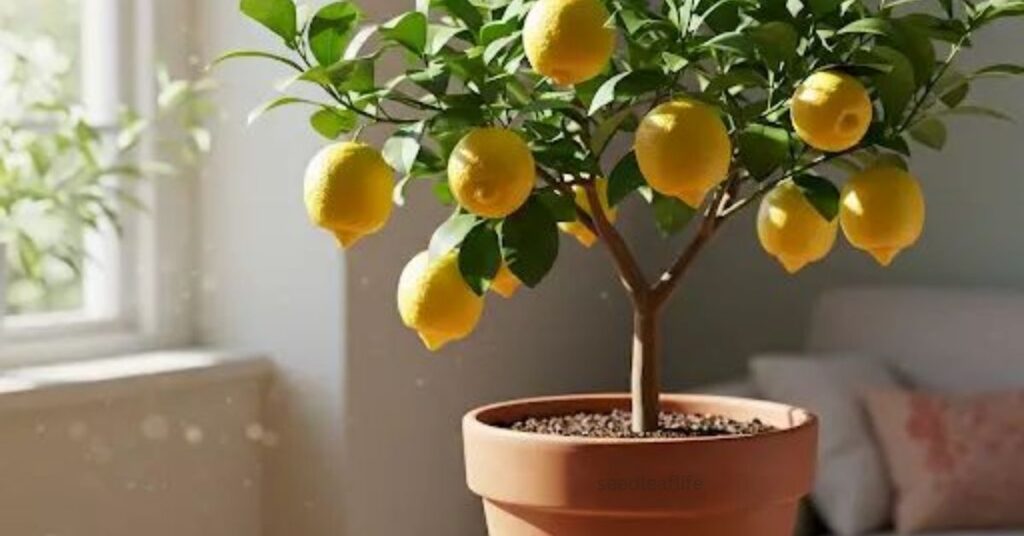
Understanding the ideal growing conditions is essential when learning how to plant lemon seeds indoors to ensure strong, healthy plant growth.
Proper environment ensures healthy growth.
Sunlight Requirements
Lemon plants need:
- 6–8 hours of direct sunlight daily.
- South-facing window is best.
- Use grow lights if natural sunlight is insufficient.
Without enough light, plants become weak and leggy.
Temperature
Ideal indoor temperature:
- 70–85°F (21–29°C)
- Avoid cold drafts
- Keep away from air conditioners or heaters
Lemon plants do not tolerate frost.
Watering Schedule
- Keep soil moist but not soggy.
- Water when top 1 inch of soil feels dry.
- Ensure proper drainage.
Overwatering is the most common mistake.
Best Soil for Lemon Plants
Use:
- Well-draining potting mix
- Slightly acidic soil (pH 5.5–6.5)
- Add perlite or sand for drainage
Avoid heavy garden soil indoors.
How Long Does It Take to Grow?
Here is a realistic timeline:
- Germination: 1–2 weeks
- Seedling stage: 3–4 weeks
- Small plant: 3–6 months
- Mature indoor plant: 1–2 years
- Fruit production: 3–6 years
Remember, patience is key.
Fertilizing Your Lemon Plant
After 6–8 weeks:
- Use citrus fertilizer.
- Apply once every 4–6 weeks during growing season (spring and summer).
- Reduce feeding in winter.
Do not over-fertilize; it can burn roots.
Repotting Your Lemon Plant
As the plant grows:
- Roots will outgrow the container.
- Repot every 1–2 years.
- Choose a pot 1–2 inches larger.
Always ensure drainage holes are present.
Pruning for Better Growth
Pruning helps:
- Shape the plant
- Encourage bushy growth
- Remove weak branches
Pinch the top leaves when plant reaches 6–8 inches tall.
Common Mistakes to Avoid
- Overwatering
- Using old dry seeds
- Not providing enough sunlight
- Poor drainage
- Letting seeds dry before planting
- Skipping warmth during germination
Avoiding these mistakes increases success rate.
Do Indoor Lemon Plants Produce Fruit?
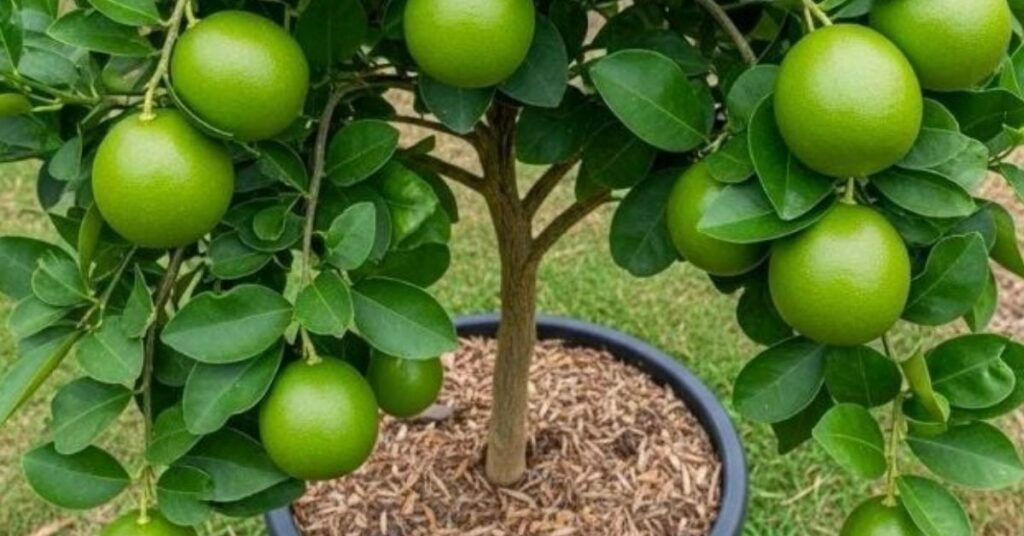
Yes — but it takes time. Many people ask whether indoor lemon plants produce fruit when learning how to plant lemon seeds indoors, and fruiting depends on proper care, sunlight, and patience.
Seed-grown lemon trees:
- May take 3–6 years to fruit.
- May not produce identical fruit to parent lemon.
For faster fruiting:
- Consider grafting.
- Ensure strong sunlight.
- Hand-pollinate flowers indoors using a soft brush.
How to Hand-Pollinate Indoor Lemon Flowers
Since indoor plants lack bees:
- Use a small paintbrush.
- Gently transfer pollen between flowers.
- Repeat for several days.
This increases chances of fruit development.
Troubleshooting Problems
If you’re facing issues while learning how to plant a lemon seeds indoors, this troubleshooting guide will help you identify and fix common growing problems quickly.
Leaves Turning Yellow
- Overwatering
- Poor drainage
- Nutrient deficiency
No Germination
- Seeds dried out
- Temperature too low
- Old seeds
Leggy Growth
- Not enough sunlight
Expert Tips for Faster and Healthier Growth
- Always use fresh seeds
- Peel seed coat for faster sprouting
- Maintain warmth during germination
- Use grow lights in winter
- Rotate pot weekly
- Keep humidity moderate
- Mist leaves occasionally
Frequently Asked Questions (FAQs)
Can lemon trees grow indoors permanently?
Yes, with proper care and enough sunlight.
Do I need to peel the seed coat?
Not mandatory, but it speeds up germination.
Why are my lemon seeds not sprouting?
Possible reasons: old seeds, low temperature, dried seeds.
Can I grow lemon without sunlight?
No. Lemon plants require strong light to survive.
Final Thoughts
Learning how to plant lemon seeds indoors using the fast germination method is simple, affordable, and rewarding. With just a fresh lemon, a paper towel, and some patience, you can start your indoor citrus journey today.
While it may take a few years for fruit production, the process itself is enjoyable and educational. The glossy green leaves, fresh citrus aroma, and the satisfaction of growing your own plant make it worth the effort.
Start today. Plant your lemon seeds. Watch them grow. And enjoy the beauty of indoor gardening.