
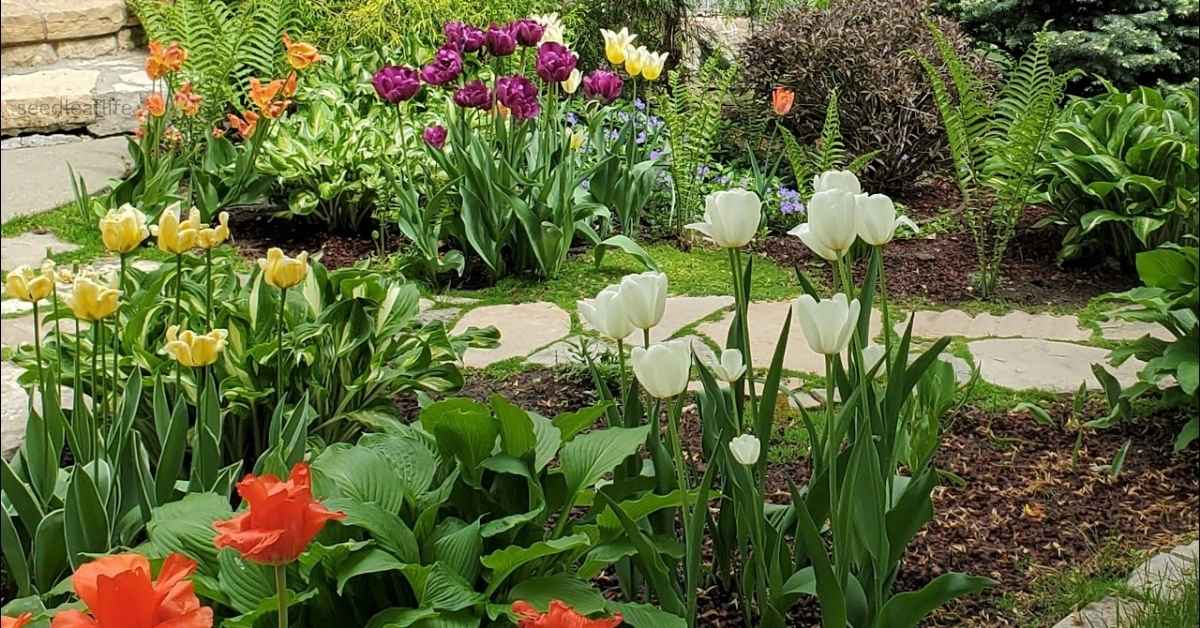
Did you know that tulips were once so valuable they sparked an entire economic phenomenon known as “tulip mania”? These vibrant flowers not only sweeten up gardens but also offer a sense of history and beauty that is hard to match. Before we dig into planting tulip bulbs at home, it’s worth exploring plants that attract butterflies and how they boost your garden’s life and color — a perfect companion to your spring tulip display.
In this article, we’ll dive into the enchanting world of tulip flowers, focusing on how to plant tulip bulbs at home. By the end, you’ll not only understand the benefits of growing tulips but also feel confident in creating a colorful spring display right in your own backyard.
What Are Tulip Bulbs?
Tulip bulbs are underground storage units of the tulip plant. They act as a powerhouse of nutrients that support the flower’s growth during the spring season. Each tulip bulb contains a stored food supply and an embryonic flower, which allows the plant to grow even before leaves appear above the soil. When you learn how to plant tulip bulbs correctly, you are setting the foundation for strong roots, healthy growth, and vibrant blooms year after year. Proper planting in well-drained soil helps prevent rot and ensures the bulb develops successfully.
Popular Tulip Varieties
There are many beautiful tulip varieties to choose from, making it easy to design a colorful and attractive garden. Some of the most popular tulip varieties include Darwin Hybrid tulips, known for their strong stems and classic cup-shaped flowers, and fringed tulips, which stand out with their decorative, ruffled edges. Other favorites include Triumph tulips and Parrot tulips, each offering unique colors and textures. Selecting high-quality bulbs from reliable varieties plays an important role in successful tulip gardening.
Why Bulbs Are Important for Healthy Growth
Bulbs are essential for the healthy growth of tulips because they store all the nutrients the plant needs to bloom. A healthy bulb provides energy for root development, stem growth, and flower formation. If bulbs are weak or damaged, tulip plants may struggle to grow, produce fewer flowers, or fail to return the following year. This is why understanding how to plant tulip bulbs properly—at the right depth, in suitable soil, and with proper care—is crucial for enjoying a thriving and colorful tulip display each spring.
Best Time to Plant Tulip Bulbs
The best time to plant tulip bulbs is during the fall season, ideally six to eight weeks before the first hard frost. Planting at this time allows the bulbs to develop strong roots in cool soil before winter sets in. This root establishment is essential for producing healthy plants and vibrant flowers in spring. If you want successful results, understanding how to plant tulip bulbs at the right time is just as important as proper soil preparation.
Ideal Season for Planting Tulip Bulbs
Fall is considered the ideal season for planting tulip bulbs because it closely matches their natural growth cycle. During this period, the soil temperature gradually cools, which encourages root development without triggering early sprouting. Planting too early in warm weather can cause bulb rot, while planting too late may not give bulbs enough time to establish roots before winter.
Temperature Requirements
Tulip bulbs grow best when soil temperatures range between 50°F and 60°F (10°C to 15°C). These cooler temperatures help bulbs settle into dormancy while forming roots underground. Consistently warm soil can prevent proper root growth, so waiting until temperatures drop is key to successful tulip planting.
Indoor vs Outdoor Planting
When choosing between indoor and outdoor planting, consider your available space and gardening goals. Outdoor planting creates a natural and colorful spring garden display, with tulips blooming alongside other seasonal flowers. Indoor planting, on the other hand, allows you to enjoy tulips earlier by bringing spring indoors during winter. For indoor planting, use pots with good drainage and keep them in a cool, dark place until shoots appear. No matter which method you choose, knowing how to plant tulip bulbs correctly will ensure healthy growth and beautiful blooms.
Things You Need Before Planting Tulip Bulbs
Before you begin the colorful journey of planting tulip bulbs, it’s important to gather the right tools and materials. Proper preparation makes a big difference in how well your tulips grow and bloom. When you understand how to plant tulip bulbs, having these essentials ready will help ensure healthy roots and vibrant flowers in spring.
- Healthy Tulip Bulbs:
Always choose firm, plump tulip bulbs without soft spots, cuts, or mold. Healthy bulbs store enough nutrients to support strong growth and beautiful blooms. - Well-Drained Soil:
Tulips thrive in soil that drains well. Poor drainage can cause bulbs to rot. If your soil is heavy or clay-like, mix in compost or sand to improve drainage and nutrient availability. - Garden Bed or Pots:
You can plant tulip bulbs directly in a garden bed or use pots and containers. Make sure pots have drainage holes so excess water can escape easily. - Fertilizer:
A balanced fertilizer gives tulip bulbs a nutritional boost during planting. This helps support root development and encourages healthy flowering. - Watering Can:
Having a watering can ready allows you to gently water the soil after planting. Proper moisture is important, but overwatering should be avoided.
With these essentials in place, you’re fully prepared to start planting tulip bulbs and enjoy a stunning, colorful tulip garden when spring arrives.
How to Plant Tulip Bulbs – Step by Step Guide

If you’re wondering how to plant tulip bulbs successfully, following the right steps is essential for healthy growth and beautiful spring blooms. With proper preparation and care, tulip bulbs can reward you with a stunning display of color year after year.
Step 1: Choose Healthy Tulip Bulbs
To begin learning how to plant tulip bulbs, start by selecting healthy ones. Look for bulbs that are firm, plump, and have smooth skin. Avoid bulbs that feel soft, shriveled, or show signs of mold, as healthy bulbs are the foundation of vibrant and long-lasting blooms.
Step 2: Prepare the Soil
Well-prepared soil is key to successful tulip planting. Make sure the soil is loose, fertile, and well-drained. Mixing compost or organic matter into the soil improves drainage and provides essential nutrients that help tulip bulbs establish strong roots.
Step 3: Dig the Correct Depth
Dig holes about 6 to 8 inches deep. Planting at the correct depth protects tulip bulbs from extreme temperatures and helps them grow strong roots. Space the holes a few inches apart to allow proper air circulation and growth.
Step 4: Place the Bulbs Properly
Place each tulip bulb into the hole with the pointed end facing upward. This orientation helps the sprout grow toward the surface naturally. Proper placement plays an important role when learning how to plant tulip bulbs correctly.
Step 5: Cover with Soil
Gently cover the bulbs with soil and lightly press it down to remove air pockets. Avoid compacting the soil too tightly, as loose soil encourages better root development.
Step 6: Water Gently
Finish the planting process by watering the area lightly. This helps settle the soil around the bulbs and activates root growth. Be careful not to overwater, as excess moisture can cause bulb rot.
By following these simple steps, you’re not just planting tulip bulbs—you’re laying the groundwork for a vibrant garden filled with colorful tulip blossoms in spring. A little effort now leads to a beautiful and rewarding display later.
How Deep Should You Plant Tulip Bulbs?
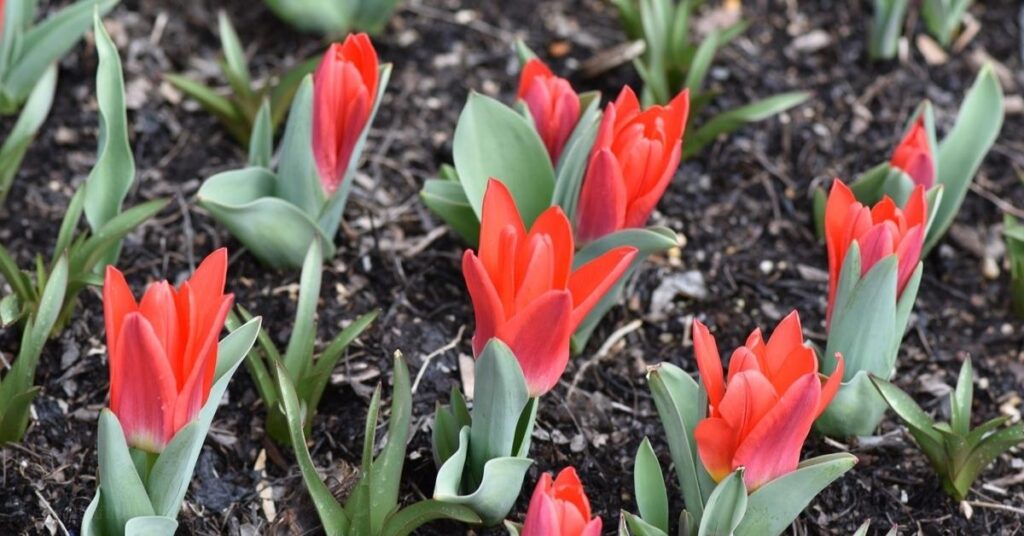
When learning how to plant tulip bulbs, planting depth plays a crucial role in ensuring healthy growth and vibrant spring blooms. Tulip bulbs planted at the right depth are better protected from temperature changes, pests, and moisture problems.
Recommended Planting Depth
The recommended planting depth for tulip bulbs is about 6 to 8 inches deep, measured from the base of the bulb. This depth provides enough insulation during winter and supports strong root development. In colder regions, planting slightly deeper can help protect bulbs from freezing temperatures, while in warmer climates, planting toward the shallower end of this range works well.
Spacing Between Bulbs
Proper spacing is just as important as depth when figuring out how to plant tulip bulbs correctly. Leave 4 to 6 inches of space between each bulb. This spacing allows enough room for roots to grow and ensures bulbs do not compete for nutrients, water, or sunlight once they sprout.
Common Depth Mistakes
One of the most common mistakes gardeners make is planting tulip bulbs too shallow or too close together. Shallow planting can expose bulbs to temperature stress and pests, while overcrowding can lead to weak growth and fewer blooms. By planting bulbs at the correct depth and spacing, you set the stage for a healthy, colorful tulip display in spring.
Remember, healthy bulbs planted properly will reward you with stronger plants and more beautiful flowers year after year.
Tulip Bulb Care After Planting
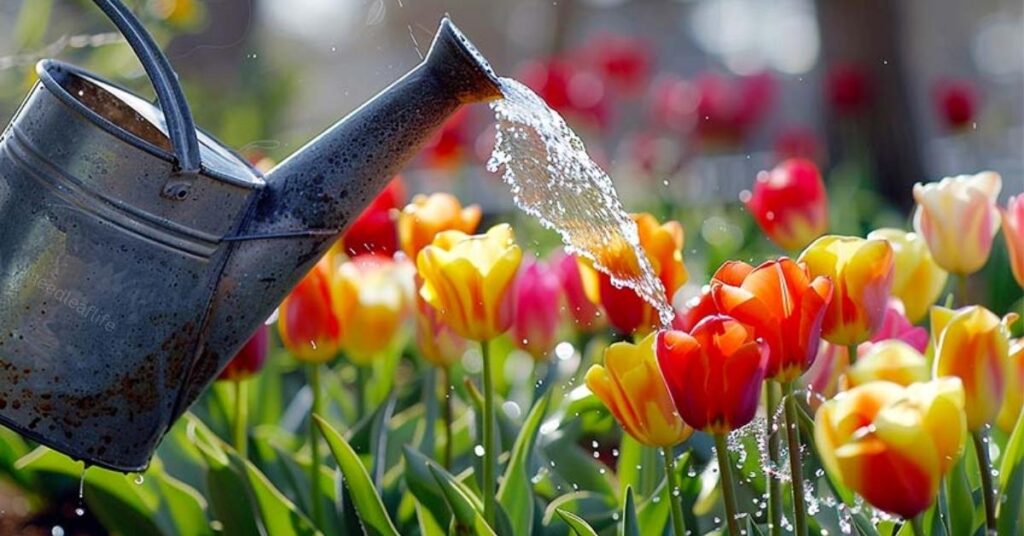
Proper care after planting is just as important as knowing how to plant tulip bulbs. With the right watering, sunlight, and fertilizing routine, your tulips will grow strong and reward you with vibrant blooms in spring.
Watering Schedule
After planting your tulip bulbs, water them immediately to help settle the soil and encourage root development. During the first few weeks, keep the soil lightly moist but never soggy. Once tulip shoots emerge in spring, watering can be reduced to about once a week, depending on rainfall. Tulips prefer well-drained soil, so make sure excess water can escape to prevent bulb rot.
Sunlight Requirements
Tulips grow best in areas that receive full sunlight for at least 6 hours a day. Adequate sunlight helps promote strong stems and brighter blooms. While tulips can tolerate some afternoon shade, too little sunlight may result in weaker plants and fewer flowers.
Fertilizing Tips
Fertilizing helps support healthy growth after planting. Apply a balanced or slow-release fertilizer right after planting to give the bulbs an initial nutrient boost. Many gardeners also apply fertilizer again when tulips begin to grow in early spring. This supports root strength and flower development, ensuring your tulip blooms are healthy, colorful, and long-lasting.
With consistent care and attention, your tulips will thrive and turn your garden into a stunning spring display.
Common Mistakes to Avoid When Planting Tulip Bulbs
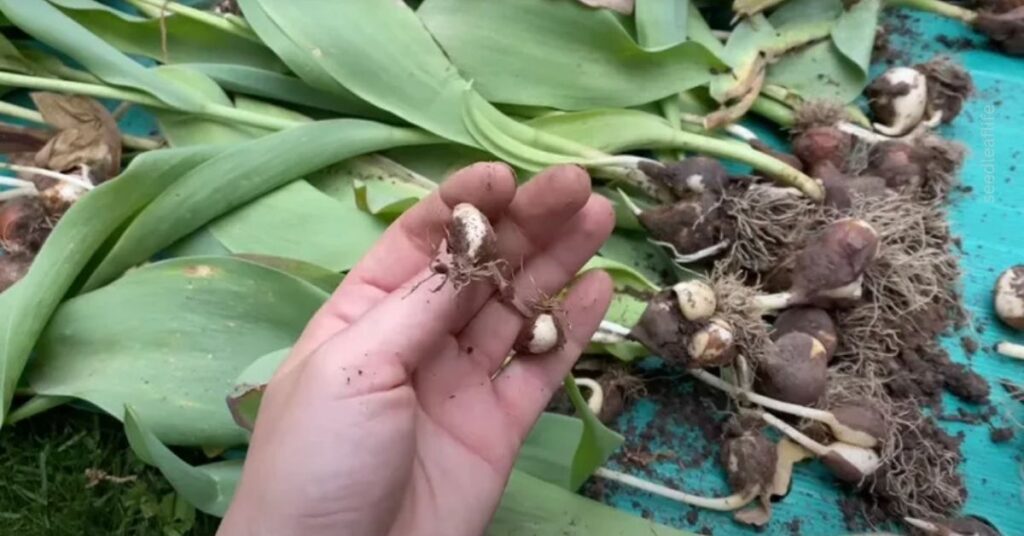
Even when you know how to plant tulip bulbs, small mistakes can affect their growth and blooming potential. Avoiding these common errors will help ensure healthy plants and a beautiful spring display.
Overwatering
Overwatering is one of the most common mistakes gardeners make when planting tulip bulbs. While watering is important at the time of planting, too much moisture can cause bulbs to rot. Instead of soaking the soil, lightly moisten it before and after planting. Once established, tulips prefer drier conditions, especially during winter.
Poor Soil Drainage
Tulip bulbs require well-drained soil to thrive. Poor drainage can trap water around the bulbs, leading to rot and fungal problems. If your soil is heavy or clay-based, improve it by adding sand, compost, or organic matter. Good drainage allows bulbs to access nutrients while preventing excess moisture buildup.
Planting in the Wrong Season
Planting tulip bulbs at the wrong time can result in weak growth or no blooms at all. Tulips should be planted in the fall so they can establish strong roots before winter. Planting too late or during warm weather may prevent proper root development, reducing flowering in spring.
Incorrect Bulb Placement
Proper bulb placement is essential when learning how to plant tulip bulbs correctly. Bulbs should be planted about 6 to 8 inches deep, with the pointed end facing upward. Planting too shallow or placing bulbs upside down can lead to poor growth and fewer flowers.
By avoiding these common mistakes, you’ll greatly increase your chances of growing healthy tulips that bloom beautifully year after year.
How Long Do Tulip Bulbs Take to Grow?

When learning how to plant tulip bulbs, it’s important to understand that tulips require patience. From planting to blooming, tulip bulbs usually take 12 to 16 weeks to complete their growth cycle. This slow and steady process is what helps produce strong plants and vibrant flowers in spring.
Growth Timeline
After planting tulip bulbs in the fall, they begin developing roots underground before winter arrives. During the cold months, the bulbs remain dormant while strengthening their root system. As temperatures rise toward the end of winter, green shoots start to emerge from the soil, signaling active growth.
When Tulips Bloom
Tulips typically bloom between late March and early May, depending on your climate and tulip variety. Warmer regions may see earlier blooms, while colder areas experience flowering later in spring. Proper planting depth, spacing, and care all influence the timing and quality of blooms.
What to Expect During Growth
During early growth, you’ll notice narrow green leaves pushing through the soil. These leaves grow taller over time and help the plant gather energy for flowering. Soon after, buds form and open into colorful tulip flowers. Each stage is a sign that your efforts in learning how to plant tulip bulbs correctly are paying off.
With the right care and a little patience, your tulip bulbs will reward you with a stunning spring display full of color and life.
Can You Grow Tulip Bulbs in Pots at Home?
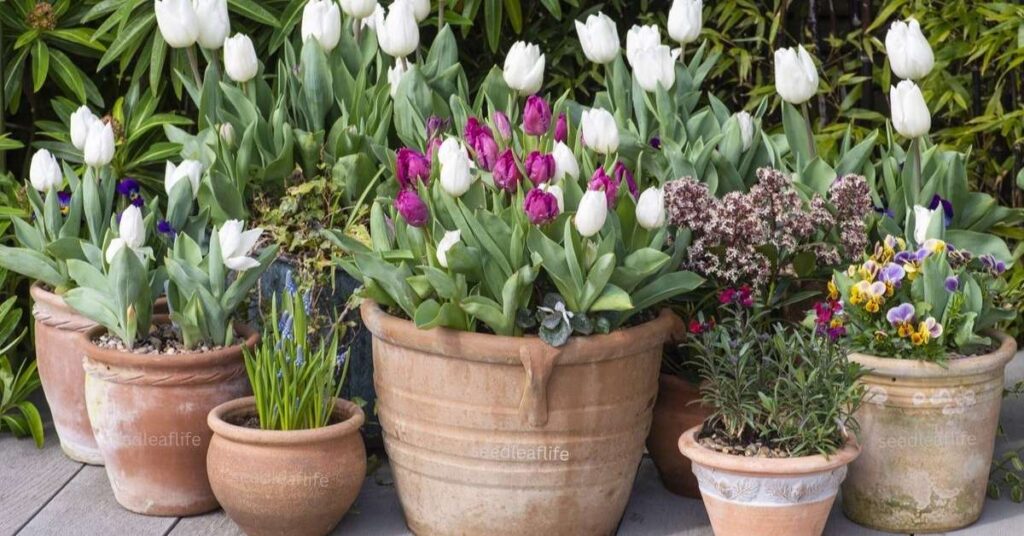
Yes, tulip bulbs can be successfully grown in pots at home, making them a great choice for balconies, patios, and indoor spaces. When you understand how to plant tulip bulbs in containers, you can enjoy beautiful spring blooms even without a garden.
Container Size Recommendations
Choosing the right container size is crucial when planting tulip bulbs in pots. A pot that is at least 12 inches deep and wide provides enough space for bulbs to grow without crowding. This allows proper root development and results in healthier plants and stronger blooms. Smaller tulip varieties may grow in slightly smaller pots, but larger containers generally lead to better results because they hold more soil and nutrients.
Indoor Care Tips
Indoor tulips need plenty of light to thrive. Place your pots in a bright, sunny spot where they can receive several hours of sunlight each day. Water the bulbs gently, keeping the soil moist but never soggy. Consistent care, along with proper temperature and light, plays a big role in how well tulip bulbs grow indoors.
Drainage Importance
Good drainage is essential when learning how to plant tulip bulbs in pots. Containers must have drainage holes at the bottom to allow excess water to escape. Without proper drainage, water can collect around the bulbs and cause rot. Using a well-draining potting mix further helps protect the bulbs and keeps them healthy throughout their growth and blooming period.
With the right container, proper care, and good drainage, growing tulip bulbs in pots at home can be a rewarding and beautiful experience.
Benefits of Growing Tulips at Home
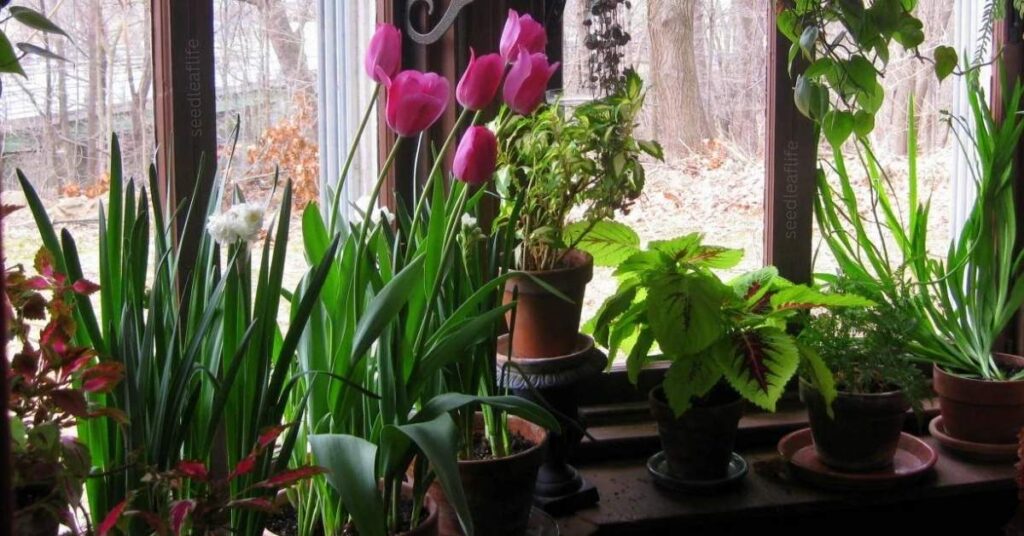
Growing tulips at home offers more than just beautiful flowers — it brings color, calm, and convenience into your daily life. When you learn how to plant tulip bulbs properly, you unlock several benefits that make tulips a favorite choice for home gardeners.
Home Decoration
Tulips are one of the best flowers for home decoration. Their vibrant colors and elegant shapes instantly enhance the look of gardens, balconies, patios, and even indoor spaces like windowsills. By understanding how to plant tulip bulbs, you can design your own seasonal floral display that reflects your personal style. A few blooming tulips can completely transform the atmosphere of your home.
Stress Relief
Gardening has proven mental health benefits, and growing tulips is no exception. Caring for tulip bulbs encourages mindfulness and helps you stay connected with nature. The simple routine of watering, observing growth, and waiting for blooms can significantly reduce stress and anxiety. Watching tulips grow from bulbs into colorful flowers brings a sense of calm and satisfaction that few hobbies can match.
Easy Maintenance
One of the biggest advantages of tulips is their low maintenance nature. Once you know how to plant tulip bulbs correctly, they require very little ongoing care. With proper soil, sunlight, and occasional watering, tulips grow effortlessly. This makes them an excellent choice for beginners and busy gardeners who want beautiful results without constant effort.
Overall, growing tulips at home is a rewarding experience that combines beauty, relaxation, and simplicity — making them a perfect addition to any living space.
Frequently Asked Questions
1. How do I choose the right tulip bulbs?
When learning how to plant tulip bulbs, always choose bulbs that are firm, healthy, and free from mold or soft spots. Larger bulbs usually produce stronger plants and bigger flowers.
2. When is the best time to plant tulip bulbs?
The best time to plant tulip bulbs is in the fall, about 6 to 8 weeks before the ground freezes. This allows the bulbs to develop strong roots before winter.
3. Do tulip bulbs need full sun?
Yes, tulip bulbs grow best in full sun. Choose a location that receives at least 6 hours of sunlight daily for healthy growth and vibrant blooms.
4. Can tulips grow in warm climates?
Tulips prefer cooler climates, but they can grow in warmer regions with proper care. Select heat-tolerant varieties and provide some afternoon shade during very hot weather.
5. How deep should I plant tulip bulbs?
To plant tulip bulbs correctly, dig holes about 6 to 8 inches deep and place the bulbs with the pointed end facing upward. Proper depth helps protect bulbs and supports strong growth.
6. How often should I water tulip bulbs?
Water tulip bulbs well right after planting. After that, water only when the soil feels dry. Overwatering can cause bulbs to rot, so good drainage is essential.
7. What should I do after tulips bloom?
After tulips bloom, remove the faded flowers but allow the leaves to die back naturally. This helps the bulbs store energy for next year’s blooms.
8. Can you grow tulip bulbs in pots at home?
Yes, you can grow tulip bulbs in pots at home. Use containers with drainage holes, well-draining soil, and place them in a sunny spot for best results.
Conclusion
In summary, planting tulips is an enjoyable process that can bring vibrant colors to your garden. If you’re wondering how to plant tulip bulbs, following the right steps can help you enjoy a vibrant and low-maintenance spring garden. By choosing the right bulbs, preparing your soil, and planting at the right time, you can create a beautiful display come spring.
Plus, after the initial planting, there’s little maintenance involved, making it perfect for both beginner and experienced gardeners. We encourage you to give it a try and watch as your efforts bloom into something truly special. So grab some tulip bulbs and start planting today-you’ll be delighted with the results!