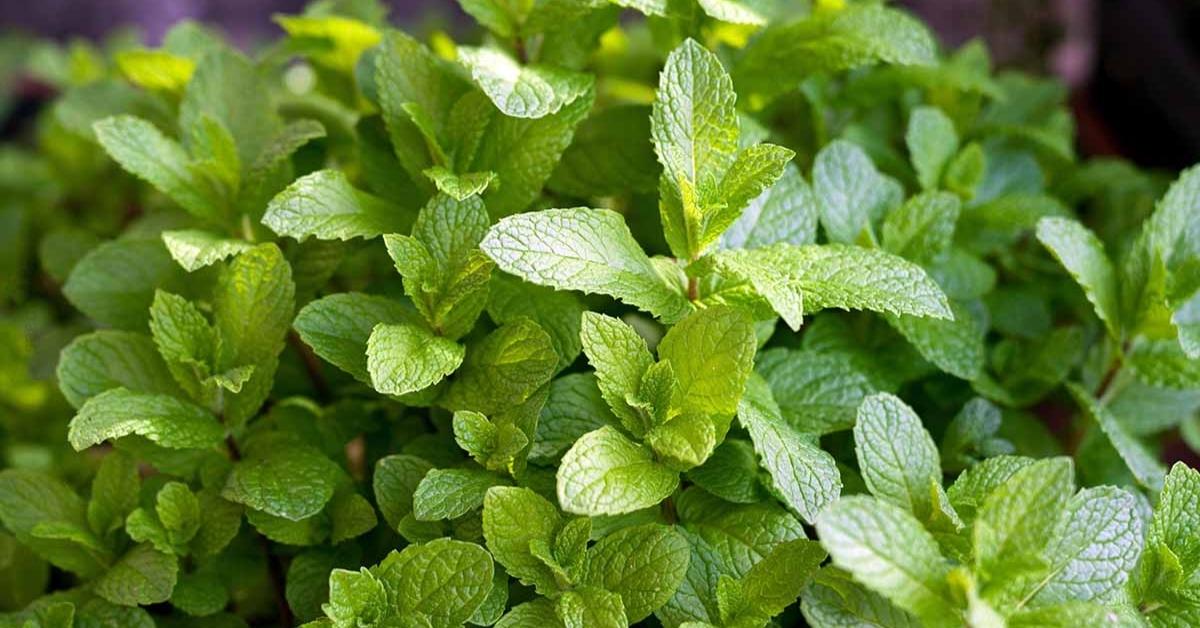
Are you ready to bring the refreshing taste of mint into your home? Mint planting seeds not only promise a burst of flavor but also the joy of nurturing a plant that thrives for an impressive 3–5 years. In this article, we’ll explore why growing mint is a rewarding endeavor, providing you with tips and insights to ensure your mint plants flourish. You’ll soon find that home gardening can transform your kitchen and your cooking! For example, learn how to grow herbs like cilantro at home by checking out this guide on planting cilantro seeds.
What Are Mint Planting Seeds?
Mint planting seeds are the tiny powerhouses that can sprout into lush, aromatic plants, ready to add flavor to your dishes or freshness to your garden. There are various types of mint, including spearmint, known for its sweet taste, and peppermint, with its unmistakable cooling effect. Each variety brings a unique aroma and flavor, making them favorites in kitchens and herbal remedies alike.
Types of Mint
- Spearmint – Known for its sweet and mild flavor.
- Peppermint – Has a strong, cooling effect and distinct aroma.
- Other varieties – There are many types of mint seeds available, each with unique characteristics suitable for culinary or medicinal use.
Key Benefits of Planting Mint
Mint planting seeds offers several benefits. Firstly, growing from these seeds allows you to explore different mint varieties that you might not find at your local nursery. Additionally, seeds can produce plants that are more robust and resilient when cared for properly.
Advantages Over Cuttings or Seedlings
Unlike cuttings or seedlings, which can sometimes carry pests or diseases, seeds offer a fresh start. While cuttings are limited to the parent plant’s characteristics, seeds open up a world of genetic possibilities, resulting in diverse and vibrant mint plants.
- Fresh start free from pests
- Wider variety of plants
- Potentially more resilient growth
So, if you’re ready to enjoy the fresh scent of mint in your home or garden, consider starting with mint planting seeds!
Lifespan of Mint Plants
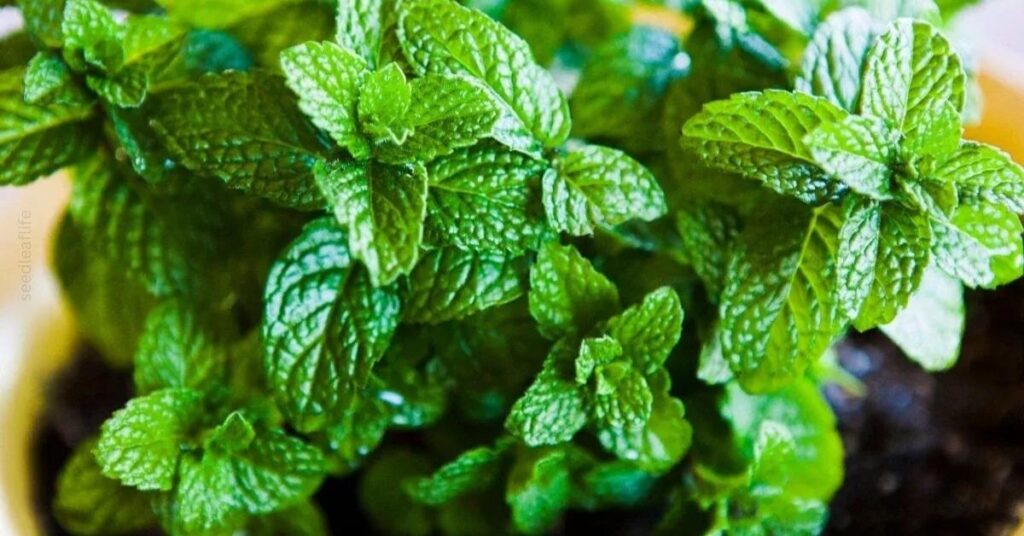
Mint plants typically have an average lifespan of 3 to 5 years, but with the right care, they can thrive even longer!
Average Lifespan
- 3–5 years under normal conditions.
Factors Affecting Longevity
- Sunlight – Mint loves bright, indirect light but can scorch in harsh, direct sun.
- Watering – Too little water can cause the plant to wilt, while overwatering may lead to root rot.
- Soil Quality – Rich, well-draining soil supports healthy, vigorous growth.
How to Extend the Lifespan of Your Mint Plants
To extend the lifespan of your mint plants, try regularly pruning them to promote bushier growth and prevent overcrowding. Fertilizing during the growing season can also give them an extra boost, helping to keep their leaves lush and flavorful.
When planting mint planting seeds, ensure you’re using a container or a designated area to keep their vigorous growth in check. By paying attention to these factors, you can enjoy your mint plants for years to come, enriching your garden and your kitchen with their vibrant flavors!
Best Time to Plant Mint Worldwide
The timing for planting mint depends on the region and climate. Below is a simple table showing the ideal planting months and reasons for each region.
Mint Planting Calendar
| Region / Climate | Ideal Planting Months | Reason / Notes |
| Temperate Regions (US, Europe, parts of Asia) | March – May | After the last frost, soil warms up, and there is enough sunlight for strong growth |
| Tropical Regions (India, Southeast Asia) | June – September | Start in early rainy season for moist soil; avoid extreme heat |
| Subtropical Regions (Mediterranean, Southern US) | October – November | Cooler months prevent heat stress; soil is still warm enough for germination |
| Indoor / Controlled Environment | Anytime | With bright indirect light and consistent watering, mint grows year-round |
| Cold / Frost-Prone Areas | Late winter indoors, transplant in spring | Start seeds indoors to protect from frost, then move outside after the last frost |
How to Plant Mint Seeds for Best Growth
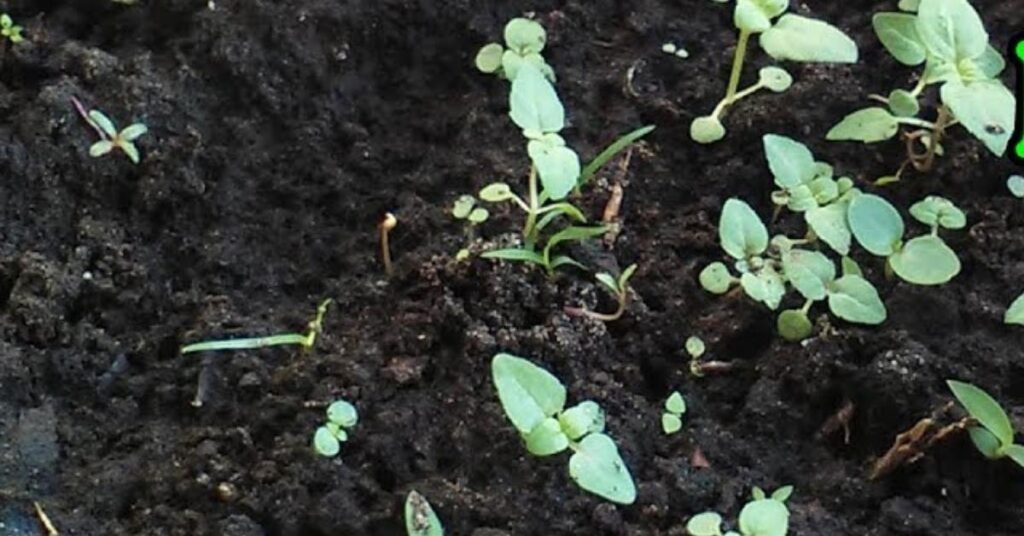
Mint planting seeds are easy to grow if you follow the right steps. Below is a step-by-step guide to help your mint thrive.
Choosing the Right Soil and Containers
- Mint loves rich, well-draining soil with plenty of organic matter.
- Use a mix of potting soil and compost for best results.
- Choose pots at least 6–8 inches deep to accommodate mint’s spreading roots.
- Larger containers help contain the plant and keep it healthy.
Planting Depth and Spacing
- Plant mint seeds about 1/4 inch deep so they get enough light but are still nestled in the soil.
- If sowing multiple seeds, keep them about 12 inches apart to allow room for growth.
Germination Time and Ideal Temperature
- Mint seeds usually germinate in 7–14 days, depending on conditions.
- Maintain soil temperature between 65°F and 70°F (18–21°C) for faster sprouting.
- Keep soil consistently moist but avoid overwatering, which can cause seeds to rot.
Care Tips for Mint Plants
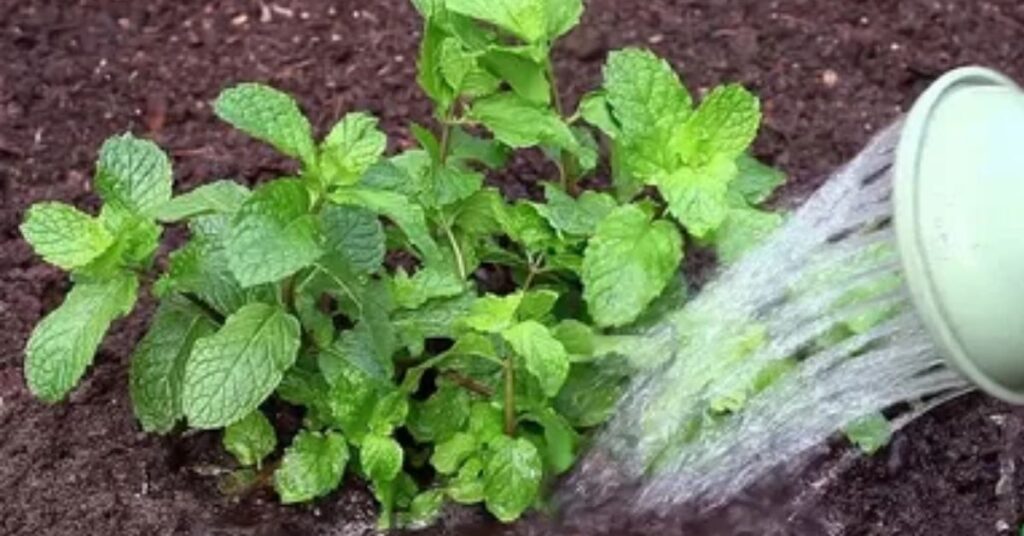
Taking proper care of your mint plants ensures they stay healthy, vibrant, and flavorful.
Watering Schedule
- Keep the soil consistently moist, but not soggy.
- Water when the top inch of soil feels dry.
- During hot summer days, water more frequently.
- Drooping leaves are a sign your mint needs water.
Sunlight Requirements
- Mint prefers bright, indirect light.
- Outdoors, aim for dappled sunlight, especially in hot afternoons.
- Avoid too much direct sun, which can scorch the leaves.
Fertilizer and Nutrients
- Use a balanced fertilizer once a month to boost growth and flavor.
- Do not over-fertilize; mint is not a heavy feeder.
Pruning and Harvesting Tips
- Regularly snip off the tops of branches to encourage bushier growth.
- Start harvesting a few leaves a few weeks after planting.
- The more you harvest, the more your mint will grow!
Mini Care Summary Table
| Care Aspect | Recommendation |
| Watering | Keep soil moist, water when top inch is dry |
| Sunlight | Bright, indirect or dappled sunlight |
| Fertilizer | Balanced fertilizer once a month |
| Pruning | Trim tops regularly to encourage bushiness |
| Harvesting | Start after a few weeks, frequent harvesting encourages growth |
Common Problems & Solutions for Mint Plants
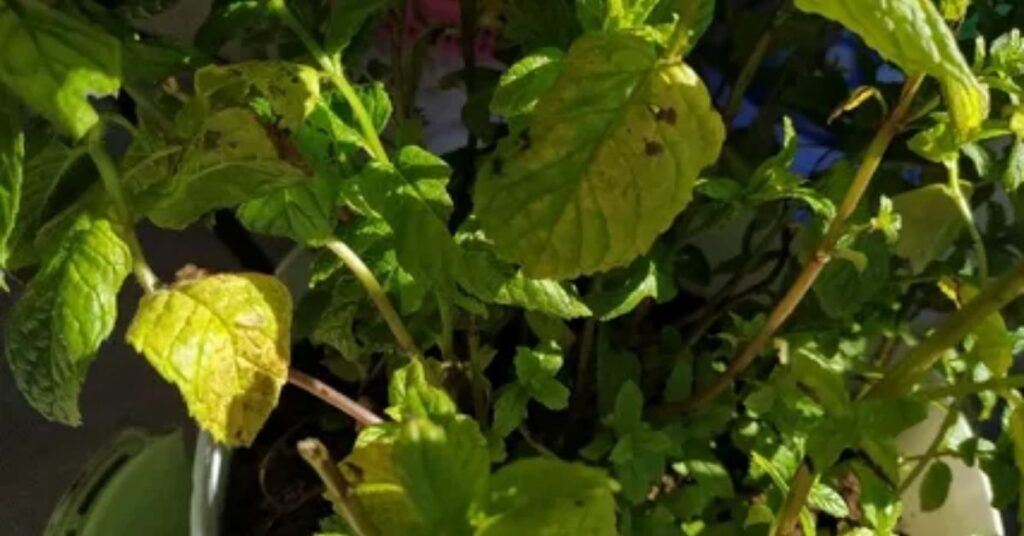
Mint is a delightful and aromatic herb, but even the best mint planting seeds can face challenges. Knowing the common problems and simple ways to solve them will help your mint plants grow healthy, vibrant, and full of flavor.
Pests and Diseases Affecting Mint
- Aphids and spider mites love to munch on mint leaves.
- Signs include sticky residue or webbing on the plant.
- Solutions:
- Regularly check your plants for pests.
- Rinse gently with water to wash pests away.
- Use insecticidal soap if infestations persist.
Overwatering or Yellowing Leaves
- Yellow leaves often indicate too much water.
- Mint prefers well-drained soil; allow the soil to dry slightly between waterings.
- Ensure your container or garden bed drains properly to avoid root rot.
How to Prevent Common Issues
- Keep good air circulation around plants to reduce disease risk.
- Avoid overcrowding—mint spreads quickly, so give each plant space.
- Monitor soil moisture and sunlight exposure regularly.
Harvesting and Usage of Mint
When and How to Harvest Mint
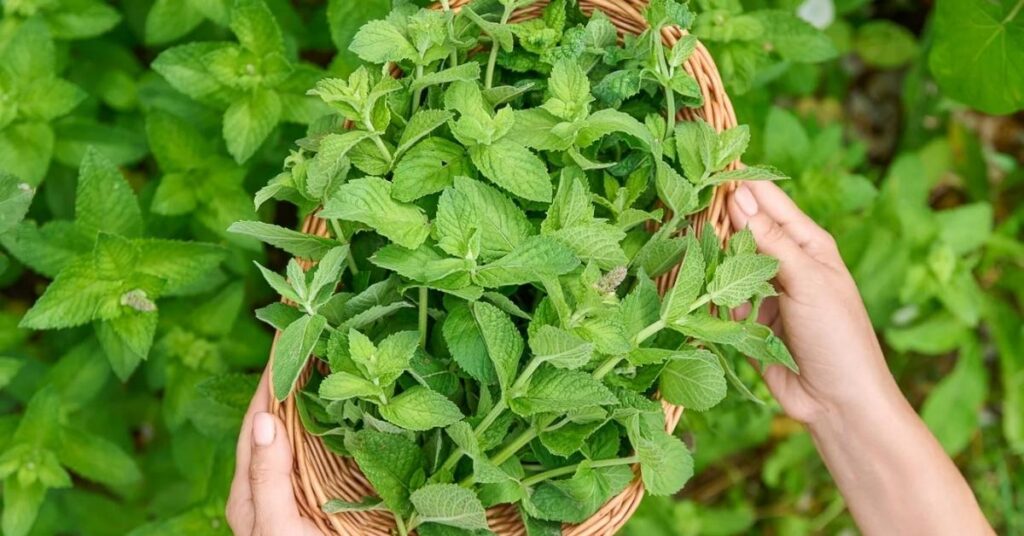
When it comes to harvesting mint, timing is key. The best time to cut your mint is just before it flowers, typically in late spring or early summer. Use sharp scissors to snip off the tops of the stems, leaving a few inches so the plant can keep growing. This not only keeps your mint thriving but also encourages bushier growth. You can keep harvesting throughout the summer as long as you leave enough of the plant behind.
Storing Fresh Mint
Once you have your fresh mint, storing it properly is essential. To keep it fresh longer, place the stems in a glass of water, like a bouquet, and cover the leaves loosely with a plastic bag. Alternatively, you can wrap the leaves in a damp paper towel and put them in the fridge. For longer storage, consider drying the leaves. Simply hang them upside down in a cool, dry space.
Culinary, Medicinal, and Decorative Uses
Mint is incredibly versatile. In the kitchen, it brightens salads, cocktails, and desserts with its fresh flavor. It also has medicinal uses, such as easing digestive issues or soothing headaches. Plus, it makes a gorgeous garnish for any dish. Even if you’re just enjoying a cup of mint tea, that simple moment can bring a delightful touch to your day.
So whether you’re starting with mint planting seeds or enjoying store-bought mint, there are endless ways to use this amazing herb!
Conclusion
In conclusion, planting mint is a delightful journey that everyone can enjoy. By following simple steps for planting, taking care of your mint, and understanding its lifespan, you can have a thriving herb in your garden. Mint is not just easy to grow; it adds fresh flavor to your meals and drinks too! So why not get started? Grab some mint planting seeds and begin your mint adventure today. Happy gardening!
Leave a Reply
You must be logged in to post a comment.