
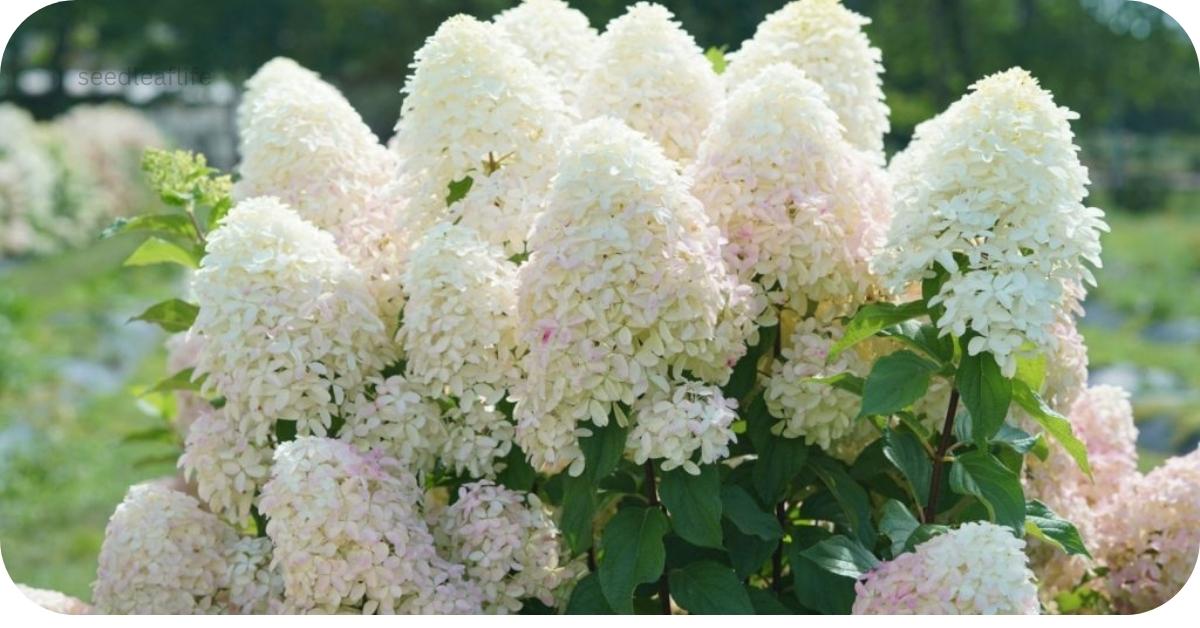
Panicle hydrangeas are among the most reliable and low-maintenance flowering plants for home gardens. When trained into a tree form, they become a stunning focal point that offers elegant blooms, seasonal color changes, and year-round structure.
This comprehensive guide will walk you through everything you need to know about Panicle Hydrangea Tree care—from planting and watering to pruning, fertilizing, and troubleshooting—so you can enjoy long-lasting flowers year after year.
What Is a Panicle Hydrangea Tree?
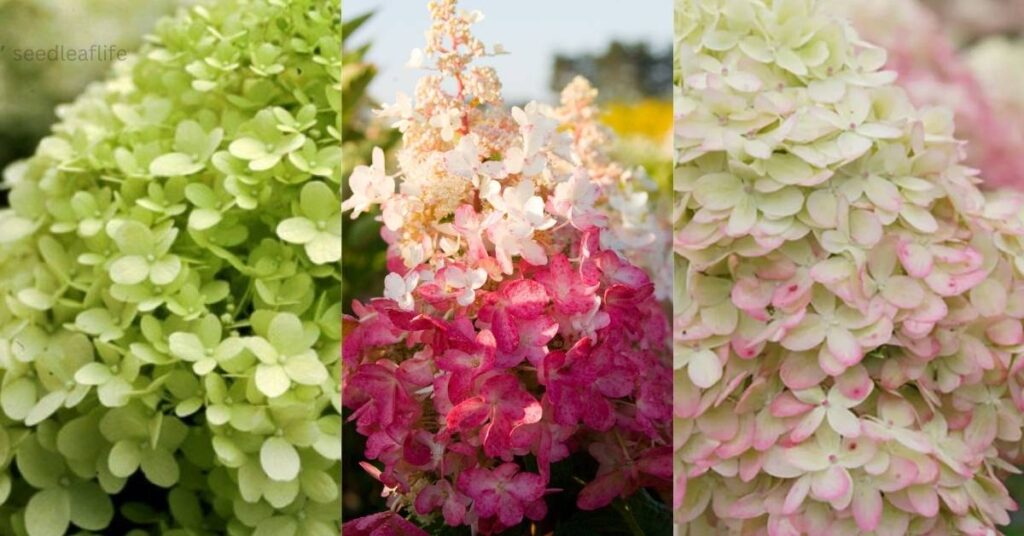
A Panicle Hydrangea Tree is a hydrangea (Hydrangea paniculata) that has been trained into a single-trunk, tree-like form instead of the traditional shrub shape. Popular varieties include:
- Limelight Hydrangea Tree.
- Little Lime Tree.
- Pinky Winky Tree.
- Vanilla Strawberry Tree.
- Quick Fire Hydrangea Tree.
These trees are loved for their cone-shaped flower clusters (called panicles) that bloom from mid-summer through fall. Unlike big leaf hydrangeas, panicle hydrangeas bloom on new wood, making them more forgiving and easier to care for. Gardeners who enjoy vibrant flowering plants may also find our guide on how to plant zinnia seeds for gorgeous flowers very helpful.
Why Choose a Panicle Hydrangea Tree?
There are many reasons gardeners prefer the Panicle Hydrangea Tree over other flowering trees or shrubs:
- Extremely cold hardy (zones 3–8)
- Tolerates full sun better than most hydrangeas.
- Blooms reliably every year.
- Long-lasting flowers that change color over time.
- Easy pruning and maintenance.
- Resistant to many common pests and diseases.
Whether you have a small garden, patio, or large landscape, a panicle hydrangea tree adds beauty and elegance with minimal effort.
Best Location for Planting a Panicle Hydrangea Tree
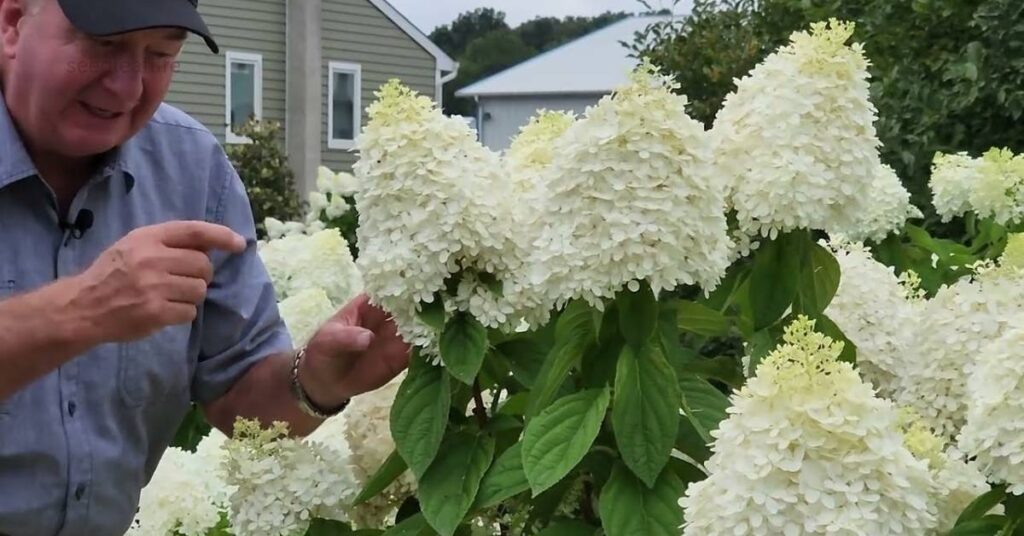
Choosing the right spot is the first step toward healthy growth and abundant blooms.
Sunlight Requirements
A panicle hydrangea tree performs best in:
- Full sun (6–8 hours daily) in cooler climates.
- Morning sun and afternoon shade in hot regions.
More sunlight generally results in stronger stems and better flowering.
Soil Conditions
- Well-draining soil is essential.
- Prefers slightly acidic to neutral soil (pH 5.5–7.0)
- Enrich soil with organic matter like compost.
Avoid waterlogged areas, as soggy soil can cause root rot.
How to Plant a Panicle Hydrangea Tree
Proper planting ensures long-term success.
Step-by-Step Planting Guide
- Dig a hole twice as wide and just as deep as the root ball.
- Gently loosen the roots if they are compacted.
- Place the tree so the root flare sits at soil level.
- Backfill with native soil mixed with compost.
- Water deeply after planting.
- Apply 2–3 inches of mulch around the base.
Keep mulch a few inches away from the trunk to prevent rot.
Watering Needs of a Panicle Hydrangea Tree

Consistent watering is crucial, especially during the first two years.
Watering Tips
- Water deeply 1–2 times per week.
- Increase watering during hot or dry periods.
- Newly planted trees need more frequent watering.
- Avoid shallow, frequent watering.
A well-watered panicle hydrangea tree produces larger and longer-lasting blooms.
Fertilizing for Healthy Growth and Blooms
Panicle hydrangeas are not heavy feeders, but proper fertilization helps maintain vigor.
Best Fertilizer Options
- Balanced slow-release fertilizer (10-10-10 or 12-12-12)
- Compost or well-rotted manure.
- Organic flowering shrub fertilizer.
When to Fertilize
- Early spring before new growth begins.
- Avoid fertilizing late in the season.
Too much fertilizer can lead to lush foliage but fewer flowers.
Pruning a Panicle Hydrangea Tree
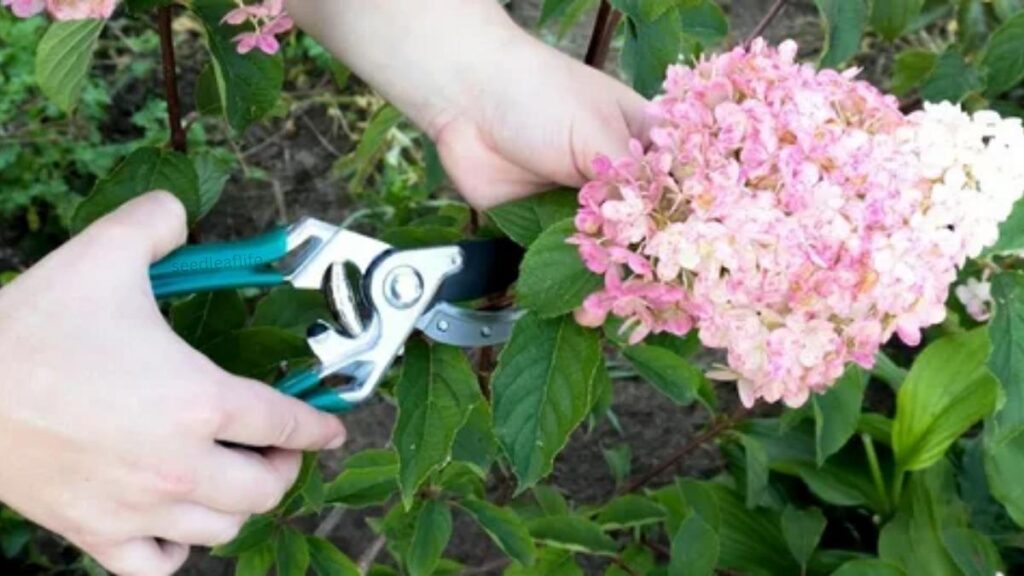
Pruning is one of the biggest advantages of the panicle hydrangea tree.
When to Prune
- Late winter to early spring.
- Before new growth starts.
How to Prune
- Remove dead, damaged, or crossing branches.
- Cut back last year’s growth by one-third.
- Maintain a strong central trunk.
- Shape the canopy evenly.
Because panicle hydrangeas bloom on new wood, pruning actually encourages more flowers.
How to Get Long-Lasting Flowers
If your goal is long-lasting, show-stopping blooms, follow these expert tips:
- Plant in adequate sunlight.
- Water consistently.
- Prune annually.
- Avoid excessive nitrogen fertilizer.
- Protect from strong winds.
Flower color often starts white or green, then changes to pink, red, or burgundy as the season progresses—adding months of interest.
Seasonal Care Guide
Spring Care
- Prune before new growth.
- Fertilize lightly.
- Refresh mulch.
Summer Care
- Water deeply.
- Monitor for heat stress.
- Enjoy peak blooming season.
Fall Care
- Reduce watering as temperatures drop.
- Do not prune in fall.
- Leave dried flowers for winter interest.
Winter Care
- Extremely cold hardy.
- Mulch base for root protection.
- No wrapping required in most climates.
Common Problems and Solutions
No Flowers
Possible causes:
- Too much shade.
- Over-fertilizing.
- Incorrect pruning time.
Wilting Leaves
- Lack of water.
- Extreme heat.
- Poor soil drainage.
Weak Branches
- Insufficient sunlight.
- Overly heavy blooms (normal in some varieties)
Staking young trees can help until the trunk strengthens.
Pests and Diseases
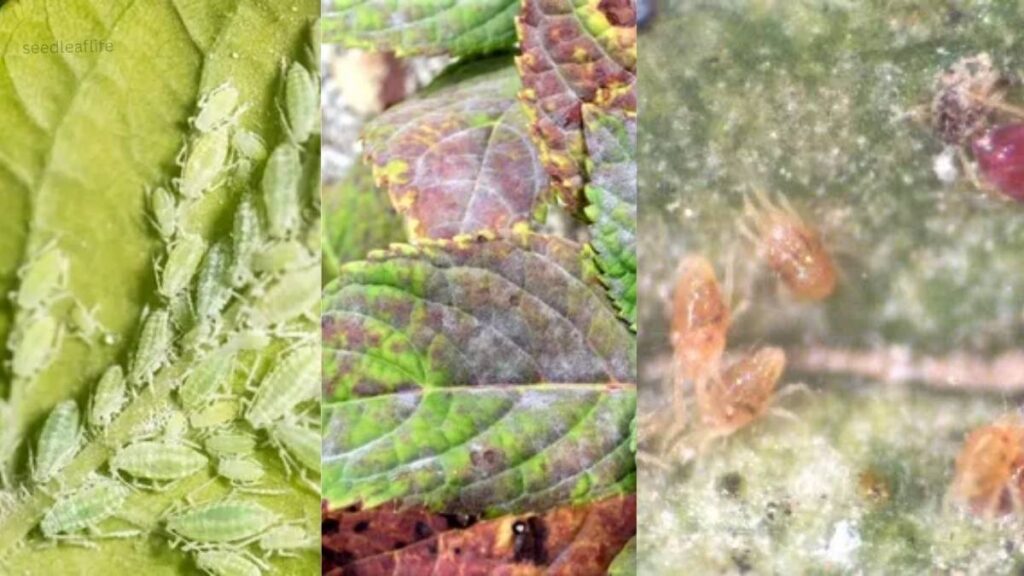
The panicle hydrangea tree is relatively pest-resistant, but occasional issues may include:
- Aphids.
- Spider mites.
- Powdery mildew (rare).
Solutions:
- Hose off pests with water.
- Use neem oil if needed.
- Improve air circulation.
Container Growing a Panicle Hydrangea Tree
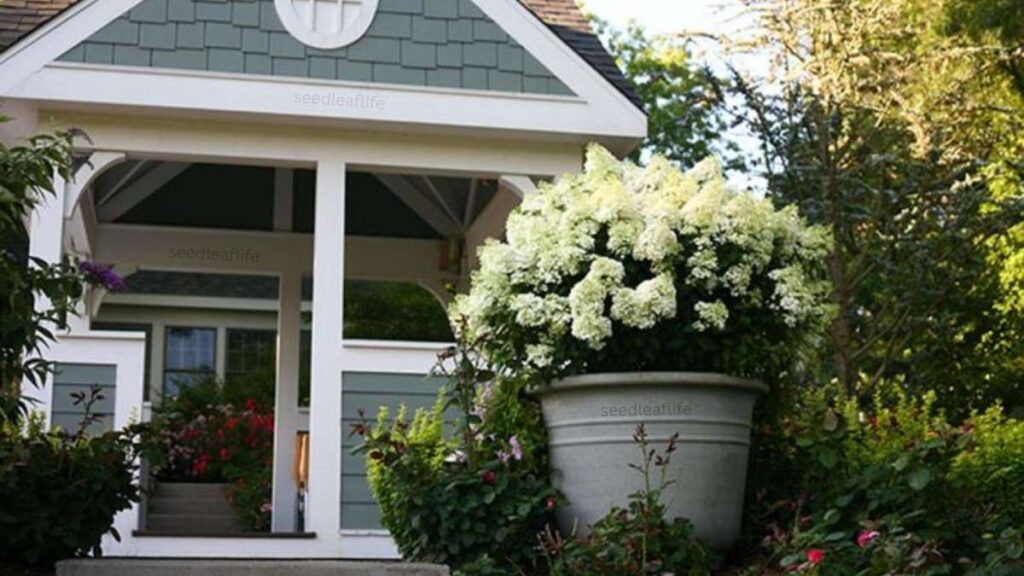
Yes, you can grow a panicle hydrangea tree in a large container.
Container Tips
- Use a large, heavy pot.
- Ensure good drainage.
- Water more frequently.
- Protect roots in winter.
Container-grown trees are perfect for patios, balconies, and entryways.
Landscaping Ideas Using Panicle Hydrangea Trees
- As a focal point in front yards.
- Lining driveways or walkways.
- Accent tree for patios.
- Paired with evergreen shrubs.
- Mixed with perennials for layered borders.
Their upright form makes them extremely versatile in landscape design.
Frequently Asked Questions (FAQs)
Q: How tall does a Panicle Hydrangea Tree grow?
Most varieties grow 8–15 feet tall, depending on pruning and cultivar.
Q: How long do the flowers last?
Blooms can last from mid-summer through fall—often 3–4 months.
Q: Can I grow it in full sun?
Yes, panicle hydrangeas tolerate full sun better than other hydrangeas.
Q: Do deer eat Panicle Hydrangea Trees?
They are moderately deer-resistant but not deer-proof.
Final Thoughts
The panicle hydrangea tree is an excellent choice for gardeners who want dramatic, long-lasting flowers without complicated care. With proper planting, regular watering, annual pruning, and a sunny location, this beautiful tree will reward you with stunning blooms year after year.
Whether you are a beginner or an experienced gardener, following these easy care tips will ensure your panicle hydrangea tree remains healthy, vibrant, and full of flowers for many seasons to come.
Leave a Reply
You must be logged in to post a comment.