
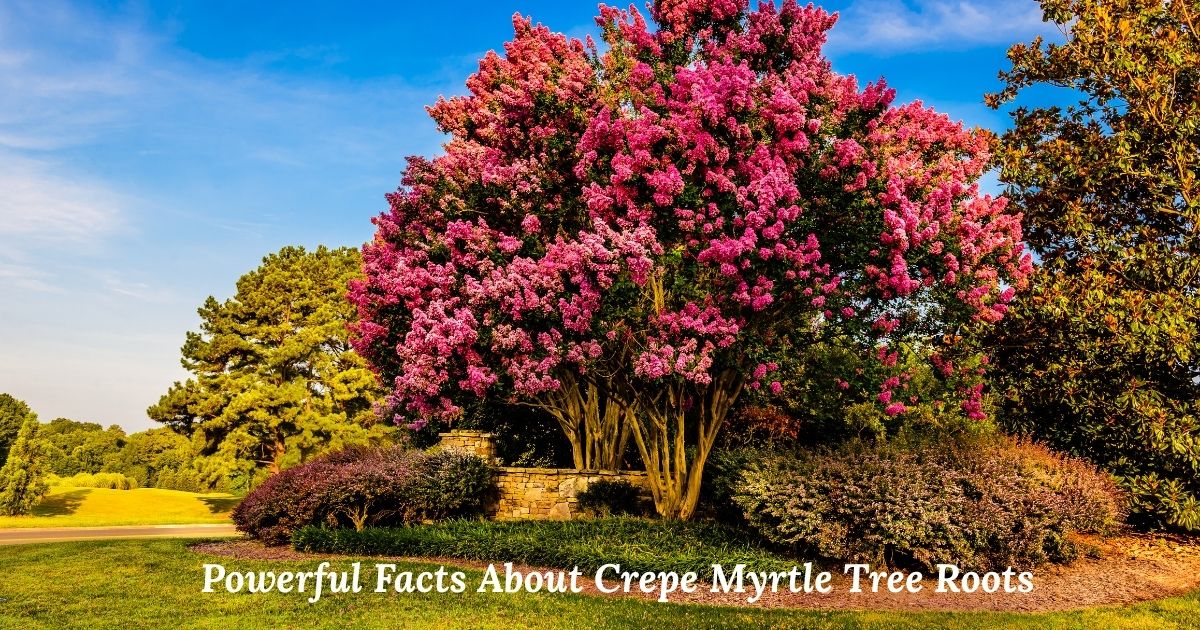
Crepe Myrtle trees are among the most popular ornamental trees in landscapes across warm and temperate regions. Known for their vibrant summer blooms, colorful bark, and low-maintenance nature, Crepe Myrtle Tree provide a strong foundation that supports the tree’s beauty and longevity.
These trees add aesthetic appeal and value to residential and commercial properties alike. In reality, Crepe Myrtle trees roots behave quite differently from highly invasive tree species.
While they spread outward in search of water and nutrients, they typically remain manageable and pose minimal risks when planted correctly.
Learning about their growth habits, seasonal behavior, and maintenance requirements can prevent future problems and ensure healthy tree development.
Understanding the Crepe Myrtle Root System
One of the most important things to know about Crepe Myrtle trees is that their roots are relatively shallow compared to many larger tree species. Rather than developing a deep taproot system, Crepe Myrtles create a network of fibrous roots that spread horizontally through the upper layers of soil.
Most Crepe Myrtle roots are concentrated within the top 12 to 24 inches of soil, where moisture, oxygen, and nutrients are most readily available. This growth pattern allows the tree to efficiently absorb resources and adapt to varying soil conditions.
The root spread often extends well beyond the canopy of the tree. As the tree matures, roots can spread two to three times wider than the drip line. While this extensive network may sound concerning, the roots are generally thin and non-aggressive.
Soil Type
Loose, well-draining soils encourage healthy root expansion. Compact clay soils may restrict growth and force roots closer to the surface.
Water Availability
Roots naturally grow toward areas where moisture is consistently available. Regular irrigation patterns can influence root direction and density.
Tree Age
Young Crepe Myrtles establish roots rapidly during their first few years. Mature trees continue expanding their root systems, although growth slows over time.
Read More : Weeping Willow Lifespan: Care Tips & Problems for 50+ Years
Climate Conditions
Warm climates promote longer growing seasons, allowing roots to remain active for more months throughout the year.
Understanding these characteristics helps homeowners appreciate why proper planting location is essential for long-term success.
Are Crepe Myrtle Roots Invasive?
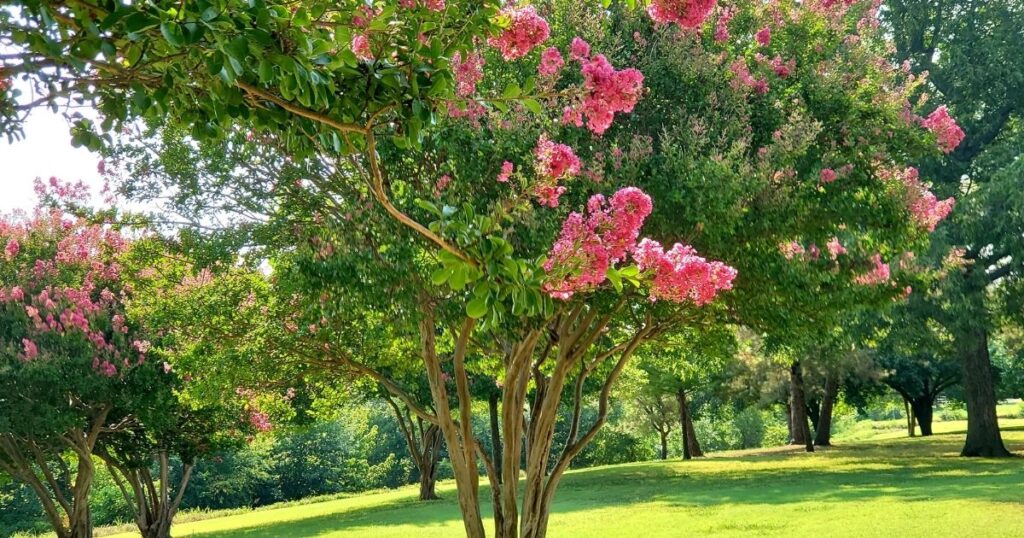
One of the most frequently asked questions about these ornamental trees is whether their roots are invasive.
Crepe Myrtle tree roots are generally not considered invasive. Unlike species such as willow, silver maple, poplar, or certain ficus trees, Crepe Myrtle roots lack the aggressive growth patterns that typically cause structural damage.
Fibrous Root Structure
Crepe myrtle tree roots are fibrous rather than large and woody. They spread efficiently through soil without exerting excessive pressure on surrounding structures.
Limited Root Thickness
Even mature roots usually remain relatively small compared to the roots of larger shade trees.
Moderate Growth Rate
The root system grows steadily but not aggressively, reducing the risk of sudden expansion into unwanted areas.
Low Attraction to Pipes
Healthy underground pipes generally do not attract Crepe Myrtle roots. Roots only tend to enter existing cracks or leaks where moisture is present.
Despite these positive traits, no tree root system is entirely risk-free. If planted too close to foundations, driveways, or underground utilities, roots may eventually contribute to minor issues over many years.
However, compared to truly invasive species, Crepe Myrtle roots are among the safer options for residential landscaping.
Can Crepe Myrtle Roots Cause Damage?
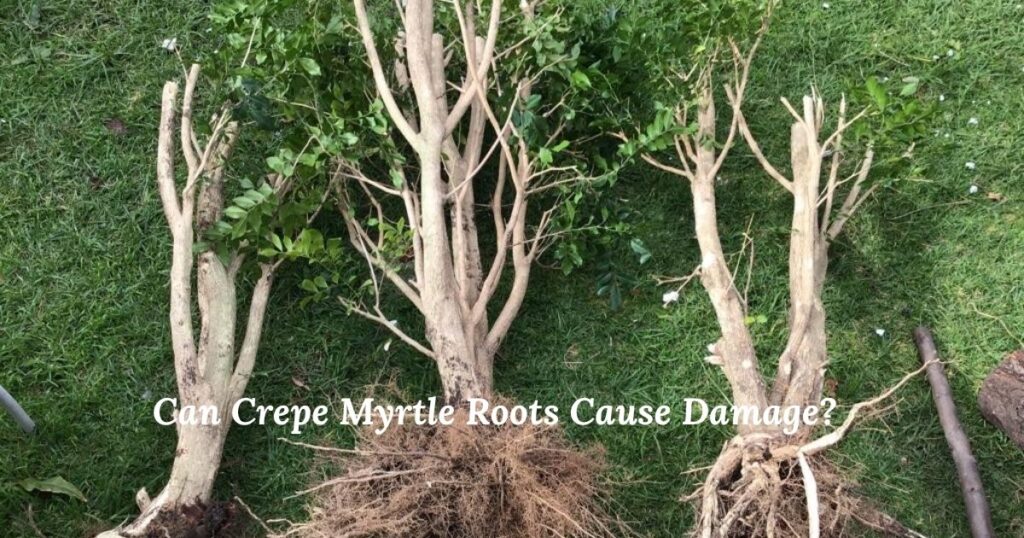
Although Crepe Myrtle tree roots are not invasive, they can occasionally cause problems under certain conditions.
Understanding these possibilities helps homeowners avoid unnecessary risks.
Sidewalk and Pavement Lifting
Shallow roots growing near paved surfaces may gradually create uneven areas in sidewalks, patios, or pathways. This is more likely when:
- Trees are planted too close to hard surfaces.
- Soil conditions encourage surface root growth.
- Pavement is thin or poorly constructed.
Fortunately, the damage is usually minor compared to larger tree species.
Foundation Concerns
Many homeowners worry about roots damaging home foundations.
In most cases, Crepe Myrtle tree roots do not possess enough strength to crack a properly built concrete foundation. However, roots may exploit existing cracks if moisture is present.
Maintaining an adequate planting distance significantly reduces this risk.
Underground Utility Interference
Roots naturally seek moisture sources. If underground water or sewer lines have leaks, roots may grow toward them.
This issue is not unique to Crepe Myrtles and can occur with many plant species. Healthy, sealed pipes rarely experience root intrusion.
Competition With Nearby Plants
A mature root system can compete with lawns, flowers, and shrubs for water and nutrients.
Gardeners sometimes notice:
- Reduced lawn growth under the canopy
- Increased soil dryness
- Competition for fertilizer resources
Proper irrigation and mulching usually minimize these effects.
Drainage Disruption
In rare cases, extensive root growth near drainage systems may alter water flow patterns, especially in compact soils.
Overall, significant damage from Crepe Myrtle tree roots is uncommon and usually linked to poor planting choices rather than the tree itself.
Removing or Managing Crepe Myrtle Tree Roots
There may be situations where root management becomes necessary.
Whether dealing with unwanted suckers, expanding roots, or complete tree removal, understanding proper techniques is essential.
Root Pruning
Root pruning involves cutting selected roots to control spread or prepare a tree for transplantation.
Benefits include:
- Managing growth direction
- Reducing interference with structures
- Encouraging compact root development
However, excessive pruning can stress the tree and should be performed carefully.
Controlling Root Suckers
Crepe Myrtles frequently produce suckers from roots or the base of the trunk.
To manage suckers:
- Remove them while young.
- Cut as close to the origin as possible.
- Avoid leaving stubs.
- Monitor regularly during the growing season.
Consistent removal discourages regrowth.
Installing Root Barriers
Root barriers can redirect roots away from foundations, sidewalks, and underground utilities.
Modern barriers are made from:
- Heavy-duty plastic
- Composite materials
- Geotextile fabrics
Proper installation requires placing barriers vertically in the soil before root expansion reaches critical areas.
Complete Tree Removal
When removing a Crepe Myrtle, stump and root management are often necessary.
Options include:
- Mechanical stump grinding
- Excavation
- Professional root removal
- Natural decomposition
Stump grinding is usually the most efficient and cost-effective method.
Professional Assessment
If roots appear to threaten structures or utilities, consulting a certified arborist is highly recommended. Professional evaluations help identify solutions while preserving tree health whenever possible.
Seasonal and Growth Factors That Affect Root Behavior

Root activity changes throughout the year, influenced by weather conditions, soil temperature, and overall tree health.
Understanding these seasonal patterns helps homeowners manage their trees more effectively.
Spring Growth
Spring is the most active period for root development.
As soil temperatures rise:
- New feeder roots emerge.
- Nutrient uptake increases.
- Water demand grows significantly.
This is often the best time for fertilization and root establishment.
Summer Activity
During summer, roots continue expanding while supporting flower production and foliage growth.
Adequate watering becomes especially important during:
- Heat waves
- Drought conditions
- Extended dry periods
Insufficient moisture may encourage roots to spread farther in search of water.
Fall Development
Many people assume roots stop growing in fall, but this is not entirely true.
As temperatures moderate:
- Root growth often continues.
- Energy reserves are stored.
- Trees prepare for winter dormancy.
Fall planting frequently allows strong root establishment before the next growing season.
Winter Dormancy
Root activity slows considerably during winter.
In warmer climates, some root growth may continue, while colder regions experience near dormancy.
Winter is often an ideal time for:
- Pruning
- Tree relocation
- Landscape planning
Environmental Stress Factors
Drought
Prolonged drought encourages wider root exploration.
Excess Moisture
Poor drainage can lead to root stress and oxygen deprivation.
Soil Compaction
Compacted soils restrict root expansion and reduce overall tree vigor.
Nutrient Availability
Roots grow toward nutrient-rich zones, influencing distribution patterns.
Monitoring seasonal changes helps maintain healthier root systems and stronger trees.
Planting Tips to Avoid Root Problems
Proper planting is the most effective way to prevent future root-related concerns.
Following best practices ensures healthy growth while minimizing potential conflicts with structures and utilities.
Choose the Right Location
Always consider the mature size of the tree before planting.
Avoid placing Crepe Myrtles too close to:
- House foundations
- Sidewalks
- Driveways
- Retaining walls
- Underground utility lines
A distance of at least 10 to 15 feet from major structures is generally recommended.
Prepare the Soil Properly
Healthy soil promotes balanced root growth.
Before planting:
- Loosen compacted soil.
- Improve drainage if necessary.
- Incorporate organic matter.
- Test soil pH when possible.
Plant at the Correct Depth
One of the most common planting mistakes is burying the root flare.
The root flare should remain visible above ground level to encourage healthy development and reduce disease risks.
Apply Mulch Correctly
Mulching provides numerous benefits:
- Conserves moisture
- Moderates soil temperature
- Reduces weed competition
- Improves soil quality
Apply 2 to 4 inches of mulch while keeping it away from the trunk.
Water Consistently During Establishment
Newly planted trees require regular watering.
Deep watering encourages roots to grow downward and outward rather than remaining concentrated near the surface.
Avoid Excessive Fertilization
Over-fertilization may stimulate excessive top growth while weakening root development.
Balanced nutrition supports healthier root systems and overall tree stability.
Monitor Growth Over Time
Annual inspections allow homeowners to identify issues before they become significant problems.
Look for:
- Surface roots
- Suckers
- Soil heaving
- Drainage changes
Early intervention is always easier than corrective measures later.
Conclusion — Should You Worry About Crepe Myrtle Tree Roots?
For most homeowners, Crepe myrtle tree roots are not a major cause for concern. Unlike many aggressive tree species, Crepe Myrtles develop relatively shallow, fibrous root systems that rarely create serious structural problems.
They are generally considered non-invasive and are widely regarded as one of the safer ornamental trees for residential landscapes.
Choosing an appropriate location, maintaining healthy soil conditions, and monitoring growth over time can prevent nearly all potential problems.
Crepe myrtle tree roots are manageable, predictable, and unlikely to damage your property when planted responsibly.
With proper care and planning, these beautiful flowering trees can provide decades of color, shade, and landscape value without creating significant root-related concerns.
FAQs
Do crepe myrtles have invasive roots?
No, Crepe Myrtle Tree Roots are generally not invasive. They tend to grow outward in search of water and nutrients but are relatively shallow and predictable. When planted properly, they rarely damage sidewalks, foundations, or underground utilities, unlike some highly invasive tree species.
How deep are the roots of a crepe myrtle tree?
Crepe Myrtle roots are mostly shallow, usually growing 12–24 inches (30–60 cm) deep. Most of the root system spreads laterally rather than downward, which helps the tree absorb water and nutrients efficiently. The roots can extend as wide as the tree’s canopy.
How close to a house can you plant crepe myrtle trees?
It’s safe to plant a Crepe Myrtle about 10–15 feet away from a house or structure. This distance allows for proper root and canopy growth without risking damage to foundations, walls, or plumbing.
What are the disadvantages of a crepe myrtle tree?
Messy seeds and flowers:
Dropped flowers, seed pods, and bark can require cleanup.
Pruning needs:
They need occasional pruning to maintain shape and promote healthy blooms.
Susceptible to pests/disease:
Can be affected by aphids, powdery mildew, and sooty mold.
Moderate lifespan:
Typically live 50–100 years, shorter than some larger trees.