
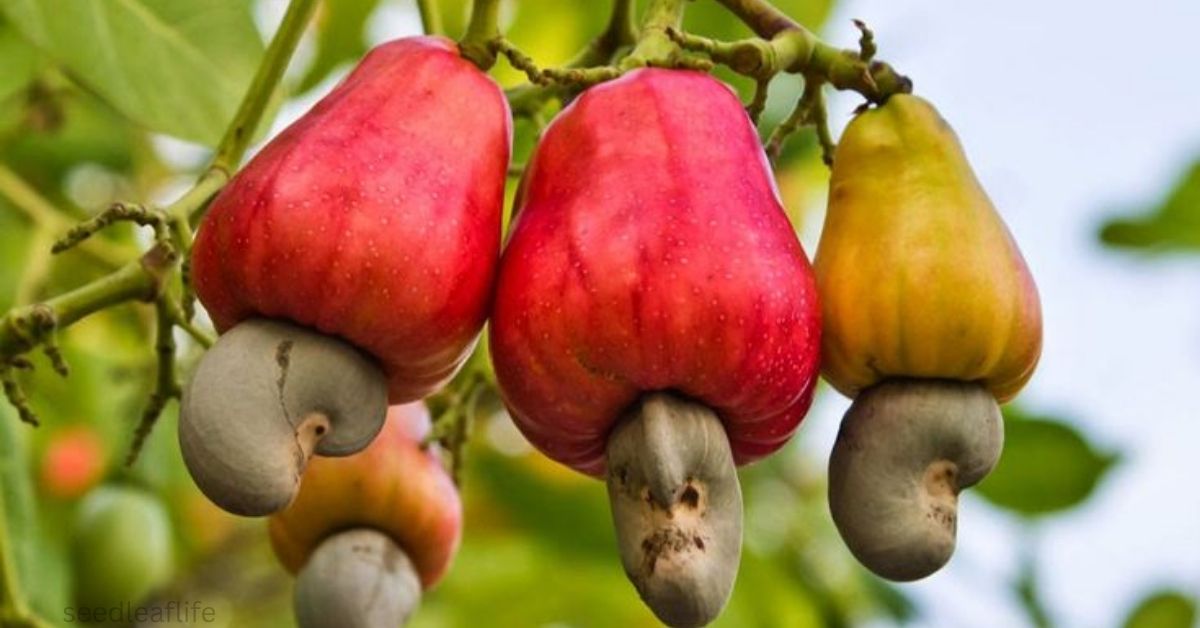
Did you know that cashew nuts are not just tasty snacks but also come from a unique tropical tree that can be grown in suitable home environments? A cashew tree is a fast-growing tropical evergreen tree that produces both the cashew apple and the cashew nut, making it one of the most interesting fruit-bearing plants in the world.
Growing a cashew tree at home can be both rewarding and practical. It not only enhances the beauty of your garden but also provides fresh, organic nuts if grown under the right conditions. With proper care, it can become a long-term source of healthy food and even a small gardening achievement for beginners.
The purpose of this article is to guide you through everything you need to know about how to Grow Cashew Tree, from basic understanding to high-yield tips. Whether you are a gardening enthusiast or a complete beginner, this easy guide will help you successfully grow and maintain a healthy cashew tree at home.
Where do cashew trees grow
Cashew trees (Anacardium occidentale) grow in warm tropical climates where there is no frost and temperatures stay hot most of the year.
Countries and growing/harvesting timing
| Country | Planting Time | Flowering Time | Harvest Season |
| India | June – July (start of monsoon) | Nov – Jan | Feb – May |
| Vietnam | May – July | Dec – Feb | Feb – Apr |
| Brazil | Jan – Mar | Aug – Nov | Nov – Jan |
| Nigeria | May – July | Dec – Feb | Feb – Apr |
| Tanzania | Dec – Feb | Jun – Aug | Sep – Nov |
| Mozambique | Dec – Feb | Jun – Aug | Sep – Nov |
| Indonesia | Throughout the year (best in rainy season) | Varies | Feb – Apr |
| Philippines | May – July | Nov – Jan | Feb – Apr |
| Sri Lanka | May – June | Nov – Jan | Mar – May |
| Ivory Coast | May – July | Dec – Feb | Feb – Apr |
Cashew Tree Basics (Understanding the Plant)
Origin and Natural Habitat of the Cashew Tree
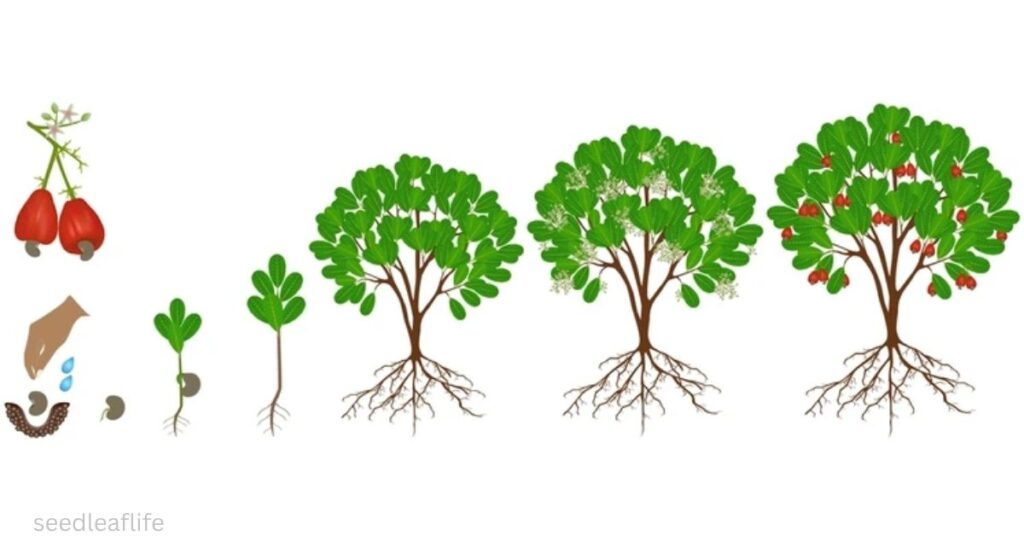
The cashew tree is native to Brazil and naturally thrives in tropical and subtropical climates. It grows best in warm regions where sunlight is abundant and the environment is not too harsh. In its natural habitat, you will often find it growing in sandy coastal areas, although it is also adaptable to different soil types if conditions are suitable.
Climate Requirements for Healthy Growth
The cashew tree prefers a warm and sunny climate, making it a true sun-loving plant. It grows well in temperatures ranging from 75°F to 95°F (24°C to 35°C). These warm conditions help the tree develop strong branches, healthy leaves, and better fruit production. Cold weather or frost can damage the plant, so it is best suited for regions with stable warm temperatures.
Growth Cycle (How Many Years It Takes to Produce Fruit)
Growing a cashew tree requires patience, as it does not produce fruit immediately. On average, it takes about 3 to 5 years after planting for the tree to start producing cashew apples and nuts. With proper care and ideal conditions, the tree gradually becomes more productive over time.
Ideal Conditions: Temperature, Soil Type, and Water Needs
Cashew trees require well-drained soil, as excess moisture can lead to root rot and poor growth. Sandy or light soils are ideal because they allow proper drainage and root development. The tree prefers moderate watering—just enough to keep the soil slightly moist during dry periods. However, overwatering should be avoided to maintain healthy roots.
With the right balance of sunlight, warmth, and care, the cashew tree can grow into a strong and productive plant that rewards you with nutritious nuts over the years.
Best Way to Grow Cashew Tree at Home
Seed vs Sapling: Which is Better for Beginners
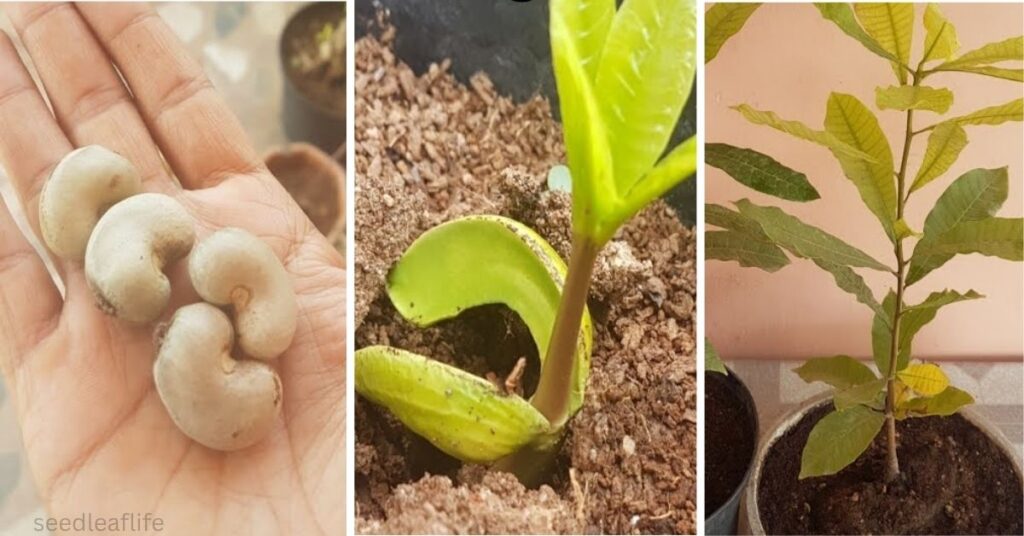
When deciding how to Grow Cashew Tree at home, choosing between seeds and saplings is very important. Seeds are budget-friendly and can be an interesting gardening experience, but they require more time and patience because germination can take several weeks. On the other hand, saplings are a better option for beginners because they are already partially grown and give faster, more reliable results. For most first-time gardeners, a healthy sapling is the safest and easiest choice for successful growth.
Pot Planting vs Ground Planting
Both pot planting and ground planting have their own advantages. Pot planting is ideal if you want better control over soil, water, and overall environment. It is also useful for people living in cooler regions or with limited garden space. However, ground planting is usually more effective for long-term growth because it gives the cashew tree more space for roots to expand, resulting in a stronger plant and better yield. If your soil is fertile, well-drained, and receives plenty of sunlight, ground planting is the best option.
Step-by-Step Guide to Planting a Cashew Tree at Home
To successfully plant a cashew tree, start by selecting a location that receives full sunlight or prepare a large pot with proper drainage holes.
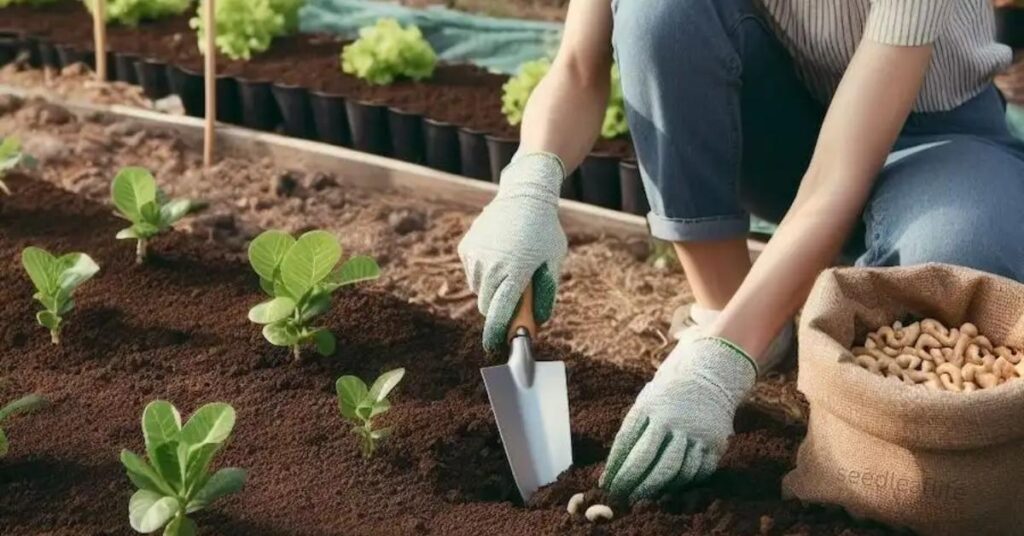
If you are planting a sapling, dig a hole that is about twice the width of the root ball. Place the sapling carefully in the center and fill the hole with soil, gently pressing it down to remove air pockets. Water the plant thoroughly but avoid overwatering.
If you are starting from seeds, soak them in water for about 24 hours before planting. Sow the seeds approximately 2 inches deep in moist, well-drained soil. Keep the soil lightly moist and wait for germination, which usually occurs within a few weeks.
With proper care, sunlight, and consistent attention, your journey to Grow Cashew Tree at home will be successful, and you will gradually see a healthy and productive plant developing in your garden.
Ideal Soil & Climate for High Yield
Importance of Well-Drained Sandy Soil
When you Grow Cashew Tree, choosing the right soil is extremely important for healthy growth and high yield. Well-drained sandy soil is not just a preference—it is essential. This type of soil allows excess water to drain easily, preventing root rot and other moisture-related problems. It also helps roots get enough oxygen, which is necessary for strong development. In the right soil, your cashew tree can spread its roots comfortably and grow more efficiently.
Required Soil pH Level
Soil pH plays a key role in nutrient absorption. Cashew trees grow best in slightly acidic to neutral soil, with a pH level between 6.0 and 7.0. This balanced range allows the plant to absorb essential nutrients properly, leading to healthier growth and better fruit production. Maintaining the correct pH is like providing the perfect environment for your tree to thrive.
Sunlight Requirement (6–8 Hours Daily Exposure)
Sunlight is one of the most important factors for a productive cashew tree. These trees need at least 6 to 8 hours of direct sunlight daily to grow well. Adequate sunlight boosts photosynthesis, promotes strong branches, and increases fruit yield. A sunny location will help your tree develop lush green leaves and eventually produce high-quality cashew nuts.
Watering & Fertilizer Tips
How to Avoid Overwatering
When you Grow Cashew Tree, proper watering is essential for keeping the plant healthy. Overwatering can damage the roots, causing root rot and slowing down growth. A simple way to avoid this is to check the soil before watering—insert your finger about an inch into the soil. If it feels dry, then it’s time to water.
Water your cashew tree in the early morning so it can absorb moisture throughout the day while minimizing evaporation. Always ensure the soil is moist but not waterlogged, as balance is the key to healthy root development.
Use of Organic Fertilizers for Better Growth
Organic fertilizers are highly recommended for cashew trees because they improve soil health naturally. Unlike chemical fertilizers, they release nutrients slowly and support beneficial microorganisms in the soil. Options like worm castings and fish emulsion provide essential nutrients that promote steady and strong growth.
Using organic fertilizers regularly helps your cashew tree develop healthier leaves, stronger branches, and better fruit production over time.
Role of Compost and Manure in Plant Development
Compost and well-aged manure play a vital role in improving both soil fertility and structure. They add important nutrients while also making the soil more рых and breathable, which helps roots grow deeper and stronger.
By enriching the soil with compost and manure, you create a supportive environment not only for your cashew tree but also for other plants in your garden. This natural approach builds a balanced ecosystem, helping your Grow Cashew Tree journey become more successful and sustainable.
How to Increase Cashew Yield
Pruning Techniques for Better Productivity
To successfully Grow Cashew Tree with high yield, pruning is a key practice. Regular pruning helps shape the tree and allows better sunlight penetration to all parts of the plant. Remove dead, weak, or overcrowded branches to improve airflow, which reduces the risk of diseases. Proper pruning also encourages the development of strong branches and more fruiting points, leading to increased production.
Effective Pest Control Methods
Pest control plays a major role in maintaining a healthy and productive cashew tree. Using Integrated Pest Management (IPM) techniques is highly effective. This includes natural solutions like introducing beneficial insects such as ladybugs or applying organic treatments like neem oil. These methods help control harmful pests without damaging the environment. Regular inspection of your tree is important so you can detect and manage pest problems early before they affect your yield.
Flowering Enhancement Techniques
Improving flowering is essential for better fruit production. Applying balanced fertilizers, especially those rich in potassium, can significantly boost flower formation. Proper watering during the flowering stage is also important, as it helps maintain healthy blossoms.
Additionally, planting cover crops like legumes can naturally enrich the soil, improving overall plant health. With the right combination of nutrition, irrigation, and care, your efforts to Grow Cashew Tree will result in more flowers and ultimately a higher yield of cashew nuts.
Common Problems & Solutions
Leaf Drop Problems and Solutions
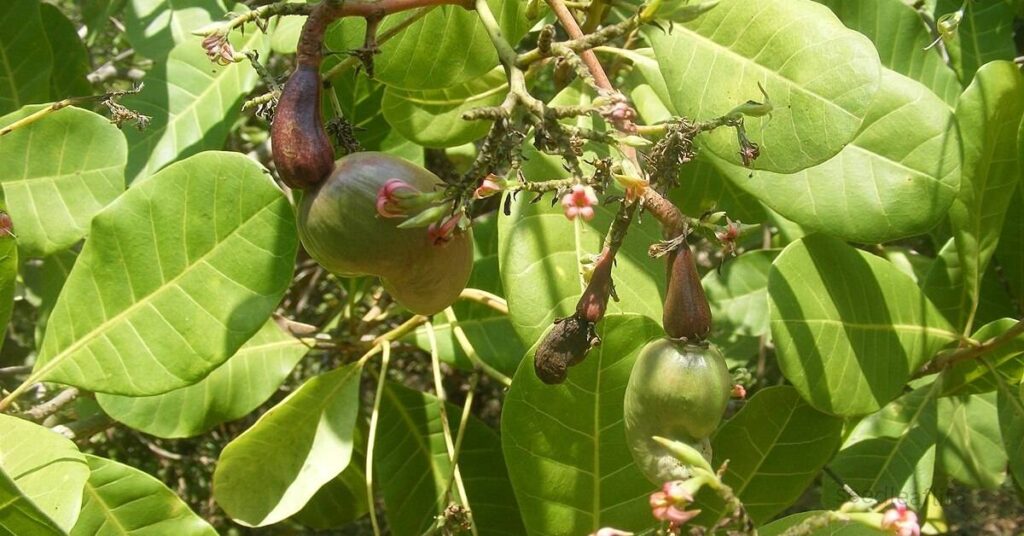
Leaf drop in cashew trees can be a common concern when you Grow Cashew Tree at home. This usually happens due to stress caused by either too much or too little water. To fix this issue, regularly check your watering routine and make sure the soil is well-drained. Adding mulch around the base of the tree can help retain moisture during dry periods and keep the roots stable. With proper care, your tree can recover and maintain healthy foliage.
Pest Attacks (Aphids, Borers, etc.)
Pests like aphids and borers can damage your cashew tree by feeding on its leaves and stems. Regular inspection is important to catch these problems early. Using natural solutions like neem oil is a safe and effective way to control pests without harming beneficial insects. Consistent monitoring and timely treatment will help keep your tree healthy and productive.
Reasons for Poor Fruit Production and Fixes
If your cashew tree is not producing enough fruit, there could be several reasons behind it. Poor pollination and lack of nutrients are the most common causes. Applying a balanced fertilizer can improve plant health and boost fruit production.
You can also encourage natural pollinators by planting flowers nearby, which helps improve pollination. With patience, proper nutrition, and good care practices, your efforts to Grow Cashew Tree will eventually reward you with a healthy and abundant harvest.
Harvesting Cashew Nuts
Best Harvesting Time
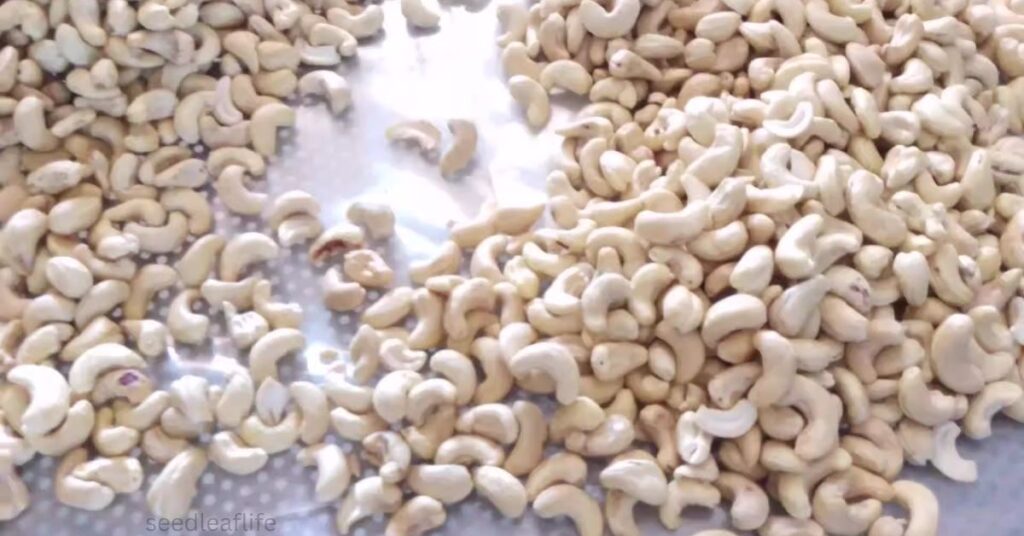
When you Grow Cashew Tree, knowing the right time to harvest is very important for quality and yield. The ideal harvesting season usually falls between late spring and early summer, depending on your local climate. During this time, the fruits mature fully and are ready to be picked.
How to Identify Mature Cashew Nuts
To identify mature cashew nuts, observe the color changes in both the nut and the cashew apple. The nut typically changes from green to a darker, earthy shade, while the cashew apple turns bright red or yellow. These signs indicate that the fruit is fully ripe and ready for harvesting.
Safe Harvesting Methods Without Damaging the Plant
Harvesting should always be done carefully to protect the tree and ensure future production. Instead of pulling the nuts forcefully, use gentle hands or a small handheld tool to twist the nut away from the cashew apple. Avoid yanking, as it can damage branches and reduce future yield.
Expert Tips for High Yield Cashew Tree
Grafting Techniques for Improved Yield
When you Grow Cashew Tree, using grafting techniques can greatly improve productivity and fruit quality. One effective method is the cleft grafting technique. In this method, you take a healthy rootstock and make a clean split in the middle. Then, insert a scion (a cutting from a high-yield variety) into the split and seal it properly with grafting tape.
This technique helps combine the strength of the rootstock with the high productivity of the scion, resulting in better yield and improved resistance to environmental conditions.
Seasonal Care Routine
Following a proper seasonal care routine is essential for maintaining a healthy cashew tree. During the rainy season, ensure proper drainage to prevent waterlogging and root rot. In spring, apply organic fertilizers to support flowering and early growth.
As autumn approaches, focus on pest control by using natural methods like neem-based sprays. Each season requires specific care, and maintaining this routine will help your tree stay strong and productive throughout the year.
Long-Term Maintenance Strategies
For long-term success, consistent maintenance is key when you Grow Cashew Tree. Regular pruning helps shape the tree, improves airflow, and allows better sunlight penetration, which is essential for fruit development.
Adding mulch around the base of the tree helps retain soil moisture and control weeds. It is also important to monitor your tree regularly for any signs of disease or stress so you can take early action.
By following these expert tips and maintaining proper care, your cashew tree can remain healthy and productive for many years, rewarding you with a high and consistent yield.
Conclusion
Growing a cashew tree at home is not only a unique gardening experience but also a rewarding journey that can provide you with fresh and healthy nuts. By understanding the basics and following the right methods to Grow Cashew Tree, you can create the perfect environment for your plant to thrive.
From choosing the right soil and maintaining proper watering to applying fertilizers and managing pests, every step contributes to the overall health and productivity of your tree. Simple practices like pruning, seasonal care, and proper harvesting can make a big difference in achieving a high yield.
With patience, consistency, and the right care, even beginners can successfully grow a cashew tree at home. Start today, and over time, you’ll enjoy the satisfaction of harvesting your own cashews straight from your garden.
FAQs: (Grow Cashew Tree)
1. How many years does it take for a cashew tree to grow?
A cashew tree usually takes about 3 to 5 years to start producing fruit. However, it continues to grow and become more productive over time. With proper care, sunlight, and nutrients, the tree can live and produce nuts for many years.
2. Can I grow a cashew tree at home?
Yes, you can easily Grow Cashew Tree at home if you live in a warm climate. It can be grown in your backyard or even in a large pot. Just make sure the plant gets enough sunlight, well-drained soil, and proper care for healthy growth.
3. Can you grow a cashew tree from a cashew?
Yes, you can grow a cashew tree from a seed (raw cashew nut), but it must be untreated and not roasted. Store-bought cashews are usually processed and will not grow. Fresh seeds can be planted after soaking in water for better germination.
4. How long does it take for a cashew tree to bear fruit from seed?
When grown from seed, a cashew tree typically takes around 3 to 5 years to bear fruit. In some cases, it may take a little longer depending on growing conditions, climate, and care. Using a sapling instead of seeds can reduce this waiting time.