
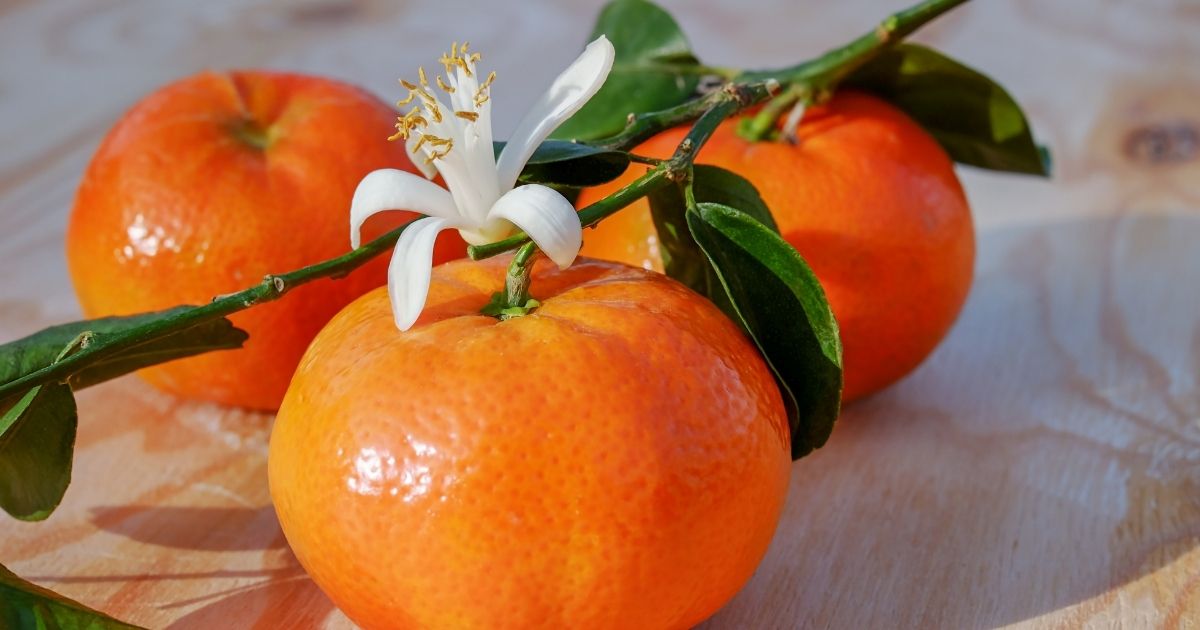
Known for its sweet taste, juicy segments, and easy-to-remove skin, imperial-mandarin has become a favorite among citrus lovers worldwide. Known for its vibrant orange color, refreshing flavor, and excellent nutritional value, the imperial mandarin has earned a special place among citrus lovers worldwide.
Whether enjoyed as a healthy snack, packed in school lunches, or used in recipes, this fruit offers a perfect combination of convenience and taste.
The popularity of the mandarin continues to grow because consumers appreciate fruits that are both delicious and nutritious.
Its naturally sweet flavor makes it a favorite among children, while its impressive vitamin content attracts health-conscious adults.
What Is an Imperial Mandarin?
The imperial mandarin is a premium citrus variety known for its sweet taste, juicy flesh, and easy-to-peel skin. It belongs to the mandarin family, which is part of the larger citrus group that includes oranges, lemons, and grapefruits. Among all mandarin varieties, the imperial-mandarin is particularly appreciated for its balanced flavor and consumer-friendly characteristics.
The fruit is usually medium-sized with a bright orange appearance that signals ripeness and freshness. Inside, the segments separate easily, making it convenient to eat without creating a mess. This feature alone has contributed significantly to the popularity of the imperial-mandarin in homes, schools, and workplaces.
Mandarin is also recognized for its nutritional profile. It contains important vitamins, minerals, dietary fiber, and antioxidants that support overall health. Because of these benefits, nutrition experts often recommend citrus fruits like the imperial-mandarin as part of a balanced diet.
Imperial Mandarin Seed Information
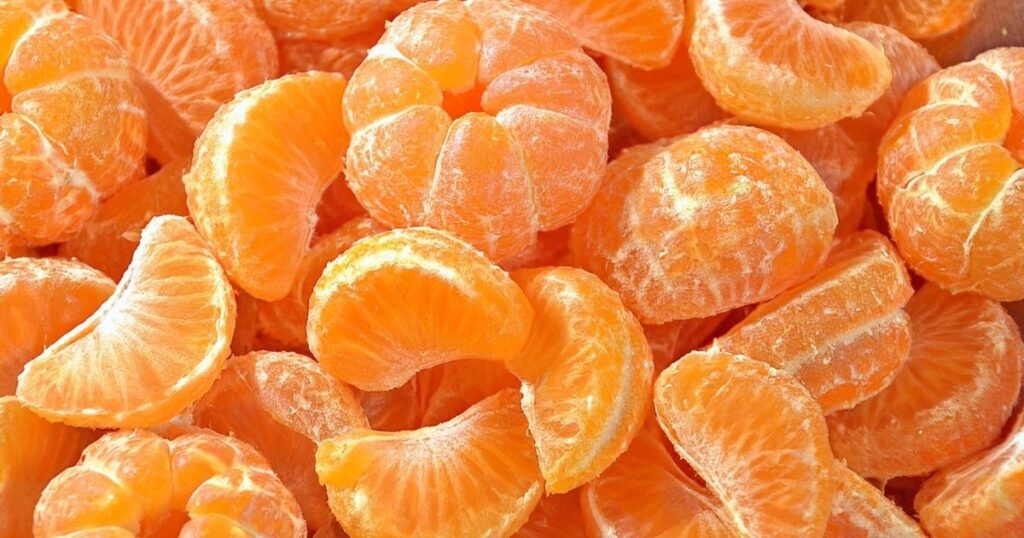
Seed content is an important consideration for many consumers when selecting citrus fruits. Fortunately, the imperial mandarin is generally known for having relatively few seeds compared to some other citrus varieties.
Under ideal growing conditions, many mandarin fruits contain very few seeds or may even appear nearly seedless. However, the exact number of seeds can vary depending on factors such as pollination, climate conditions, and the presence of nearby citrus varieties.
Why Seed Count Varies
Cross-pollination is one of the main reasons seed numbers can fluctuate in imperial mandarin fruit. When bees transfer pollen from nearby citrus trees, the likelihood of seed formation increases. Commercial growers often manage orchard layouts carefully to minimize cross-pollination and maintain the fruit’s desirable low-seed characteristics.
Benefits of Low-Seed Fruit
The low seed count of the imperial mandarin offers several advantages:
- Easier consumption.
- Better experience for children.
- More convenient for fruit salads.
- Improved appeal in commercial markets.
- Less waste when preparing recipes.
Because modern consumers value convenience, the low-seed nature of the imperial-mandarin remains one of its strongest selling points.
Read More : Red Globe Grape: 8+ Powerful Benefits, Taste & Nutrition Facts
Imperial Mandarin Season and Availability
The harvesting season plays a major role in determining fruit quality and availability. The imperial-mandarin is typically harvested during the cooler months of the year, making it a popular winter citrus fruit.
In many growing regions, imperial-mandarin season begins in late autumn and continues throughout winter. During this period, the fruit develops its characteristic sweetness and vibrant color.
Peak Harvest Season
The exact timing varies depending on climate and location, but peak production generally occurs when temperatures are moderate and growing conditions are favorable. Consumers often find the best-quality imperial-mandarin fruit during the height of the harvesting season.
Market Availability
Imperial-mandarin fruit can commonly be found in:
- Supermarkets
- Local grocery stores
- Farmers’ markets
- Fruit specialty shops
- Online produce retailers
Because of strong consumer demand, retailers frequently highlight imperial-mandarin products during the citrus season.
How to Select the Best Fruit
When purchasing imperial-mandarin fruit, look for:
- Bright orange skin.
- Firm but slightly soft texture.
- Fresh citrus aroma.
- Smooth peel.
- Good weight for size.
These characteristics often indicate freshness and high juice content.
Imperial Mandarin Tree Guide
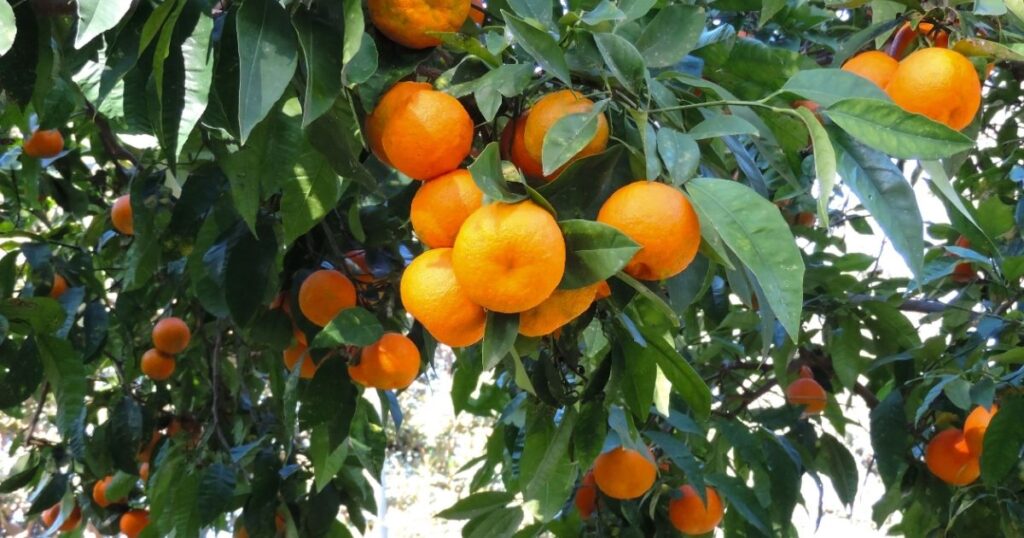
Growing an imperial-mandarin tree can be rewarding for both experienced gardeners and beginners. These trees are valued not only for their fruit production but also for their ornamental beauty.
Tree Appearance
Imperial-mandarin trees are evergreen and maintain attractive foliage throughout the year. They feature glossy green leaves and fragrant white blossoms that add visual appeal to gardens and landscapes.
Climate Requirements
The imperial-mandarin performs best in regions with:
- Warm temperatures.
- Plenty of sunlight.
- Mild winters.
- Protection from severe frost.
Soil Preferences
Healthy growth depends on well-drained soil that contains adequate organic matter. Waterlogged conditions can damage roots and reduce fruit production.
Watering Needs
Young trees require regular watering to establish strong root systems. Mature imperial-mandarin trees are more drought tolerant but still benefit from consistent moisture during flowering and fruit development.
Fertilization
Applying balanced citrus fertilizer helps maintain healthy growth and encourages abundant fruit production. Nutrient requirements vary depending on soil quality and tree age.
Pruning Tips
Regular pruning helps:
- Improve air circulation.
- Remove dead branches.
- Enhance fruit quality.
- Maintain manageable tree size.
With proper care, an imperial-mandarin tree can remain productive for many years.
Imperial Mandarin vs Afourer Mandarin
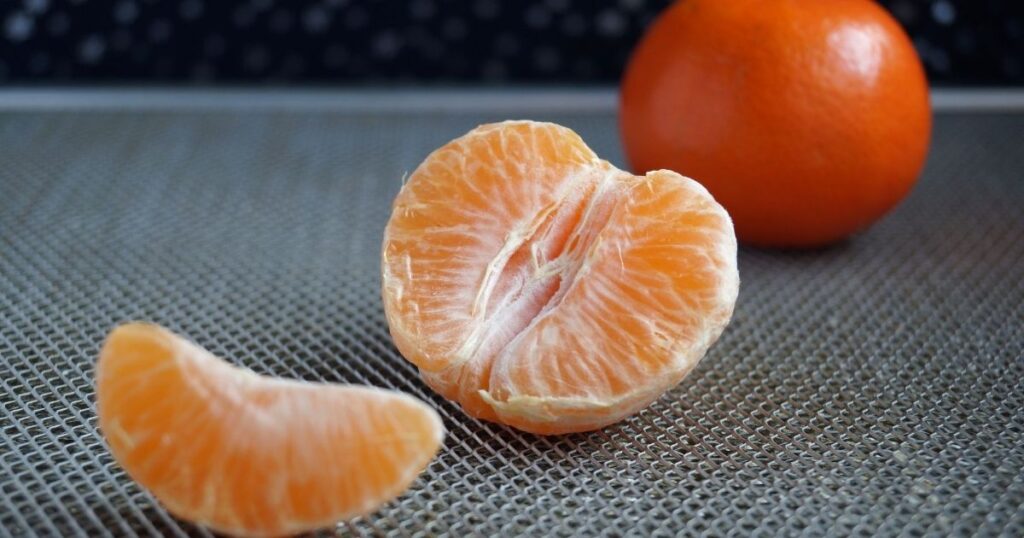
Both imperial-mandarin and Afourer mandarins are popular citrus choices, but several differences distinguish these varieties.
Taste Comparison
The imperial-mandarin offers a mild, sweet flavor that appeals to a broad audience. Afourer mandarins typically provide a more intense sweetness with a slightly richer citrus profile.
Peel Characteristics
One of the strongest advantages of imperial-mandarin is its easy-to-peel skin. This convenience makes it especially popular among families and busy consumers.
Seed Content
While both varieties are often marketed as low-seed fruits, seed numbers can vary depending on pollination conditions.
Consumer Preference
Many consumers choose imperial-mandarin fruit because of its softer texture and balanced sweetness, while others prefer the stronger flavor of floured mandarins.
Imperial Mandarin vs Murcott Mandarin
Another common comparison involves the imperial-mandarin and Murcott mandarin.
Murcott mandarins are sometimes called Honey Murcotts because of their exceptionally sweet flavor. Although both fruits are delicious, they differ in several ways.
Sweetness
Murcott mandarins tend to be sweeter, while the imperial-mandarin offers a more balanced flavor profile.
Seed Count
Imperial-mandarin fruit generally contains fewer seeds, making it more convenient for everyday snacking.
Ease of Peeling
The peel of the imperial-mandarin is usually easier to remove, which many consumers find appealing.
Harvest Timing
Murcott mandarins are often harvested later in the season, extending citrus availability after imperial-mandarin supplies begin to decline.
Types and Varieties of Mandarins
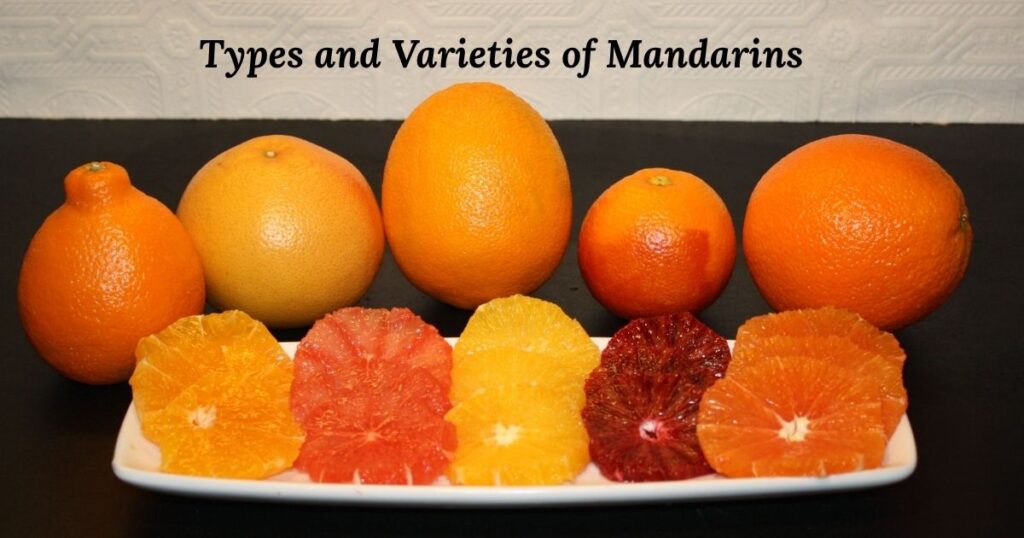
The mandarin family includes numerous varieties, each offering unique characteristics.
Popular mandarin varieties include:
- Imperial Mandarin
- Afourer Mandarin
- Murcott Mandarin
- Clementine
- Satsuma
- Ellendale
- Honey Mandarin
- Daisy Mandarin
Each variety differs in sweetness, texture, peel thickness, seed count, and harvesting season.
Why Choose Imperial Mandarins?
There are many reasons why consumers consistently choose the imperial-mandarin over other citrus fruits.
Exceptional Flavor
The natural sweetness of the imperial-mandarin provides an enjoyable eating experience without excessive acidity.
Nutritional Benefits
Imperial-mandarin fruit contains:
- Vitamin C
- Dietary fiber
- Potassium
- Antioxidants
- Folate
Convenient Snack
Its easy-to-peel skin and low seed count make it ideal for busy lifestyles.
Family Friendly
Children often enjoy mandarin fruit because of its sweet taste and manageable size.
Versatile Uses
Imperial-mandarin fruit can be used in:
- Salads
- Desserts
- Smoothies
- Juices
- Snacks
- Citrus sauces
Health Benefits of Imperial Mandarin
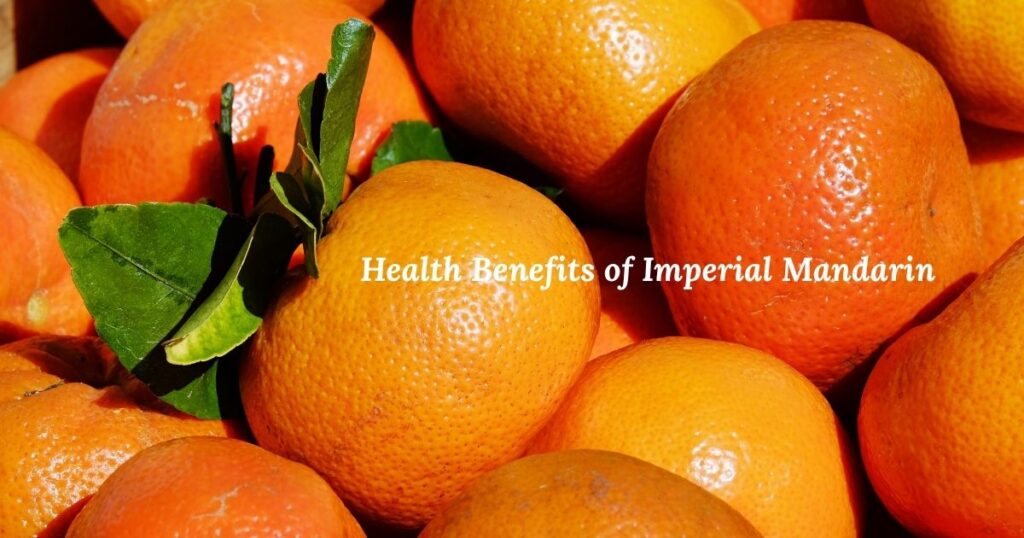
Regular consumption of imperial-mandarin fruit may support immune health, digestion, hydration, and overall wellness. The antioxidants present in citrus fruits help protect cells from oxidative stress, while vitamin C contributes to healthy skin and immune function.
The dietary fiber found in mandarin fruit may also support digestive health and help individuals feel satisfied after eating.
Conclusion
The imperial mandarin stands out as one of the finest citrus fruits available today. Its sweet flavor, juicy texture, easy-to-peel skin, and low seed count make it a favorite among consumers of all ages. Whether you are interested in growing an imperial-mandarin tree, learning about its season, or comparing it with other mandarin varieties, this fruit offers numerous advantages. With excellent taste, impressive nutritional value, and wide availability during the citrus season, the imperial-mandarin remains a top choice for anyone seeking a healthy and delicious fruit option.
FAQs:
Can you grow imperial mandarin from seed?
Yes, you can grow imperial mandarins from seed, but it may take several years for them to bear fruit, and the fruit may not resemble the parent tree.
What are imperial mandarins good for?
Imperial mandarins are great for snacking, juicing, and cooking. They are also rich in vitamin C and antioxidants, making them a nutritious addition to your diet.
Can I eat 20 mandarins a day?
While mandarins are healthy, eating 20 a day may lead to excessive sugar and fiber intake. Moderation is key for a balanced diet.
Which is better, imperial or emperor mandarin?
Both varieties are delicious, but many prefer imperial mandarins for their sweeter flavor and easy-to-peel skin, while emperor mandarins are noted for their larger size and less tartness.