
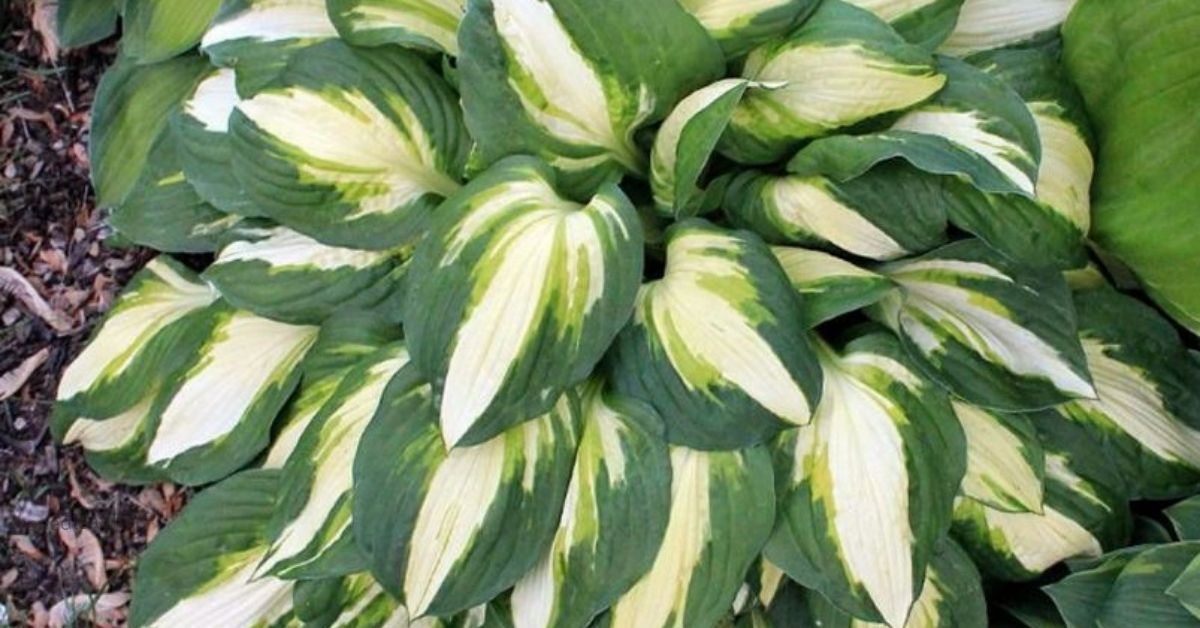
Shade gardens have a unique charm all their own. While sunny flower beds often steal the spotlight, shaded areas in your garden offer a tranquil, cool retreat—perfect for relaxing afternoons or quiet contemplation. However, designing a garden in low-light conditions comes with its own set of challenges. Many plants struggle to thrive without direct sunlight, leaving garden enthusiasts wondering how to fill these shadowy corners with life and color.
This is where hosta for shade truly shines. Known for their lush foliage, incredible variety, and adaptability, hostas are widely regarded as the ultimate shade-loving plants. From delicate, variegated leaves to large, bold greenery, these plants can transform even the darkest corners of your yard into a vibrant oasis. Their beauty is not just skin-deep—hostas are low-maintenance, hardy, and able to thrive in environments where many other plants fail.
Whether you are a beginner gardener struggling to find plants for shaded areas or an experienced horticulturist looking to elevate your garden design, hosta for shade provides endless possibilities. Their versatility allows you to create stunning borders, elegant beds, or even container gardens that remain lush throughout the growing season.
What Are Hostas? A Shade Gardener’s Favorite
Hostas are perennial plants prized for their lush foliage, versatility, and ability to thrive in low-light conditions. Native to Northeast Asia, particularly Japan, China, and Korea, hostas have been cultivated for centuries both for ornamental beauty and for their hardiness.
Over time, they have become a staple in gardens around the world, especially in areas where sunlight is limited. Their popularity stems from their combination of beauty, durability, and ease of care, making them an ideal choice for both novice and experienced gardeners.
One of the most remarkable features of hostas is their adaptability to shady environments. Unlike many flowering plants that require direct sunlight to bloom, hostas flourish in partial to full shade. This makes them the perfect solution for gardens with tree cover, north-facing yards, or areas blocked by buildings.
For gardeners struggling to find plants that thrive in shadowed spaces, hosta for shade is often the go-to option, providing both greenery and visual interest where other plants may falter.
Hostas are celebrated for their wide variety of leaf shapes, sizes, and colors. Foliage can range from small, delicate leaves to large, bold varieties that can reach up to two feet across. Colors vary from deep green to blue-green, bright yellow, and even striking variegated patterns with white or cream edges.
Some varieties also produce delicate, fragrant flowers in shades of lavender, white, or purple during the summer, adding another layer of beauty to shaded landscapes.
Read More : Best Summer Flowers for Your Garden: Types, Benefits, and Care Tips
Why Choose Hosta for Shade? The Perfect Plant for Shady Gardens
Gardening in shaded areas presents a unique challenge. Many plants struggle to grow without direct sunlight, leaving gardeners with limited options for filling dark corners with life and beauty. This is where the hosta for shade truly stands out.
Hostas are perennial plants that not only survive in low-light conditions but thrive, offering a combination of visual appeal, texture, and resilience that is hard to match.
One of the primary benefits of planting hosta in shady areas is their ability to thrive in low light. Unlike sun-loving plants that can become scorched or fail to bloom in shaded spots, hostas are built for shadowed environments.
Whether your garden receives dappled sunlight through trees or is located in a completely shaded backyard corner, hostas can flourish and maintain lush, healthy foliage throughout the growing season.
Beyond their resilience, hostas add remarkable texture and color to shade gardens. Their leaves come in a variety of shapes, sizes, and shades, from deep greens and blues to bright yellow or variegated patterns with cream or white edges.
This diversity allows gardeners to create layers of visual interest, combining different hosta varieties to form striking contrasts or harmonious blends. In addition, many hostas produce delicate, fragrant flowers in summer, ranging from lavender to white, adding another element of beauty to shaded landscapes.
Hostas also play a valuable role in attracting pollinators. While shade gardens may seem less lively than sunny beds, the blooms of hostas draw bees, butterflies, and hummingbirds, helping to support local biodiversity and maintain a healthy garden ecosystem.
Even when not flowering, the dense foliage can provide shelter for beneficial insects, further enhancing your garden’s vitality.
When compared with other shade plants like ferns, astilbes, or impatiens, hostas stand out for their low maintenance and long-lasting beauty. Many shade-loving plants require careful attention to soil moisture or are prone to pests and diseases.
Hostas, by contrast, are hardy, adaptable, and can thrive in a variety of soil types with minimal care. Their longevity—often living and growing for decades—makes them an excellent investment for any shade garden.
Types of Hosta for Shade: Choosing the Perfect Variety for Your Garden
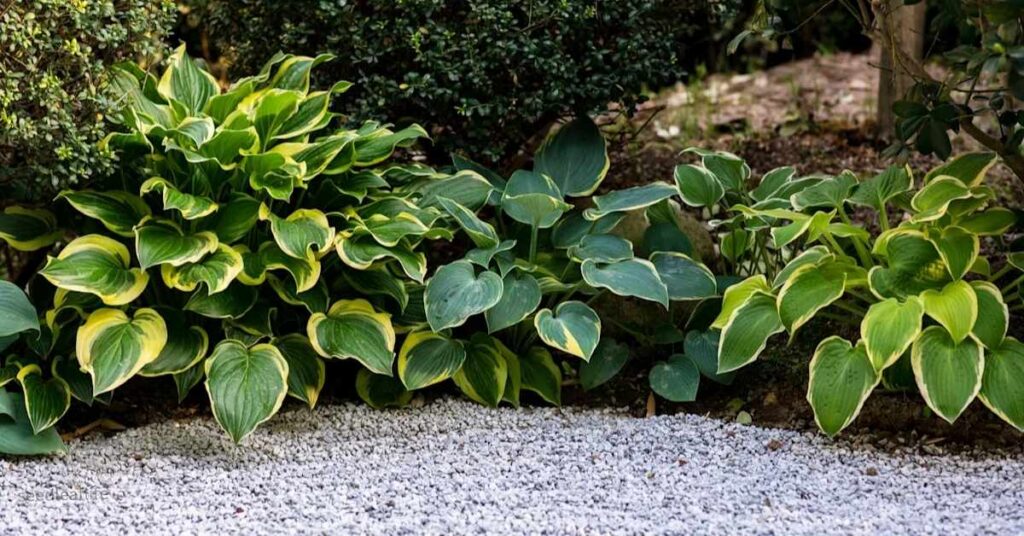
If you’re looking to transform a shadowed corner of your garden into a lush, vibrant space, selecting the right hosta is key. Hostas are prized for their variety, offering an incredible range of leaf shapes, colors, and sizes that can suit any garden style.
From small, delicate varieties to large, bold statement plants, there’s a hosta for every shade garden. Below, we explore some of the most popular and reliable hosta varieties.
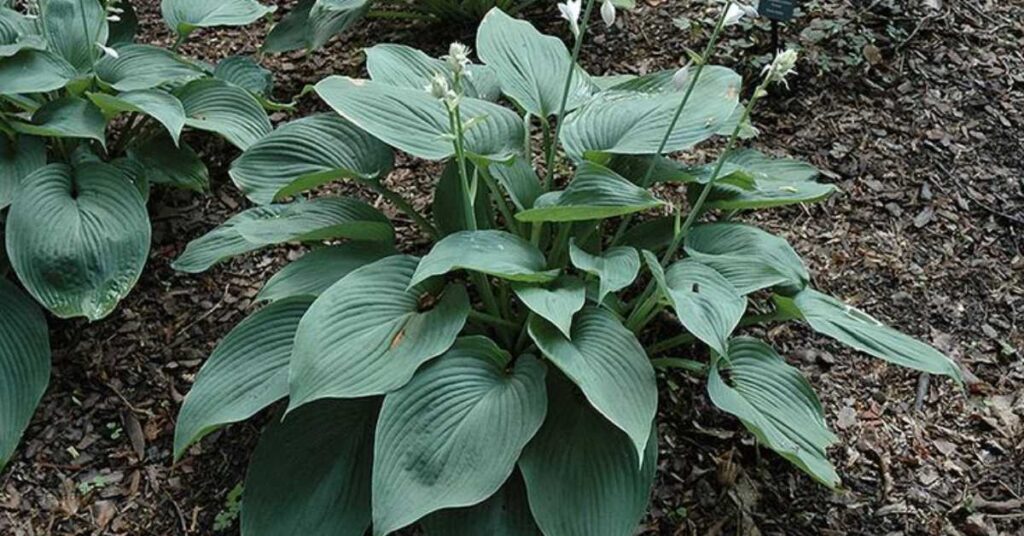
1. Blue Angel
Blue Angel is one of the largest and most impressive hosta varieties. Its broad, blue-green leaves create a striking presence in any shade garden. This variety is ideal for gardeners who want a bold center piece plant that will dominate the space with texture and color. Blue Angel produces pale lavender flowers in mid-summer, attracting pollinators without overwhelming the foliage. Its tolerance for deep shade makes it a dependable choice for areas with minimal sunlight.
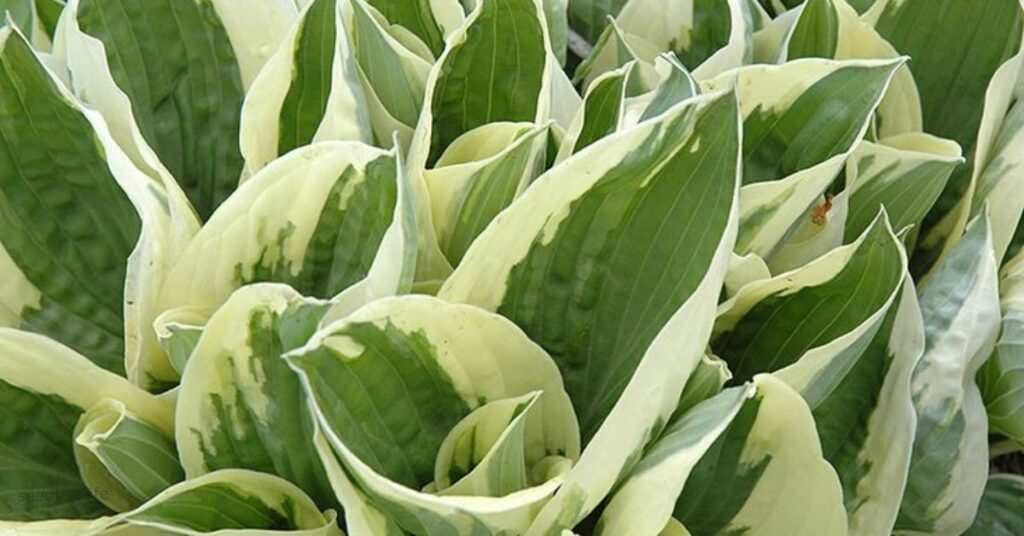
2. Patriot
Patriot is a variegated hosta with stunning green leaves bordered in creamy white. Patriot is moderately sized, making it versatile for borders, beds, and container planting. Its pale lavender flowers bloom in mid-summer, providing a gentle pop of color. This variety is particularly hardy and adapts well to most soil types, making it a favorite among gardeners seeking both beauty and resilience.
3. Sum and Substance
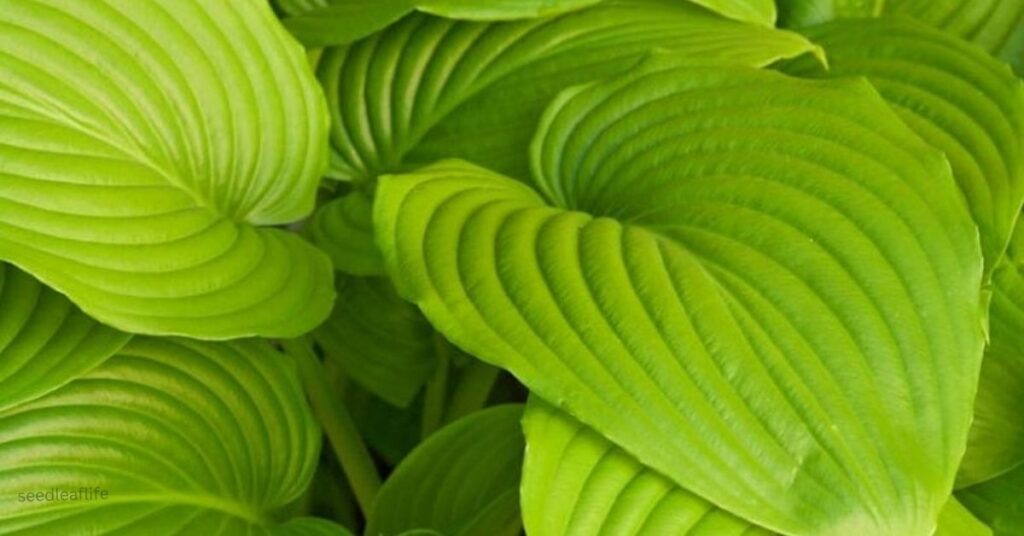
Sum and Substance is known for its large, bold, and glossy chartreuse leaves that make a dramatic statement in shaded landscapes. This variety is slow-growing but exceptionally hardy, capable of thriving in both partial and full shade. White, trumpet-shaped flowers bloom in summer, attracting pollinators like bees and hummingbirds. Sum and Substance is ideal for gardeners who want a standout hosta for shade that combines durability with visual impact.
4. Gold Standard
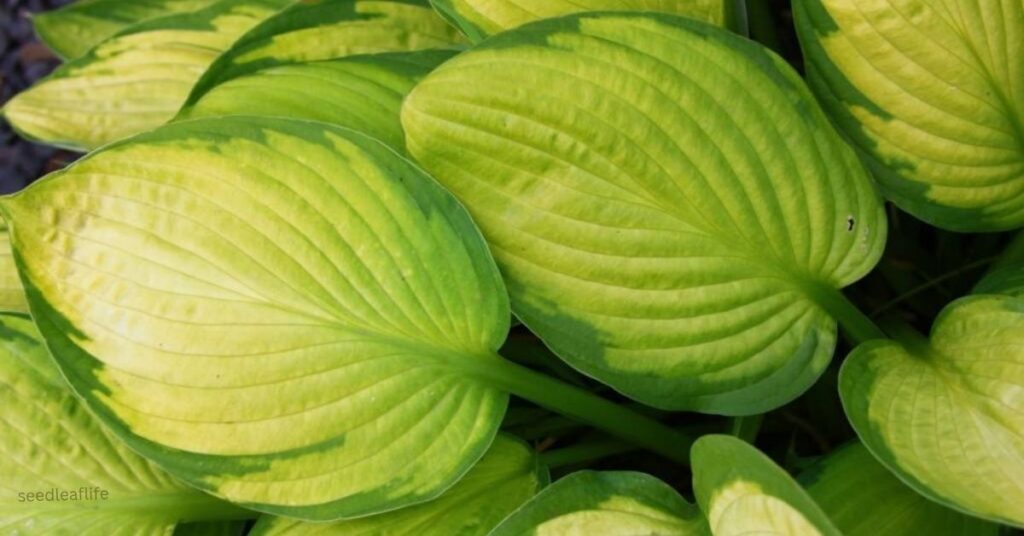
Gold Standard is a medium-to-large hosta with vibrant golden-yellow leaves that brighten even the darkest corners of the garden. Gold Standard produces lavender flowers in midsummer, adding a soft accent to its bold leaves. This variety works well in combination with green or blue hostas, offering contrast and interest to shade gardens.
5. Francee
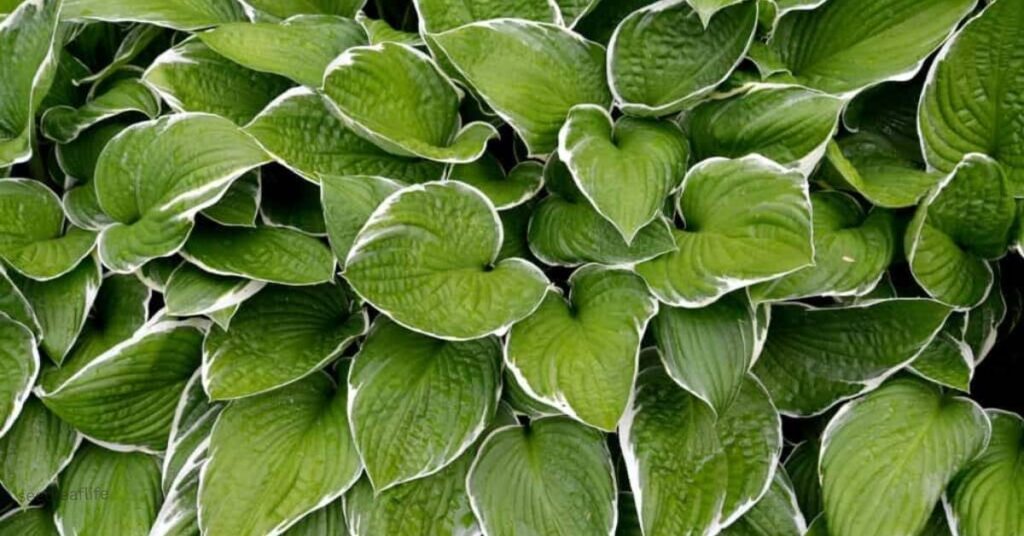
Francee is a classic variegated hosta with rich green leaves edged in white. Its flowers, usually pale lavender, bloom in early to mid-summer and attract pollinators. Francee thrives in partial to full shade and is relatively low-maintenance, making it perfect for both beginner and experienced gardeners seeking a dependable hosta for shade.
Tips for Choosing the Right Hosta for Shade
When selecting a hosta, consider leaf size, color, and growth habit in relation to your garden’s design. Mixing large and small varieties, as well as different colors, can create depth and interest in shaded areas. Adding flowers, like those of Blue Angel or Francee, enhances pollinator activity and adds seasonal charm. For best results, plant in rich, well-draining soil and provide consistent moisture.
By understanding the unique characteristics of each hosta variety, you can create a thriving, visually stunning shade garden that showcases the beauty and versatility of these remarkable plants.
How to Plant Hosta for Shade: A Step-by-Step Guide
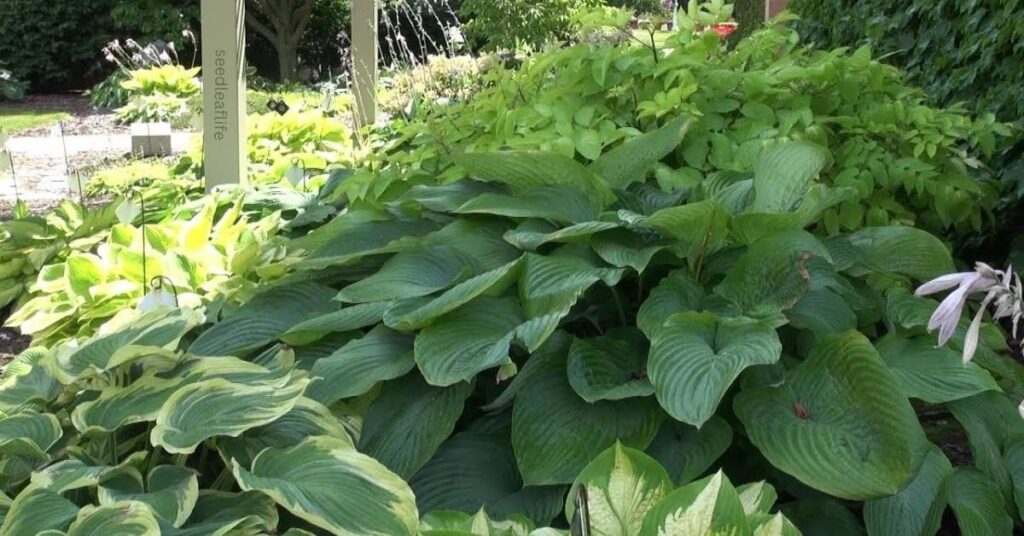
Planting hostas in shaded areas may seem simple, but following the right steps ensures your plants thrive and bring long-lasting beauty to your garden. Hostas are remarkably resilient, but careful attention to location, soil, and care can make all the difference. Here’s a detailed guide on how to plant hosta for shade successfully.
1. Choosing the Right Location
The first step in planting hostas is selecting a suitable spot in your garden. While hostas tolerate partial shade, most varieties thrive best in dappled or filtered sunlight.
Avoid areas with direct afternoon sun, which can scorch their delicate leaves. North-facing gardens or spaces under trees are ideal. Also, consider foot traffic—hostas prefer quiet corners where their foliage won’t be damaged by constant movement. Selecting the right location ensures your hosta for shade grows lush and healthy.
2. Soil Preparation
Hostas prefer rich, well-draining soil with plenty of organic matter. Begin by loosening the soil to a depth of about 12–15 inches and mix in compost or well-rotted manure to enhance fertility. A slightly acidic to neutral soil pH (6.0–7.5) works best.
Good soil preparation improves root establishment and helps your hosta resist pests and diseases. Moisture-retentive yet well-draining soil is key—hostas don’t like to sit in soggy soil, which can lead to root rot.
3. Spacing and Planting Depth
Proper spacing is crucial to allow each hosta to grow to its full potential. Depending on the variety, space small hostas 12–18 inches apart, medium varieties 18–24 inches, and large ones up to 36 inches.
Dig a hole slightly wider than the root ball and plant the hosta so the crown sits at soil level, not buried too deep. Backfill the hole with soil, gently firming it around the roots. Proper spacing and planting depth ensure healthy growth and reduce competition for nutrients.
4. Watering and Mulch Tips
After planting, water your hosta thoroughly to settle the soil around the roots. Consistent moisture is vital during the first few weeks as the plant establishes itself. Apply a 2–3 inch layer of mulch around the base, keeping it slightly away from the crown to prevent rot.
Mulch helps retain moisture, suppress weeds, and regulate soil temperature. For ongoing care, water deeply once or twice a week during dry spells, adjusting based on rainfall and soil conditions.
5. Optional Tips for Success
- Planting in Groups: Cluster hostas of different sizes and colors for a visually appealing, layered look.
- Companion Plants: Pair hostas with ferns, astilbes, or heuchera for added texture and contrast.
- Protection from Pests: Use barriers or natural deterrents for slugs and snails, common shade garden pests.
By following these steps, your hosta for shade will quickly establish itself, providing lush foliage and vibrant texture to your shady garden areas.
With proper location, soil, spacing, and watering, these plants can thrive for many years with minimal maintenance.
Caring for Hosta in Shade: Keep Your Plants Thriving Year-Round
Hostas are known for their lush foliage, versatility, and resilience, making them the perfect choice for shaded areas. However, like all plants, they thrive best when given the right care.
By following proper watering, fertilization, mulching, and seasonal maintenance, your hosta for shade can remain healthy, vibrant, and a centerpiece of your garden for many years.
1. Watering Schedule
Proper watering is essential for hostas, especially in shady areas where soil can remain damp longer than in sunny spots. Hostas prefer consistently moist soil, but it should not be waterlogged.
During the growing season, aim to water your plants about 1 inch per week, either from rainfall or supplemental watering. In particularly dry periods, increase watering to keep the soil evenly moist. Water early in the morning to allow foliage to dry during the day, which helps prevent fungal issues.
Avoid overhead watering late in the evening, as wet leaves overnight can encourage disease.
2. Fertilization Tips
To promote lush growth and vibrant foliage, fertilize your hosta for shade in early spring as new shoots begin to emerge. Use a balanced, slow-release fertilizer formulated for perennials, or a well-composted organic option.
Avoid over-fertilizing, as excessive nitrogen can cause leaf burn or encourage rapid, weak growth. A second light feeding in mid-summer can help maintain growth and leaf color. Incorporating compost around the base of your hostas also provides natural nutrients and improves soil structure.
3. Mulching for Moisture Retention
Mulching is particularly beneficial for hostas in shady gardens, where soil moisture tends to fluctuate. Apply a 2–3 inch layer of organic mulch, such as shredded bark, leaves, or compost, around the base of the plants.
Keep mulch slightly away from the crown to prevent rot. Mulching helps retain soil moisture, regulate temperature, and suppress weeds, reducing competition for nutrients. Over time, the mulch will decompose, enriching the soil naturally and supporting your hosta’s long-term health.
4. Dealing with Common Pests and Diseases
Even though hostas are hardy, they can fall victim to pests and diseases. The most common pests include slugs and snails, which feed on the leaves and leave irregular holes. Use organic slug deterrents, copper barriers, or hand-pick them during the early morning or evening when they are most active.
Occasionally, hostas may develop fungal infections, such as crown rot or leaf spot, often caused by excessive moisture or poor air circulation. Remove affected leaves promptly and ensure proper spacing to improve airflow. Healthy soil and consistent watering reduce susceptibility to most pests and diseases, helping your hosta for shade flourish.
5. Seasonal Care
- Spring: Remove any winter debris, check for early signs of pests, and apply the first round of fertilizer. Water thoroughly as new shoots emerge.
- Summer: Monitor soil moisture closely, continue mulching, and trim any damaged leaves. Keep an eye out for slug or snail activity.
- Fall: As growth slows, cut back flower stalks after blooms fade. Remove dead leaves to prevent disease and apply a light layer of mulch to protect roots over winter. In colder climates, some gardeners cover hostas lightly with straw or leaves for added insulation.
By following these care steps, your hosta for shade will remain healthy, resilient, and visually striking throughout the seasons. Proper watering, balanced fertilization, consistent mulching, and attentive pest management are all critical to keeping your shade garden thriving.
With regular care, hostas will reward you with vibrant foliage, seasonal blooms, and a lush, textured presence that brightens even the shadiest corners of your landscape.
Designing a Shade Garden with Hosta: Creativity in Every Corner
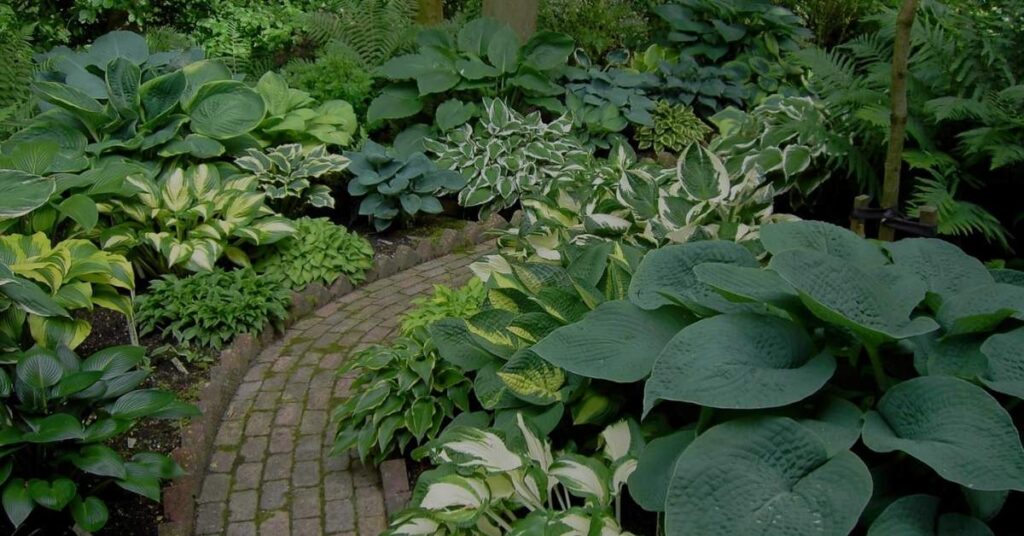
One of the joys of gardening in shaded areas is the opportunity to create a lush, layered landscape that feels serene, inviting, and full of texture.
When you incorporate hosta for shade into your design, you gain a versatile foundation that pairs beautifully with other shade-loving plants, adds visual interest, and transforms even the dullest corners into a vibrant retreat.
1. Pairing Hostas with Other Shade-Loving Plants
Hostas work well with many other plants that thrive in low-light conditions. Ferns, for example, provide delicate, feathery foliage that contrasts beautifully with the broad leaves of hostas. Astilbes bring bright plumes of pink, red, or white flowers, adding vertical interest and seasonal color.
Heucheras, also known as coral bells, offer a wide range of leaf colors—from deep burgundy to lime green—that complement the hosta’s varied shades. By thoughtfully combining these plants, you can create layers of texture, depth, and color that make your shaded garden feel dynamic rather than flat.
2. Using Hostas for Borders, Beds, or Containers
Hostas are incredibly versatile when it comes to placement in your garden. Medium and small varieties work well as border plants along pathways, walkways, or patios, providing a natural, lush edge. Large hosta varieties, like Blue Angel or Sum and Substance, make excellent focal points in garden beds, drawing the eye and creating visual impact.
Additionally, hostas thrive in containers, which is perfect for patios, decks, or shaded balconies. When using containers, combine different hosta varieties for color contrast and add trailing plants like ivy or vinca to soften edges.
3. Creative Landscaping Ideas
- Layered Planting: Arrange hostas with taller ferns or shade trees in the back, mid-height astilbes in the middle, and smaller hostas or heucheras in the front for a natural, tiered effect.
- Color Contrast: Pair blue-green hostas with yellow or variegated varieties to brighten dark corners, or combine green hostas with burgundy-leaved heucheras for dramatic contrast.
- Texture Play: Mix smooth-leaf hostas with crinkled or puckered varieties, and add the lacy texture of ferns for visual variety.
- Shade Pathways: Line garden paths with clusters of hostas interspersed with flowering shade plants to guide visitors while maintaining a lush, cohesive look.
By thoughtfully designing your shade garden around hosta for shade, you can create a space that is both functional and visually captivating. Whether used as borders, focal points, or container plants, hostas provide a foundation of color, texture, and structure, allowing you to mix and match complementary plants for a garden that thrives in low-light conditions.
With a little creativity, your shaded areas can become some of the most striking and serene parts of your landscape.
Common Problems and Solutions for Hosta for Shade
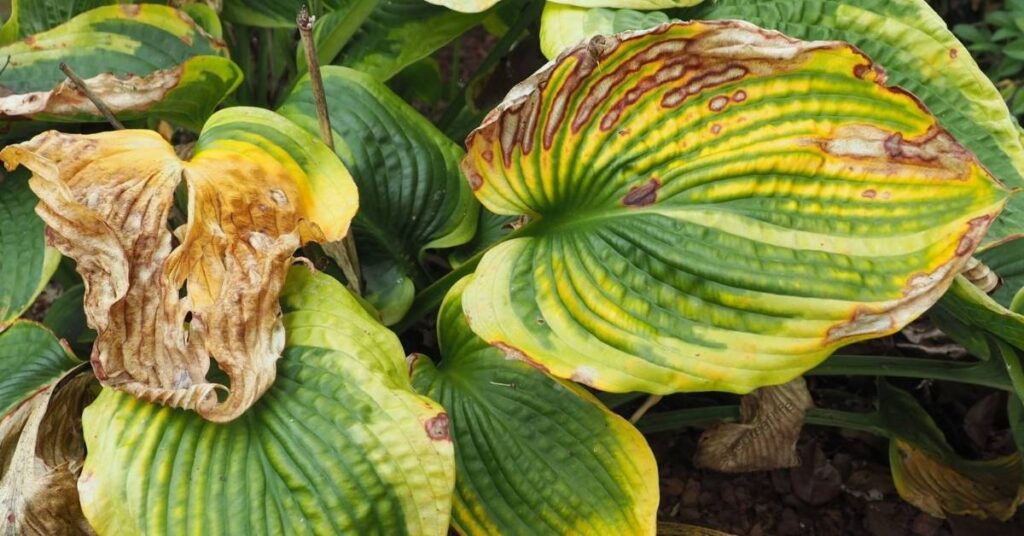
Even though hostas are hardy and adaptable, gardeners may occasionally encounter problems that affect their growth or appearance.
Understanding these issues and knowing how to address them ensures that your hosta for shade remains healthy and vibrant year after year.
1. Yellowing Leaves
Yellow leaves on hostas are often a sign of stress, usually caused by overwatering, underwatering, or nutrient deficiencies. If you notice yellowing, check the soil moisture first. The soil should be consistently moist but well-draining.
Adding a balanced, slow-release fertilizer can help replenish nutrients, particularly nitrogen, which is essential for lush, green foliage. Removing severely yellow leaves encourages new, healthy growth and prevents the spread of potential diseases.
2. Pest Damage
Slugs and snails are the most common pests affecting hostas. They feed on the leaves, leaving irregular holes and ragged edges. To combat this, use organic slug repellents, copper barriers, or hand-pick pests in the early morning or evening when they are most active.
Deer and rabbits may also nibble on hosta leaves, especially in rural or suburban areas. Fencing or protective plant covers can help keep these animals away. Maintaining healthy, well-spaced plants reduces pest infestations by improving airflow and limiting hiding spots.
3. Too Much Sun Exposure
While some hosta varieties tolerate partial sun, excessive direct sunlight can scorch the leaves, causing brown tips or faded color. If your hosta is receiving too much sun, consider transplanting it to a shadier spot, mulching to protect the roots, or pairing it with taller plants or shrubs that provide natural shade.
Choosing the right variety for your garden’s light conditions is essential to prevent sun damage from the outset.
4. Tips for Rejuvenating Old Hostas
Older hosta plants may become crowded or slow-growing. Rejuvenate them by dividing the clumps in early spring or fall. Carefully dig up the plant, separate the crown into smaller sections, and replant them with proper spacing.
This not only restores vigor but also helps propagate new plants for other areas of your garden. Removing old, damaged, or diseased leaves encourages fresh growth and keeps the plant looking attractive.
By identifying and addressing these common problems, your hosta for shade can continue to thrive, providing lush foliage and seasonal beauty for many years.
Frequently Asked Questions About Hosta for Shade
Gardening in shaded areas often raises questions about which plants will thrive and how to care for them. Hostas are among the most popular shade-loving plants, and many gardeners want to ensure they’re providing the right conditions.
Here are answers to some of the most frequently asked questions about hosta for shade.
1. Can hostas grow in full shade?
Yes! One of the main reasons hostas are beloved is their ability to thrive in low-light conditions.
2. How often should I water hostas in shade?
Hostas prefer consistently moist soil, but they do not like to sit in soggy conditions. In shady gardens, the soil retains moisture longer, so you may only need to water once or twice a week, depending on rainfall and soil type.
3. Do hostas flower in shade?
Yes, hostas do produce flowers even in shaded areas, though the blooms may be less prolific than in partial sunlight.
Conclusion: Transform Your Shade Garden with Hosta for Shade
Hostas are undeniably one of the best choices for shaded gardens. Their versatility, resilience, and stunning foliage make them perfect for adding texture, color, and life to areas where sunlight is limited.
From bold, large-leaf varieties to delicate, variegated types, there is a hosta for shade to suit every garden design and personal preference. Beyond their aesthetic appeal, hostas are low-maintenance, long-lasting, and capable of thriving in environments where many other plants struggle, making them ideal for both beginner and experienced gardeners alike.
By choosing the right hosta varieties, planting them in suitable locations, and following proper care routines—including watering, fertilization, mulching, and pest management—you can create a lush, vibrant shade garden that becomes the envy of your neighborhood.
Pairing hostas with other shade-loving plants, experimenting with different textures and colors, and arranging them thoughtfully will further enhance your garden’s beauty and interest.