
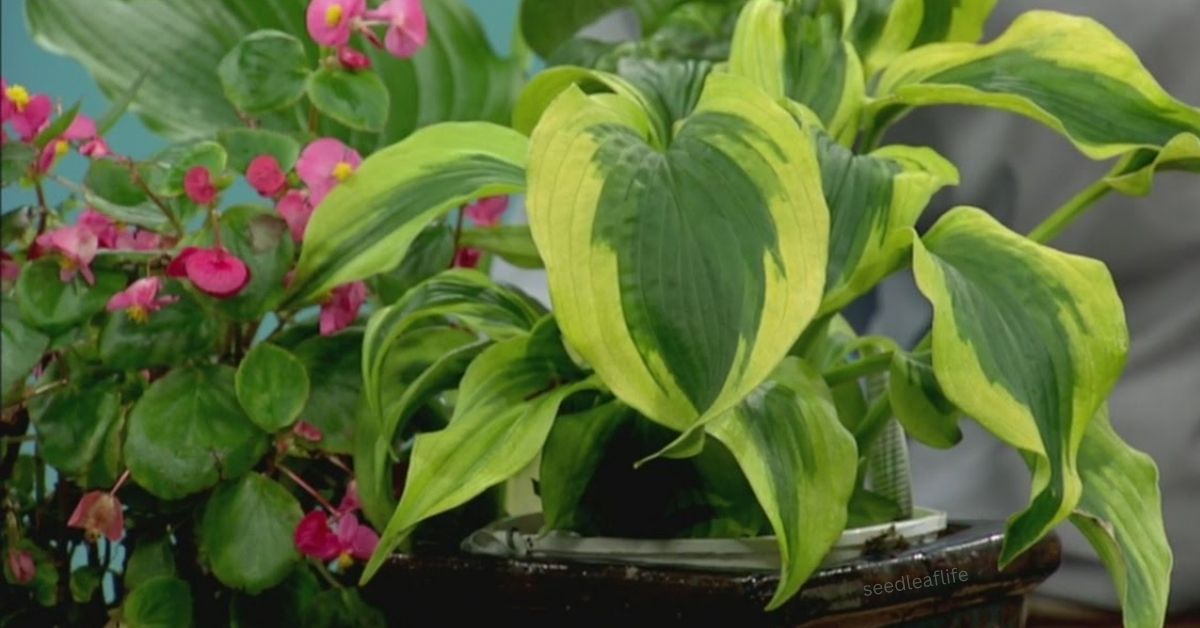
Hostas plants are among the most popular choices for gardeners who want lush, attractive greenery with minimal effort. Known for their broad, decorative leaves and wide range of colors—from deep green to blue-green and even variegated patterns—hostas are perennial plants that return year after year.
Unlike many flowering plants that demand constant attention, hostas are grown primarily for their stunning foliage, making them a reliable and visually appealing addition to almost any garden space.
One of the main reasons hostas plants are so widely loved is their ability to thrive in shade gardens. Many plants struggle to grow without direct sunlight, but hostas actually prefer partial to full shade.
This makes them perfect for areas under trees, along shaded pathways, or in parts of the garden where sunlight is limited. Their versatility in low-light conditions allows gardeners to fill spaces that might otherwise remain empty or difficult to maintain.
For a complete guide on growing and caring for hosta for shade, you can explore more details here. Hostas plants have a rich history that traces back to Asia, particularly countries like Japan, Korea, and China.
Another reason beginners love hostas is their low-maintenance nature. These plants are hardy, adaptable, and forgiving, meaning they can tolerate a range of conditions without requiring expert-level care.
They don’t need frequent pruning, complicated feeding schedules, or constant monitoring, which makes them ideal for those just starting their gardening journey.
Understanding Hostas Plants
What Are Hostas Plants?
Hostas plants are herbaceous perennial plants primarily grown for their attractive foliage rather than their flowers. As perennials, they complete their life cycle year after year, returning each spring after going dormant in winter. This makes them a long-term investment for any garden, as they continue to grow and improve in appearance over time.
The most distinctive feature of hostas is their broad, lush leaves, which come in a wide variety of shapes, sizes, and colors. Some leaves are smooth and glossy, while others have a textured or ribbed surface that adds depth and interest to garden beds.
Color variations are another reason for their popularity—hostas can be found in shades of deep green, bright lime, blue-green, and even variegated combinations with white or yellow edges. While they do produce flowers, typically on tall stems during summer, these blooms are usually secondary to the striking foliage that defines the plant.
Types of Hostas Plants
Hostas plants are commonly categorized based on their size, which helps gardeners choose the right variety for their space and design needs.
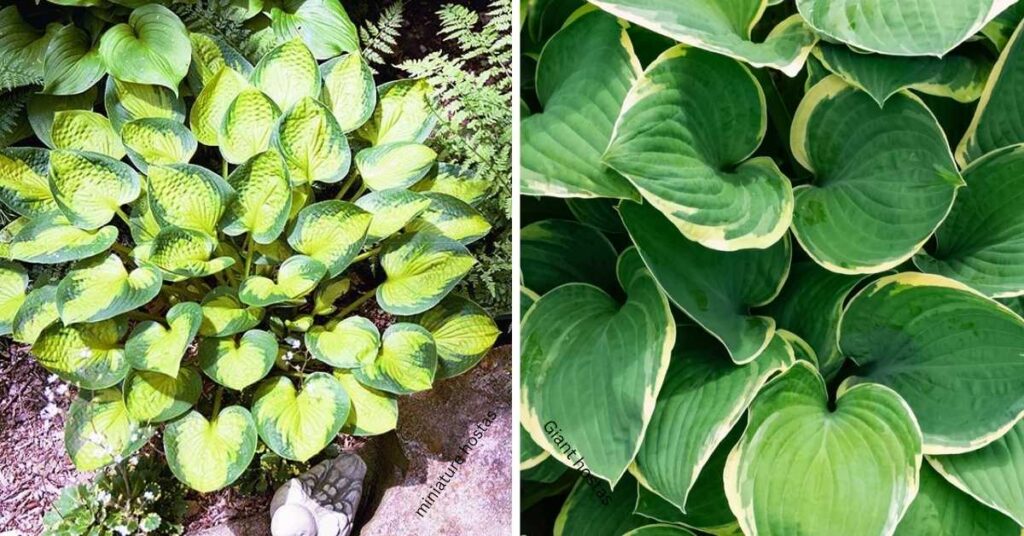
- Miniature hostas are the smallest varieties, typically growing only a few inches tall. They are perfect for container gardening, rock gardens, or edging pathways. Despite their size, they still offer beautiful leaf patterns and colors.
- Medium-sized hostas are the most common and versatile. They fit well in most garden settings and can be used as border plants or as part of mixed garden beds. Their balanced size makes them ideal for beginners.
- Giant hostas can grow impressively large, with leaves reaching over a foot in length and plants spreading several feet wide. These are often used as focal points in shade gardens due to their bold and dramatic appearance.
Some popular hosta varieties include Blue Angel, known for its large blue-green leaves, and Sum and Substance, famous for its bright chartreuse foliage and substantial size. These varieties highlight the diversity and visual appeal that hostas bring to any garden.
Growth Habits
Hostas grow in a clumping form, meaning they expand outward from a central base rather than spreading aggressively through roots or runners. Over time, these clumps become fuller and more impressive, making them excellent for creating dense, leafy ground cover.
Their growth cycle is seasonal. In spring, new shoots emerge from the soil as temperatures begin to rise. During summer, hostas reach their full size and may produce flowers. As fall approaches, their growth slows down, and the leaves gradually begin to die back.
In winter, hostas enter a period of dormancy. During this time, the above-ground parts of the plant disappear, but the roots remain alive beneath the soil, storing energy for the next growing season. This natural cycle makes hostas resilient and well-suited to a variety of climates.
Ideal Growing Conditions
Creating the right environment is key to growing healthy and vibrant hostas plants. While these perennials are known for being hardy and adaptable, providing optimal light, soil, temperature, and spacing conditions will ensure they thrive and maintain their striking foliage. Understanding these factors is essential, whether you are a beginner or an experienced gardener.
Light Requirements
Hostas are famously shade-loving plants, but understanding the nuances of their light needs can make a huge difference in their health and appearance. Most hostas perform best in partial to full shade, where they receive indirect sunlight rather than harsh, direct rays.
Partial shade refers to areas that get filtered sunlight for part of the day, often through tree canopies or structures, while full shade areas receive little to no direct sunlight.
Some hosta varieties, however, are more sun-tolerant, especially those with thicker or more variegated leaves. These varieties can handle a few hours of direct morning sun but may struggle under intense afternoon sunlight.
Signs of too much sun include yellowing leaves, scorched edges, or a general fading of their rich green or blue hues. Observing these signs early allows gardeners to relocate the plant or provide additional shade, ensuring the foliage remains healthy and vibrant.
Soil Requirements
Hostas thrive in well-drained, fertile soil. While they enjoy moisture, standing water or poorly drained soil can lead to root rot and other fungal issues. Ideally, the soil should retain enough water to keep the roots consistently moist without becoming waterlogged.
The pH of the soil also plays a role in hosta health. They prefer slightly acidic to neutral soil, typically between 6.0 and 7.0. Testing the soil and amending it if necessary can prevent nutrient deficiencies that might stunt growth or cause leaf discoloration.
Adding organic matter, such as compost, leaf mold, or well-rotted manure, improves soil fertility, structure, and moisture retention. Organic amendments encourage a healthy root system, which is the foundation for large, lush leaves.
Mulching around the base of the plants further helps retain moisture, suppress weeds, and maintain consistent soil temperature.
Temperature and Climate
Hostas are generally hardy in USDA zones 3–9, meaning they can survive a wide range of temperatures—from cold winters to moderately hot summers. They tolerate frost and snow during winter dormancy, which actually benefits the plant by signaling when to begin its growth cycle in spring.
When it comes to heat tolerance, hostas can struggle in extremely hot or dry conditions, especially if they are planted in full sun. Providing shade and consistent watering during heat waves helps prevent leaf burn and stress.
On the other end of the spectrum, hostas are cold-hardy, with roots capable of surviving freezing winter soil temperatures. Gardeners in colder climates can even leave their plants in the ground over winter, as long as they are mulched to protect against soil heaving.
Spacing and Air Circulation
Proper spacing is critical to the health and longevity of hostas plants. Crowding them too closely can restrict airflow around the leaves and soil, creating an environment that encourages pests and diseases such as crown rot and fungal infections.
A general rule is to space medium-sized hostas at least 18–24 inches apart, while larger varieties may require 3–4 feet of space to allow full growth.
Good air circulation also helps leaves dry faster after rain or watering, reducing the risk of fungal spots and other moisture-related issues. Spacing hostas appropriately not only promotes healthier plants but also enhances their visual appeal, allowing each plant’s foliage to stand out and create a lush, textured garden display.
Planting Hostas Plants
Planting hostas correctly is a crucial step in ensuring healthy growth and vibrant foliage. While hostas are relatively easy to grow, attention to timing, planting technique, and location can make a significant difference in their long-term success. Whether you are planting them in garden beds or containers, following best practices will help your hostas thrive.
When to Plant
The ideal time to plant hostas is either in spring or fall.
- Spring planting: Planting in early spring allows the roots to establish themselves before the heat of summer. As temperatures gradually warm, the plant begins its growth cycle, producing new shoots and leaves. Spring planting is particularly advantageous in colder climates, as the plant has the entire growing season to adapt to its environment.
- Fall planting: Early fall is also an excellent time to plant hostas because the soil is still warm, encouraging root development before winter dormancy. Fall planting allows the plant to establish its root system while the top foliage dies back naturally. Mulching after planting provides extra protection from freezing temperatures. Avoid planting in late fall when the ground may already be frozen.
How to Plant
Proper planting technique ensures that hostas establish strong roots and healthy foliage. Here’s a step-by-step guide:
- Digging the hole: Choose a location with appropriate light and well-drained soil. Dig a hole that is roughly 1.5 times the width of the root ball and deep enough so that the top of the roots sits just below the soil surface.
- Preparing the plant: If your hosta is in a pot, gently remove it, taking care not to damage the roots. For bare-root plants, soak the roots in water for 30 minutes before planting to hydrate them.
- Root placement: Place the plant in the hole, spreading out the roots evenly. Ensure that the crown—the point where the roots meet the shoots—is level with the soil surface. Planting too deep can cause rot, while planting too shallow may expose roots to drying out.
- Backfilling and watering: Fill the hole with soil, gently firming it around the roots to eliminate air pockets. Water thoroughly to help settle the soil and give the plant a strong start. Adding a layer of mulch around the base helps retain moisture and regulate soil temperature.
Planting in Pots vs Ground
Hostas are versatile and can thrive in both garden beds and containers, but each option requires specific considerations.
- Container gardening: Choose a pot that is large enough to accommodate growth, with good drainage holes to prevent waterlogging. Use high-quality potting soil mixed with compost for nutrients. Container hostas may need more frequent watering than ground-planted ones, especially in warm weather.
- Planting in the ground: Select a location with partial to full shade and fertile, well-drained soil. Ground planting allows the hosta to expand naturally over the years, forming dense clumps. Mulching and proper spacing are essential to prevent competition for nutrients and maintain airflow.
Watering Hostas Plants
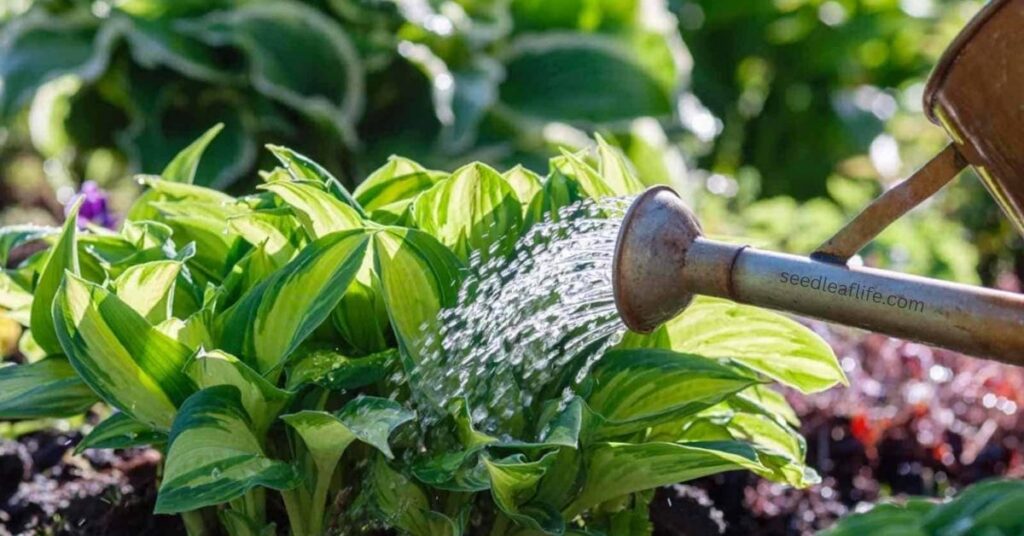
Watering is one of the most critical aspects of growing healthy hostas plants. While they are relatively low-maintenance, providing the right amount of water ensures lush foliage, strong roots, and overall plant vigor.
Both underwatering and overwatering can stress the plant, making it more susceptible to pests, disease, and poor growth. Understanding how hostas respond to water and adopting best practices will help your plants thrive throughout the growing season.
How Much Water Do Hostas Need
Hostas prefer consistent moisture, especially during the growing season. As a general guideline, they require approximately 1 inch of water per week, either from rainfall or supplemental watering.
Deep watering encourages the roots to grow downward, establishing a strong and resilient root system. Water slowly so it penetrates several inches into the soil. Shallow watering can result in weak roots and makes plants more vulnerable to drought stress.
Signs of Overwatering and Underwatering
- Overwatering: Yellowing leaves, soft crowns, and drooping despite wet soil. Root rot may occur if left untreated.
- Underwatering: Wilting, curling, or browning leaves. Edges may turn crispy, and the plant can appear lifeless.
Early recognition allows timely adjustments to watering practices.
Best Watering Practices
- Water in the morning to allow leaves to dry, reducing fungal risk.
- Use mulch to retain soil moisture, regulate temperature, and suppress weeds.
- Check soil moisture regularly to prevent overwatering or drought stress.
Fertilizing Hostas Plants
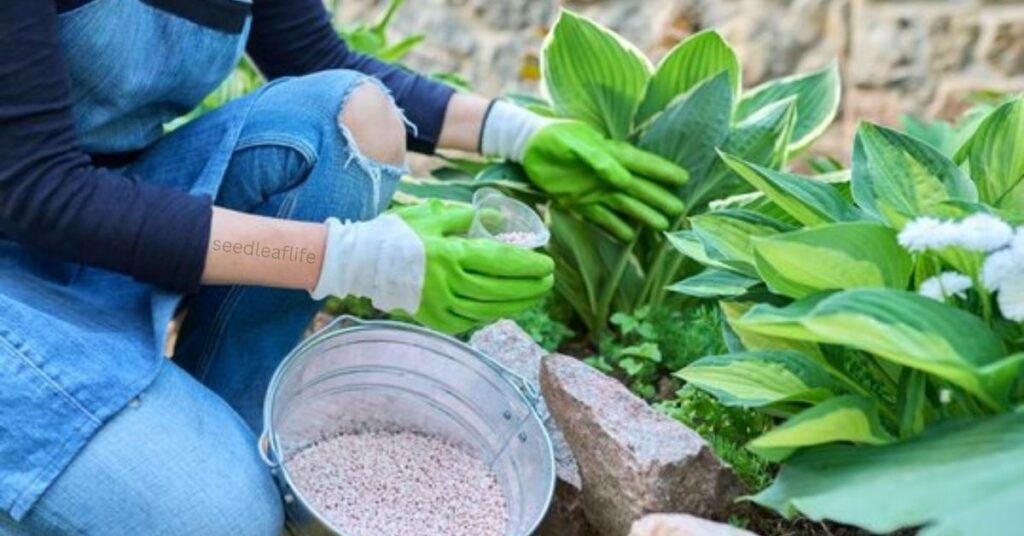
Fertilizing hostas plants correctly enhances growth, leaf size, and overall appearance. While hostas can survive without fertilizer, providing nutrients at the right time encourages lush foliage and strong roots.
Best Fertilizers
Balanced fertilizers like 10-10-10 are ideal, supplying nitrogen for leaves, phosphorus for roots, and potassium for overall vigor. Organic options, such as compost or well-rotted manure, improve soil fertility and structure while slowly feeding the plant.
When and How to Fertilize
- Early spring feeding supports new growth. A second lighter application in mid-summer may benefit larger varieties.
- Application: Spread fertilizer evenly around the base without touching the crown. Water thoroughly afterward.
- Avoid over-fertilization, as excess nitrogen can cause weak, overly lush leaves prone to pests or burn.
Pruning and Maintenance
Regular pruning and maintenance keep hostas healthy and attractive. Dead leaves, spent flowers, and seasonal cleanup prevent disease and encourage vigorous growth.
Deadheading Flowers
Remove spent blooms to redirect energy into foliage growth. Snip flower stalks at the base near the crown using clean scissors or pruning shears.
Removing Damaged Leaves
Cut away yellowed, torn, or spotted leaves to prevent disease and encourage airflow. Healthy foliage is more resistant to pests and looks more attractive.
Seasonal Cleanup
In fall, remove dead leaves and flower stalks. Apply mulch to protect crowns and roots during winter dormancy. In spring, remove mulch carefully to allow new shoots to emerge.
Common Problems and Solutions
Hostas may face pests, diseases, or environmental stress, but proactive care keeps them thriving.
Pests
Slugs and snails are the main threats, creating holes in leaves. Control with handpicking, copper tape, crushed eggshells, or natural predators. Chemical treatments may be used sparingly. Other pests include vine weevils and deer.
Diseases
- Leaf spot: Brown or black lesions caused by fungi, remove infected leaves and improve airflow.
- Crown rot: Caused by waterlogged soil, prevent with well-drained soil and proper planting depth.
Environmental Issues
- Sunburn: Scorched leaves from excessive sunlight. Provide shade if needed.
- Poor drainage: Can lead to root problems, improve soil with compost or raised beds.
Propagating Hostas Plants
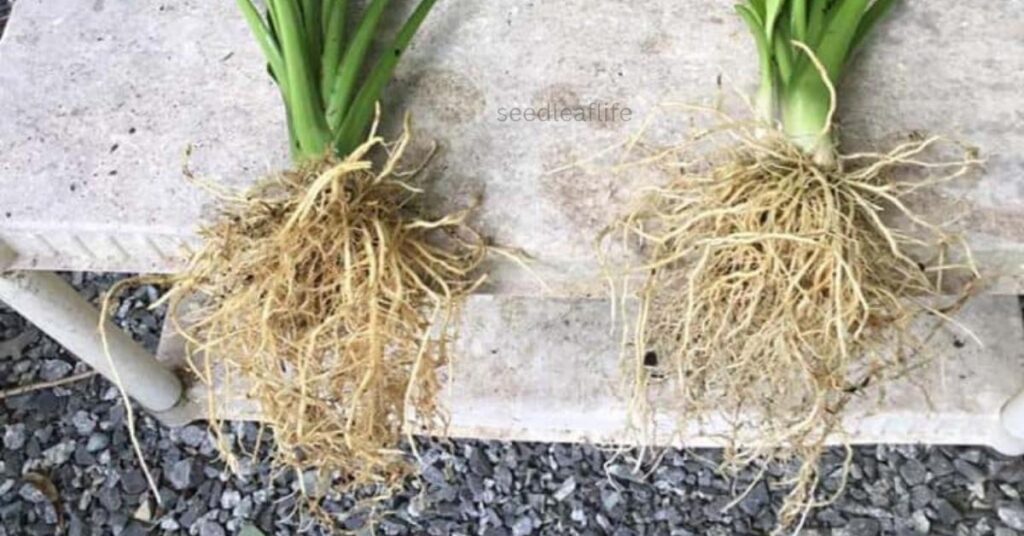
Propagation is easy through division, creating new plants while rejuvenating older clumps.
Division Method
Best done in spring or early fall. Steps: dig up plant, separate clumps with at least 3–5 shoots each, remove damaged leaves, replant with crown level to soil, water, and mulch.
Benefits of Propagation
- Cost-effective: Multiply plants from existing clumps.
- Healthier plants: Reduces overcrowding, encourages strong growth.
- Custom design: Expand or rearrange garden layouts.
Landscaping Ideas with Hostas Plants
Hostas add texture, color, and structure to gardens, especially shaded areas.
Shade Garden Design
Combine hostas with ferns or other textured plants. Layering large and small varieties creates depth. Variegated leaves brighten shaded areas.
Companion Plants
- Ferns: Fine fronds contrast broad hosta leaves.
- Astilbe: Delicate plumes add color.
- Heuchera: Bold foliage complements hostas.
Border and Pathway Uses
Use hostas to edge walkways or garden beds. Alternate colors and textures to enhance visual appeal. Large varieties can serve as focal points near benches or water features.
Seasonal Care Guide
Spring Care
Fertilize, clean debris, and consider dividing crowded clumps. Mulch and monitor moisture as shoots emerge.
Summer Care
Water deeply in the morning. Control slugs and monitor for sunburn. Maintain consistent moisture.
Fall Care
Cut back dead foliage, apply mulch, and reduce watering as growth slows.
Winter Care
Hostas enter dormancy. Mulch to protect crowns and roots. Avoid disturbing soil. Plan spring garden work.
Tips for Beginners
- Start with hardy varieties like Blue Angel or Sum and Substance.
- Don’t overwater water deeply but infrequently.
- Choose the right location with partial to full shade and well-drained soil.
- Be patient hostas grow gradually and may take a few seasons to reach full size.
Frequently Asked Questions
Why are my hostas turning yellow?
Could be overwatering, under watering, nutrient deficiency, or natural aging.
Can hostas grow in full sun?
Some varieties tolerate morning sun, but most prefer shade to avoid leaf scorch.
How fast do hostas grow?
Moderate, small varieties mature in 2–3 years, giants in 4–5 years.
Do hostas come back every year?
Yes, they are perennials that return each spring after winter dormancy.
Conclusion
Hostas plants are versatile, resilient, and visually stunning. By understanding their needs—light, soil, water, and seasonal care—gardeners of all skill levels can grow lush, healthy plants.
Start with hardy varieties, avoid overwatering, and be patient with growth. Regular pruning, fertilizing, and seasonal maintenance ensure long-term success.
Hostas brighten shade gardens, complement other plants, and provide long-lasting beauty year after year. Following this guide allows beginners and experienced gardeners alike to cultivate a thriving hosta garden full of texture, color, and tranquility.